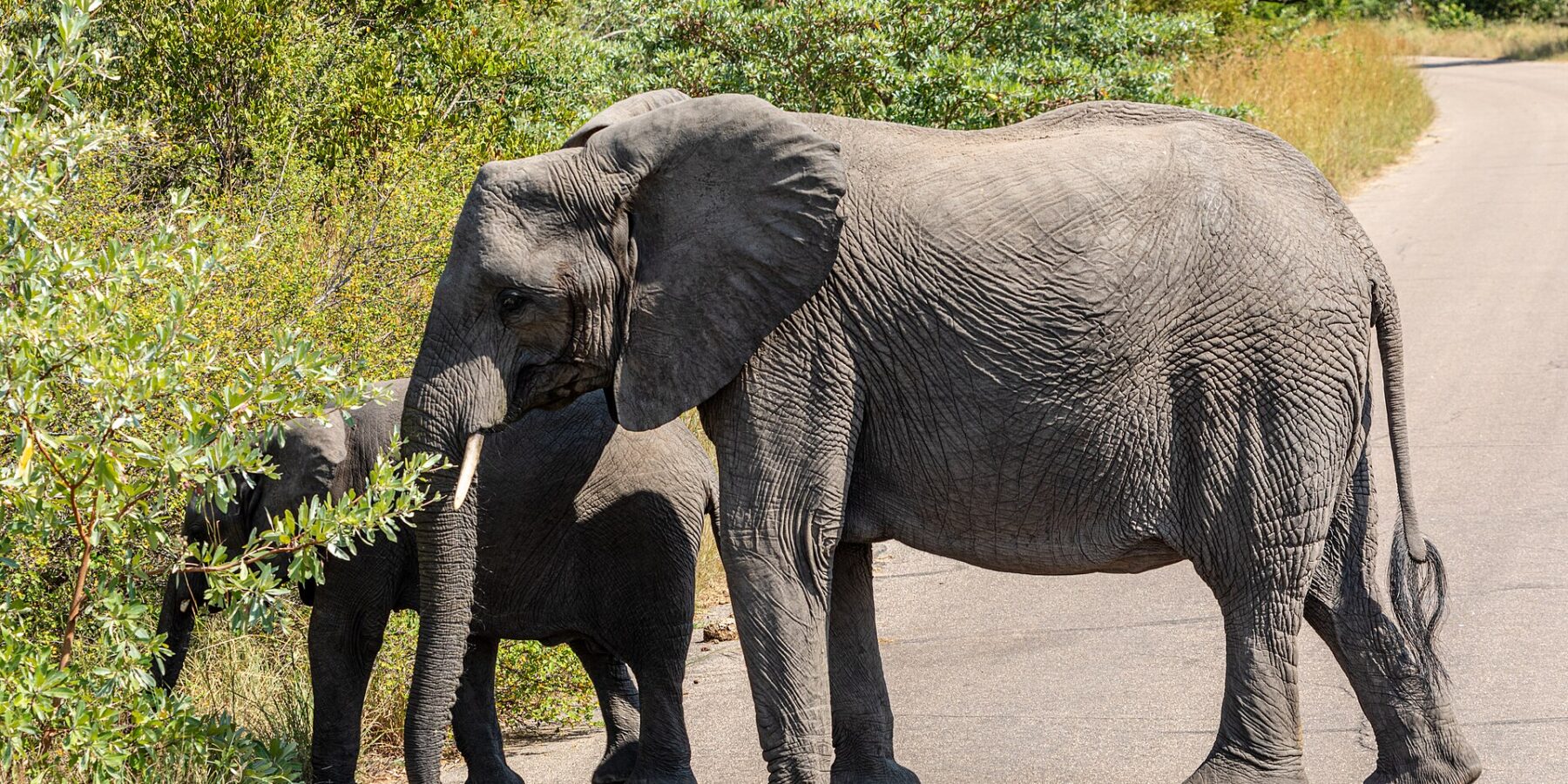
In Kruger, you drive yourself through 360 km of bush, and elephants cross the road in front of your hood. The park has between 1,620 and 1,720 lions, close to a thousand leopards and all of the Big Five. It welcomed nearly 2 million visitors in 2024, and its 12 rest camps let you sleep inside the park.
Why go to Kruger?
- All of the Big Five, with between 1,620 and 1,720 lions and close to a thousand leopards
- A park you explore in your own car, on paved roads, at no more than 50 km/h
- Twelve fenced rest camps where you sleep inside the park, with Skukuza on the Sabie River at the top of the list
- An airport inside the park, at Skukuza, one hour's flight from Johannesburg
- The south, between the Sabie and Crocodile rivers, where you see the most lions, leopards and rhinos
Kruger in pictures
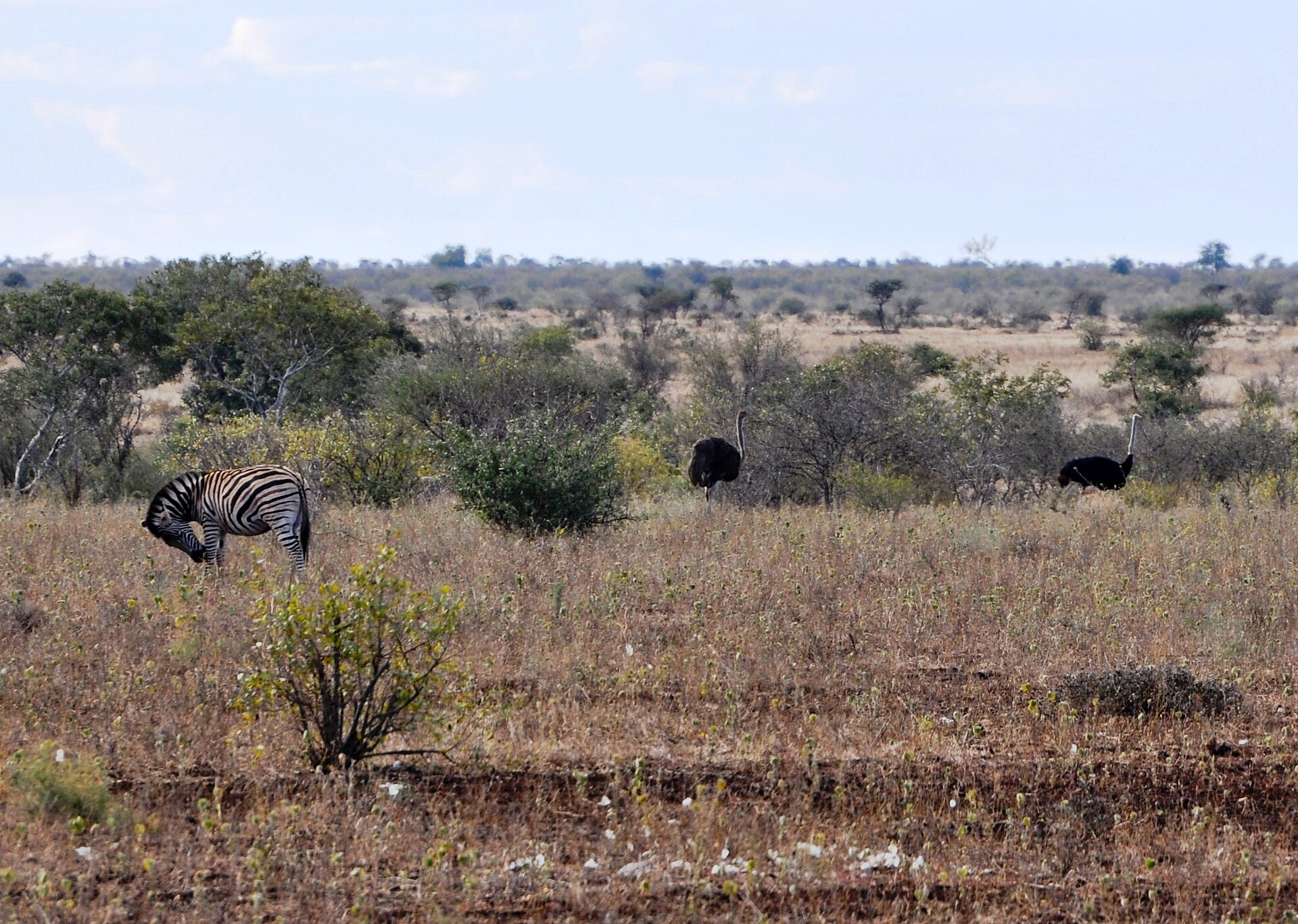
Which animals can you see in Kruger?
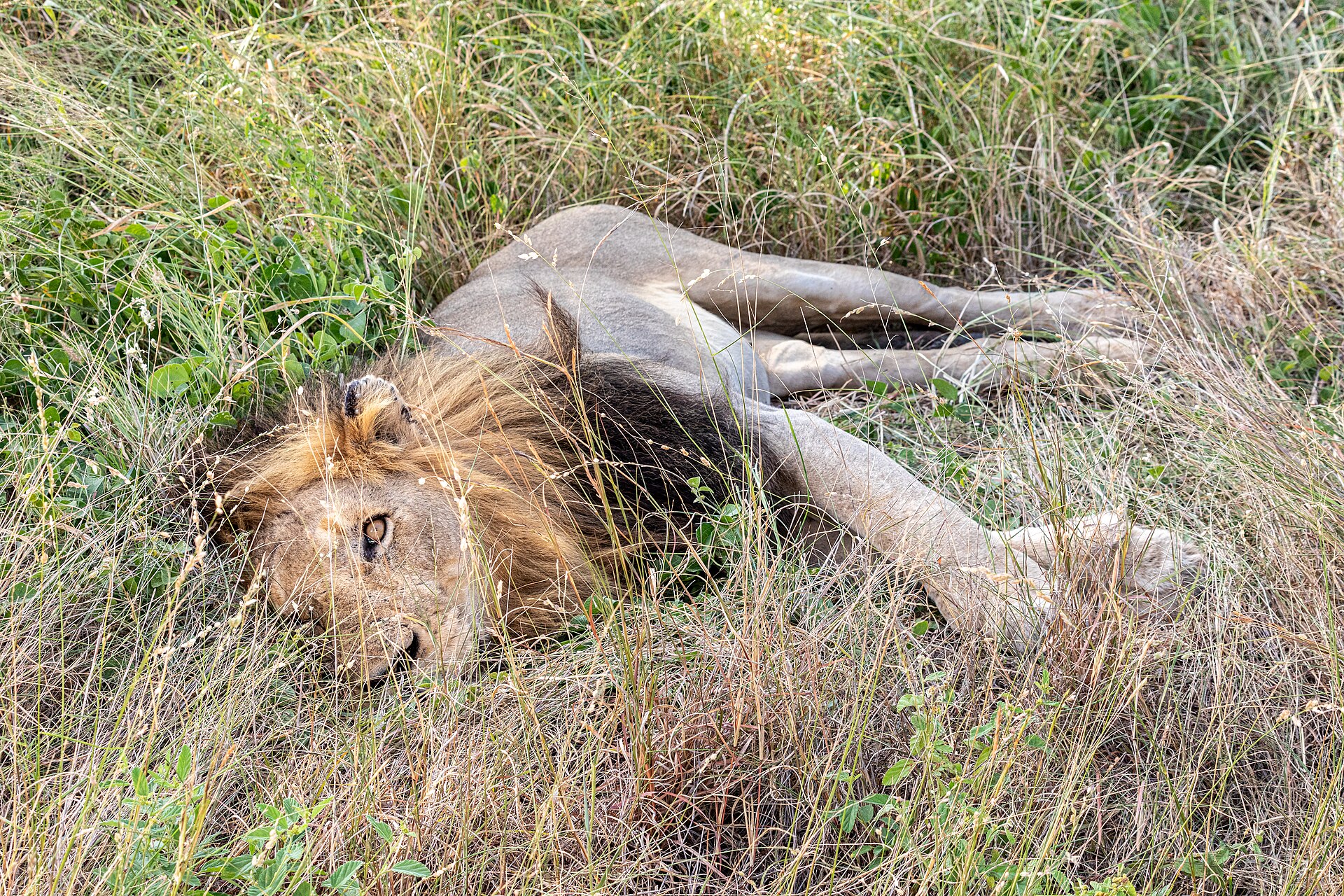
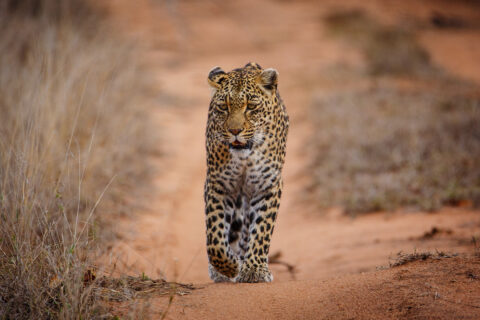
Kruger is home to 147 mammal species and more than 500 bird species across 19,623 km². The south, between the Crocodile and Sabie rivers, holds the most lions, leopards and white rhinos, and most visitors spend their days there. The center, around Satara, is open plains full of zebras and wildebeest, where lions hunt in prides.
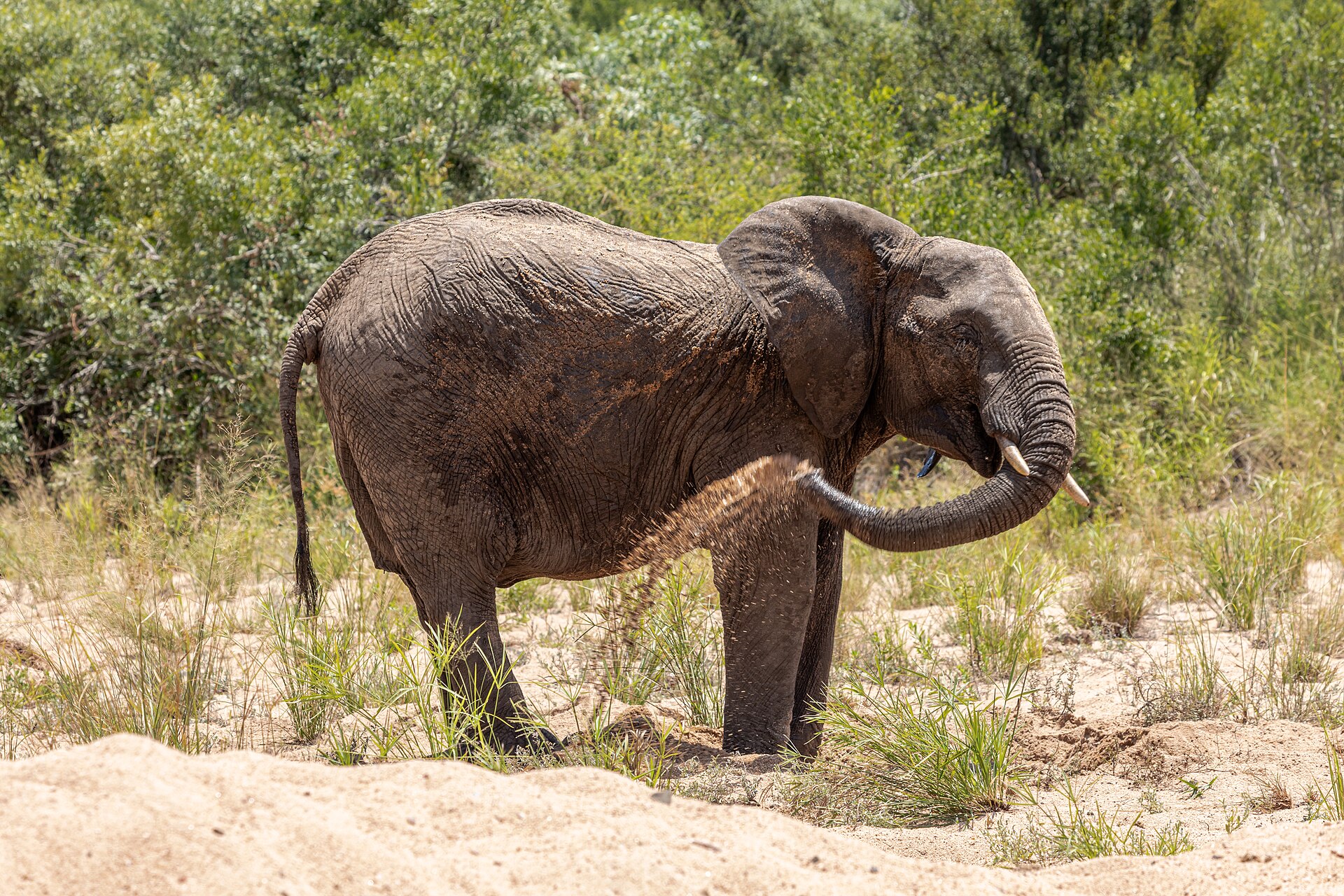
The north, beyond the Olifants, is covered in mopane woodland, with plenty of elephants and buffalo by the hundreds on the plains along the Luvuvhu, at Pafuri. Wild dogs and cheetahs remain rare throughout the park. Leopards live along the rivers, where they sleep in the big trees, and the black rhino hides in the southern thickets.
| Species | J | F | M | A | M | J | J | A | S | O | N | D | Note |
|---|---|---|---|---|---|---|---|---|---|---|---|---|---|
 Lion | peak season | peak season | peak season | peak season | peak season | peak season | peak season | peak season | peak season | peak season | peak season | peak season | south and center, often on the roads at first light |
 Leopard | possible | possible | possible | possible | possible | possible | possible | possible | possible | possible | possible | possible | riverine forest along the Sabie and Olifants, up in the trees |
 Elephant | peak season | peak season | peak season | peak season | peak season | peak season | peak season | peak season | peak season | peak season | peak season | peak season | throughout the park, in large numbers in the north |
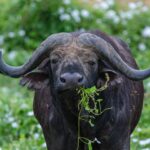 Buffalo | peak season | peak season | peak season | peak season | peak season | peak season | peak season | peak season | peak season | peak season | peak season | peak season | large herds in the north and center |
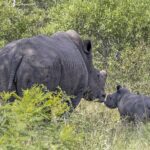 White rhinoceros | possible | possible | possible | possible | possible | possible | possible | possible | possible | possible | possible | possible | south of the park, seen less and less |
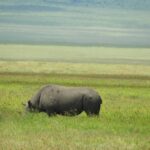 Black rhinoceros | rare | rare | rare | rare | rare | rare | rare | rare | rare | rare | rare | rare | southern thickets, very rare |
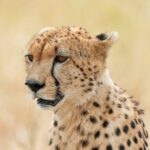 Cheetah | possible | possible | possible | possible | possible | possible | possible | possible | possible | possible | possible | possible | open plains of the center and southeast, few in number |
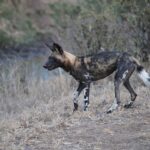 African wild dog | rare | rare | rare | rare | rare | rare | rare | rare | rare | rare | rare | rare | a rare sighting, packs in the south and center |
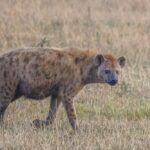 Spotted hyena | peak season | peak season | peak season | peak season | peak season | peak season | peak season | peak season | peak season | peak season | peak season | peak season | along the roads at first light |
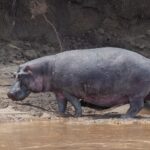 Hippopotamus | peak season | peak season | peak season | peak season | peak season | peak season | peak season | peak season | peak season | peak season | peak season | peak season | Sabie, Olifants and Letaba rivers, and dams |
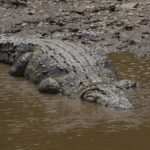 Nile crocodile | peak season | peak season | peak season | peak season | peak season | peak season | peak season | peak season | peak season | peak season | peak season | peak season | rivers and dams, Sunset Dam near Lower Sabie |
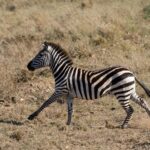 Plains zebra | peak season | peak season | peak season | peak season | peak season | peak season | peak season | peak season | peak season | peak season | peak season | peak season | central plains, around Satara |
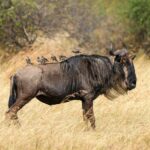 Wildebeest | peak season | peak season | peak season | peak season | peak season | peak season | peak season | peak season | peak season | peak season | peak season | peak season | plains of the center and southeast |
| South African giraffe | peak season | peak season | peak season | peak season | peak season | peak season | peak season | peak season | peak season | peak season | peak season | peak season | acacia bush in the south and center |
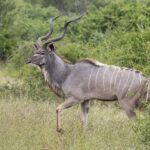 Greater kudu | peak season | peak season | peak season | peak season | peak season | peak season | peak season | peak season | peak season | peak season | peak season | peak season | bush in the south and center, often by the roadside |
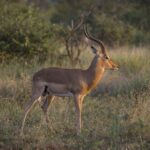 Impala | peak season | peak season | peak season | peak season | peak season | peak season | peak season | peak season | peak season | peak season | peak season | peak season | everywhere, the most numerous antelope in the park |
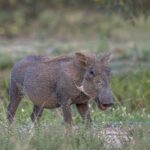 Warthog | peak season | peak season | peak season | peak season | peak season | peak season | peak season | peak season | peak season | peak season | peak season | peak season | by the roadside, kneeling in the grass |
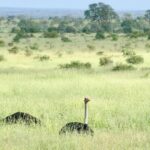 Ostrich | possible | possible | possible | possible | possible | possible | possible | possible | possible | possible | possible | possible | central plains, south of Satara |
peak seasonpossiblerare
What is a safari like in Kruger?
You enter through one of the ten gates and drive at your own pace on paved roads and dirt tracks, map in hand. A typical day starts when the gates open, breaks at camp through the hot hours and ends with one last loop before closing time. The 12 main rest camps are fenced, with bungalows, a campsite, a shop and a gas station.
From the camps, SANParks rangers lead drives at sunrise, at sunset and at night, the only ways to stay out after the gates close. Guided walks also leave in the morning. Skukuza, the largest camp, is a village with its own airport and bank.
When to go to Kruger?
idealgoodnot recommended
The dry season, from May to September, is the best time to see wildlife. The grass is short, the trees drop their leaves and the animals come down to drink at the rivers and waterholes, where you wait for them. Winter mornings are cool and the skies stay clear.
From October to April, the summer rains turn the bush green and hide the animals, but antelope give birth in November and December, migrant birds arrive and late-afternoon storms wash away the dust. Malaria is transmitted from September to May, and preventive medication is recommended during that period.
How to get to Kruger?
Airlink flies to Skukuza, inside the park, in one hour from Johannesburg and in 2 hours 25 minutes from Cape Town. Airlink and FlySafair also serve Kruger Mpumalanga airport, near Nelspruit, 50 minutes from Johannesburg. From there, Malelane Gate is 55 km away, Numbi Gate 95 km and Paul Kruger Gate 100 km. Hoedspruit airport serves Orpen Gate and the center of the park.
By road, the N4 takes you from Johannesburg to Malelane Gate in 428 km, about four and a half hours. You can pick up a rental car at every airport, and a sedan is all you need on the park's paved roads.
Stay in Skukuza
Where to stay near Kruger?
Hotels, apartments and rooms around Skukuza, with current prices.
Which hotels to choose near Kruger?
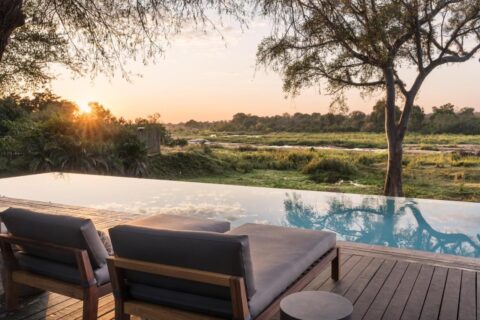
 South Africa
Kruger Gate Hotel
Northeastern South Africa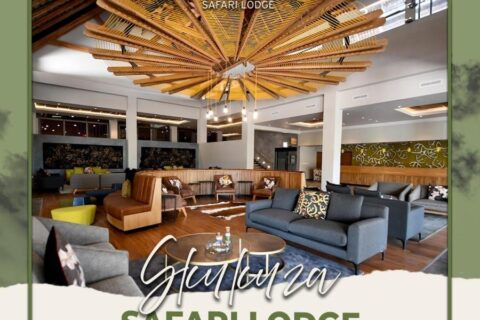 South Africa
Skukuza Safari Lodge
Northeastern South Africa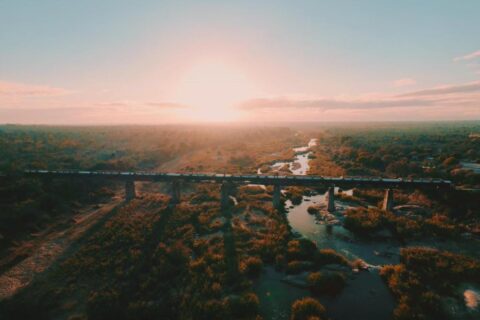 South Africa
Kruger Shalati
Northeastern South Africa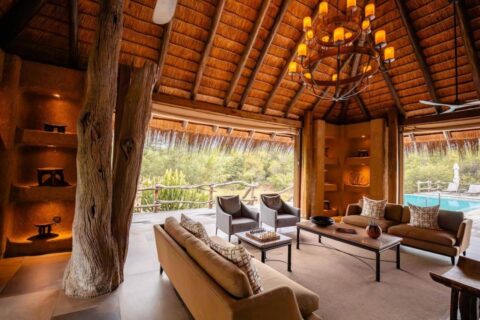 South Africa
Kapama River Lodge
Northeastern South Africa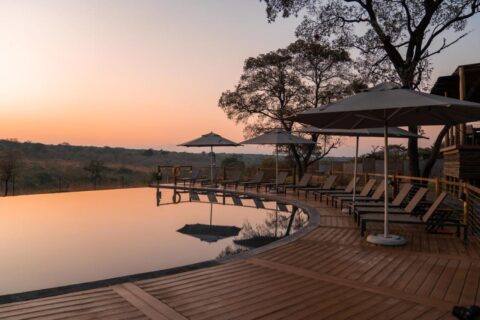 South Africa
Mdluli Safari Lodge
Northeastern South Africa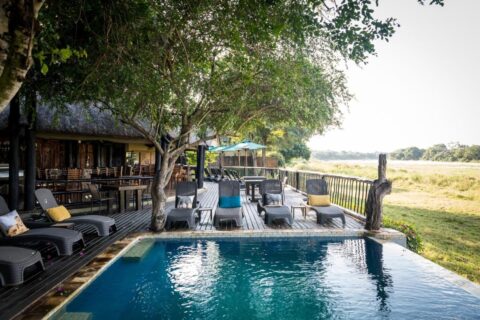 South Africa
Umkumbe Safari Lodge
Northeastern South AfricaHow did Kruger begin as the Sabie Game Reserve in 1898?
President Paul Kruger had the Sabie Game Reserve proclaimed in 1898, between the Sabie and Crocodile rivers, to stop the hunting that was emptying the Lowveld. James Stevenson-Hamilton, its first warden from 1902 to 1946, extended it northward and in 1926 secured the law that made it Kruger National Park.
Since 2002, Kruger has formed the Great Limpopo Transfrontier Park together with Limpopo National Park in Mozambique and Gonarezhou National Park in Zimbabwe. To the west, the private reserves of Sabi Sand and Timbavati no longer have a fence between them and the park, and animals move freely from one to the other.
How has poaching hit Kruger's rhinos?
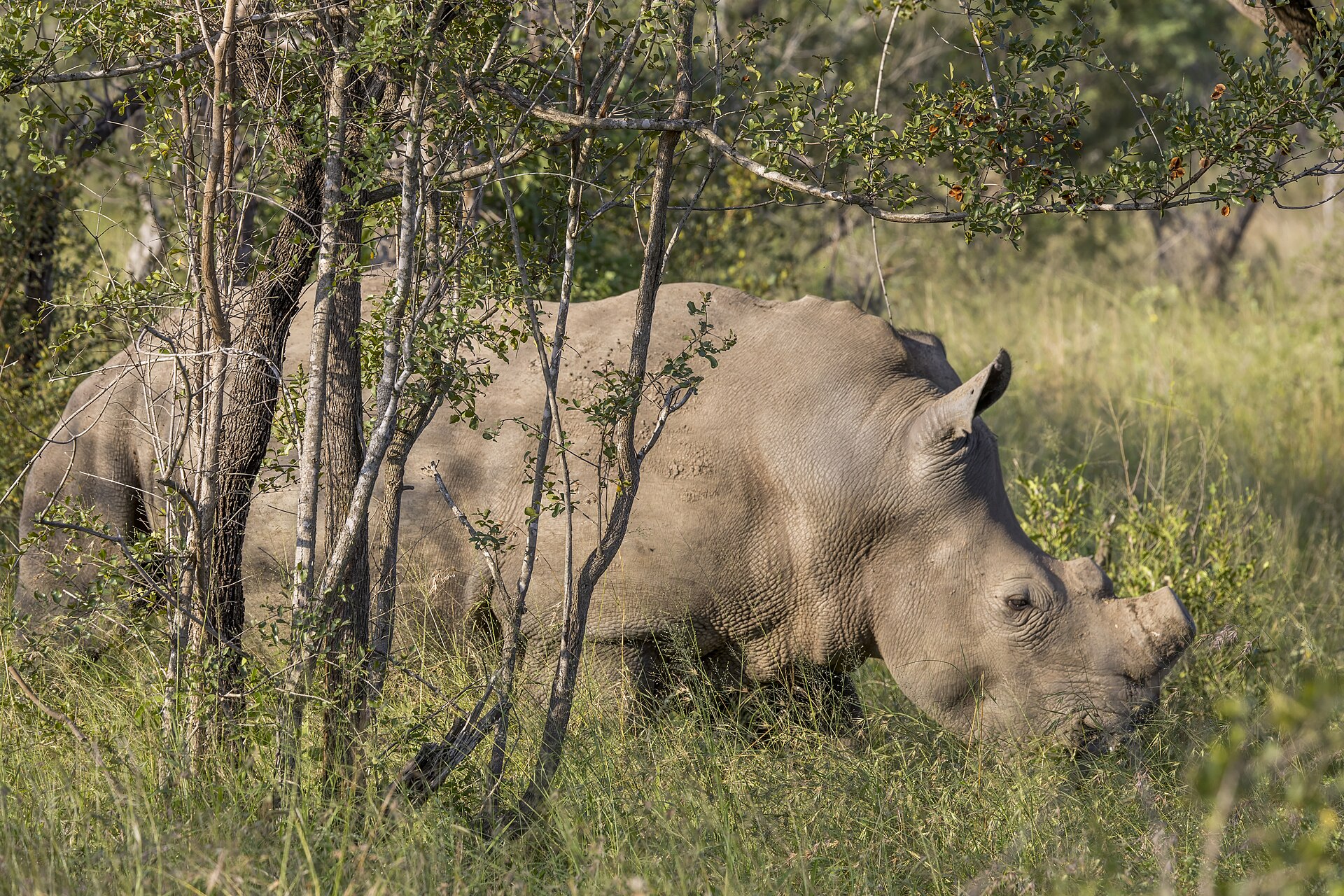
Kruger long held the largest white rhino population in the world, more than 10,000 animals in 2011. Poaching for horn has driven it down. The park lost 175 rhinos in 2025, twice as many as in 2024, while South Africa as a whole lost 352. Parks now dehorn some of their rhinos so they are worth nothing to poachers, and you will see animals without horns.
Frequently asked questions about Kruger
When is the best time for a safari in Kruger?
From May to September, during the dry season: the grass is short and the animals gather at waterholes. The rains fall from October to April, with births in November and December.
How much is the entry fee for Kruger National Park?
R692 per adult per day for an international visitor and R345 per child aged 2 to 11, from November 1, 2026. The Wild Card, a one-year pass to all SANParks parks, costs R4,680 for an international visitor and pays for itself after seven days in the parks.
Can you visit Kruger without a guide?
Yes, and it is the most common way to visit. You drive your rental car on the paved roads and dirt tracks, at no more than 50 km/h, and you stay in the vehicle outside the camps and picnic sites. Gates close between 5:30 and 6:30 p.m., depending on the month.
How do you get to Kruger from Johannesburg?
By air, Airlink gets you to Skukuza, inside the park, in one hour, with a one-way fare of R1,987 found for a January flight. By car, the N4 takes you to Malelane Gate in 428 km, about four and a half hours.
Is there malaria in Kruger?
Yes. Kruger lies in the malaria transmission zone, mostly from September to May, and preventive medication is recommended if you stay overnight. Also pack insect repellent and long sleeves for the evenings.
Can you visit Kruger with kids?
Yes. Children aged 2 to 11 pay R345 a day and children under 2 get in free. You travel in your own car, at your own pace, and the fenced camps have family bungalows.
Our tip
Sleep in a camp inside the park and head out as soon as the gates open, while the lions are still on the road. For the South African December holidays, book your nights several months ahead, because the southern gates then set quotas for day visitors.
Other parks nearby
 South AfricaPrivate reserve
Sabi Sand Game Reserve
Northeastern South Africa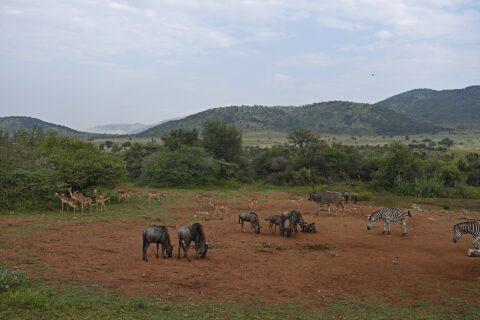 South AfricaNational park
Pilanesberg National Park
Northwestern South Africa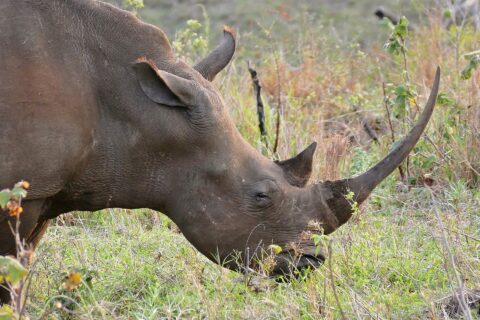 South AfricaGame reserve