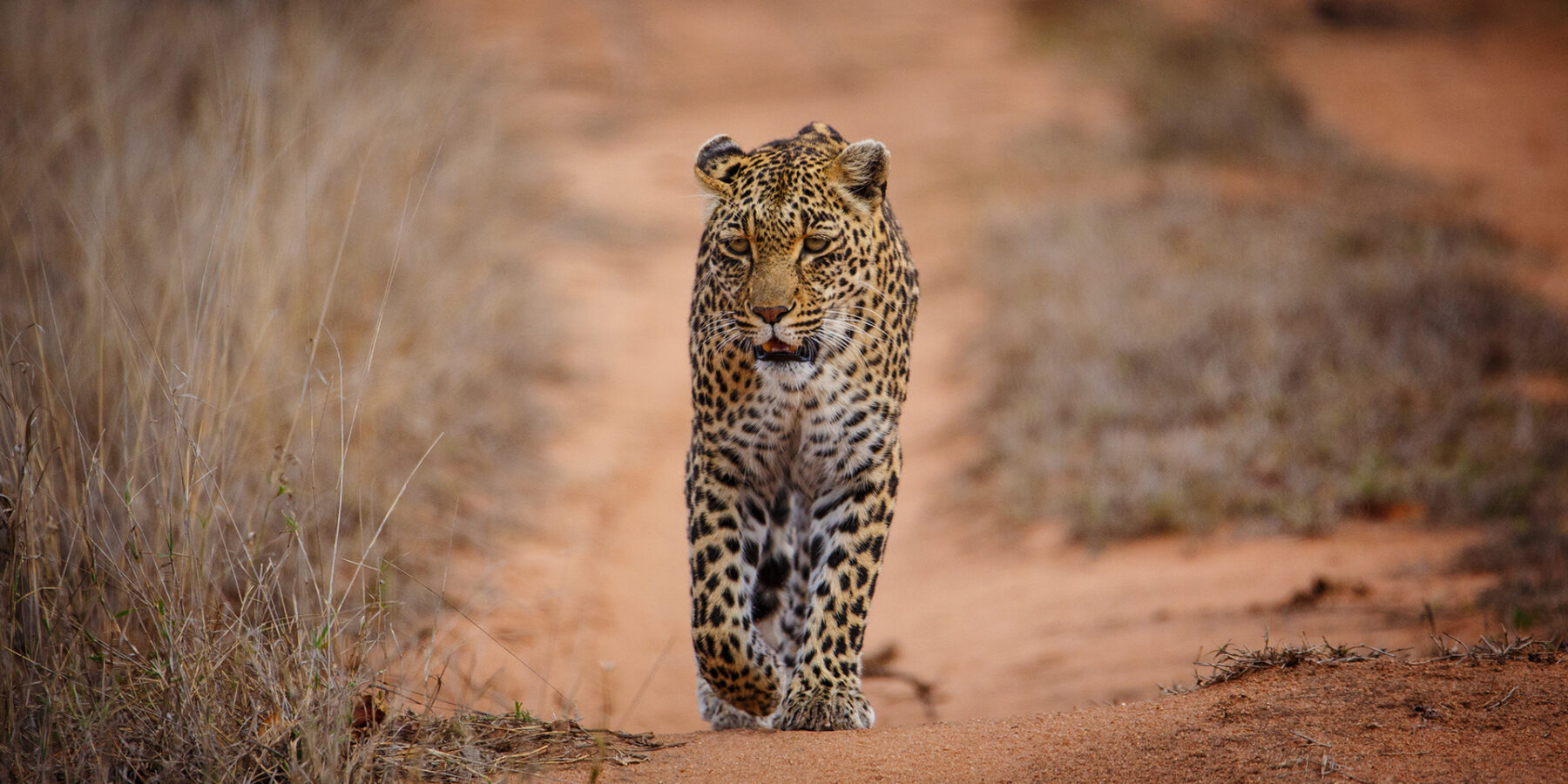
In Sabi Sand, you follow a leopard a few meters from the vehicle, off-road, by day and by night. Its leopards have lived alongside 4x4s for decades and no longer pay them any attention. Since 1993, no fence has separated this private reserve from Kruger, and the Big Five move freely between the two.
Why go to Sabi Sand?
- Leopards used to vehicles for decades, followed from a few meters away
- Off-road driving and night drives, which neighboring Kruger does not allow
- No fence with Kruger since 1993, across 650 km² crossed by the Sand River
- More than twenty lodges, from Mala Mala to Londolozi, each on its own concession
Sabi Sand in pictures
Which animals can you see in Sabi Sand?
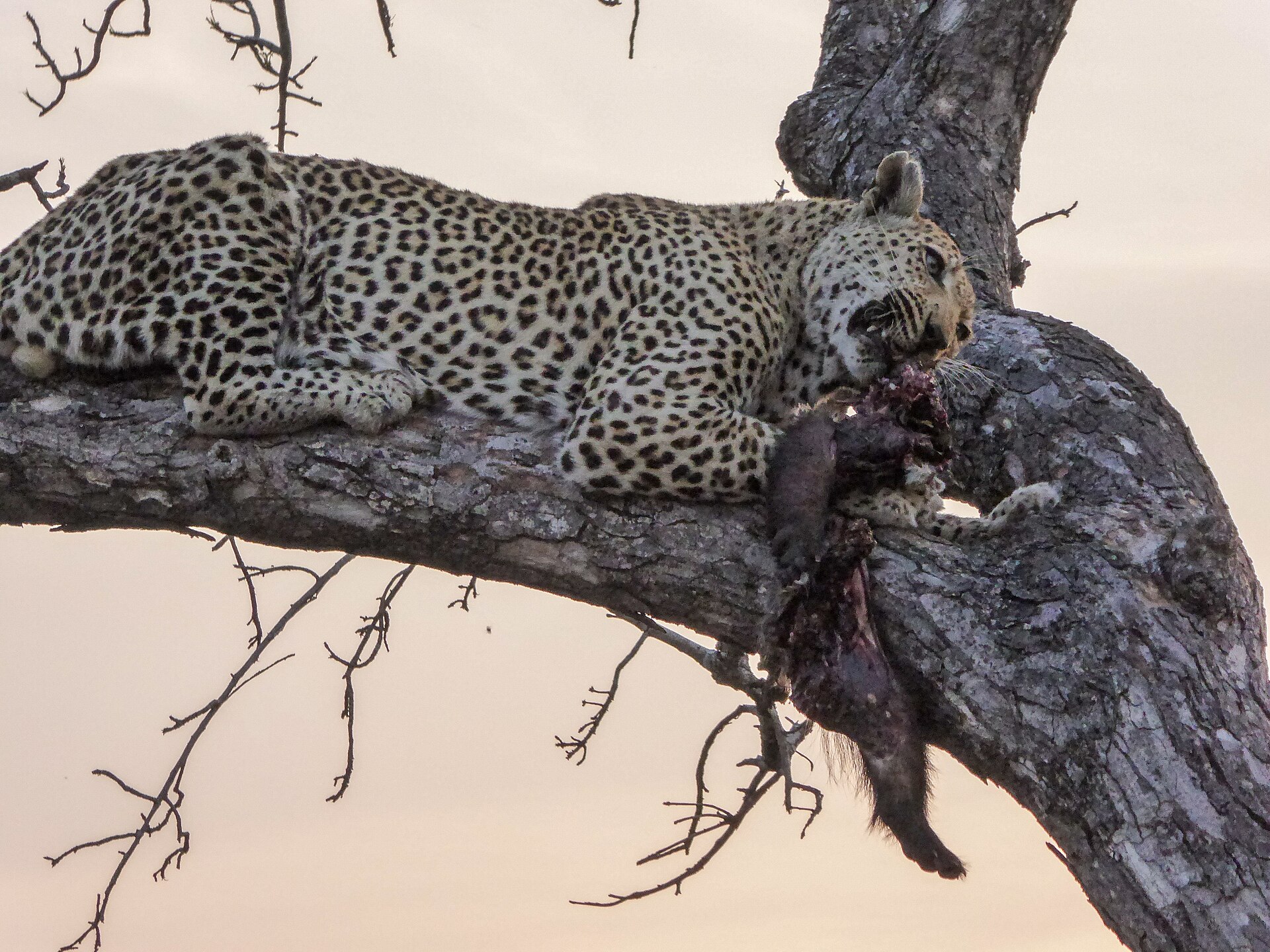
The leopard is what Sabi Sand is famous for. Guides have followed the same leopard families for decades, call each animal by name and know where it sleeps. You see them on the ground, up a tree with a kill, and at night under the spotlight. The reserve has 145 mammal species and 500 bird species, the same as neighboring Kruger, since nothing separates the two anymore.
Lions live in stable prides that the lodges report to each other by radio, elephants and buffalo pass through in herds, and hippos hold the pools of the Sabie and Sand rivers. White rhinos are becoming scarce, and wild dogs only pass through, with packs coming in from Kruger.
| Species | J | F | M | A | M | J | J | A | S | O | N | D | Note |
|---|---|---|---|---|---|---|---|---|---|---|---|---|---|
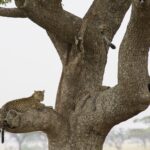 Leopard | peak season | peak season | peak season | peak season | peak season | peak season | peak season | peak season | peak season | peak season | peak season | peak season | the reserve's signature animal, tracked by the guides from one drive to the next |
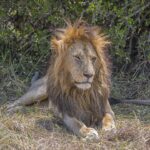 Lion | peak season | peak season | peak season | peak season | peak season | peak season | peak season | peak season | peak season | peak season | peak season | peak season | stable prides, followed from lodge to lodge |
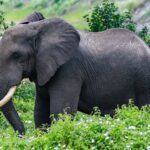 Elephant | peak season | peak season | peak season | peak season | peak season | peak season | peak season | peak season | peak season | peak season | peak season | peak season | herds moving between the reserve and Kruger |
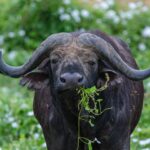 Buffalo | peak season | peak season | peak season | peak season | peak season | peak season | peak season | peak season | peak season | peak season | peak season | peak season | large herds in the dry season |
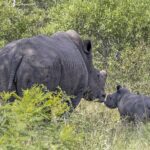 White rhinoceros | possible | possible | possible | possible | possible | possible | possible | possible | possible | possible | possible | possible | fewer and fewer, often dehorned |
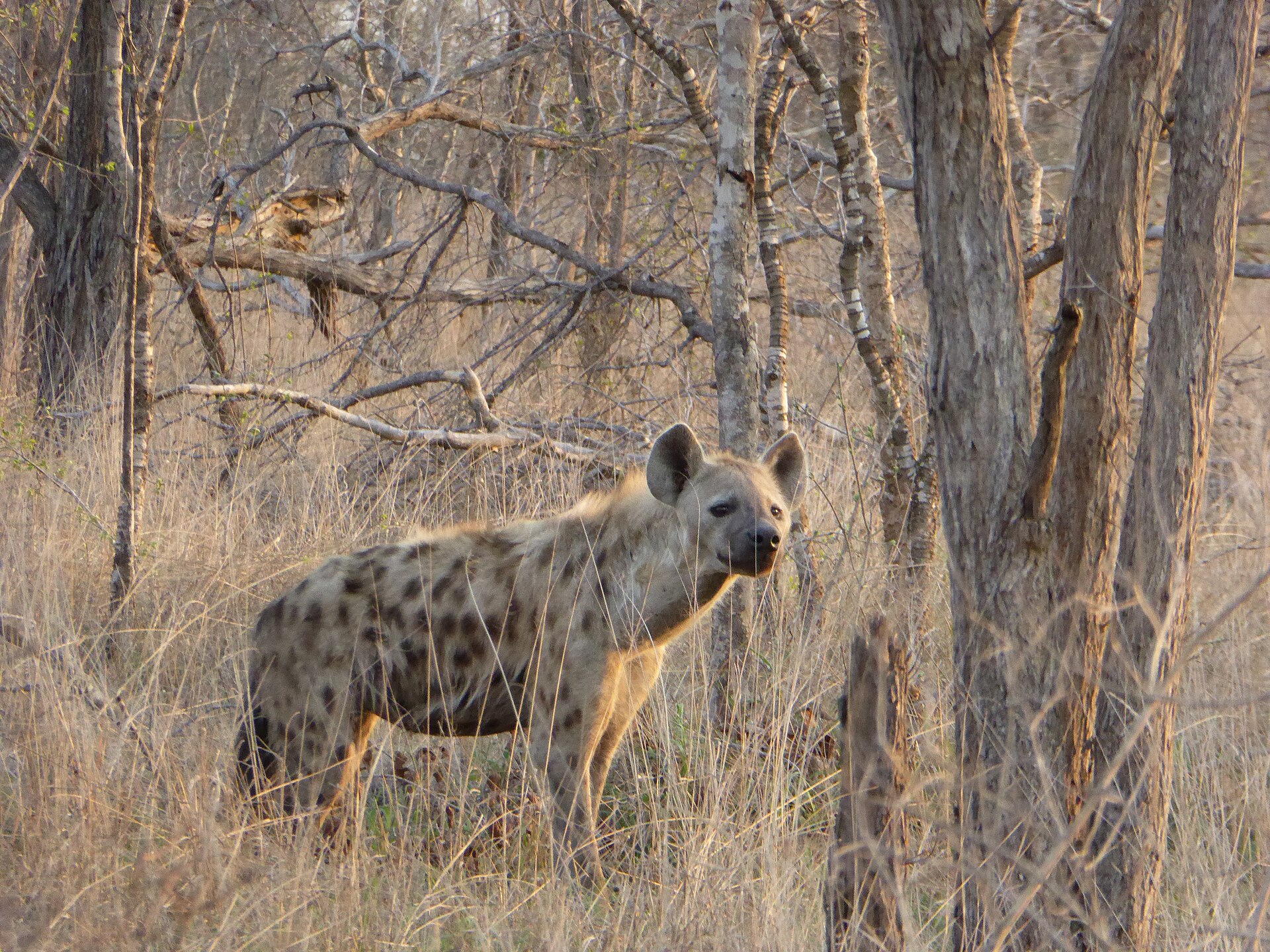
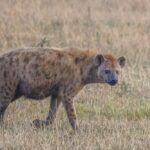 Spotted hyena | peak season | peak season | peak season | peak season | peak season | peak season | peak season | peak season | peak season | peak season | peak season | peak season | around leopard kills, at night |
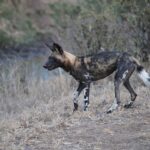 African wild dog | possible | possible | possible | possible | possible | possible | possible | possible | possible | possible | possible | possible | passing through, packs coming in from Kruger |
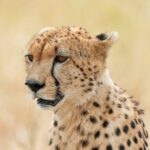 Cheetah | possible | possible | possible | possible | possible | possible | possible | possible | possible | possible | possible | possible | rare, open areas |
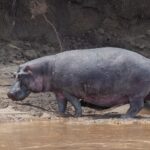 Hippopotamus | peak season | peak season | peak season | peak season | peak season | peak season | peak season | peak season | peak season | peak season | peak season | peak season | pools in the Sabie and Sand rivers |
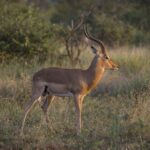 Impala | peak season | peak season | peak season | peak season | peak season | peak season | peak season | peak season | peak season | peak season | peak season | peak season | everywhere, births in November and December |
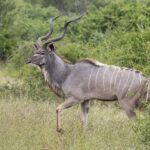 Greater kudu | peak season | peak season | peak season | peak season | peak season | peak season | peak season | peak season | peak season | peak season | peak season | peak season | thickets and riverbanks |
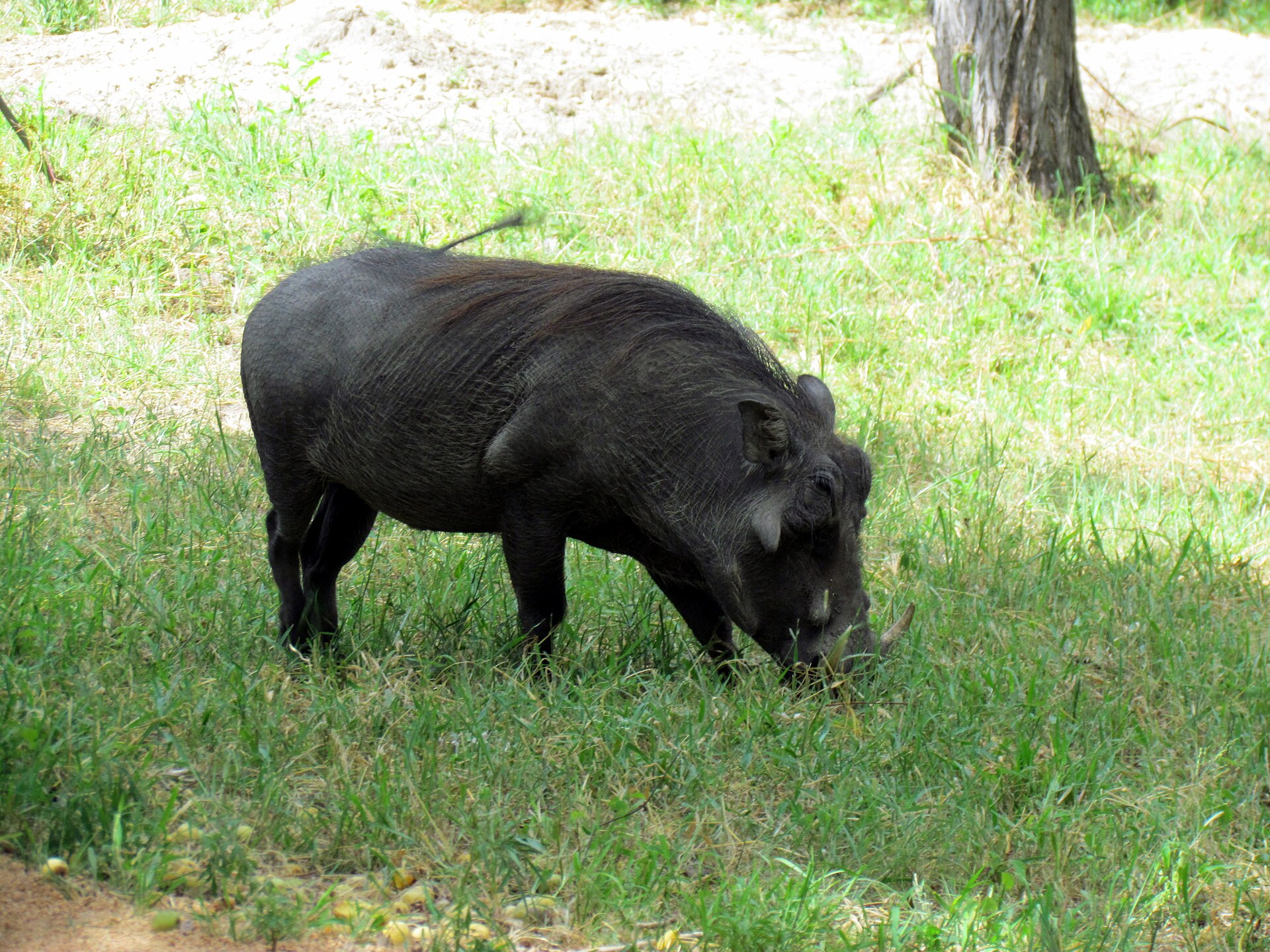
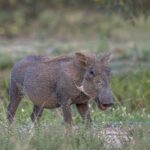 Warthog | peak season | peak season | peak season | peak season | peak season | peak season | peak season | peak season | peak season | peak season | peak season | peak season | clearings and lodge lawns |
 Plains zebra | possible | possible | possible | possible | possible | possible | possible | possible | possible | possible | possible | possible | open areas |
| South African giraffe | peak season | peak season | peak season | peak season | peak season | peak season | peak season | peak season | peak season | peak season | peak season | peak season | acacia bush |
peak seasonpossiblerare
What is a safari like in Sabi Sand?
You stay at a lodge set on its own concession and go out twice a day in an open 4x4, with a guide at the wheel and a tracker sitting up front. The morning drive leaves before sunrise, and the evening drive carries on after dark under a spotlight. Vehicles leave the tracks to approach an animal and stop a few meters away.
In between, the hot hours are yours to rest, walk in the bush with an armed ranger or have lunch facing the lodge waterhole. The nightly rate covers the drives, meals and the transfer from the gate or the airstrip.
When to go to Sabi Sand?
idealgoodnot recommended
From May to October, the dry season thins out the bush and draws the animals to the Sand River and the waterholes. Nights are cool, mornings clear, and the malaria risk drops to its lowest. Lodges book up far ahead for these months.
From November to April, the rains turn everything green, impalas give birth and migrant birds arrive. Storms break in the late afternoon, and the mornings after are clear. December, January and February are the wettest months, and malaria is transmitted then, with preventive medication recommended.
How to get to Sabi Sand?
Skukuza airport, inside Kruger, is the closest: Airlink flies in from Johannesburg in one hour and from Cape Town in 2 hours 25 minutes, and the lodges pick you up there. Kruger Mpumalanga airport, near Nelspruit, also has daily Airlink and FlySafair flights, an hour and a half by road from the southern gates.
By road, allow 500 km and six hours from Johannesburg on the N4, then via Hazyview to Shaw's Gate in the south, or Newington Gate in the west. Gowrie Gate, in the north, serves the concessions along the Sand River. All three gates are open from 5 a.m. to 10 p.m.
Stay in Hazyview
Where to stay near Sabi Sand?
Hotels, apartments and rooms around Hazyview, with current prices.
Which hotels to choose near Sabi Sand?
How did Sabi Sand go from hunting farms to South Africa's first private reserve?
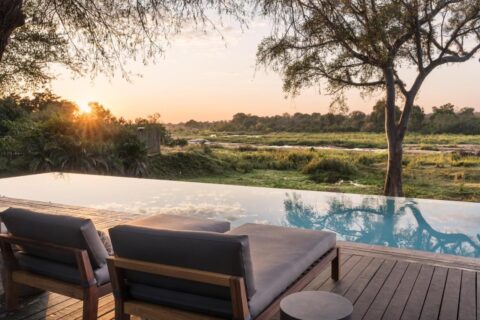
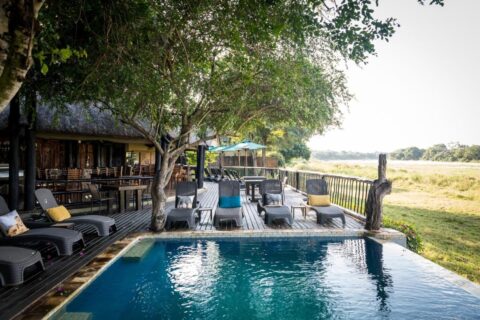
The name comes from two rivers, the Sabie in the south and the Sand, which runs through the reserve. The land was made up of hunting farms when their owners joined forces in 1948 to found South Africa's first private reserve, covering about 650 km². Each family kept its concession, which gave rise to today's lodges, such as Mala Mala, Londolozi, Sabi Sabi or Singita, more than twenty in all.
In 1993, the last fences with Kruger came down. Since then, the reserve has been part of the same ecosystem as the park, and animals cross from one side to the other without stopping.
Frequently asked questions about Sabi Sand
When is the best time to visit Sabi Sand?
From May to October, in the dry season: the bush is open, the animals stay near water and malaria is at its lowest. Summer, from November to April, is green, hot and stormy, with impala births.
How much is the entry fee for Sabi Sand?
R170 per person per entry at the gate, VAT included, in 2026. Each lodge adds a conservation levy of R310 to R574 per person per night, which pays for anti-poaching patrols. Everything else, drives and meals, is included in the nightly rate.
Can you visit Sabi Sand on a day trip or in your own car?
No. The reserve only admits guests of its lodges, and every drive is in an open 4x4 with a guide. If you want to drive yourself, neighboring Kruger is made for it.
How do you get to Sabi Sand from Johannesburg?
Fly to Skukuza with Airlink in one hour, then take the lodge transfer. By road, it is about 500 km and six hours via the N4 and Hazyview.
Why do you see so many leopards in Sabi Sand?
Because the leopards here have lived alongside vehicles for decades without ever being hunted, and they no longer run from them. The guides know every animal on their concession, and the 4x4s can leave the tracks to follow them.
Is there malaria in Sabi Sand?
Yes, the reserve lies in the part of the Lowveld where malaria is transmitted from September to May. The risk drops sharply in the dry season, from May to October, without ever disappearing, and preventive medication is still recommended.
Our tip
Book three nights: six 4x4 drives, at dawn and dusk, are usually enough to see the Big Five. The nightly rate includes drives and meals, and you pay the conservation levy on site.
Other parks nearby
 South AfricaNational park
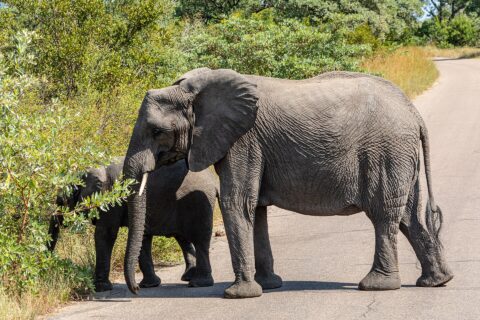
Kruger National Park
Northeastern South Africa South AfricaGame reserve
Hluhluwe-iMfolozi Park
KwaZulu-Natal South AfricaNational park