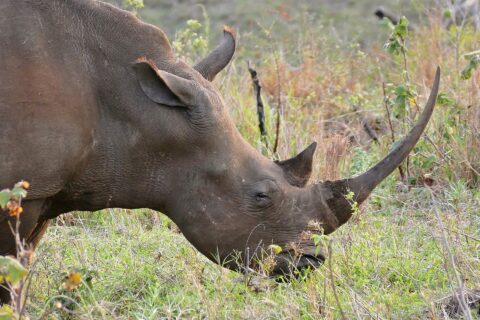
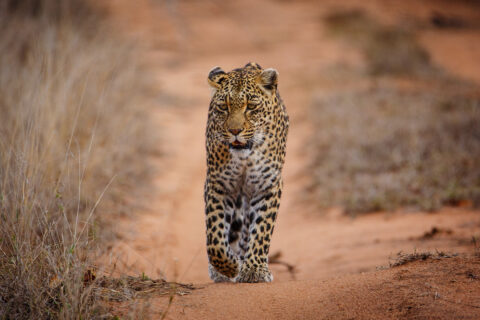
South Africa is the country for the safari you plan yourself, in a rental car, with three malaria-free parks. In Kruger, your car covers 19,623 km² of bush, with the full Big Five. At Sabi Sand, you see leopards a few meters away, and Hluhluwe-iMfolozi holds one in ten of the world's white rhinos.
Why go on safari in South Africa?
In South Africa, you plan the safari yourself. A rental car is enough, the park roads are paved and fenced camps put you up inside the parks. With 19,623 km² and the full Big Five, Kruger welcomed nearly 2 million visitors in 2024. Next door, private reserves such as Sabi Sand offer the other kind of safari, from a lodge in an open 4x4, with the most habituated leopards on the continent. The country also holds most of the world's white rhinos, saved at Hluhluwe-iMfolozi. Three of its parks are malaria-free, which matters with young children.
Where to go on safari in South Africa?
Four regions share the parks, hours of driving apart. The northeast, the Lowveld, comes first. You explore Kruger by car, with the Big Five, and Sabi Sand, right next to the park, shows you leopards off-road from a lodge. A first trip spends a week there.
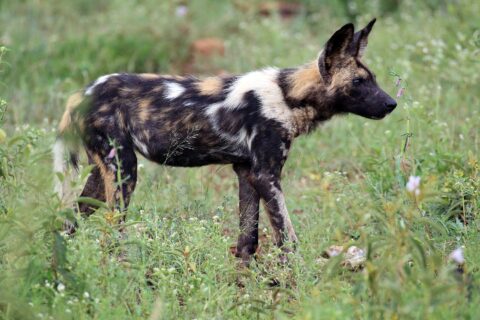
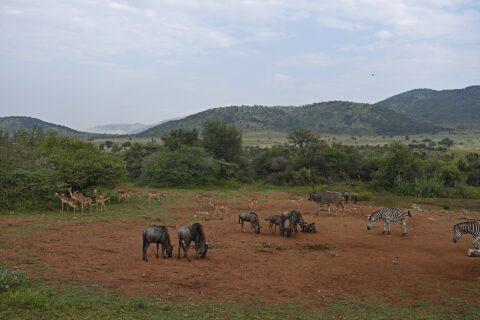
The northwest suits travelers short on time or traveling with children, since it is malaria-free and a few hours from Johannesburg. Pilanesberg gathers the Big Five inside an ancient volcano, and you can drive it yourself. Madikwe, on the Botswana border, is lodge-only and owes its reputation to its wild dogs.
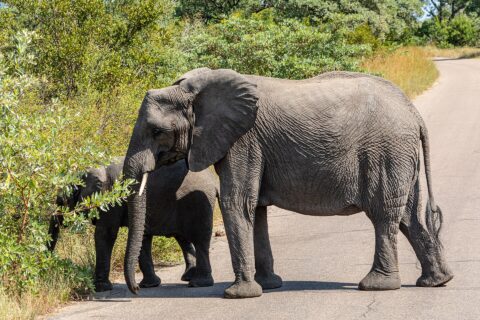
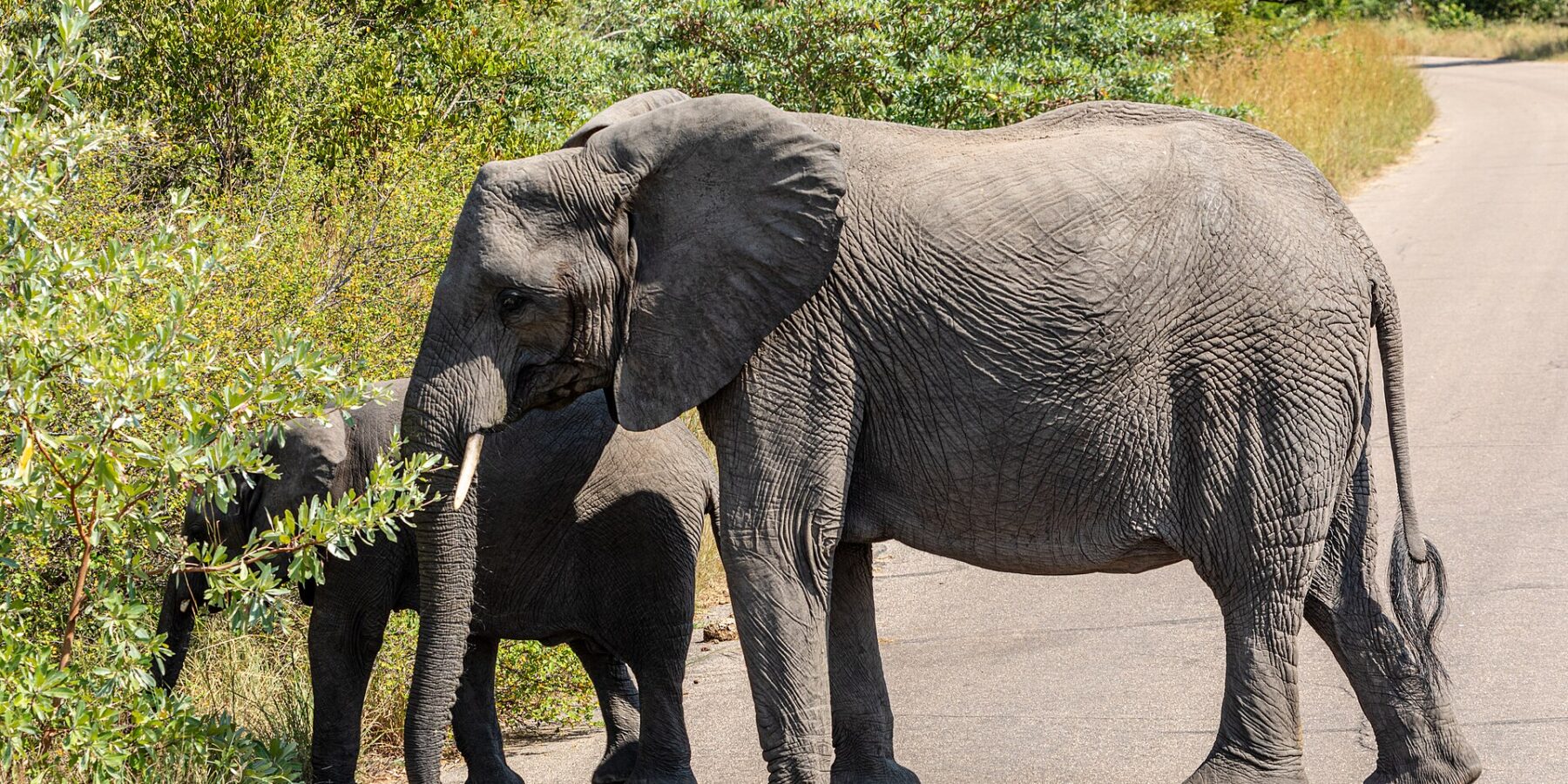
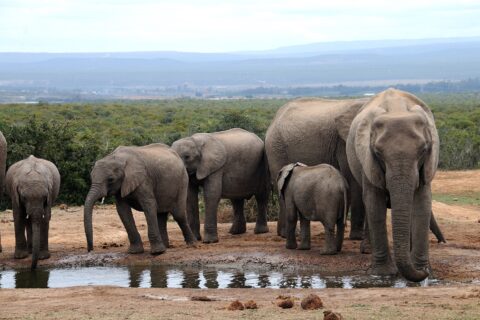
KwaZulu-Natal adds the green hills of Zululand and Hluhluwe-iMfolozi, the white rhino park, with the Indian Ocean an hour away. The Eastern Cape ends the Garden Route with Addo and its elephants, an hour from Gqeberha and also outside the malaria zone. From Johannesburg, each region is an hour or two away by plane, or half a day by road.
When is the best time to go on safari in South Africa?
The seasons are the reverse of the Northern Hemisphere's, and you go on safari during the southern winter, from May to September. The bush loses its leaves, the grass is short, and the animals come to drink at the rivers, where you only have to wait for them. Mornings are cold, especially in the northwest, under cloudless skies. From October to April, summer brings back the heat, late-afternoon storms and thick vegetation that hides the animals. In return, impalas give birth in November and migratory birds arrive. Malaria is then transmitted in the Lowveld, from September to May. Southern right whales cruise the coast near Addo from June to November. In December, the South African holidays fill the camps, and Kruger then limits day visitors.
How much does a safari in South Africa cost?
Entry fees come first, per person per day, and they cost less than in East Africa. Allow R692 in Kruger for an international adult, R748 at Pilanesberg, R565 at Addo and R280 a day at Hluhluwe-iMfolozi. The rental car and fuel come next. SANParks camping costs R423 to R551 a night at Skukuza, and a bungalow for two R2,220. Lodges in Sabi Sand or Madikwe include game drives and meals. They add a conservation fee, R520 a night at Madikwe and R310 to R574 at Sabi Sand. Then come domestic flights, from R753 to Gqeberha to R1,987 to Skukuza one way. A Wild Card, R4,680 a year for all SANParks parks, pays for itself from one week in Kruger.
What do you need before a safari in South Africa?
French citizens enter without a visa for a tourist stay of under three months. Your passport must remain valid for one month after departure, with two blank pages. No vaccine is required, except yellow fever if you arrive from an area where the disease is present. Malaria only affects the Lowveld, Kruger and Sabi Sand, and at a low level northern KwaZulu-Natal, from September to May. Bring preventive treatment and repellent there. In the parks, you stay in the car outside the camps and designated areas, and the gates close at nightfall. Outside the parks, crime is high. Avoid downtown Johannesburg, drive by day and keep the windows closed in town. Travel advisories call for increased caution across the whole country.
 South AfricaNational park