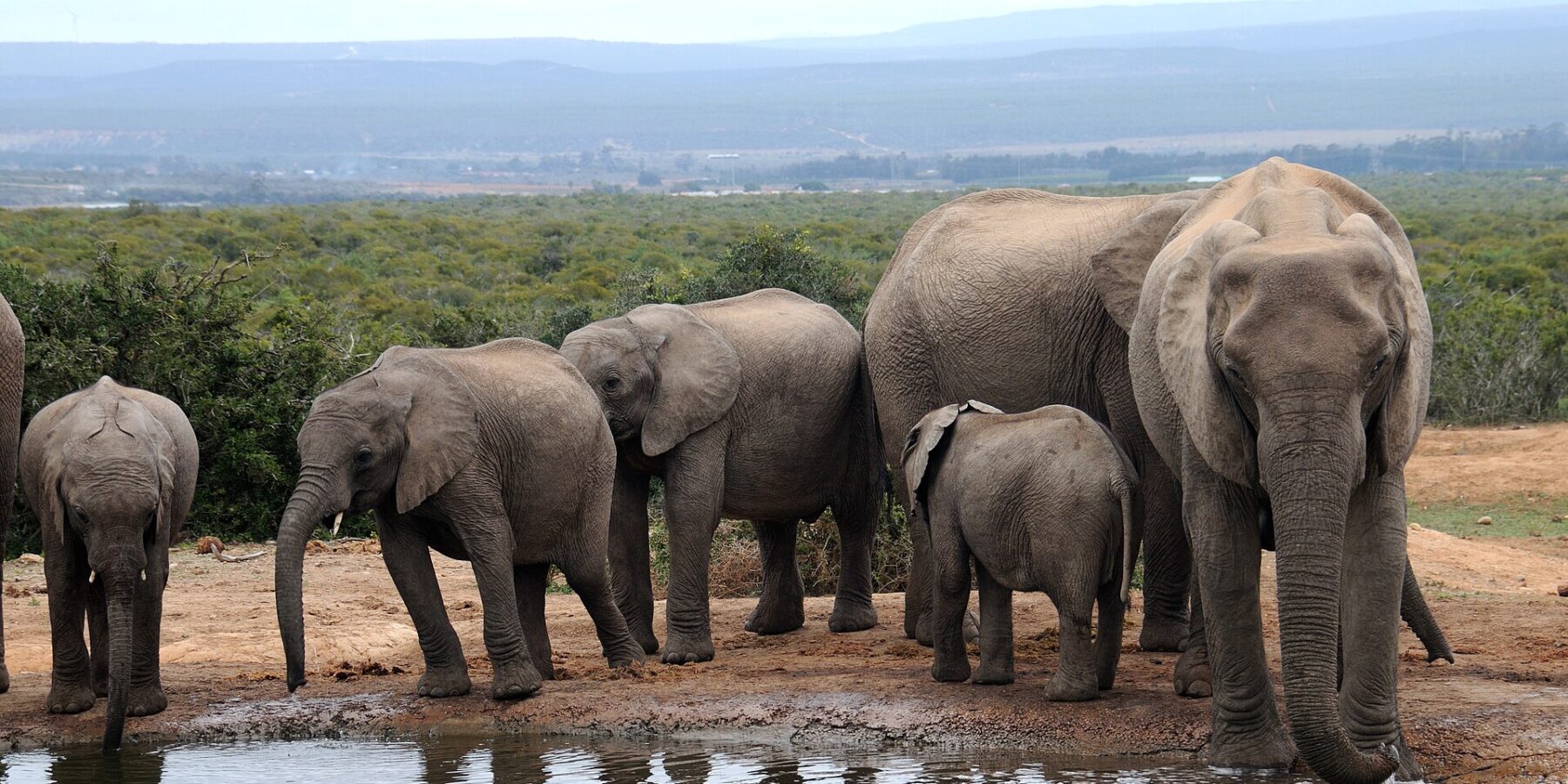
In Addo, a malaria-free park an hour's drive from Gqeberha, you watch more than 600 elephants come to Hapoor waterhole one herd after another. The park was created in 1931 to save the last eleven elephants in the region. Its marine section also protects the world's largest Cape gannet colony.
Why go to Addo?
- More than 600 elephants, which you see by the dozen at Hapoor waterhole and from the main camp
- No malaria, one hour from Gqeberha, at the end of the Garden Route
- The main camp's underground hide, beside a waterhole floodlit at night, open after the roads close
- The Big Five plus the southern right whale and the great white shark offshore: the Big Seven
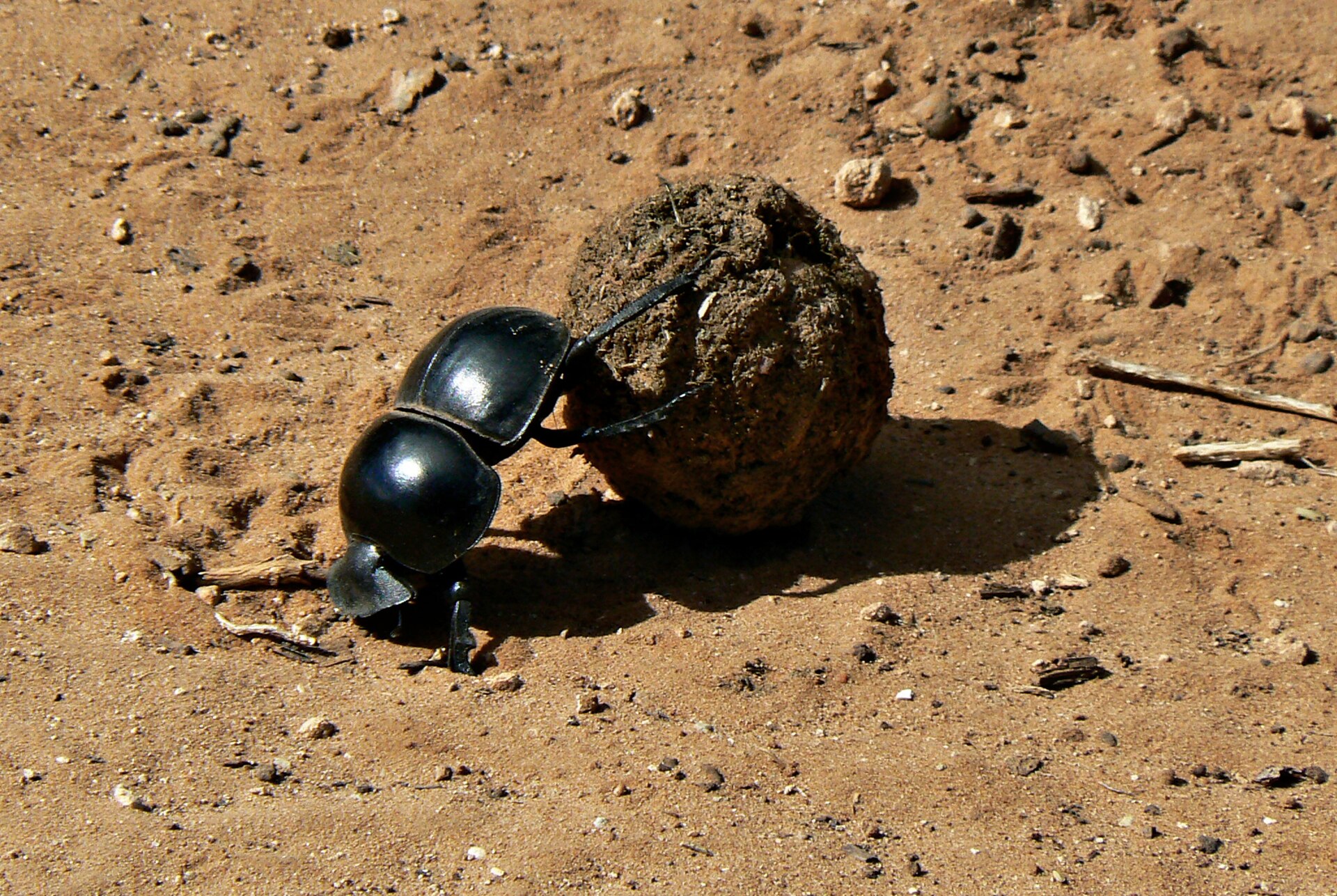
- The flightless dung beetle, a wingless beetle whose largest population in the world lives in the park
Addo in pictures
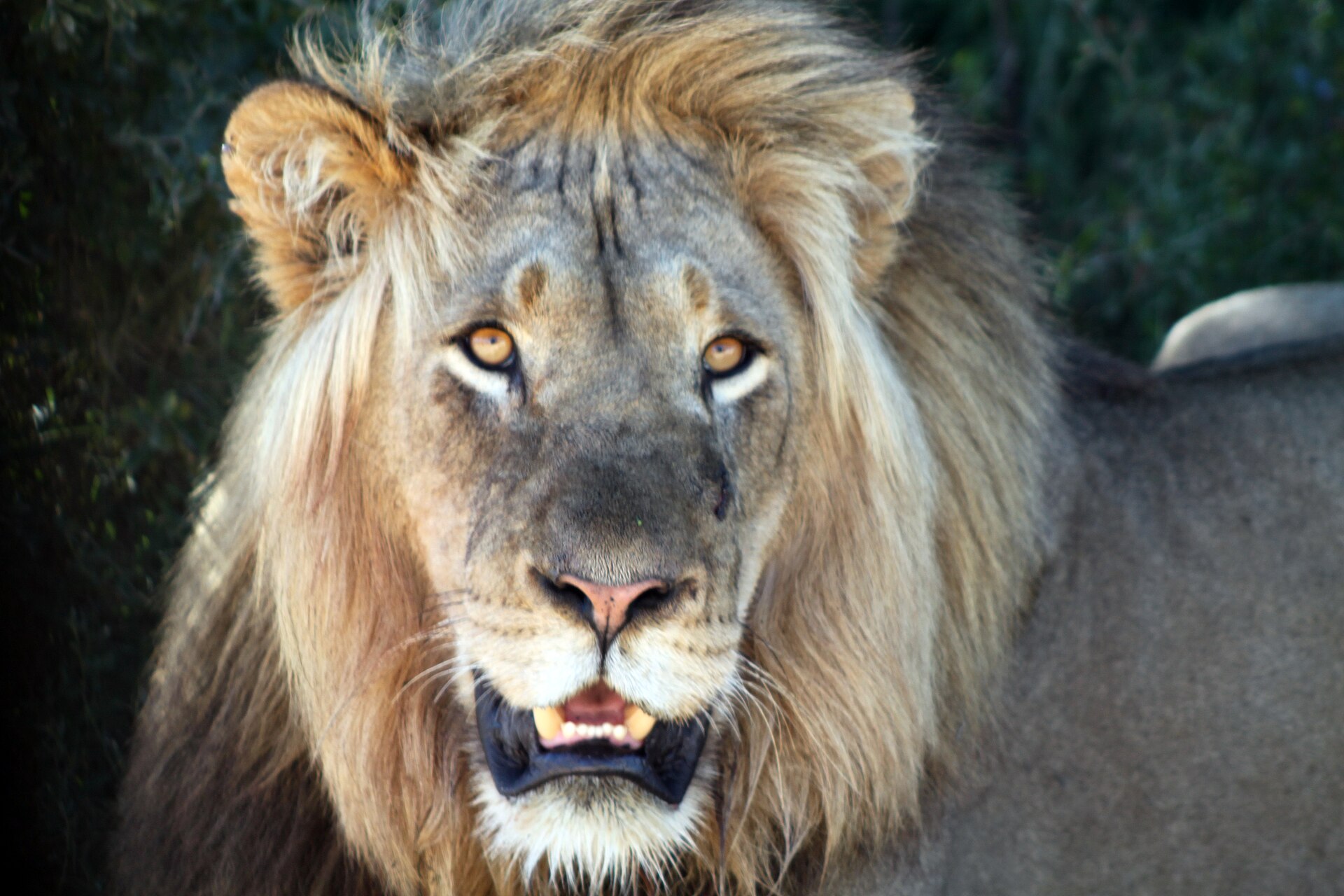
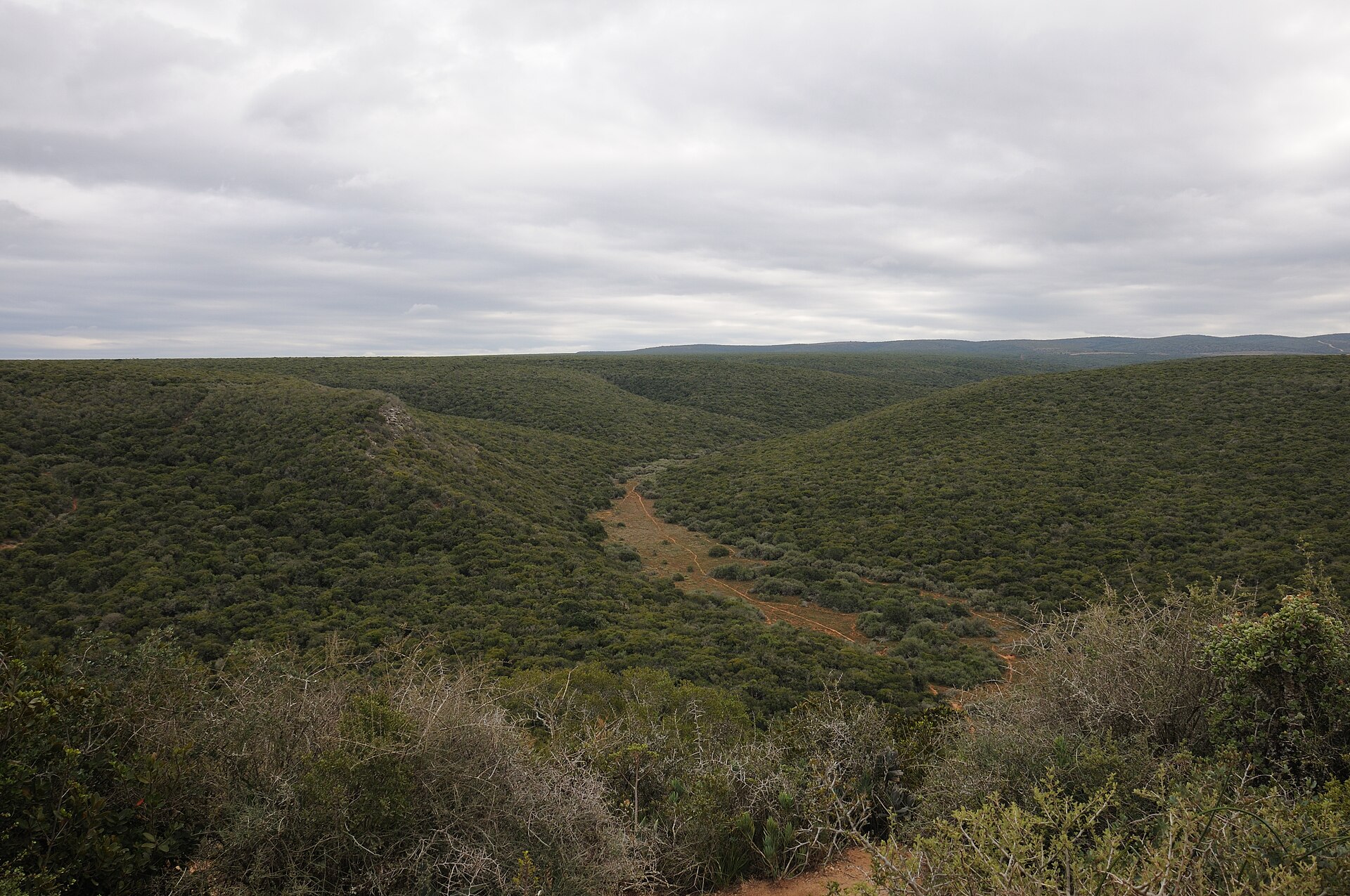
Which animals can you see in Addo?
Elephants are the park's signature animal: more than 600 of them, descended from the eleven survivors of 1931, in a dense shrub thicket they have shaped themselves. You see them mostly at the waterholes, Hapoor above all, where family groups take turns through the hot hours. The 400 Cape buffalo, the lions reintroduced in 2003, spotted hyenas and a small population of black rhinos, more than 48 animals, live alongside them.
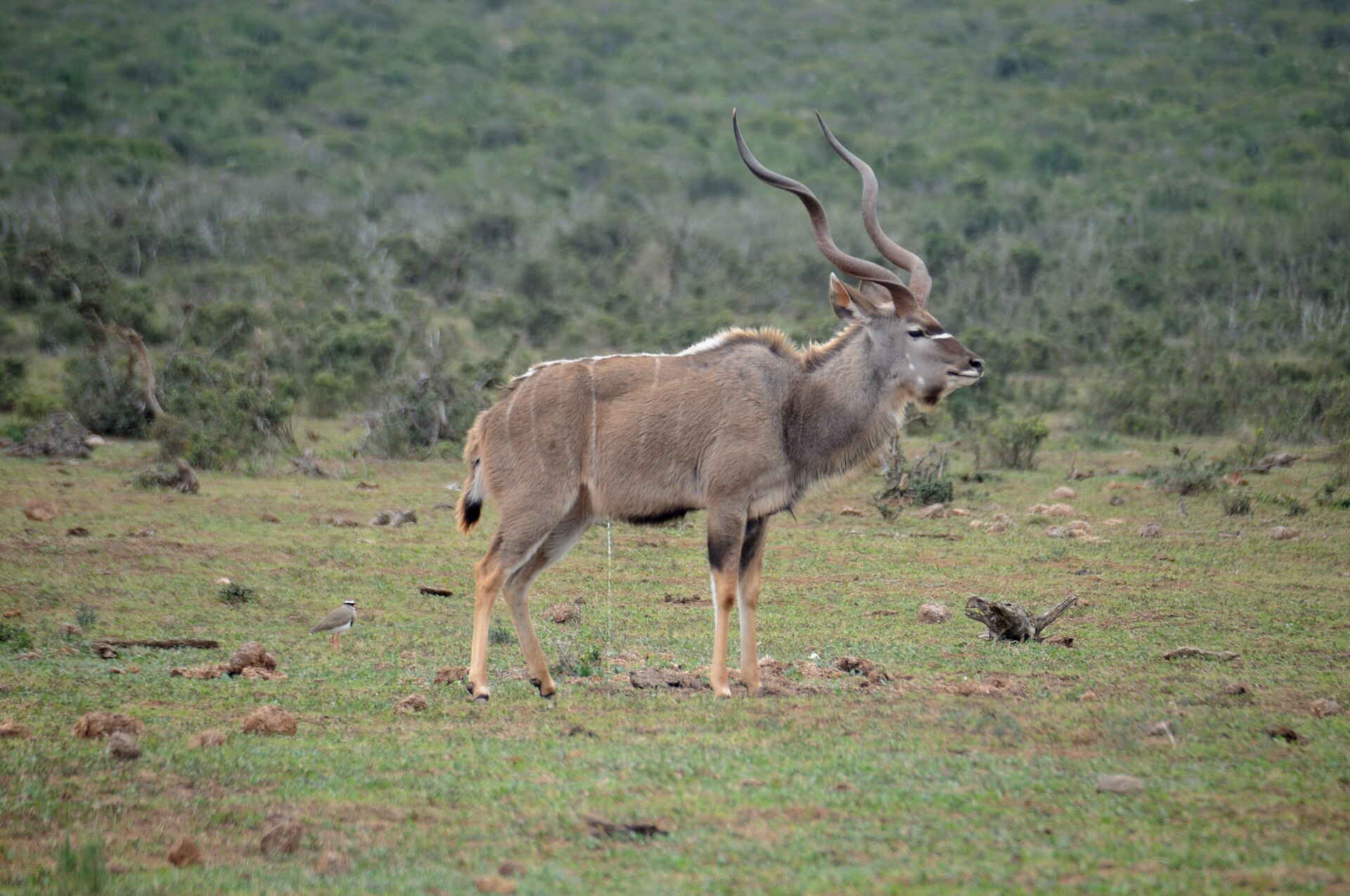
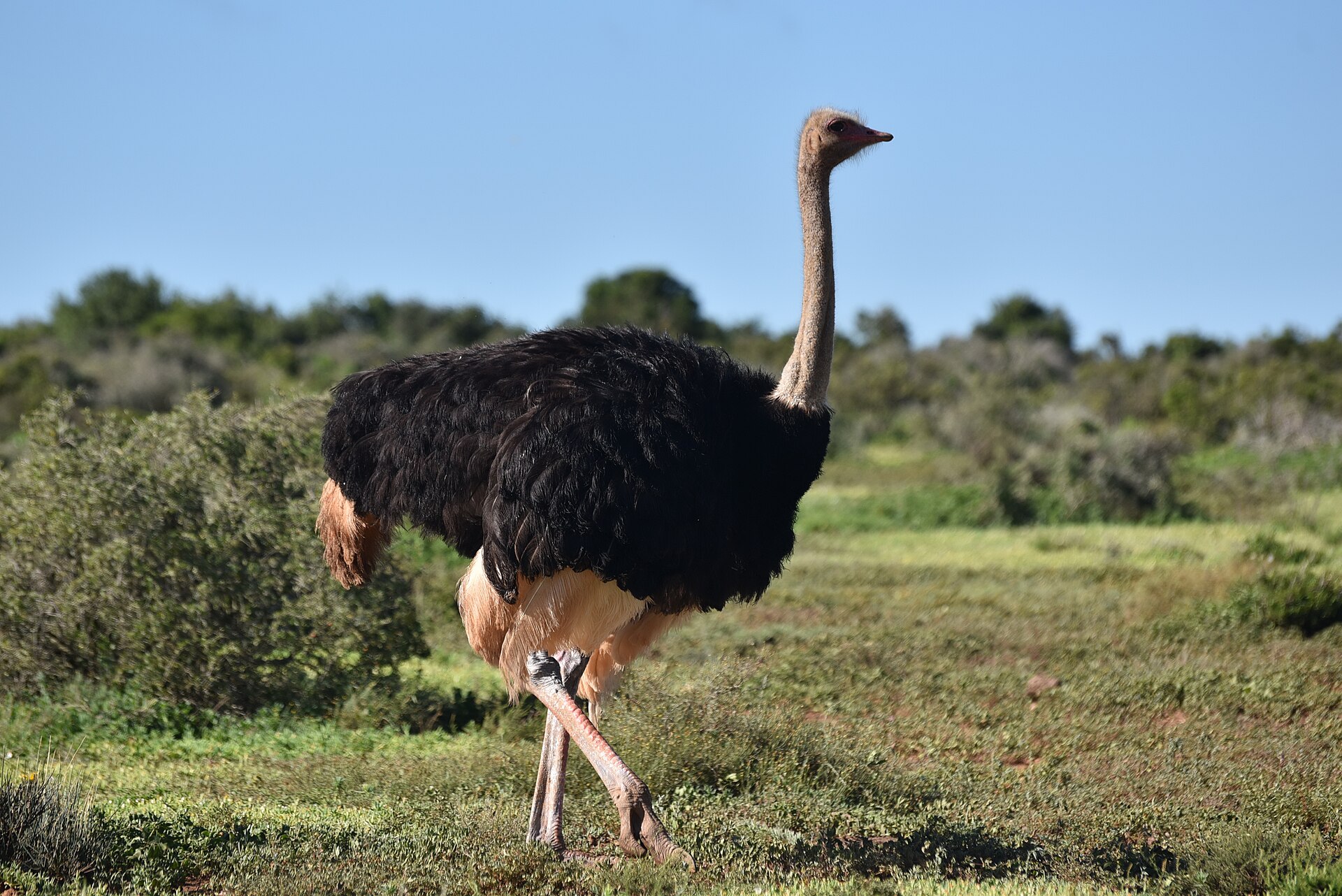
Zebras, greater kudus, red hartebeest, warthogs and ostriches occupy the open areas. The flightless dung beetle, a black beetle that gets around on foot, rolls balls of elephant dung along the roads, and the park holds its largest population in the world. Offshore, the marine section protects the African penguins of St Croix Island, the Cape gannets of Bird Island and the southern right whales that visit from June to November.
| Species | J | F | M | A | M | J | J | A | S | O | N | D | Note |
|---|---|---|---|---|---|---|---|---|---|---|---|---|---|
 Elephant | peak season | peak season | peak season | peak season | peak season | peak season | peak season | peak season | peak season | peak season | peak season | peak season | more than 600 animals, Hapoor and main camp waterholes |
 Buffalo | possible | possible | possible | possible | possible | possible | possible | possible | possible | possible | possible | possible | 400 animals, thickets and waterholes, often at night |
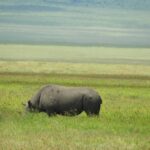 Black rhinoceros | rare | rare | rare | rare | rare | rare | rare | rare | rare | rare | rare | rare | more than 48 animals, in the thickets, rarely seen |
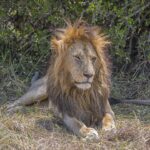 Lion | possible | possible | possible | possible | possible | possible | possible | possible | possible | possible | possible | possible | reintroduced in 2003, few in number |
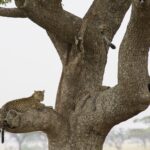 Leopard | rare | rare | rare | rare | rare | rare | rare | rare | rare | rare | rare | rare | very rare |
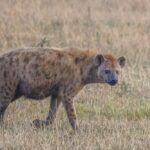 Spotted hyena | possible | possible | possible | possible | possible | possible | possible | possible | possible | possible | possible | possible | at night, around the camp |
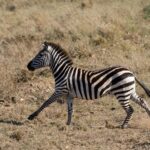 Plains zebra | peak season | peak season | peak season | peak season | peak season | peak season | peak season | peak season | peak season | peak season | peak season | peak season | open areas |
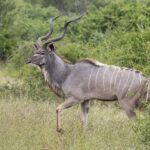 Greater kudu | peak season | peak season | peak season | peak season | peak season | peak season | peak season | peak season | peak season | peak season | peak season | peak season | thickets, by the roadside |
| Red hartebeest | peak season | peak season | peak season | peak season | peak season | peak season | peak season | peak season | peak season | peak season | peak season | peak season | open plains |
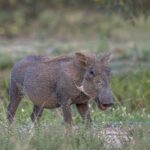 Warthog | peak season | peak season | peak season | peak season | peak season | peak season | peak season | peak season | peak season | peak season | peak season | peak season | everywhere, kneeling on the grass |
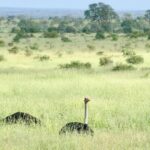 Ostrich | peak season | peak season | peak season | peak season | peak season | peak season | peak season | peak season | peak season | peak season | peak season | peak season | open plains |
| Flightless dung beetle | peak season | peak season | peak season | possible | possible | rare | rare | rare | possible | peak season | peak season | peak season | on the roads, in elephant dung, especially in summer after rain |
| Southern right whale | rare | rare | rare | rare | rare | possible | peak season | peak season | peak season | peak season | possible | rare | Algoa Bay, by boat from Gqeberha |
| African penguin | peak season | peak season | peak season | peak season | peak season | peak season | peak season | peak season | peak season | peak season | peak season | peak season | St Croix Island, by boat from Gqeberha |
| Cape gannet | peak season | peak season | peak season | peak season | peak season | peak season | peak season | peak season | peak season | peak season | peak season | peak season | Bird Island, more than 160,000 birds |
peak seasonpossiblerare
What is a safari like in Addo?
You drive yourself on paved loops and dirt tracks between the main camp in the north and Matyholweni Gate in the south, 36 km of park apart. The main camp has a restaurant, chalets, a campsite, a pool for overnight guests only and an underground hide beside a waterhole floodlit at night, open after the roads close. Guided drives in open 4x4s leave the camp in the morning, at sunset and at night.
An accredited guide can also ride in your car for the day, and two-hour horseback rides leave the camp at 8:30 a.m. and 2 p.m. You explore the Zuurberg Mountains, to the north, on foot, and the coast, with the Alexandria dunes, from the Woody Cape section.
When to go to Addo?
idealgoodnot recommended
You can visit the park at any time without malaria medication, and the Eastern Cape climate stays temperate. Winter, from June to September, is dry and cool, with cold mornings and mild days: elephants come to drink in numbers and southern right whales travel along the coast. Summer, from December to February, is hot and draws South African vacationers.
The rain, spread across the year, does not affect the paved roads. For elephants, aim for the hot midday hours, when the herds come down to the waterholes, and for early evening at the camp hide.
How to get to Addo?
Gqeberha is the gateway: its airport has daily flights from Johannesburg, taking 1 hour 35 minutes to 1 hour 45 minutes, and from Cape Town. From there, the N2 and then the R335 take you to the main camp in 72 km, about one hour. The other entrance, Matyholweni, is 40 km from the city, right beside the N2 at Colchester, and a 36 km road crosses the park to the main camp.
If you are coming from Cape Town along the Garden Route, Addo is the last stop before your flight home from Gqeberha, a few hours' drive from Plettenberg Bay.
Stay in Addo
Where to stay near Addo?
Hotels, apartments and rooms around Addo, with current prices.
Why did Addo start with eleven elephants in 1931?
In the early 20th century, elephants in the Sundays River Valley were wrecking farms, and the government hired a professional hunter to wipe them out. Between 1919 and 1920, he killed almost all of them, and sixteen animals were left when public pressure stopped the slaughter. The park was created in 1931 to protect the eleven elephants that remained.
An elephant-proof fence then allowed the herd to grow. It now numbers more than 600 animals, and the park has expanded to 1,640 km², toward the Zuurberg Mountains and the coast, with plans for a Greater Addo of 3,600 km².
What are the Big Seven of Addo and Algoa Bay?
Since 2019, the park has included a 1,200 km² marine protected area in Algoa Bay. Bird Island is home to the world's largest Cape gannet colony, more than 160,000 birds, and St Croix and Bird islands together hold nearly 30% of the African penguins left in South Africa. Southern right whales come into the bay from June to November, great white sharks frequent it, and the park speaks of the Big Seven: the Big Five, plus the whale and the shark.
Penguin numbers on St Croix are falling, though, from 8,500 pairs in 2016 to 1,200 in 2021, because of ship noise and oil spills in the bay.
Frequently asked questions about Addo
When is the best time to visit Addo?
You can visit the park malaria-free at any time of year. Winter, from June to September, is dry and cool, with elephants at the waterholes and southern right whales offshore. Summer is hot, and the South African holidays fill the camp.
How much is the entry fee for Addo Elephant National Park?
R565 per international adult per day and R283 per child aged 2 to 11, from November 1, 2026. The Wild Card, the SANParks annual pass at R4,680 for an international visitor, also covers Addo.
Can you drive yourself around Addo without a guide?
Yes, and most visitors do. The main loops are paved, the speed limit is 40 km/h and you stay in the car outside the camp and the hides. An accredited guide can ride with you for the day if you prefer.
How do you get to Addo from Gqeberha?
Take the N2 and then the R335 to the main camp, 72 km and about one hour. Or take the N2 to Colchester and Matyholweni Gate, 40 km away, then drive 36 km through the park at 40 km/h.
Is there malaria in Addo?
No. The Eastern Cape is outside the malaria transmission zone, and no medication is needed in any season. That makes the park suitable for young children and pregnant women.
Can you really see whales and sharks in Addo?
Rarely from land: the park's marine section covers 1,200 km² of Algoa Bay, around Bird and St Croix islands. Boat trips leave from Gqeberha for the penguins, the Cape gannets and, from June to November, the southern right whales. Great white sharks also frequent the bay.
Our tip
Get to Hapoor waterhole around midday, when the heat drives the herds to drink one after another, and end the evening at the main camp's hide. For a first safari with children, Addo is one of the easiest parks in the country: no malaria, paved roads and a one-hour drive from the airport.
Other parks nearby
 South AfricaGame reserve
Hluhluwe-iMfolozi Park
KwaZulu-Natal South AfricaNational park
Pilanesberg National Park
Northwestern South Africa South AfricaGame reserve