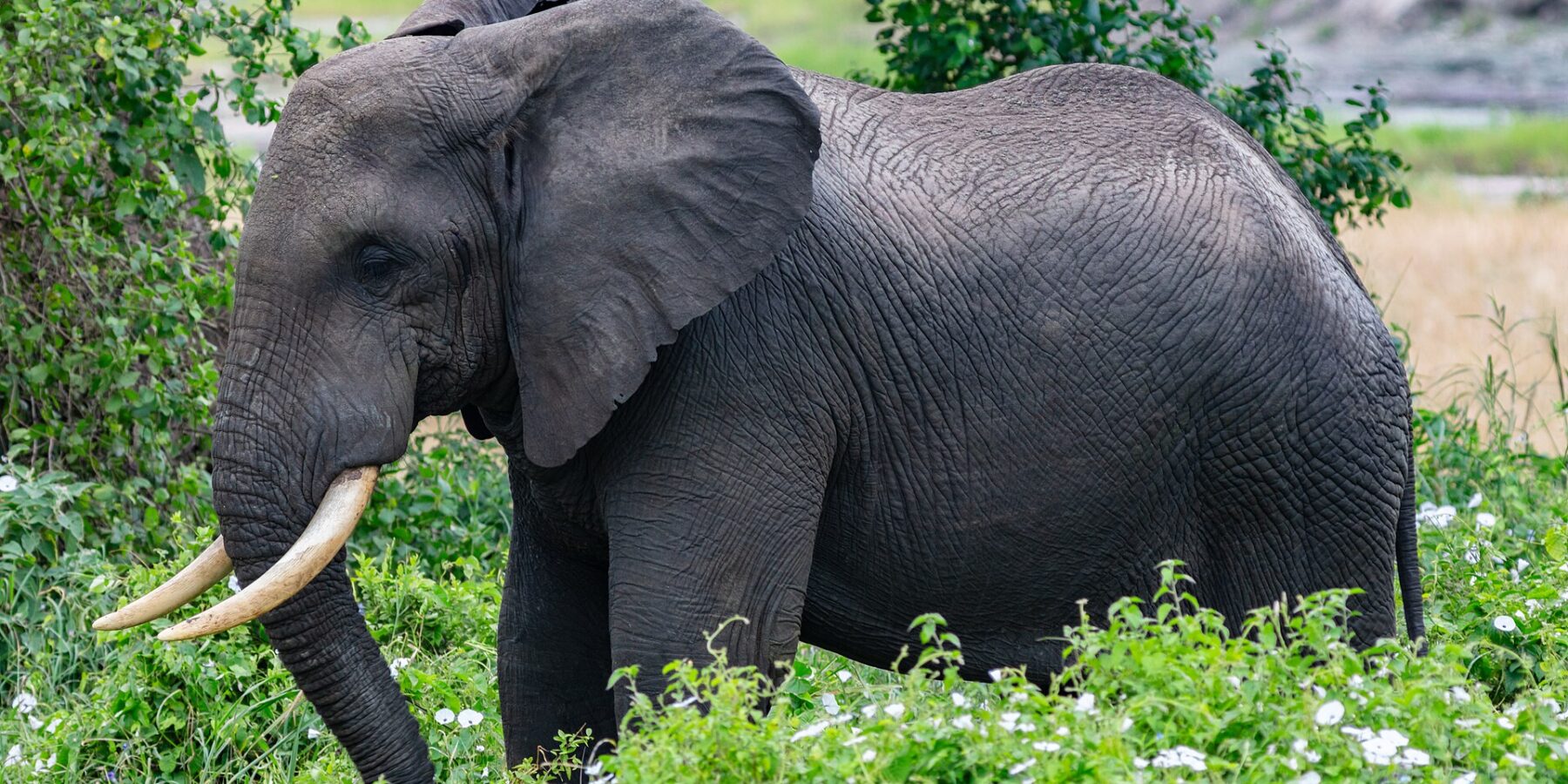
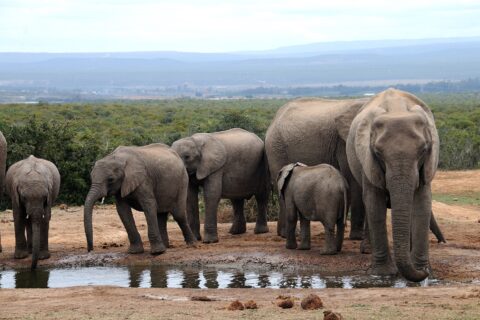
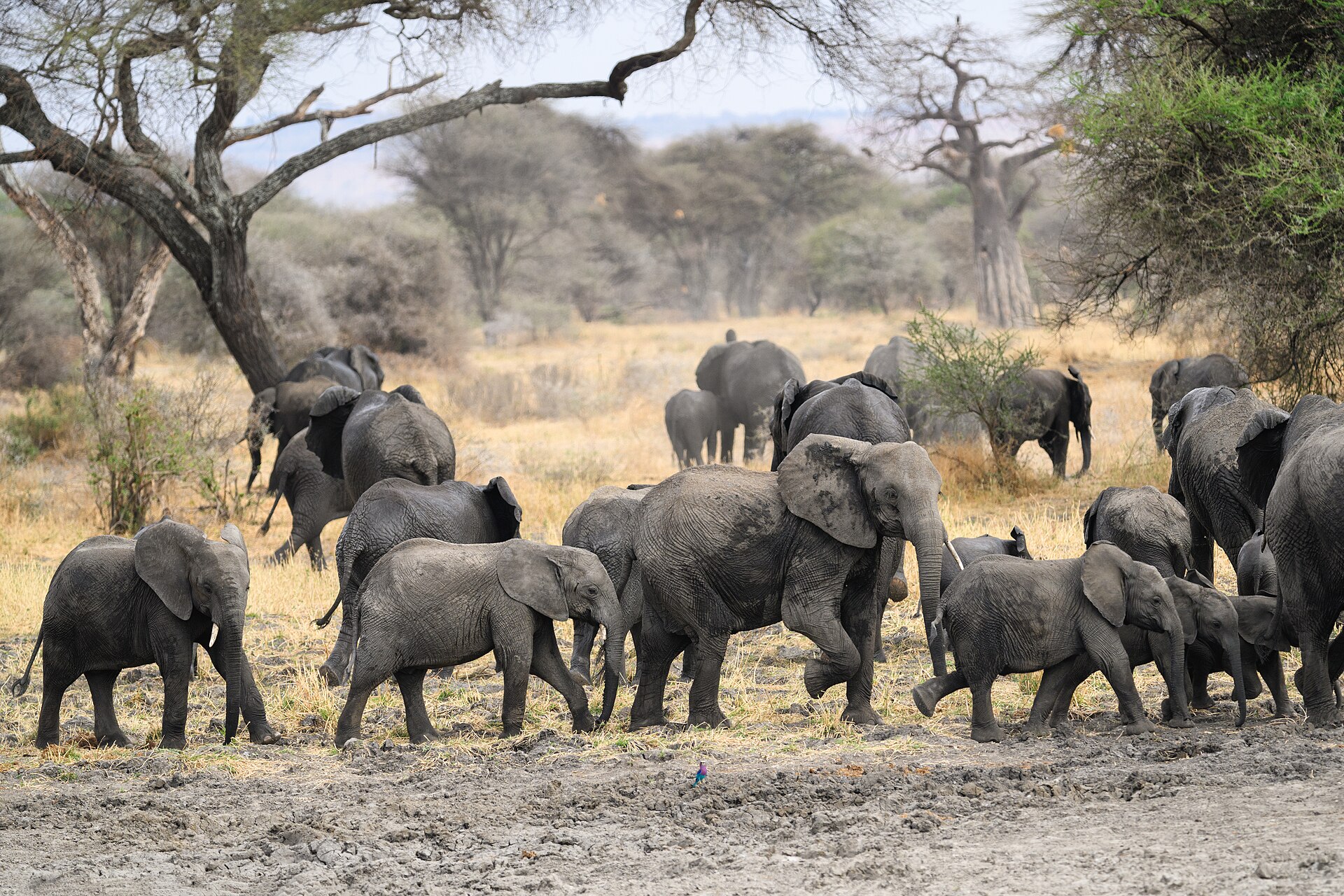
From June to October, the elephants of Tarangire, in Tanzania, come down to the river by the hundreds. In Kenya, Amboseli's elephants stay in the swamps during the hot hours, and those of Tsavo East reach the waterholes in late morning. Addo, in South Africa, has more than 600, which come to drink at midday.
Where to see the African elephant on safari?
 South AfricaNational park
Addo Elephant National Park
Eastern CapePeak season all year round: more than 600 animals, Hapoor and main camp waterholes
 KenyaNational park
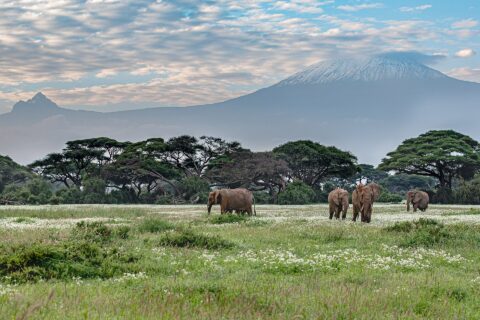
Amboseli National Park
Southern KenyaPeak season all year round: 1,903 animals at the end of 2024, Longinye and Enkongo Narok swamps
 South AfricaGame reserve
Hluhluwe-iMfolozi Park
KwaZulu-NatalPeak season all year round: herds in both sections of the park
 South AfricaNational park
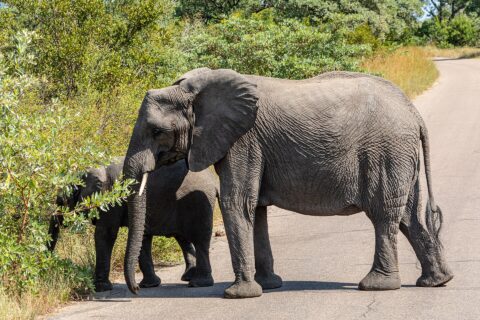
Kruger National Park
Northeastern South AfricaPeak season all year round: throughout the park, in large numbers in the north
 TanzaniaNational park
Lake Manyara National Park
Northern TanzaniaPeak season all year round: forest and lakeshore
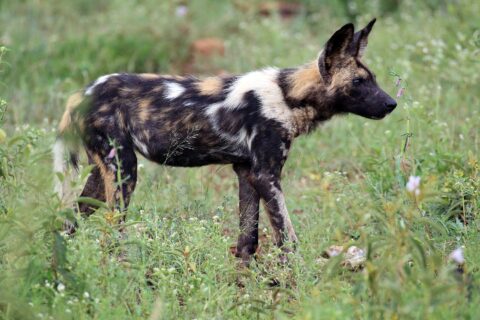 South AfricaGame reserve
Madikwe Game Reserve
Northwestern South AfricaPeak season all year round: more than 1,600 animals, lodge waterholes
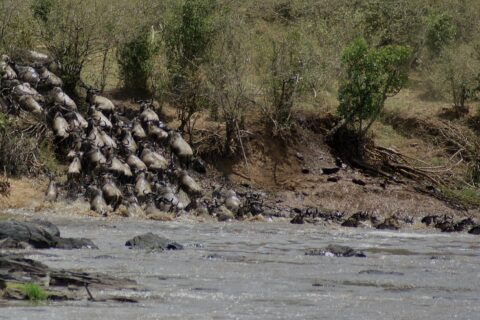 KenyaNational reserve
Masai Mara National Reserve
Southwestern KenyaPeak season all year round: 1,764 counted in 2024, throughout the reserve
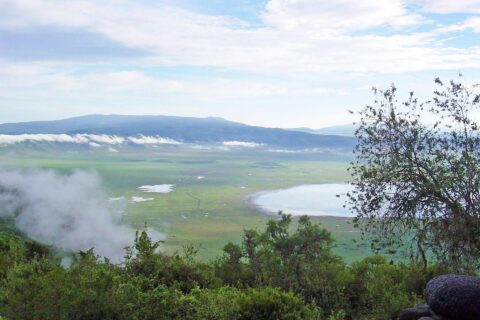 TanzaniaConservation area
Ngorongoro Conservation Area
Northern TanzaniaCan be seen all year round: old bulls in the Lerai Forest, herds in the highlands
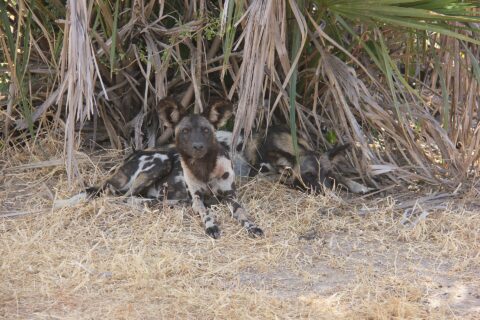 TanzaniaNational park
Nyerere National Park
Southern TanzaniaPeak season from June to October: along the river and the lakes in the dry season
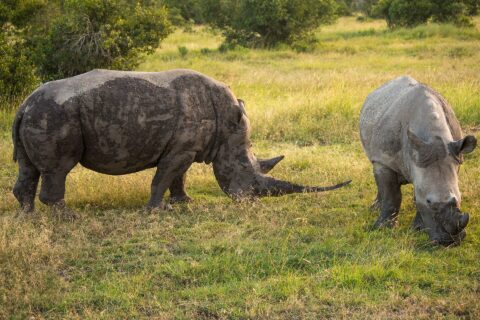 KenyaPrivate reserve
Ol Pejeta Conservancy
Northern KenyaPeak season all year round: acacia woodland and swamps
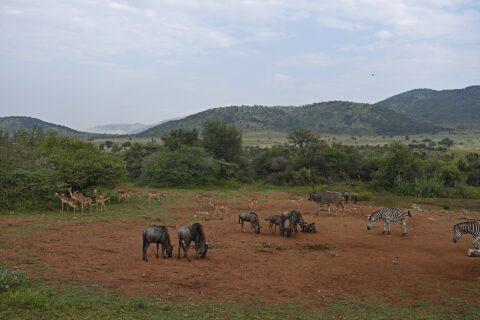 South AfricaNational park
Pilanesberg National Park
Northwestern South AfricaPeak season all year round: the easiest to find, in the valleys
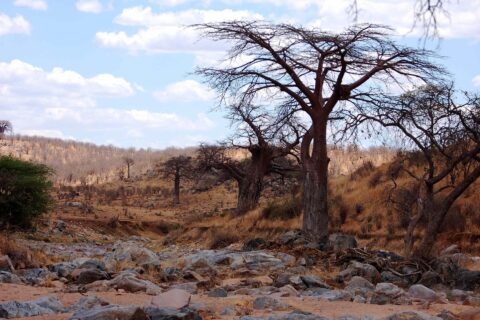 TanzaniaNational park
Ruaha National Park
Southern TanzaniaPeak season from June to October: along the Great Ruaha in the dry season
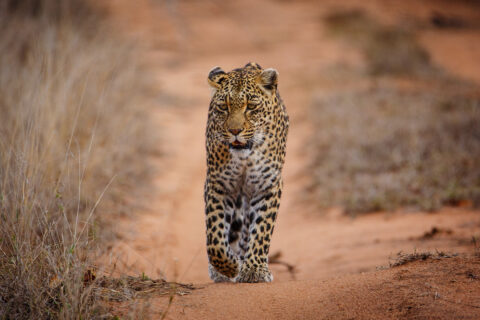 South AfricaPrivate reserve
Sabi Sand Game Reserve
Northeastern South AfricaPeak season all year round: herds moving between the reserve and Kruger
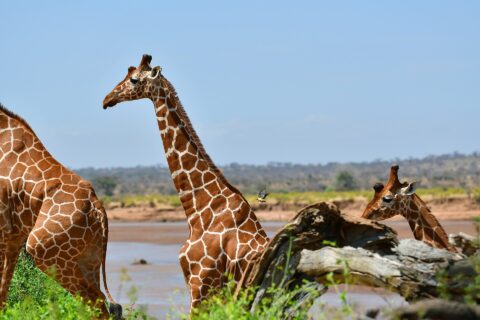 KenyaNational reserve
Samburu National Reserve
Northern KenyaPeak season from June to October and from December to March: at the river at midday, especially in the dry season
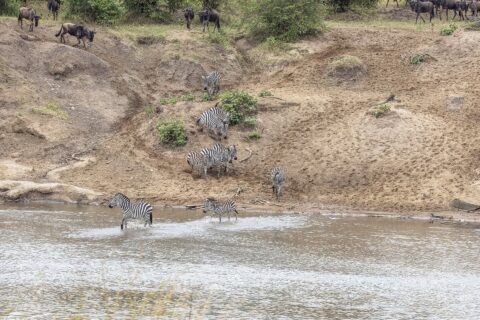 TanzaniaNational park
Serengeti National Park
Northern TanzaniaPeak season all year round: throughout the park
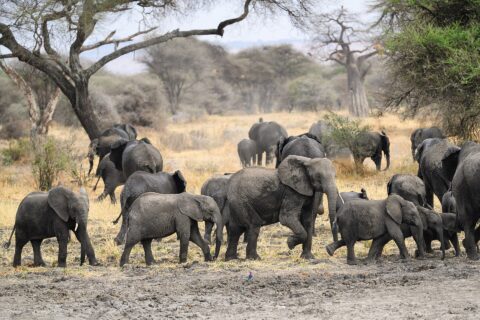 TanzaniaNational park
Tarangire National Park
Northern TanzaniaPeak season from June to October: Tarangire River and Silale Swamp, in the dry season
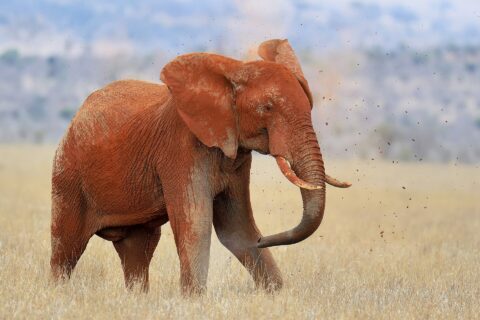 KenyaNational park
Tsavo East National Park
Southern KenyaPeak season all year round: Galana, Aruba Dam and the Voi waterholes, in single file in the dry season
How do you identify an African elephant?
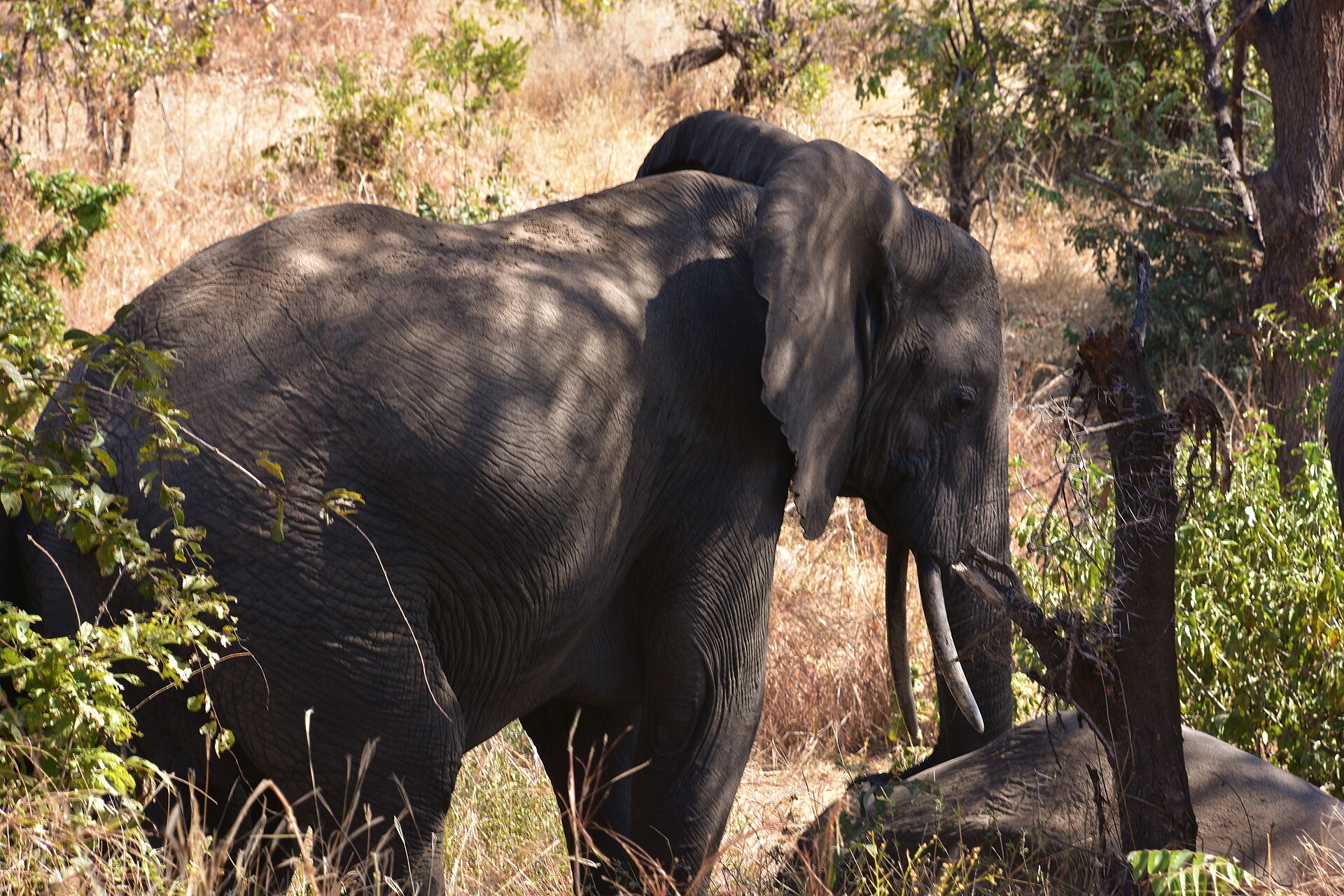
You can't mistake it for any other animal, but two details tell you who you are looking at. Males reach 3 to 4 meters at the shoulder and 5 to 8 metric tons, females 2.5 to 3.5 meters and 3 to 4.5 metric tons. Both sexes carry tusks, thicker in males, and very large ears, which work as radiators. A herd is a family led by the oldest female, the matriarch, with her daughters and their calves. A lone animal is almost always an adult male, which lives apart and joins the females at mating time.
African elephant in pictures
How does the African elephant live?
An elephant spends much of the day eating grass, leaves, bark and fruit, and it has to drink every day, which dictates its movements. In the dry season, families converge on the permanent rivers, like the Tarangire or the Great Ruaha, and move away when the rains come. The old bulls of Ngorongoro, with huge tusks, live in the Lerai Forest. Females stay in their mother's group all their lives, and young males leave it in adolescence to live alone or with other males.
Where and when can you see elephants on safari?
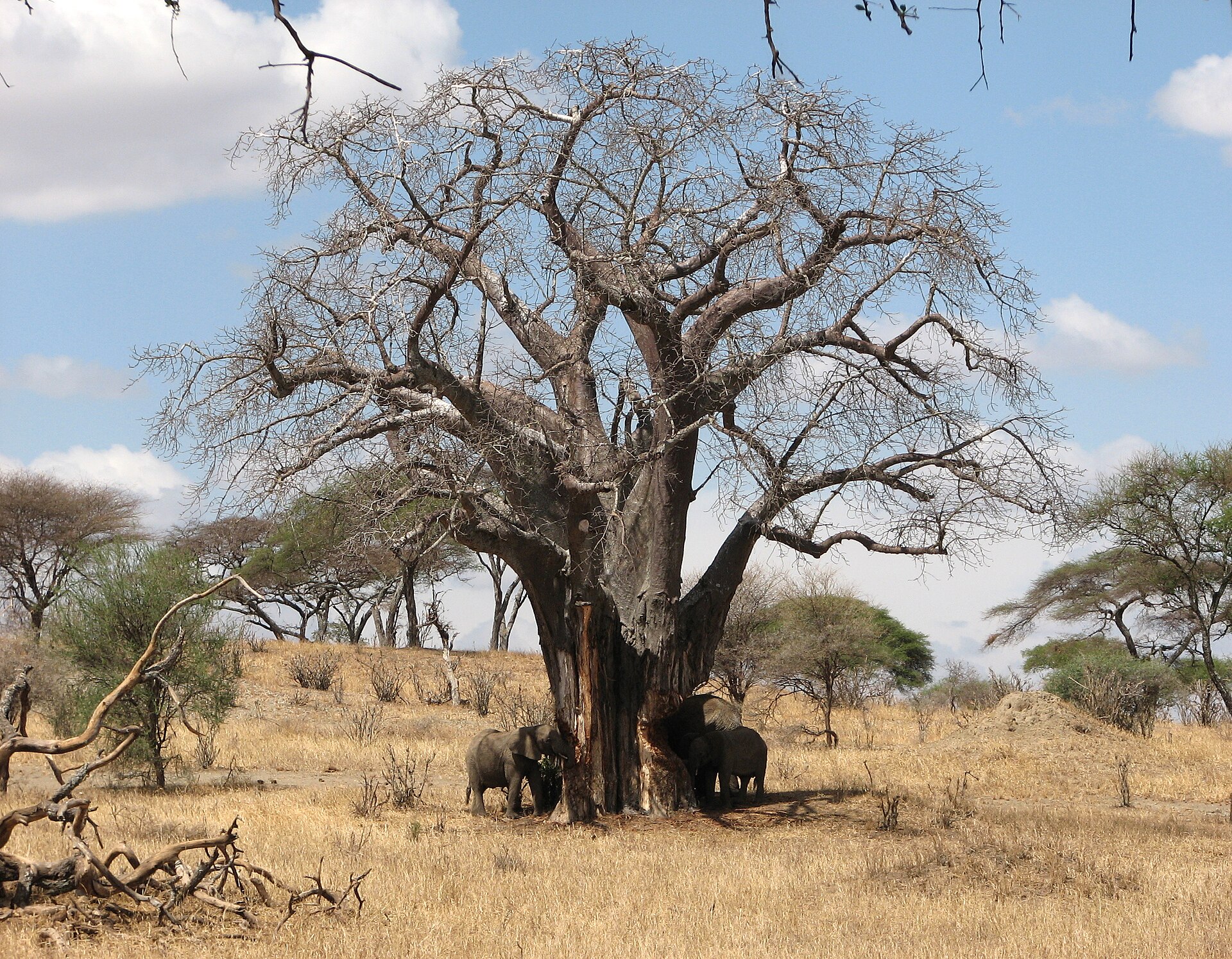
In Tanzania, Tarangire is the elephant park. From June to October, hundreds of elephants come down every day to the river and the Silale swamps. In Ruaha, they then dig into the dry bed of the Great Ruaha River to reach water. In Nyerere, in the same season, you watch them drink at the Rufiji River from a boat, in late afternoon. The Serengeti and Lake Manyara show them in every season, in the acacia woodlands.
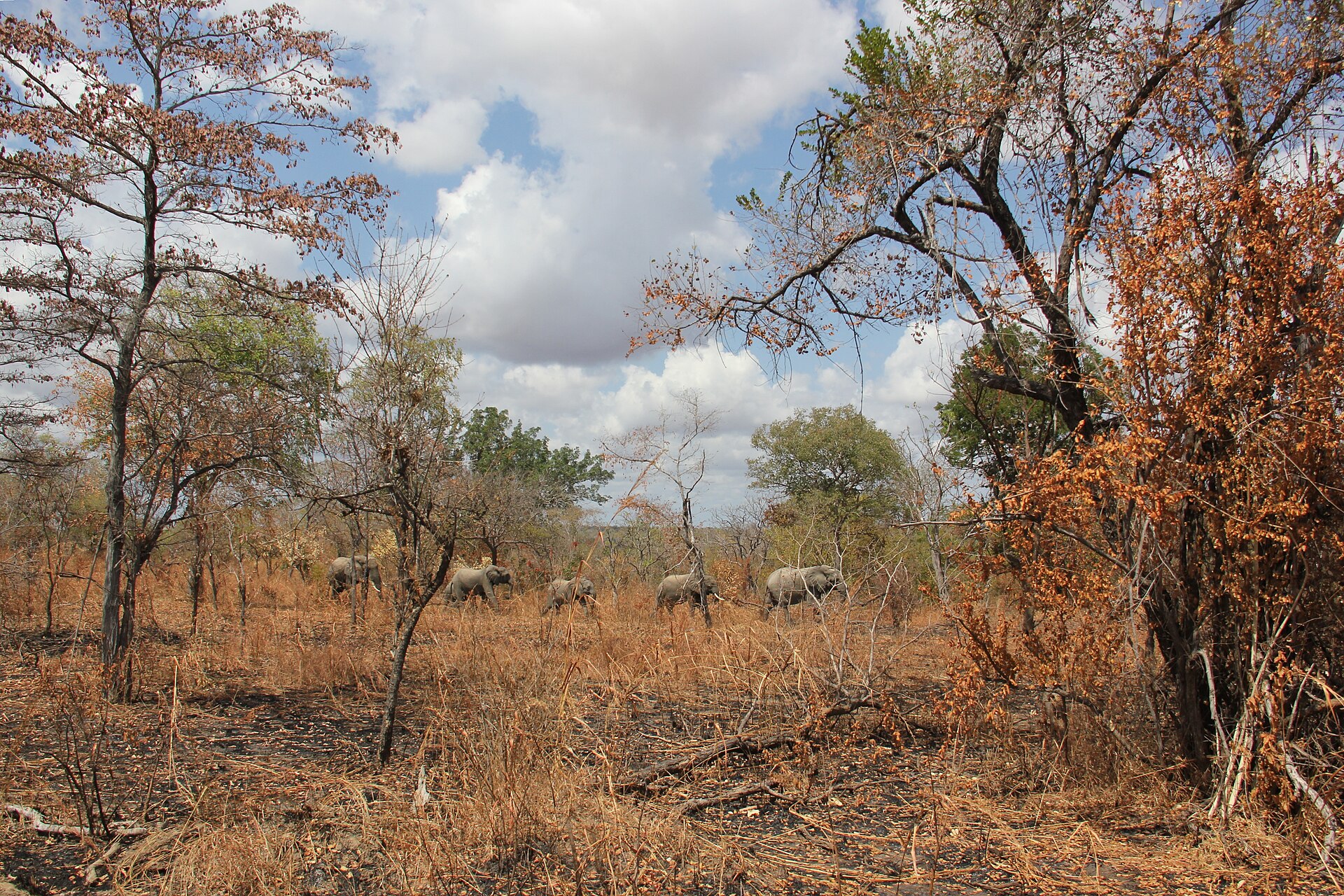
In Kenya, Amboseli's elephants spend the hot hours in the swamps. In Tsavo East, covered in red earth, they arrive in single file at the waterholes in late morning. In Samburu, they come down to drink at the river around midday, from June to October and from December to March.
In South Africa, Addo has more than 600 elephants, which come down to the Hapoor waterhole at midday. In Kruger, they are everywhere, and numerous in the north. A family will let you approach slowly, engine off, and the matriarch decides the distance. If she spreads her ears, back off.
Is the African elephant endangered?
The IUCN listed the savanna elephant as Endangered in 2021. Africa had 1.3 million in 1979 and about 352,000 in 2014, after a 30% drop in seven years driven by poaching for ivory. Tanzania and Mozambique lost half their elephants between 2009 and 2014, and the Selous Game Reserve, now Nyerere, was the hardest hit. Since then, counts in the parks have been slowly rising, and the closure of China's ivory market in 2018 has cut demand.
Our tip
Keep the vehicle across the track rather than in the line of a moving herd, engine running, ready to back up. You see the big family herds in Tarangire from July to October, when the Tarangire River is the only water left.