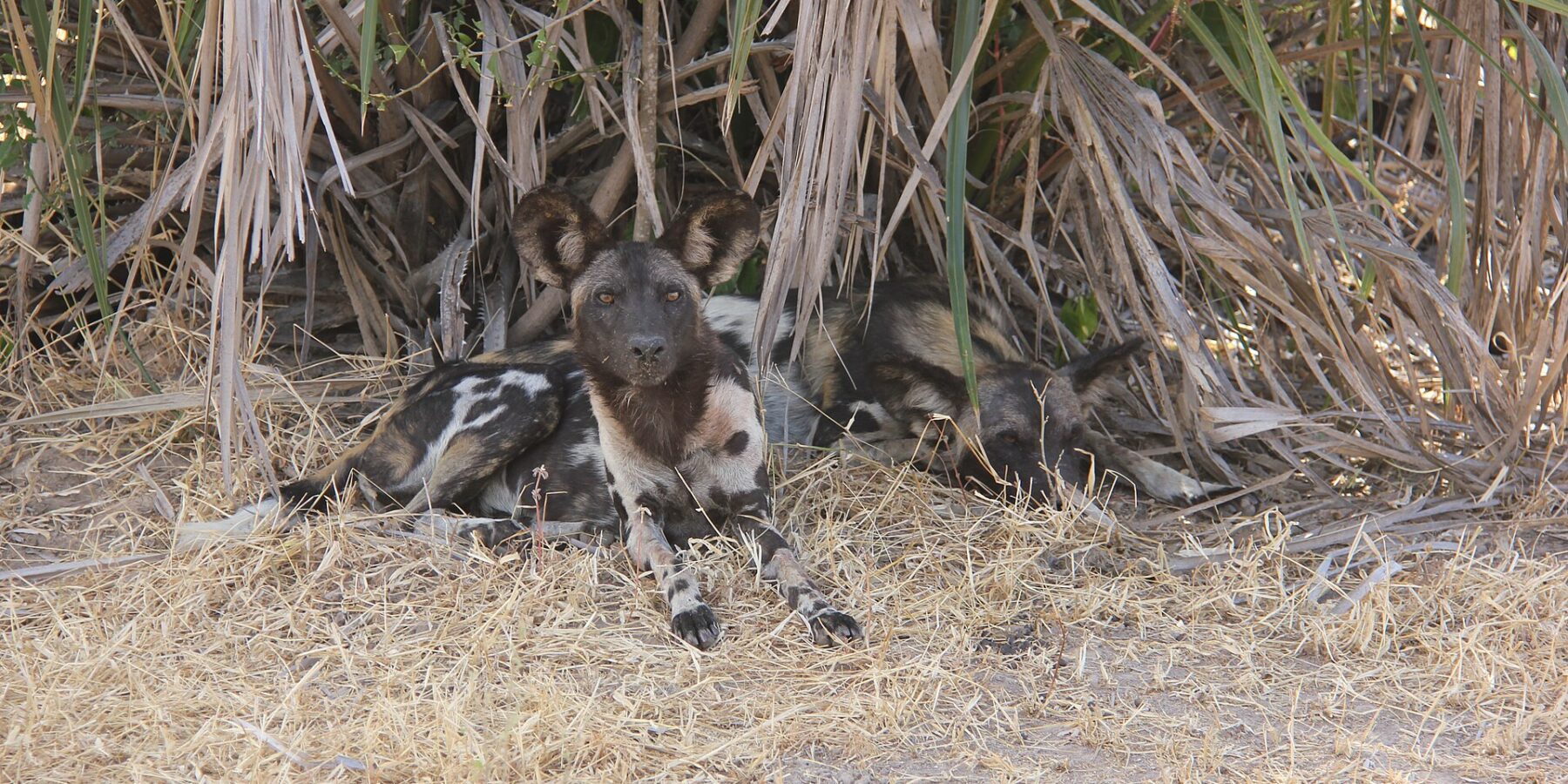
In Nyerere, you follow the Rufiji, Tanzania's largest river, by boat among hippos and crocodiles, then on foot with an armed ranger. The park covers 30,893 km², twice the size of the Serengeti, and its wild dogs make it one of the best places in Africa to see a pack.
Why go to Nyerere?
- Boat safaris on the Rufiji and its lakes, among hippos and crocodiles
- African wild dogs, an endangered species still common here and seen in packs in the dry season
- Walks with an armed ranger and nights at fly camps, a legacy of the reserve years
- A 30,893 km² park, twice the size of the Serengeti, with few vehicles on the tracks
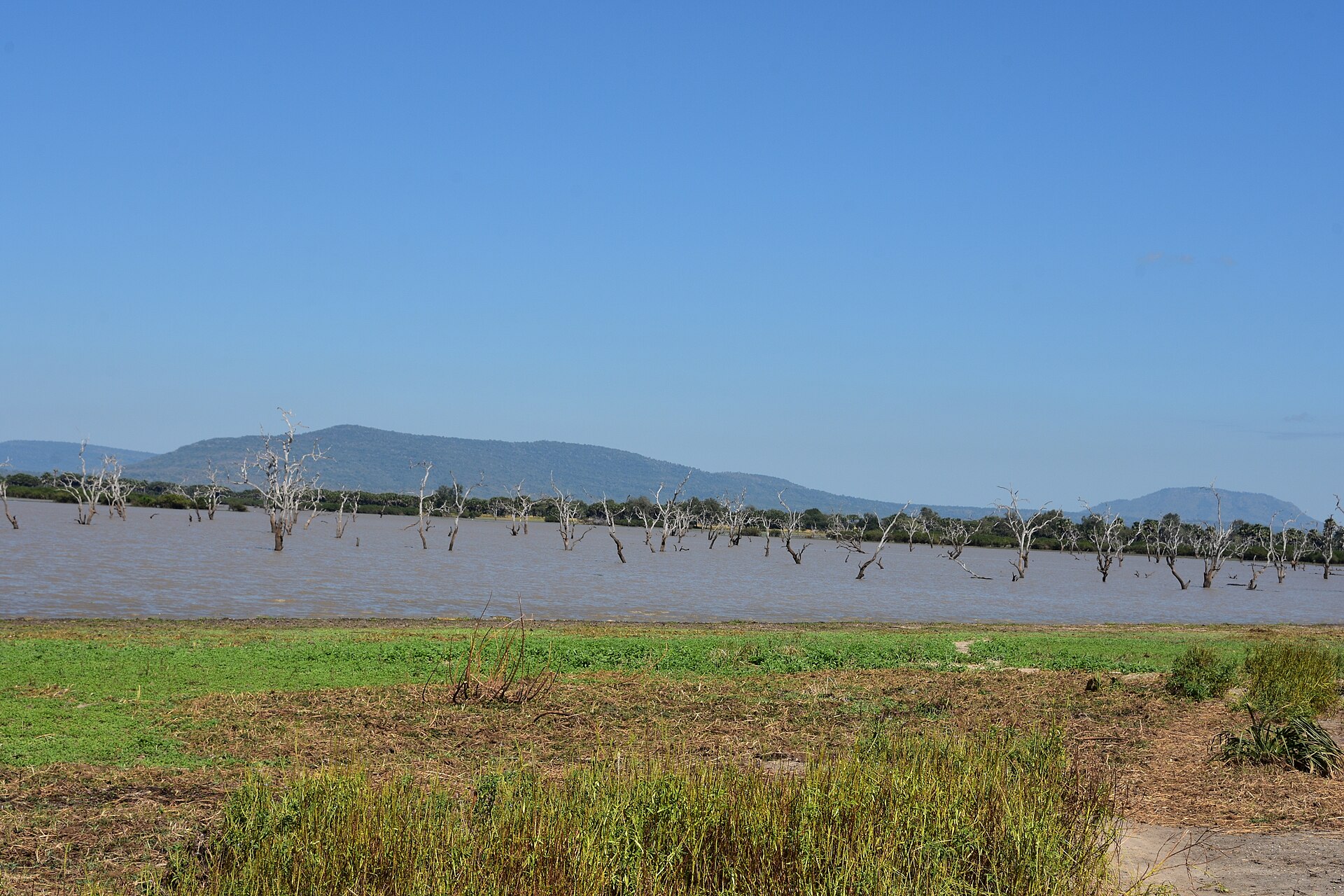
- The Rufiji, Tanzania's largest river, and its lakes with their dead trees
Nyerere in pictures
Which animals can you see in Nyerere?
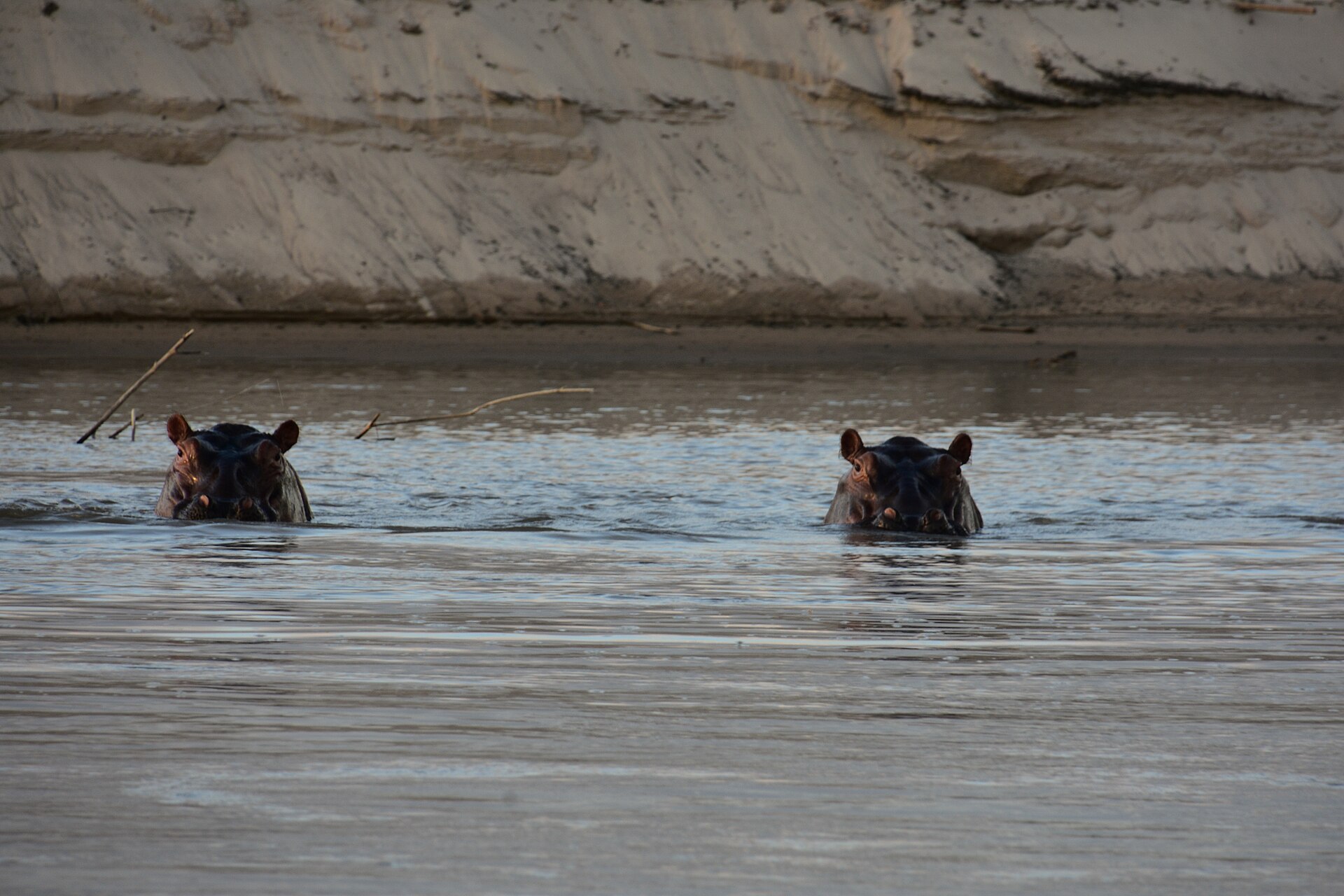
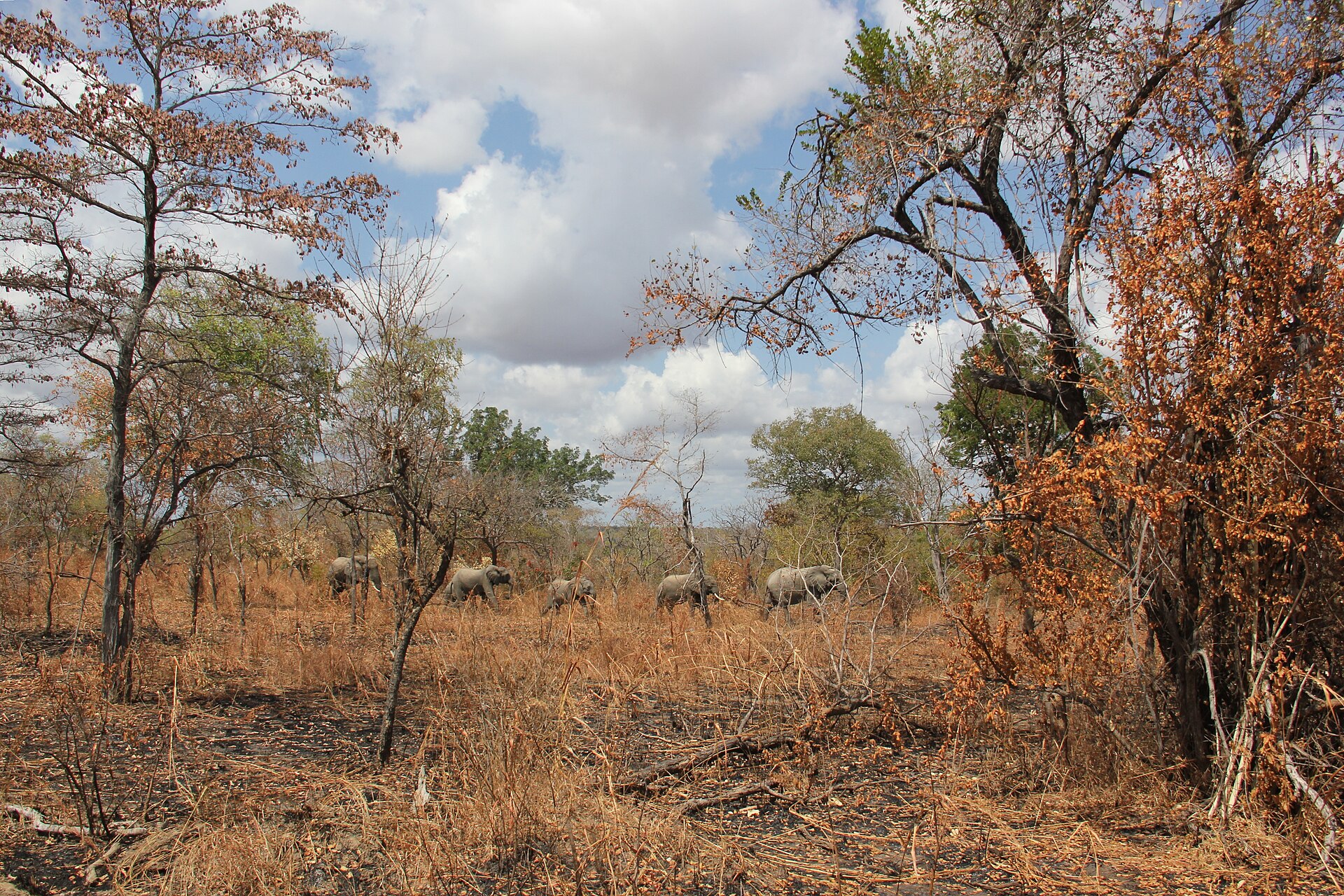
The Rufiji rules everything. Its channels, lakes and floodplains gather hippos and Nile crocodiles by the hundreds, and elephants come there to drink in the late afternoon. The park paid a heavy price to poaching. From more than 100,000 elephants in the mid-1970s, the former Selous Game Reserve fell to about 13,000 in 2013. The herds are slowly recovering.
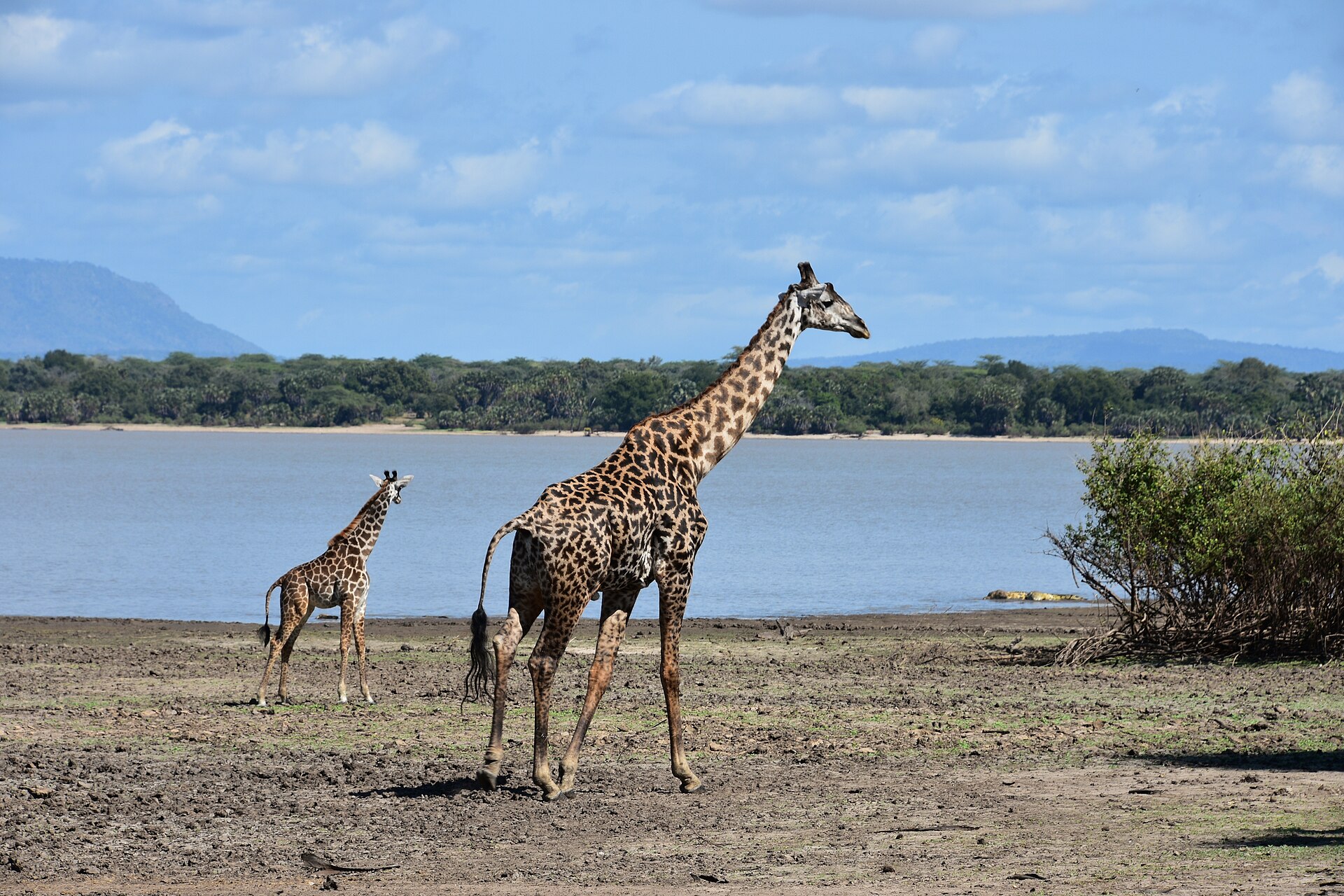
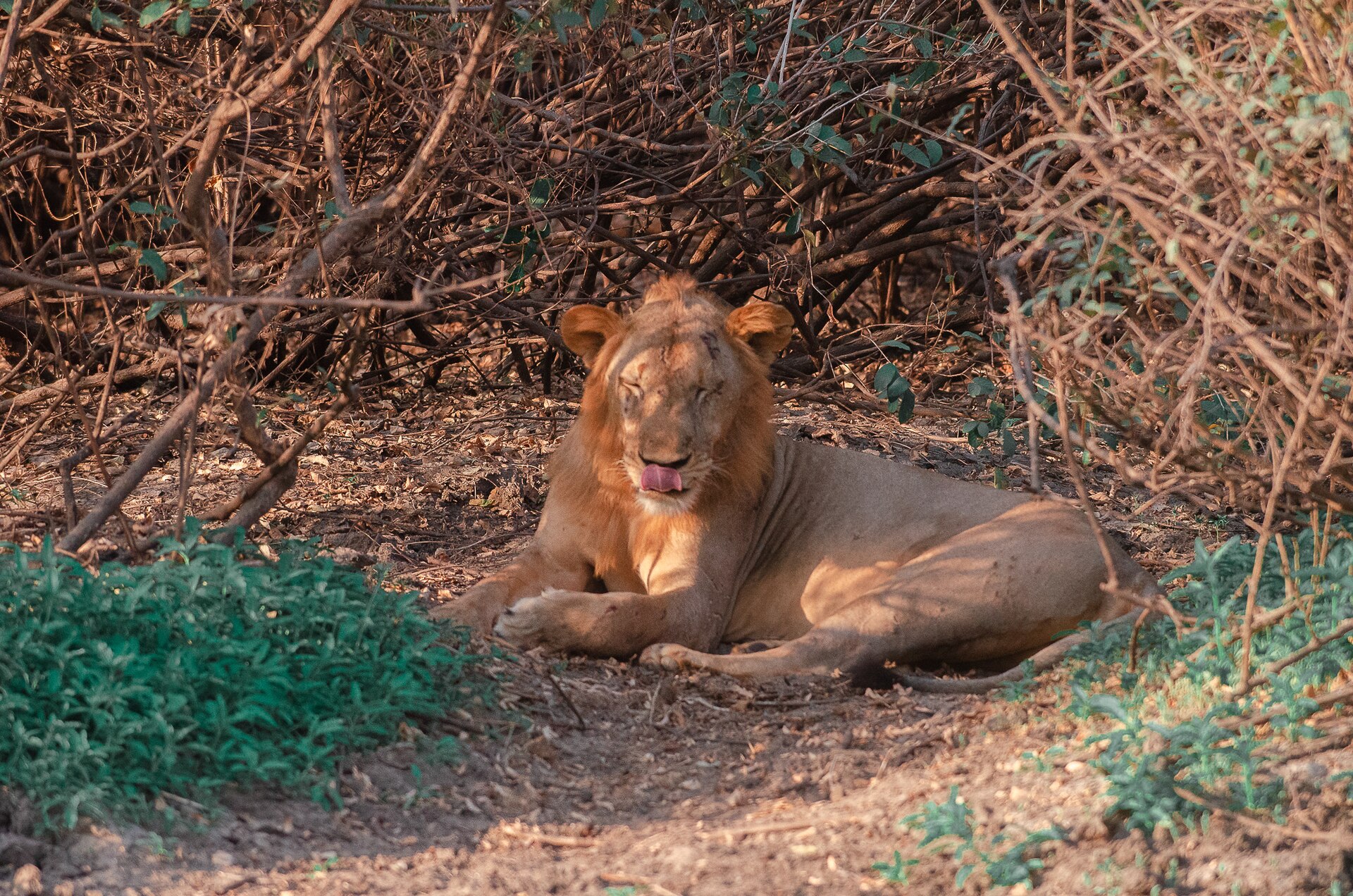
African wild dogs, endangered everywhere in Africa, are still common here, and a pack on the track is the sighting everyone hopes for. Lions, leopards, buffalo, Masai giraffes, zebras and wildebeest complete the list, along with more than 430 bird species in the riverine forests and the miombo.
| Species | J | F | M | A | M | J | J | A | S | O | N | D | Note |
|---|---|---|---|---|---|---|---|---|---|---|---|---|---|
 African wild dog | possible | possible | rare | rare | rare | peak season | peak season | peak season | possible | possible | possible | possible | the pack stays near its den in the dry season |
 Elephant | possible | possible | rare | rare | rare | peak season | peak season | peak season | peak season | peak season | possible | possible | along the river and the lakes in the dry season |
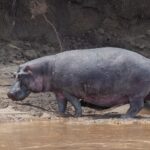 Hippopotamus | peak season | peak season | peak season | peak season | peak season | peak season | peak season | peak season | peak season | peak season | peak season | peak season | Rufiji and lakes, seen from the boat |
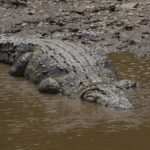 Nile crocodile | peak season | peak season | peak season | peak season | peak season | peak season | peak season | peak season | peak season | peak season | peak season | peak season | Rufiji sandbanks |
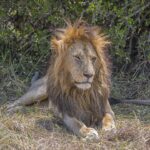 Lion | possible | possible | possible | possible | possible | peak season | peak season | peak season | peak season | peak season | possible | possible | near the northern lakes |
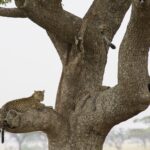 Leopard | possible | possible | possible | possible | possible | possible | possible | possible | possible | possible | possible | possible | riverine forests |
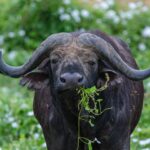 Buffalo | possible | possible | rare | rare | rare | peak season | peak season | peak season | peak season | peak season | possible | possible | floodplains |
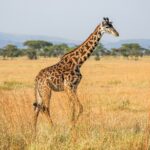 Masai giraffe | peak season | peak season | peak season | peak season | peak season | peak season | peak season | peak season | peak season | peak season | peak season | peak season | open woodland in the north |
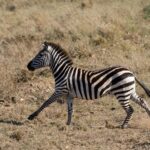 Plains zebra | peak season | peak season | peak season | peak season | peak season | peak season | peak season | peak season | peak season | peak season | peak season | peak season | plains and lakeshores |
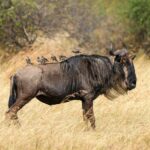 Wildebeest | peak season | peak season | peak season | peak season | peak season | peak season | peak season | peak season | peak season | peak season | peak season | peak season | in herds on the plains |
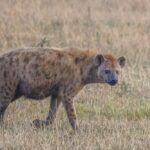 Spotted hyena | peak season | peak season | peak season | peak season | peak season | peak season | peak season | peak season | peak season | peak season | peak season | peak season | mostly at dusk |
peak seasonpossiblerare
What is a safari like in Nyerere?
The camps are in the north of the park, between Mtemere Gate and Matambwe, along the Rufiji and its lakes. The day alternates a game drive at dawn, a boat trip and, if you want one, a two- or three-hour walk with an armed ranger. Some camps arrange a night at a fly camp on the riverbank.
Self-drive 4x4s are allowed, but the distances are long and the tracks sandy. A park guide costs US$47.20 per group per day. The park covers the north of the former Selous Game Reserve, which became a national park in 2019, and the south remains a hunting reserve.
When to go to Nyerere?
idealgoodnot recommended
The dry season, from June to October, is the right time, with short grass, firm tracks and animals within reach of the river and the lakes. Wild dogs are easiest to see during this period, when the pack stays around its den.
The rains fall from November to May, peaking from March to May. Entry fees drop to US$70.80 from March 15 to May 15, but the flooded river limits boat trips and some tracks are cut off.
How to get to Nyerere?
Flights leave from Dar es Salaam, on the coast, and land 45 minutes later on the Mtemere or Kiba airstrip, depending on your camp. Coastal Aviation flies every morning, with a connection from Zanzibar, and continues to Ruaha so you can combine the two southern parks.
By road, allow 230 km from Dar es Salaam via Kibiti and Utete to Mtemere Gate, in a 4x4 during the rains. Matambwe Gate, in the northwest, is reached via Morogoro.
Stay in Mtemere Gate
Where to find a guide in Nyerere?
Guided tours you can book online, ranked by number of reviews. These are affiliate links: if you book, you support us at no extra cost.

 Viator
1-Day Selous (Nyerere National Park) Fly-In Safari from Zanzibar
5.0 (42 reviews)View and book Viator
A Day Trip To Selous Fly From Zanzibar
4.7 (22 reviews)View and book Viator
Flight Package Zanzibar to Nyerere National Park (Selous GR) 3 Days 2 Nights
4.7 (12 reviews)View and book Viator
2 Days Tour From Zanzibar to Nyerere National Park (Selous GR)
5.0 (12 reviews)View and book Viator
1-Day Shared Safari to Nyerere NP from Zanzibar
5.0 (8 reviews)View and bookWhere to stay near Nyerere?
Hotels, apartments and rooms around Mtemere Gate, with current prices.
Is Nyerere National Park the same as the Selous Game Reserve?
The Germans created the first reserve here in 1896. In 1922, the British named it after Frederick Selous, a hunter turned wildlife conservationist, who was killed at Beho Beho in 1917. UNESCO listed the reserve as a World Heritage Site in 1982, then added it to the List of World Heritage in Danger in 2014, because of elephant poaching.
In 2019, Tanzania split off the north of the reserve, about 30,000 km², to create Nyerere National Park, named after the country's first president. A hydroelectric dam has been built at Stiegler's Gorge, on the Rufiji, inside the park.
Frequently asked questions about Nyerere
When is the best time to visit Nyerere National Park?
June to October, when the grass is short and the animals stay near the Rufiji and the lakes. From March to May, the rains cut off tracks and limit boat trips.
How much is the Nyerere National Park entry fee?
US$82.60 per adult per 24 hours in high season, US$70.80 from March 15 to May 15, VAT included. A child aged 5 to 15 pays US$23.60. The boat safari costs an extra US$23.60 per person.
Can you do a boat safari in Nyerere?
Yes, the boat is what the park is known for. Camps on the Rufiji and the lakes go out in the morning or late afternoon, among hippos and crocodiles, and a life jacket is mandatory. The park charges US$23.60 per person.
How do you get to Nyerere from Dar es Salaam?
By air, in 45 minutes with Coastal Aviation, for US$219 including taxes, to the Mtemere or Kiba airstrip. By road, 230 km via Kibiti and Utete, in a 4x4 during the rains.
How many days do you need in Nyerere?
Three nights at a river camp, to alternate game drives, boat trips and walks. With Ruaha, allow a week for the south, as a flight links the two parks.
Can you visit Nyerere without a guide?
Yes, self-drive 4x4s are allowed, but the tracks are sandy and the distances long. A park guide costs US$47.20 per group per day, and walks require an armed ranger.
Our tip
Book a camp on the Rufiji or on one of the lakes in the north of the park, between Mtemere and Matambwe: the boat trips and walks leave from there. Come from July to October, when the grass is short and the animals stay close to the water, and avoid the April and May rains.
Other parks nearby
 TanzaniaNational park
Ruaha National Park
Southern Tanzania TanzaniaNational park
Tarangire National Park
Northern Tanzania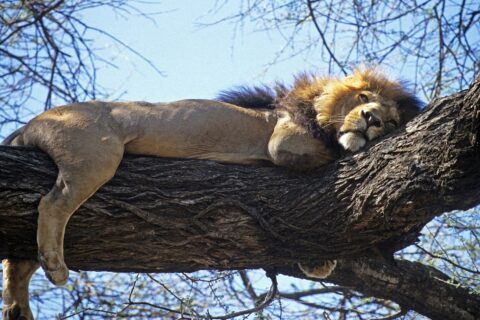 TanzaniaNational park