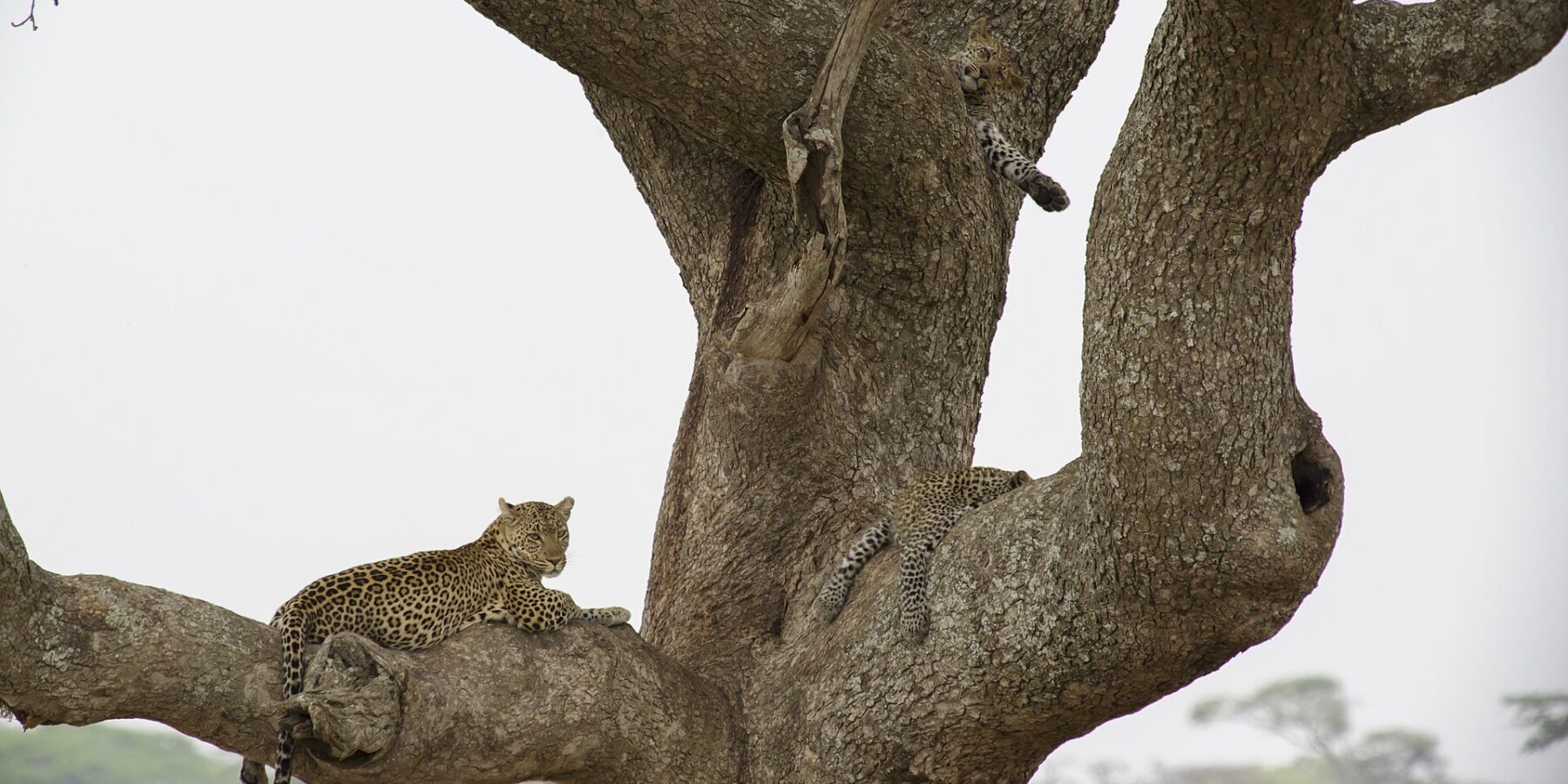
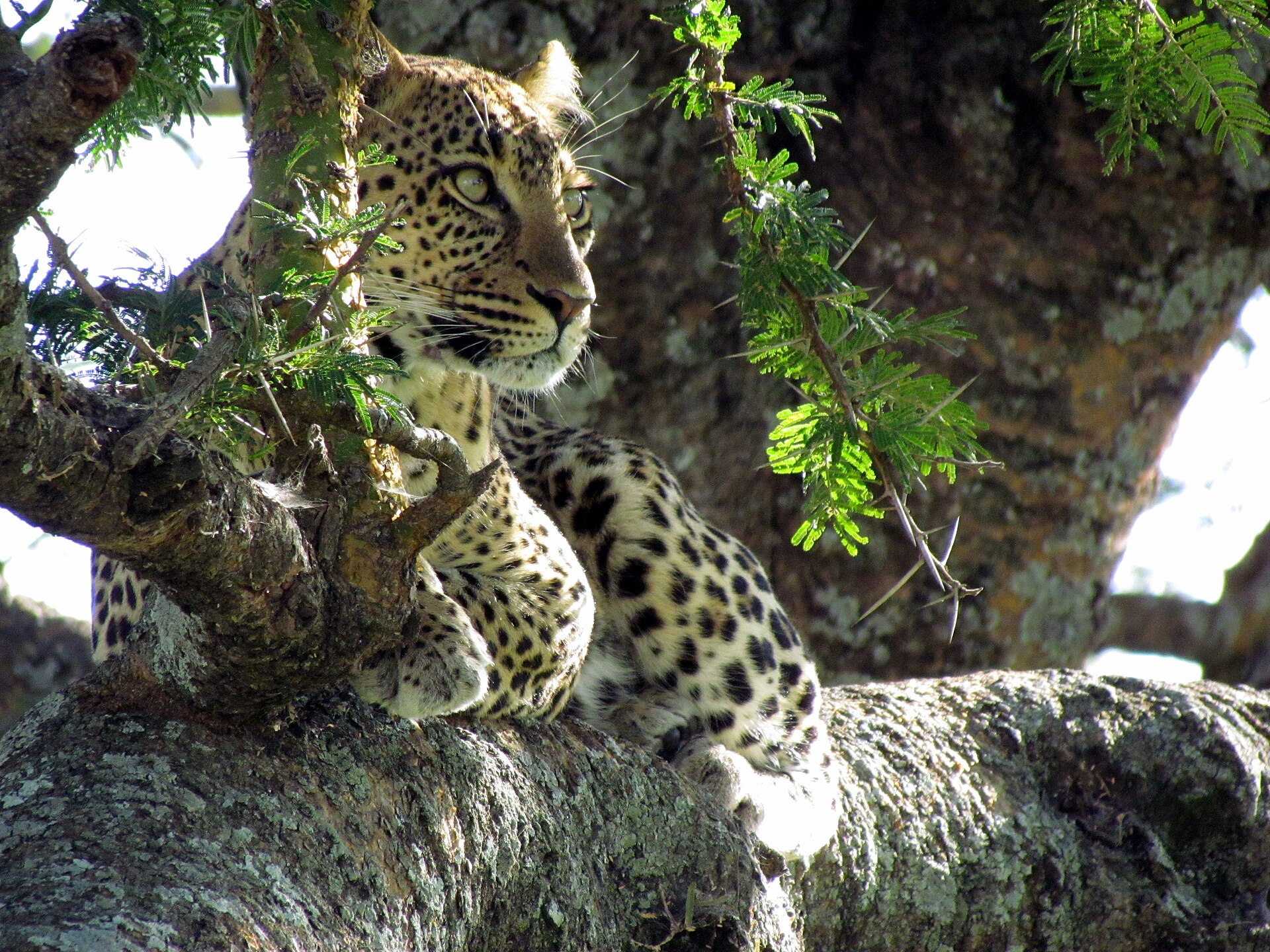
By day, the leopard sleeps on a thick branch above a river, and its hanging tail often gives it away. Sabi Sand in South Africa, where you follow it from a few meters away, and Samburu in Kenya are the surest places; in Tanzania, look around Seronera in the Serengeti in the late afternoon.
Where to see the leopard on safari?
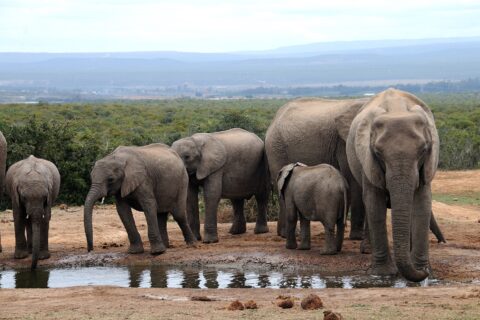
 South AfricaNational park
Addo Elephant National Park
Eastern CapeCan be seen all year round: very rare
 KenyaNational park
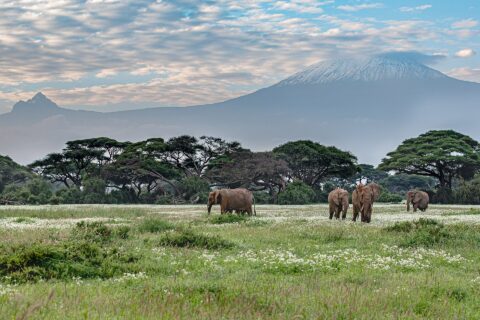
Amboseli National Park
Southern KenyaCan be seen all year round: rare, on the edges of the swamps
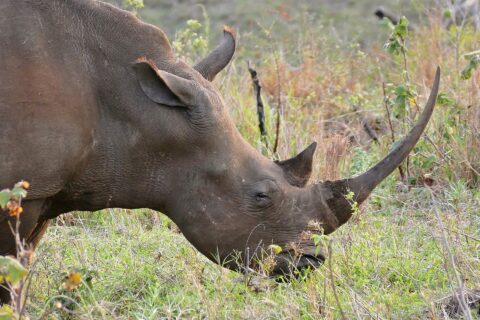 South AfricaGame reserve
Hluhluwe-iMfolozi Park
KwaZulu-NatalCan be seen all year round: Hluhluwe forests, rarely seen
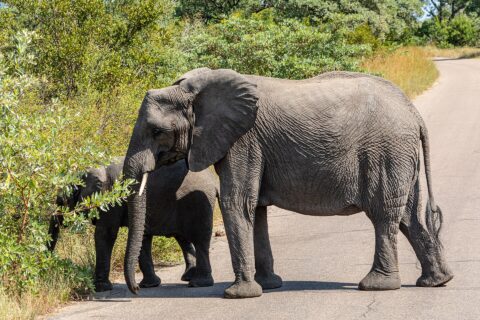 South AfricaNational park
Kruger National Park
Northeastern South AfricaCan be seen all year round: riverine forest along the Sabie and Olifants, up in the trees
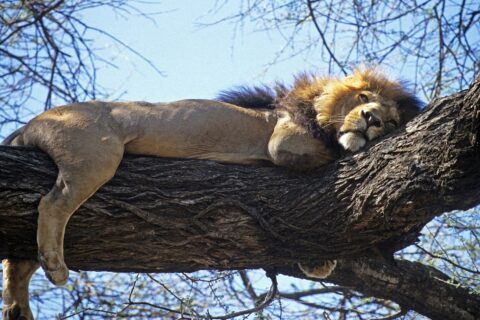
 TanzaniaNational park
Lake Manyara National Park
Northern TanzaniaCan be seen all year round: forest, rarely seen
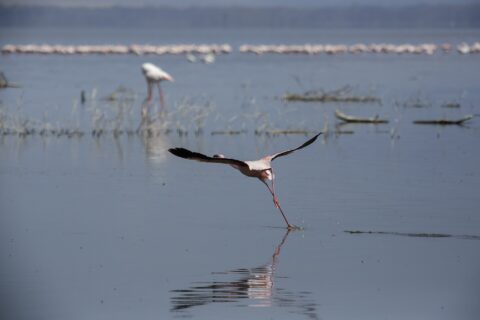 KenyaNational park
Lake Nakuru National Park
Northern KenyaCan be seen all year round: yellow-barked acacias, often up a tree
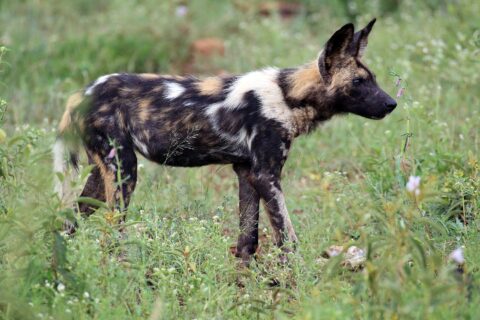 South AfricaGame reserve
Madikwe Game Reserve
Northwestern South AfricaCan be seen all year round: rocky hills of the Dwarsberg
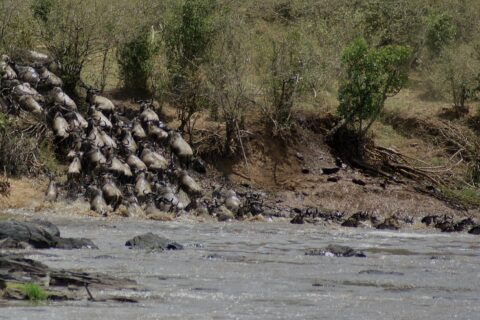 KenyaNational reserve
Masai Mara National Reserve
Southwestern KenyaCan be seen all year round: riverine forest along the Talek and Mara rivers
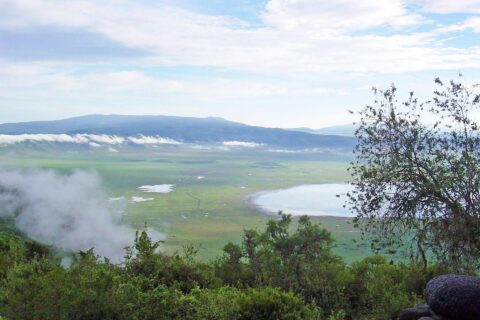 TanzaniaConservation area
Ngorongoro Conservation Area
Northern TanzaniaCan be seen all year round: forests of the rim and Lerai, rarely seen
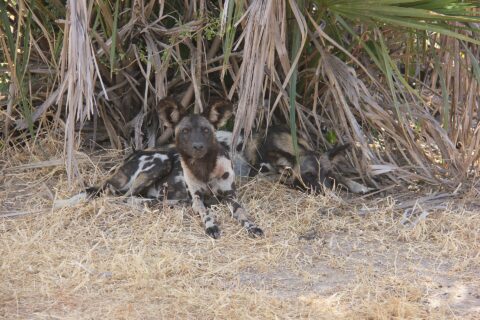 TanzaniaNational park
Nyerere National Park
Southern TanzaniaCan be seen all year round: riverine forests
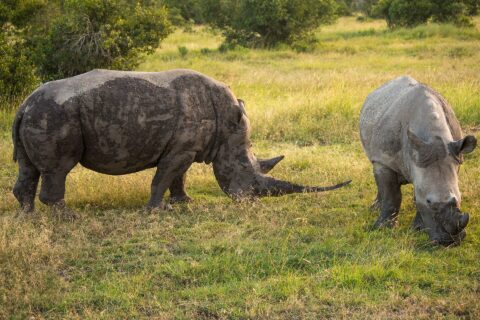 KenyaPrivate reserve
Ol Pejeta Conservancy
Northern KenyaCan be seen all year round: riverine woodland, mostly at night
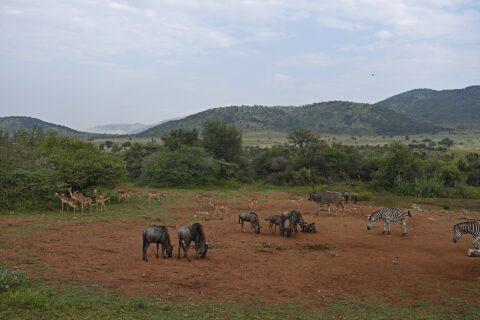 South AfricaNational park
Pilanesberg National Park
Northwestern South AfricaCan be seen all year round: rocky hills, rarely seen
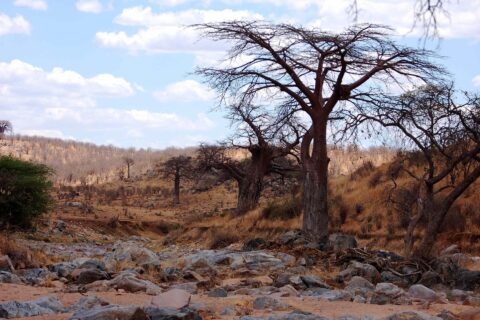 TanzaniaNational park
Ruaha National Park
Southern TanzaniaCan be seen all year round: wooded ravines and riverbanks
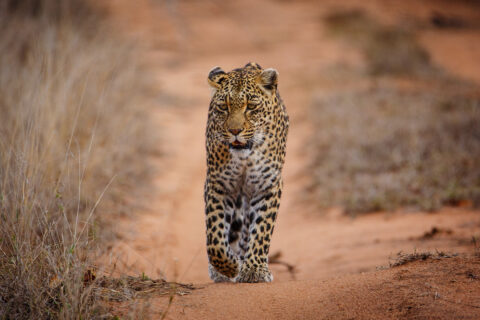 South AfricaPrivate reserve
Sabi Sand Game Reserve
Northeastern South AfricaPeak season all year round: the reserve's signature animal, tracked by the guides from one drive to the next
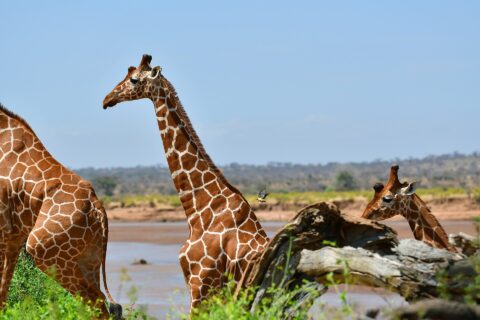 KenyaNational reserve
Samburu National Reserve
Northern KenyaPeak season all year round: tall acacias on the riverbank
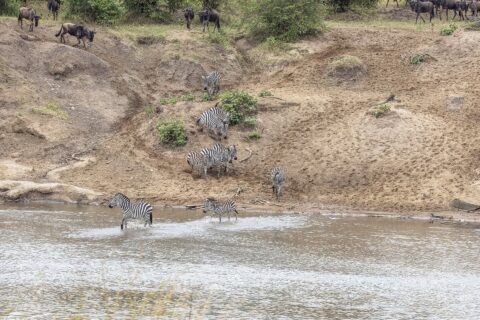 TanzaniaNational park
Serengeti National Park
Northern TanzaniaCan be seen all year round: in the trees
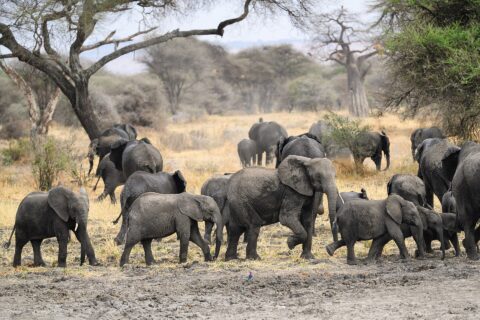 TanzaniaNational park
Tarangire National Park
Northern TanzaniaCan be seen all year round: along the river
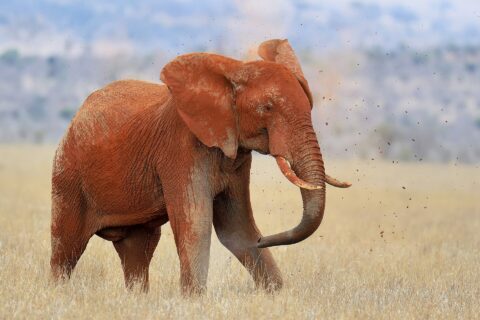 KenyaNational park
Tsavo East National Park
Southern KenyaCan be seen all year round: rare, Galana riverine forest
How do you identify a leopard?
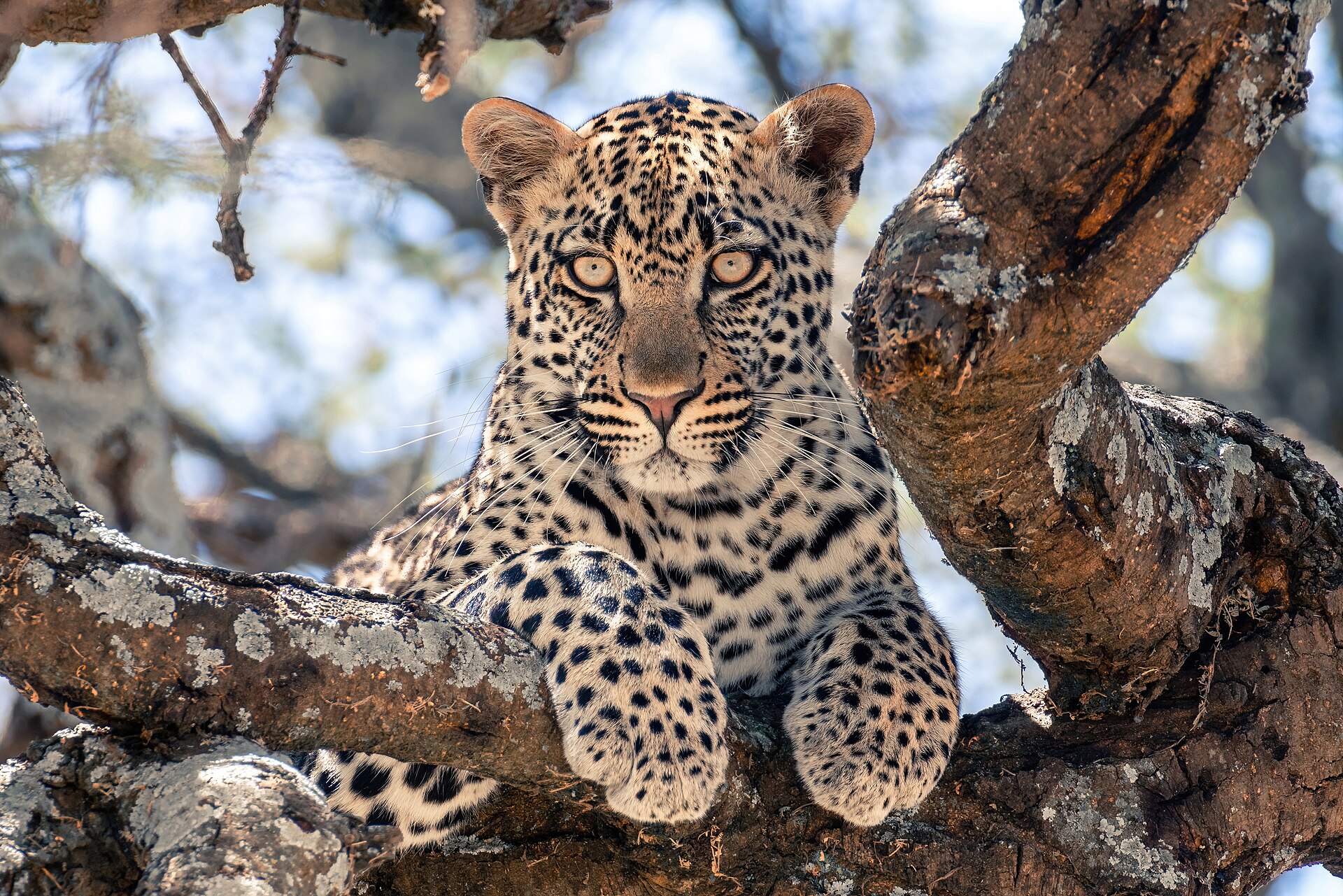
The leopard is a cat 1.4 to 1.8 meters long without the tail, short-legged and muscular. A male weighs 60 to 90 kg, and the female is lighter. The tawny coat carries rosettes, ring-shaped spots, on the flanks and back, and solid spots on the head and legs. The cheetah, its look-alike from a distance, has solid spots all over, a slender build, a small head and two black tear marks running from the corner of the eye to the muzzle. The leopard has no tear marks, and its head is broad. In a tree, its long hanging tail often gives it away.
Leopard in pictures
How do leopards live?
The leopard lives alone, except when mating and while the female raises her cubs. It hunts at night and at dusk, lying in wait, then hauls its prey up a tree, out of reach of lions and hyenas. Its territory follows rivers and rocky outcrops, where it finds shade and lookout points. It adapts to every habitat, from the forest of Lake Manyara to the miombo woodland of Ruaha, which is why it is still found in every park in Tanzania despite being so secretive.
Where and when can you see leopards on safari?
Use binoculars to scan the thick acacia branches above rivers, where the leopard spends the day. The best times are the late afternoon, when it comes down, and the early morning, when it heads back. An antelope hauled into a tree or barking baboons tell you one is near. In Tanzania, the Serengeti around Seronera is still the most reliable park, and Tarangire shows them along its wooded riverbanks. In Ngorongoro and Nyerere, sightings are rare.
In Kenya, Samburu shows them in every season, asleep in the tall acacias on the riverbank. At Lake Nakuru, they often perch in the yellow-barked acacias.
In South Africa, the leopards of Sabi Sand have lived alongside 4x4s for decades. You follow them from a few meters away, off-road, by day and by night. In Kruger, they sleep in the big trees along the Sabie and Olifants rivers. Your best chances are in Sabi Sand and Samburu, in every season.
Are leopards endangered?
Since 2016, the leopard has been listed as Vulnerable on the IUCN Red List, with a declining trend. Its population, estimated at 700,000 in the 1990s, has never been counted precisely, because the animal is so elusive. It is poached for its skin and bones, and killed by herders whose livestock it attacks. It is also losing its prey wherever bushmeat hunting is spreading. Tanzania's large parks, led by the Serengeti and Nyerere, give it vast, intact territories.
Our tip
Ask your guide to scan the thick horizontal branches along rivers in the late afternoon, when the leopard moves. A carcass wedged in a tree means it will be back at night.