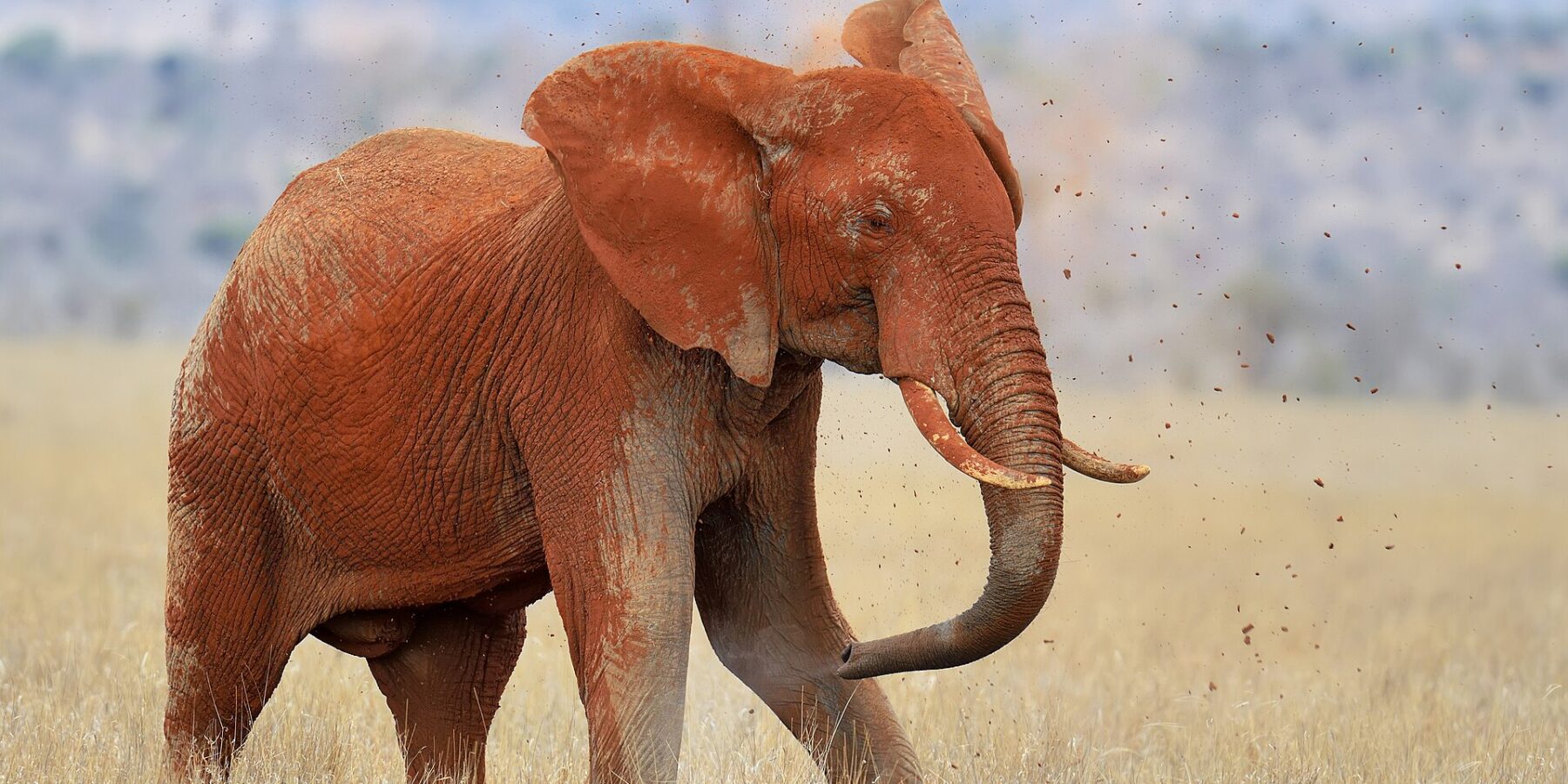
In Tsavo East, Kenya's largest park with 13,747 km² of dry bush, you look for red elephants, coated in the laterite they throw over their backs. The Tsavo ecosystem had 17,266 of them in 2024, and the herds come down every day to the Galana River and Aruba Dam.
Why go to Tsavo East?
- Elephants red with laterite, 17,266 in the Tsavo ecosystem in 2024, 41% of the national total
- The Galana River and the Lugard Falls rapids, with crocodiles below the falls
- The Yatta Plateau, a 290 km lava flow, the longest in the world
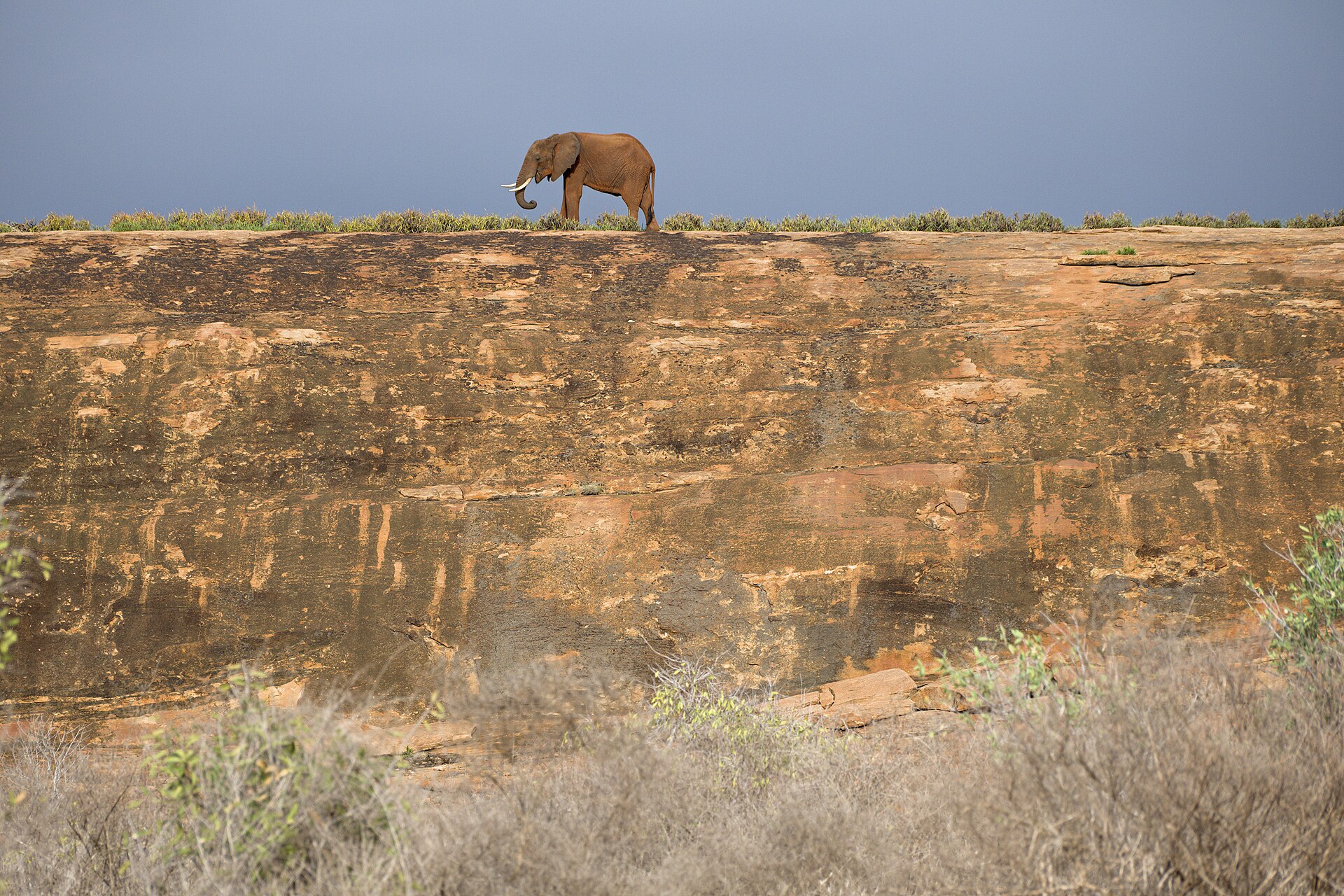
- Mudanda Rock, an inselberg 1.6 km long, and the elephants that drink at its foot
- The short-maned lions of Tsavo, two of which terrorized the railway construction camp in 1898
Tsavo East in pictures
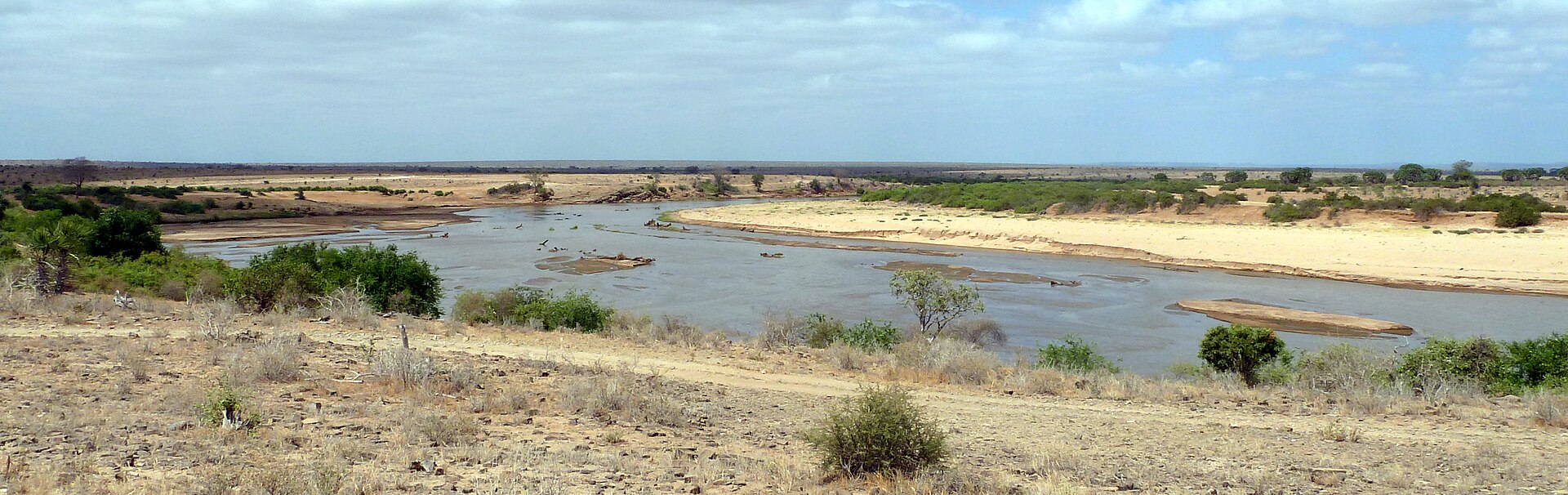
Which animals can you see in Tsavo East?
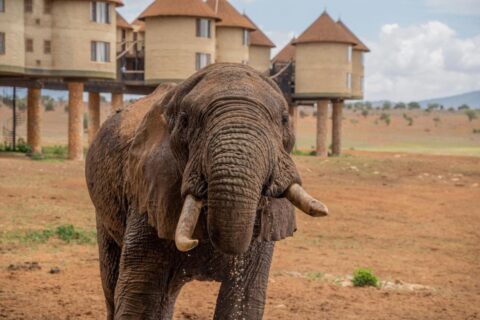
Tsavo's elephants dust themselves with the park's red soil. They cross the bush in lines of several dozen toward the Galana, Aruba Dam and the Voi waterholes. The 2024 census counted 17,266 in the Tsavo ecosystem, which spans both parks and the neighboring ranches.
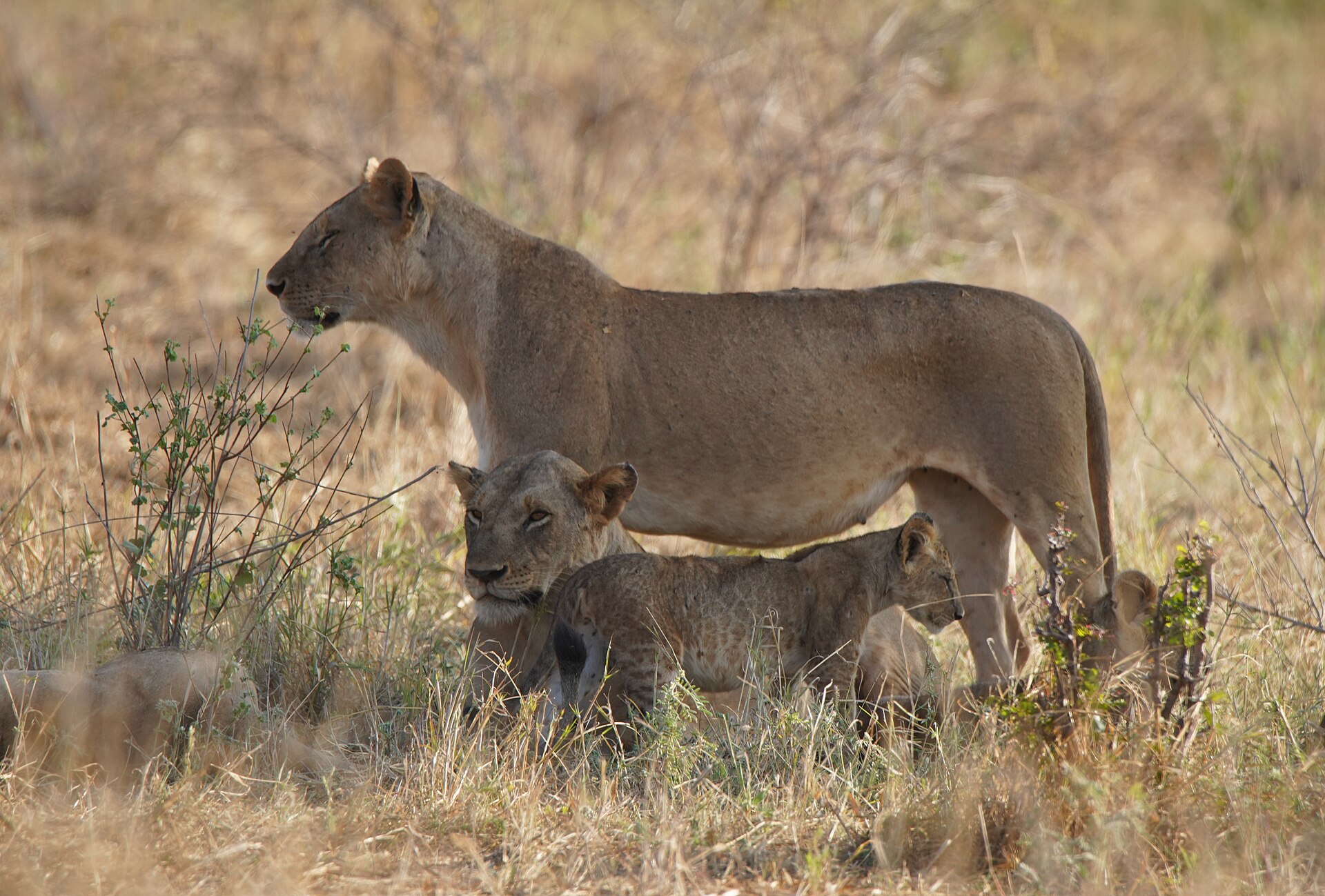
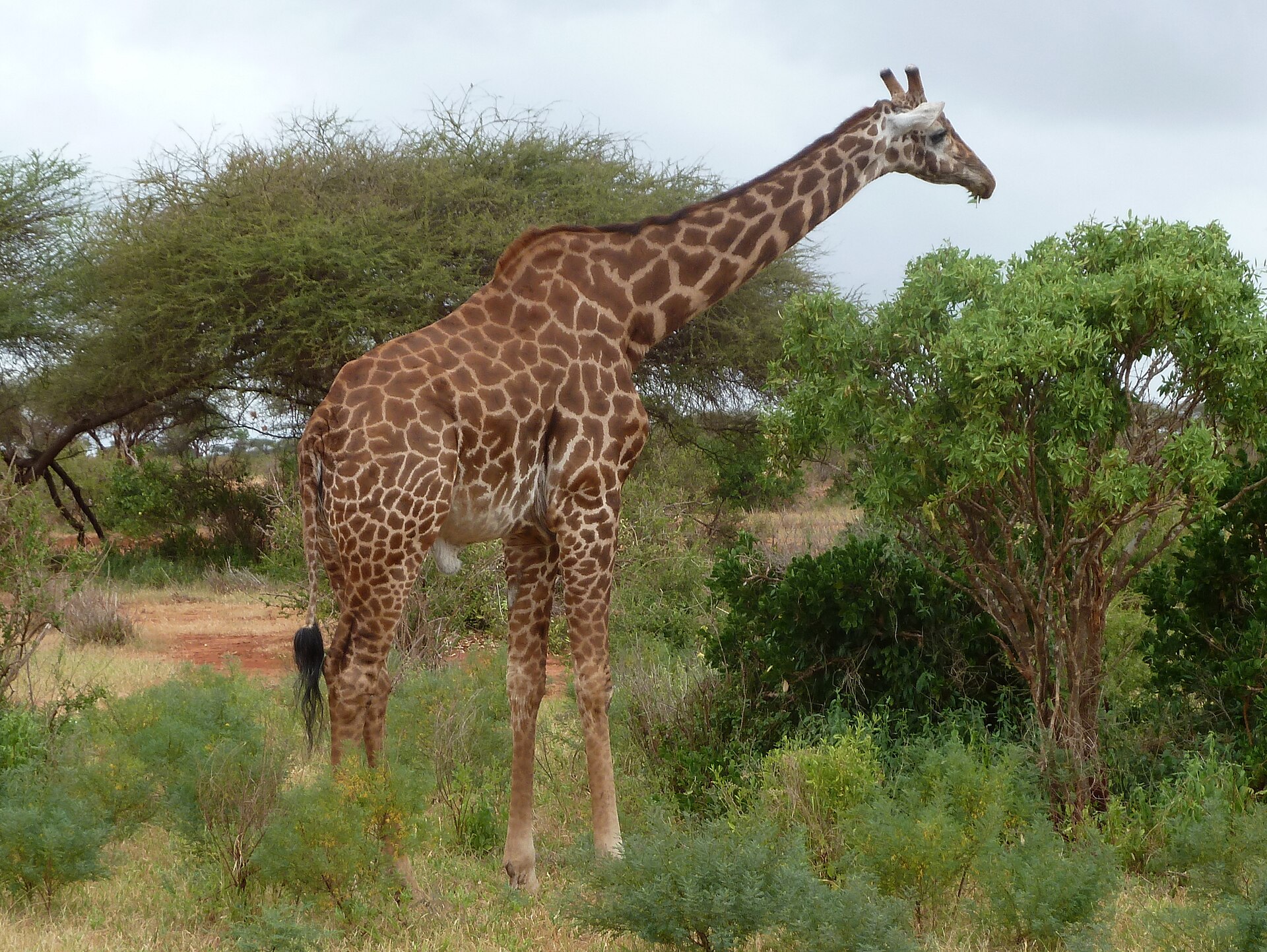
Tsavo lions have short manes, sometimes none at all, and follow the buffalo that come to drink by the hundreds in the dry season. Masai giraffes, zebras, oryx and gerenuks live on the scrub plains, and cheetahs on the open short grass. The park holds a few hirola, an antelope from northeastern Kenya on the brink of extinction, and more than 500 bird species. Hippos and crocodiles live in the Galana, downstream of Lugard Falls.
| Species | J | F | M | A | M | J | J | A | S | O | N | D | Note |
|---|---|---|---|---|---|---|---|---|---|---|---|---|---|
 Elephant | peak season | peak season | peak season | peak season | peak season | peak season | peak season | peak season | peak season | peak season | peak season | peak season | Galana, Aruba Dam and the Voi waterholes, in single file in the dry season |
 Buffalo | peak season | peak season | peak season | peak season | peak season | peak season | peak season | peak season | peak season | peak season | peak season | peak season | by the hundreds at the waterholes in the dry season |
 Lion | possible | possible | possible | possible | possible | possible | possible | possible | possible | possible | possible | possible | short mane, around the southern waterholes |
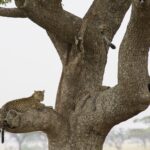 Leopard | rare | rare | rare | rare | rare | rare | rare | rare | rare | rare | rare | rare | rare, Galana riverine forest |
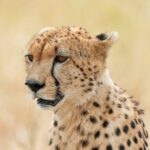 Cheetah | possible | possible | possible | possible | possible | possible | possible | possible | possible | possible | possible | possible | short-grass plains in the south |
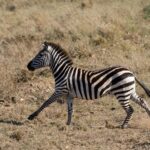 Plains zebra | peak season | peak season | peak season | peak season | peak season | peak season | peak season | peak season | peak season | peak season | peak season | peak season | southern plains |
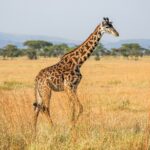 Masai giraffe | peak season | peak season | peak season | peak season | peak season | peak season | peak season | peak season | peak season | peak season | peak season | peak season | throughout the south of the park |
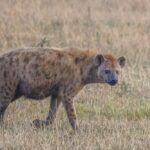 Spotted hyena | possible | possible | possible | possible | possible | possible | possible | possible | possible | possible | possible | possible | at night around the lodges |
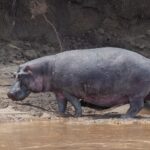 Hippopotamus | possible | possible | possible | possible | possible | possible | possible | possible | possible | possible | possible | possible | Galana pools |
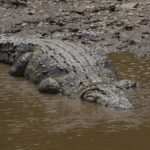 Nile crocodile | peak season | peak season | peak season | peak season | peak season | peak season | peak season | peak season | peak season | peak season | peak season | peak season | Galana, downstream of Lugard Falls |
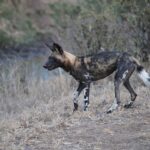 African wild dog | rare | rare | rare | rare | rare | rare | rare | rare | rare | rare | rare | rare | passing through, rarely seen |
| Beisa oryx | possible | possible | possible | possible | possible | possible | possible | possible | possible | possible | possible | possible | scrub plains |
| Gerenuk | possible | possible | possible | possible | possible | possible | possible | possible | possible | possible | possible | possible | thornbush |
| Lesser kudu | possible | possible | possible | possible | possible | possible | possible | possible | possible | possible | possible | possible | thickets, elusive |
| Hirola | rare | rare | rare | rare | rare | rare | rare | rare | rare | rare | rare | rare | small reintroduced population, very rare |
peak seasonpossiblerare
What is a safari like in Tsavo East?
The park is huge, and safaris focus on its southern third, between Voi Gate, Aruba Dam, the Galana and Lugard Falls. The lodges and most of the tracks are there. You head out at 6 a.m., work the waterholes in the late morning, when the elephants arrive, and get back before 6 p.m.
Distances are long between Voi and Lugard Falls, and one long drive a day is often enough. Self-driven 4x4s handle the laterite tracks without trouble in the dry season. The park offers walks with an armed ranger, which are rare in Kenya's parks. North of the Galana, tracks are few, and so are visitors.
When to go to Tsavo East?
idealgoodnot recommended
The dry season, from June to October and again from January to February, gathers the elephants and buffalo around the Galana, Aruba Dam and the waterholes. The bush is then russet and open, and the big herds can be seen from far away.
The long rains of April and May, then the short rains of November and December, turn the bush green again and fill the pools. The animals disperse, the laterite sticks to the wheels, and the northern tracks sometimes close. Fees stay the same all year, US$80 per adult.
How to get to Tsavo East?
The park runs along the A109 between Nairobi and Mombasa. From Mombasa, Bachuma Gate is 110 km away and Voi Gate 156 km. From Nairobi, Mtito Andei Gate is 233 km away, a four-hour drive. The SGR train links Nairobi and Mombasa to Voi station, where the lodges pick you up. On the north coast, Malindi connects to Sala Gate on the C103.
Light aircraft land on the Voi and Ithumba airstrips, and on the lodge strips at Satao or Aruba. Safarilink flies to Tsavo West, Diani and Mombasa from Wilson Airport.
Stay in Voi
Where to find a guide in Tsavo East?
Guided tours you can book online, ranked by number of reviews. These are affiliate links: if you book, you support us at no extra cost.

 Viator
Full Day Private Tour of Tsavo East National Park from Mombasa
4.6 (53 reviews)View and book Viator
4 Days Safari from Mombasa to Amboseli and Tsavo West and East
5.0 (42 reviews)View and book Viator
2 Days Safari Tsavo East
4.6 (36 reviews)View and book Viator
3 Days(2 nights) Tsavo East Tour & Saltlick (Cost based on minimum 2 persons)
4.9 (26 reviews)View and book Viator
3 Days, 2 Nights Safari - Amboseli National Park and Tsavo West Adventure Safari
4.7 (20 reviews)View and book Viator
4-Day Tsavo East West and Amboseli National Park from Mombasa
4.7 (12 reviews)View and bookWhere to stay near Tsavo East?
Hotels, apartments and rooms around Voi, with current prices.
Which hotels to choose near Tsavo East?
Who were the man-eaters of Tsavo?
In 1898, while the railway from Mombasa to Uganda was being built, two maneless lions attacked the workers' camp on the Tsavo River for months. Work stopped, and Colonel John Patterson finally shot them in December. The number of victims is still debated, from a few dozen to more than 130.
Tsavo lions still have that short mane today, linked to the heat and the thornbush. You mostly see them in the morning around the southern waterholes, often near the buffalo they follow.
Where are the Galana River, Lugard Falls and the Yatta Plateau in Tsavo East?
The Galana River forms where the Athi and the Tsavo meet, at the edge of the park, and crosses it from west to east toward the Indian Ocean. Its banks carry the safari, with hippos, crocodiles and herds coming down to drink. At Lugard Falls, it plunges into a gorge of polished rock, more rapids than waterfall, and crocodiles wait downstream.
To the north, the Yatta Plateau, a 290 km lava flow and the longest in the world, marks the horizon. Farther south, Mudanda Rock, an inselberg 1.6 km long, holds rainwater in a pool where elephants file past in the dry season. Aruba Dam, built in 1952 on the Voi River, draws the same herds.
Frequently asked questions about Tsavo East
When is the best time to visit Tsavo East?
June to October, then January and February, when the elephants and buffalo gather on the Galana and at the waterholes. The April and May rains scatter the animals through tall green bush.
How much is the Tsavo East National Park entry fee?
US$80 per adult per 24-hour period, US$40 per child, for a single entry. The Tsavo East, Tsavo West and Amboseli combined ticket costs US$215 per adult. A vehicle with fewer than six seats pays KSh 600 a day.
Why are the Tsavo elephants red?
They coat themselves in the park's red laterite, as dust or mud, to protect themselves from the sun and insects. The color washes off in their first bath in the Galana and comes back the same day.
How do you get from Mombasa to Tsavo East?
By the A109, to Bachuma Gate in 110 km or Voi Gate in 156 km, two to three hours. The SGR train stops at Voi. Many travelers come from Diani or Watamu for two days.
How many days do you need in Tsavo East?
Two days and one night for the south of the park, from Voi to Lugard Falls via Aruba Dam. A second night lets you add Tsavo West, linked by road, with its Mzima Springs.
Can you walk in Tsavo East?
Yes, with an armed KWS ranger, in groups of ten people at most, for US$50 per person per day on top of the entry fee. Tsavo East is one of the few parks in Kenya that allows it.
Our tip
Focus on the south of the park, between Voi, Aruba Dam and the Galana, where you find the tracks, the lodges and most of the animals. Head for the waterholes in the late morning, when the elephants arrive in single file, and keep an afternoon for Lugard Falls and Mudanda.
Other parks nearby
 KenyaNational park
Amboseli National Park
Southern Kenya
 TanzaniaNational park
Tarangire National Park
Northern Tanzania TanzaniaNational park