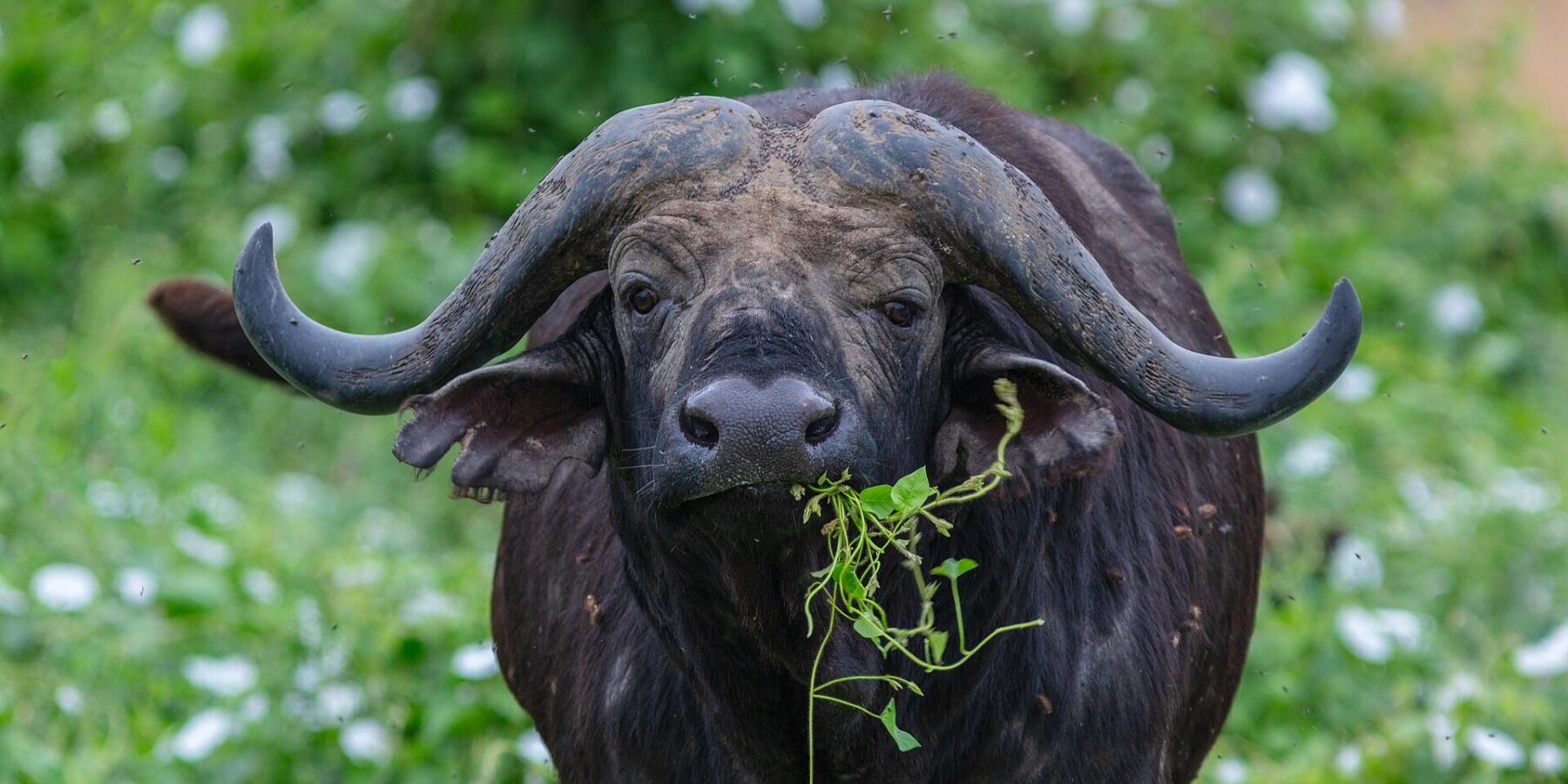
Of all the Big Five, the buffalo is the one you are almost certain to see. In Ngorongoro Crater, herds graze in broad daylight in every season, and Tarangire draws thousands from June to October. In Kenya and South Africa, Tsavo East and Kruger show hundreds.
Where to see the African buffalo on safari?
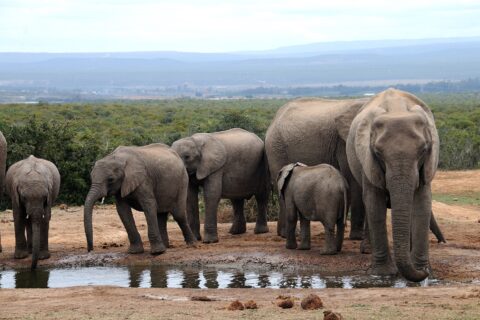
 South AfricaNational park
Addo Elephant National Park
Eastern CapeCan be seen all year round: 400 animals, thickets and waterholes, often at night
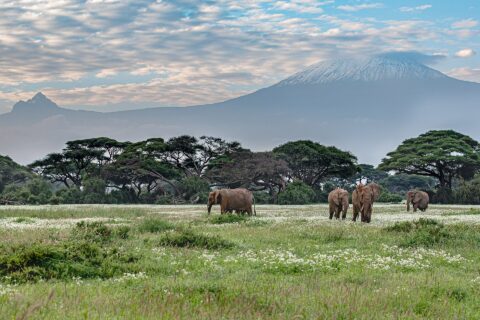
 KenyaNational park
Amboseli National Park
Southern KenyaPeak season all year round: in the swamps
 South AfricaGame reserve
Hluhluwe-iMfolozi Park
KwaZulu-NatalPeak season all year round: Mfolozi river valleys
 South AfricaNational park
Kruger National Park
Northeastern South AfricaPeak season all year round: large herds in the north and center
 TanzaniaNational park
Lake Manyara National Park
Northern TanzaniaPeak season all year round: lakeshore
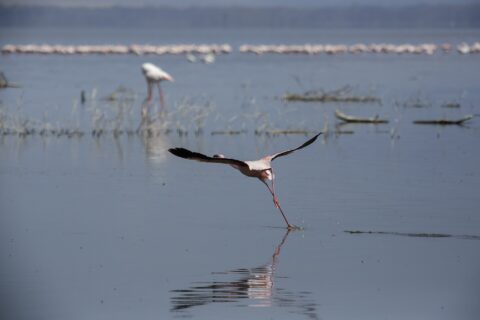 KenyaNational park
Lake Nakuru National Park
Northern KenyaPeak season all year round: lakeside grasslands
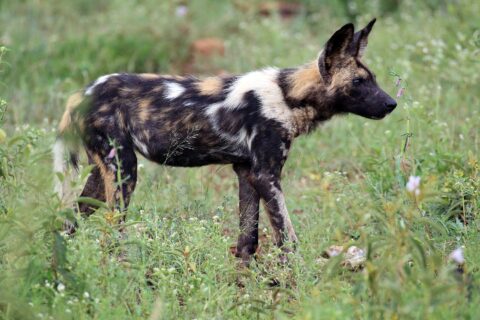 South AfricaGame reserve
Madikwe Game Reserve
Northwestern South AfricaPeak season all year round: herds at the waterholes
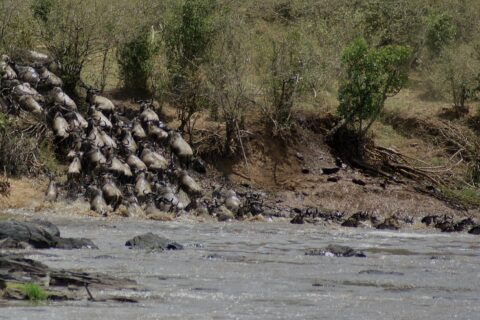 KenyaNational reserve
Masai Mara National Reserve
Southwestern KenyaPeak season all year round: throughout the reserve
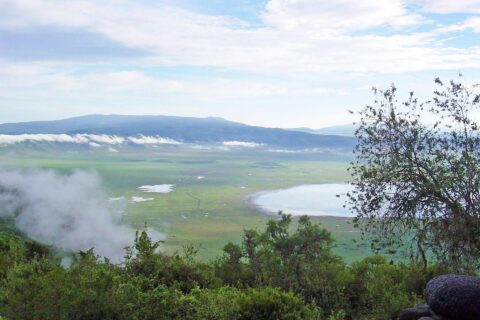 TanzaniaConservation area
Ngorongoro Conservation Area
Northern TanzaniaPeak season all year round: in the crater
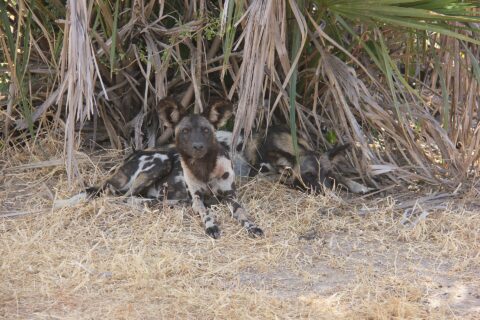 TanzaniaNational park
Nyerere National Park
Southern TanzaniaPeak season from June to October: floodplains
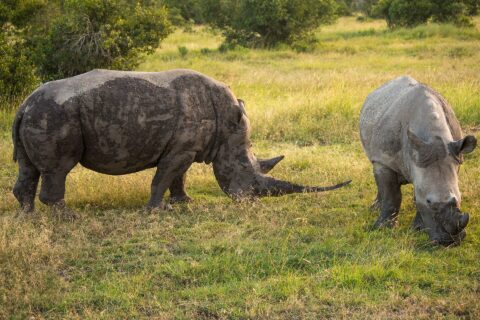 KenyaPrivate reserve
Ol Pejeta Conservancy
Northern KenyaPeak season all year round: throughout the reserve
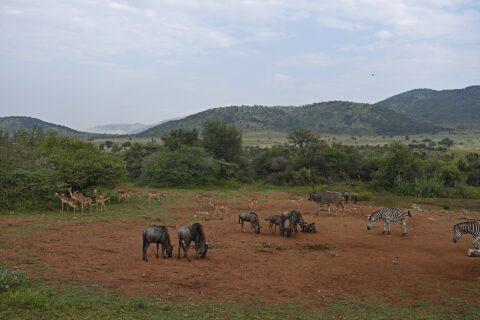 South AfricaNational park
Pilanesberg National Park
Northwestern South AfricaCan be seen all year round: herds in the grassy valleys
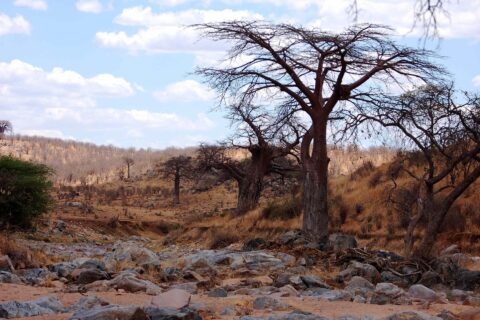 TanzaniaNational park
Ruaha National Park
Southern TanzaniaPeak season from June to October: by the hundreds at the pools in the dry season
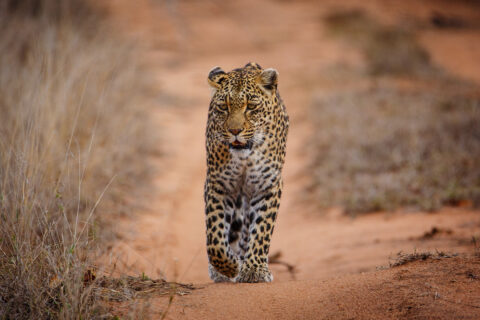 South AfricaPrivate reserve
Sabi Sand Game Reserve
Northeastern South AfricaPeak season all year round: large herds in the dry season
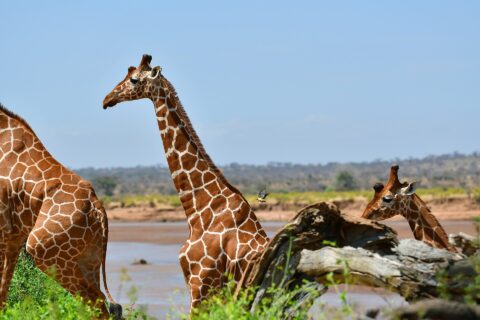 KenyaNational reserve
Samburu National Reserve
Northern KenyaCan be seen all year round: small groups near the river
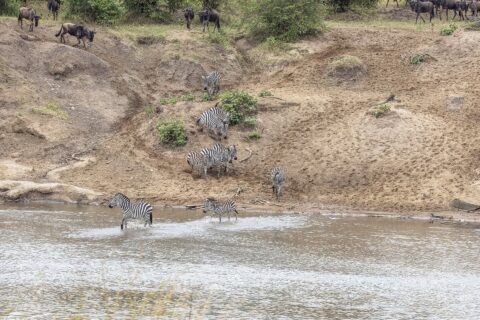 TanzaniaNational park
Serengeti National Park
Northern TanzaniaPeak season all year round: throughout the park
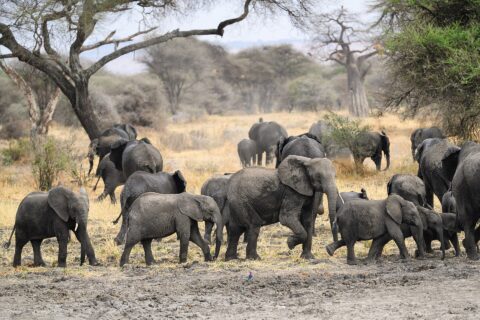 TanzaniaNational park
Tarangire National Park
Northern TanzaniaPeak season from June to October: in big herds near water in the dry season
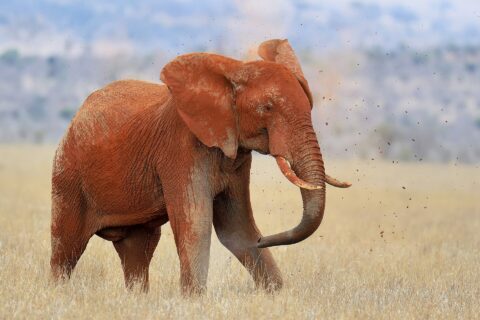 KenyaNational park
Tsavo East National Park
Southern KenyaPeak season all year round: by the hundreds at the waterholes in the dry season
How do you identify an African buffalo?
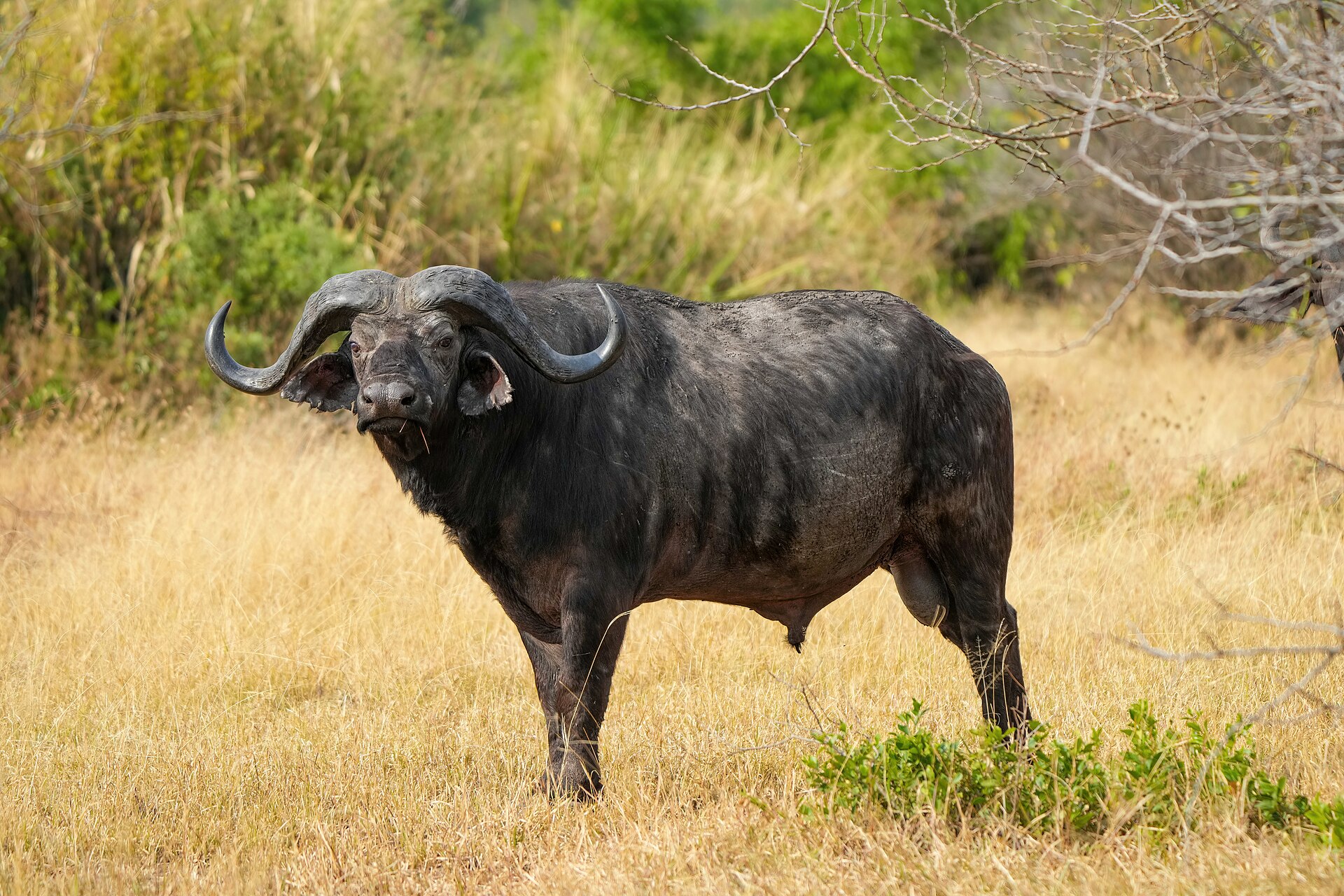
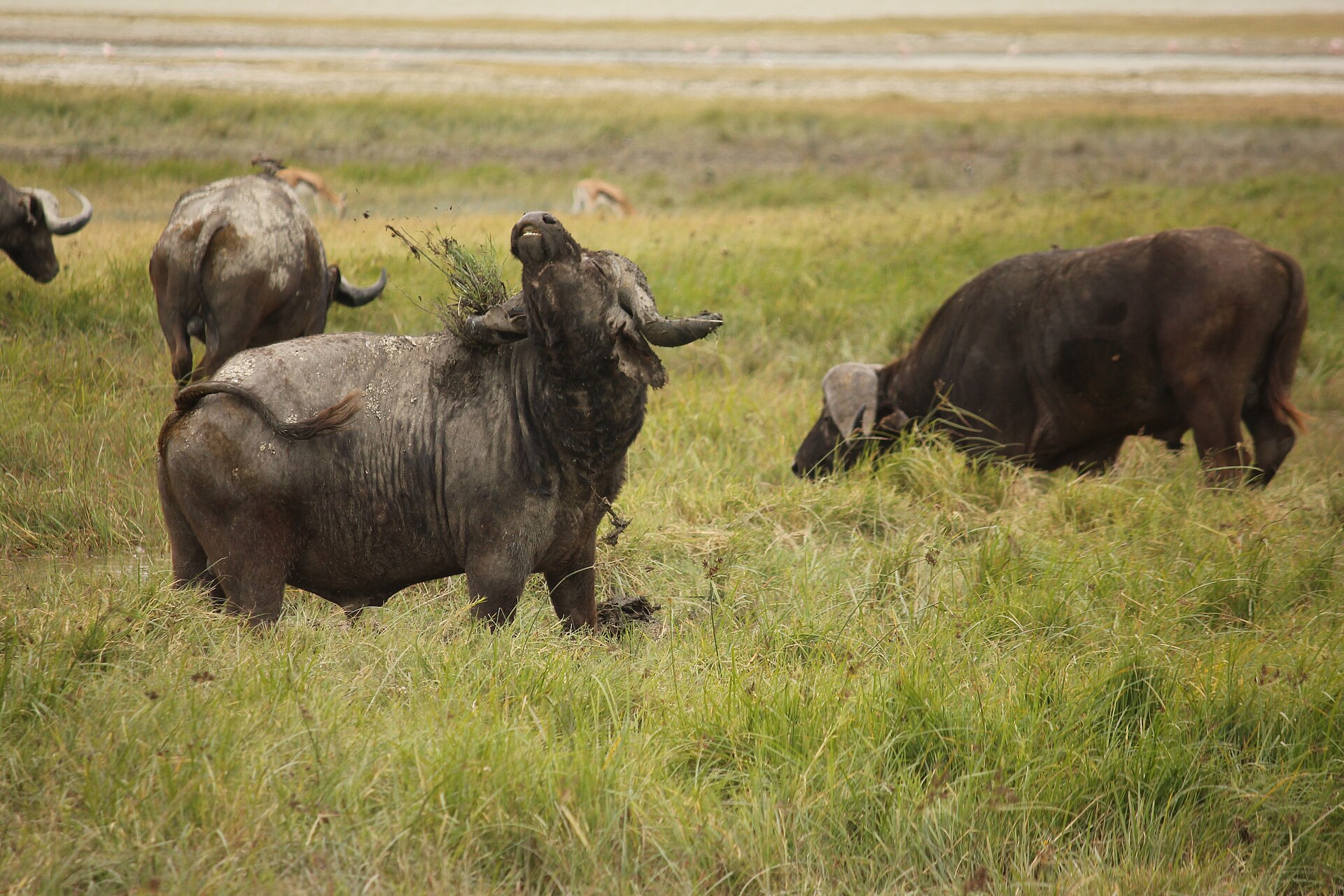
A stocky black bovine, 1.7 meters at the shoulder and up to 900 kg. Its curved horns meet on the forehead of adult males in a thick helmet, the boss. The ears are wide and fringed with hair, and the muzzle is always wet. Nothing else in the parks looks like it. The wildebeest is smaller, with a beard and a mane, and the eland, paler, has straight horns. A buffalo covered in mud is a male that has just wallowed to protect itself from the sun and from parasites.
African buffalo in pictures
How does the African buffalo live?
The buffalo lives in herds of several dozen to several hundred head, females, young and a few males, which graze at night and in the early morning, then chew the cud in the shade. It has to drink every day and never strays far from water and swamps. Old males leave the herd and live alone or in small groups, in the tall grass near rivers. The buffalo is the favorite prey of large lion prides, in Ruaha above all, and a herd will turn on them to defend a calf.
Where and when can you see buffalo on safari?
You see buffalo everywhere: on a safari circuit, it is the Big Five animal you will almost never miss. In Tanzania, the herds of Ngorongoro Crater graze on the short grass in broad daylight, in every season. From June to October, thousands of buffalo arrive in Tarangire, and hundreds gather on the Nyerere floodplains. In Ruaha, the lions then follow them to the pools of the Great Ruaha River.
In Kenya, buffalo spend the hot hours in the Amboseli swamps. In Tsavo East, they come by the hundreds to drink at the Galana River in the dry season. At Lake Nakuru, a fenced park, they stay on the grassland of the south shore all year round.
In South Africa, Kruger's buffalo live in the center and north of the park, and graze by the hundreds at Pafuri. In Sabi Sand, the dry season, from May to October, brings them together in large herds. When a 4x4 pulls up, a herd raises its heads, watches for a long time, then goes back to grazing. Watch a lone bull from the vehicle, at a safe distance, with the engine running.
Is the African buffalo endangered?
The IUCN lists the buffalo as Near Threatened. It remains abundant in the big parks, but it has disappeared from most unprotected land. Livestock diseases, rinderpest in the 19th century and tuberculosis today, have wiped out entire populations. Fences and hunting shrink its range outside the reserves. In Tanzania, the Serengeti, Ngorongoro and Nyerere still hold large herds.
Our tip
Watch the herds from the track, and don't try to drive around them through the tall grass, where the lone bulls hide. Ngorongoro and the Nyerere floodplains show hundreds at once in the dry season.