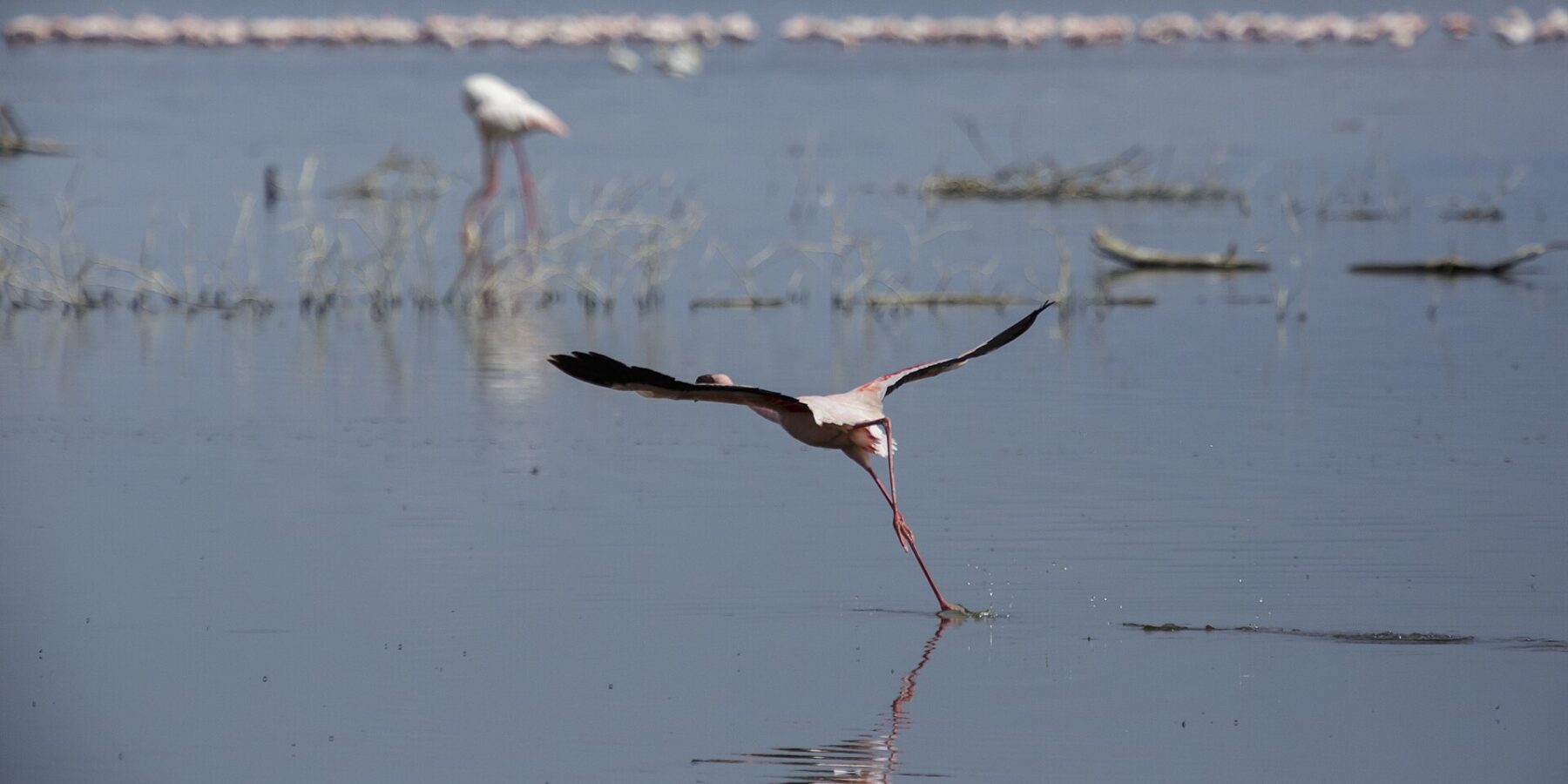
At Lake Nakuru, you drive around a soda lake lined with flamingos, in Kenya's first rhino sanctuary, where white rhinos graze in the open near the shore and black rhinos hide in the thickets. Rothschild's giraffes browse the yellow-barked acacias, and the fenced park covers 188 km².
Why go to Lake Nakuru?
- Kenya's first rhino sanctuary, since 1987, with both species, white and black
- Lesser and greater flamingos on the lake, by the thousands since the water rose in 2013
- Rothschild's giraffes, introduced in 1977, among the yellow-barked acacias
- Lions, leopards and buffalo in a fenced park of 188 km², 156 km from Nairobi
- The view over the lake from Baboon Cliff, and Makalia Falls in the south
Lake Nakuru in pictures
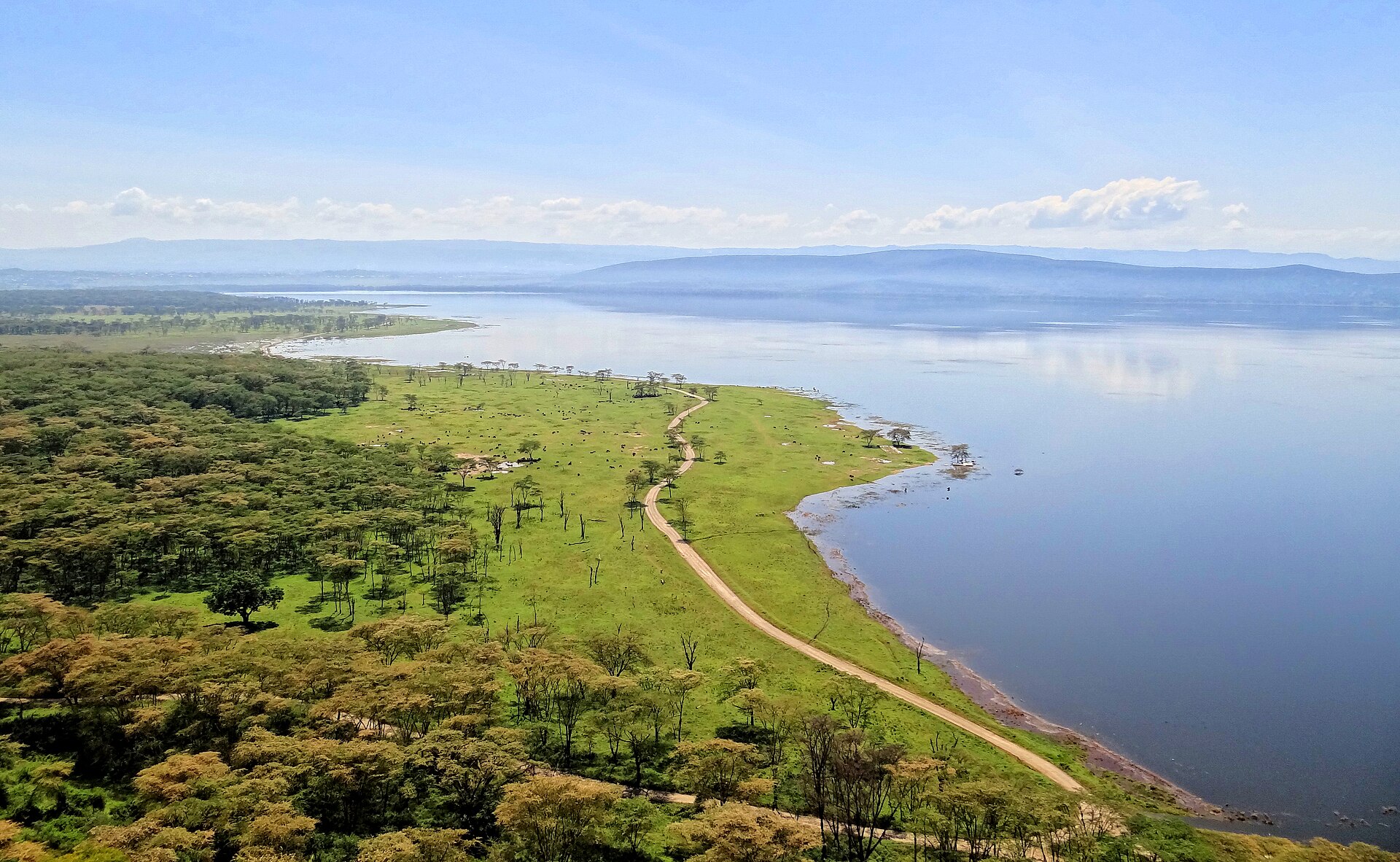
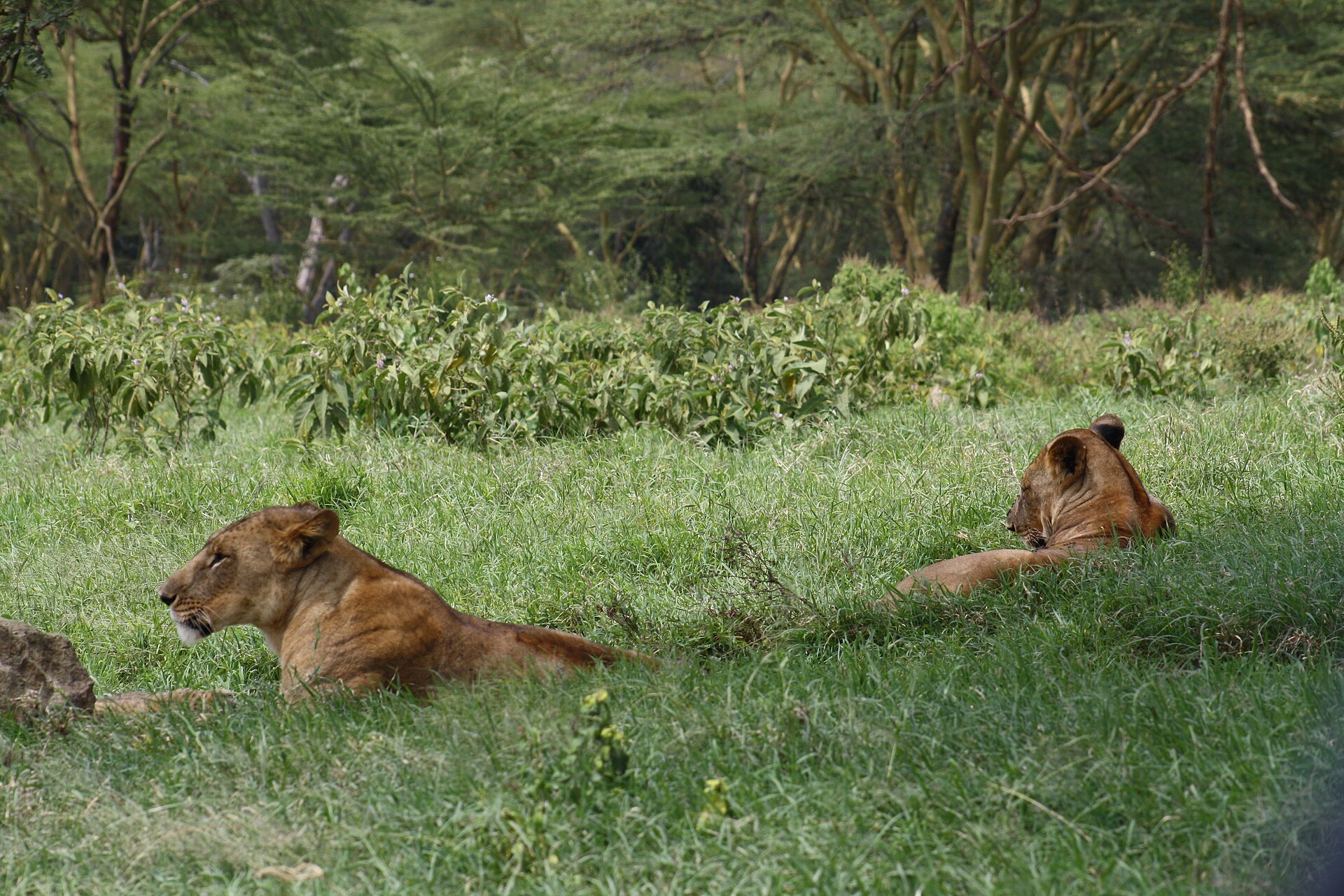
Which animals can you see in Lake Nakuru?
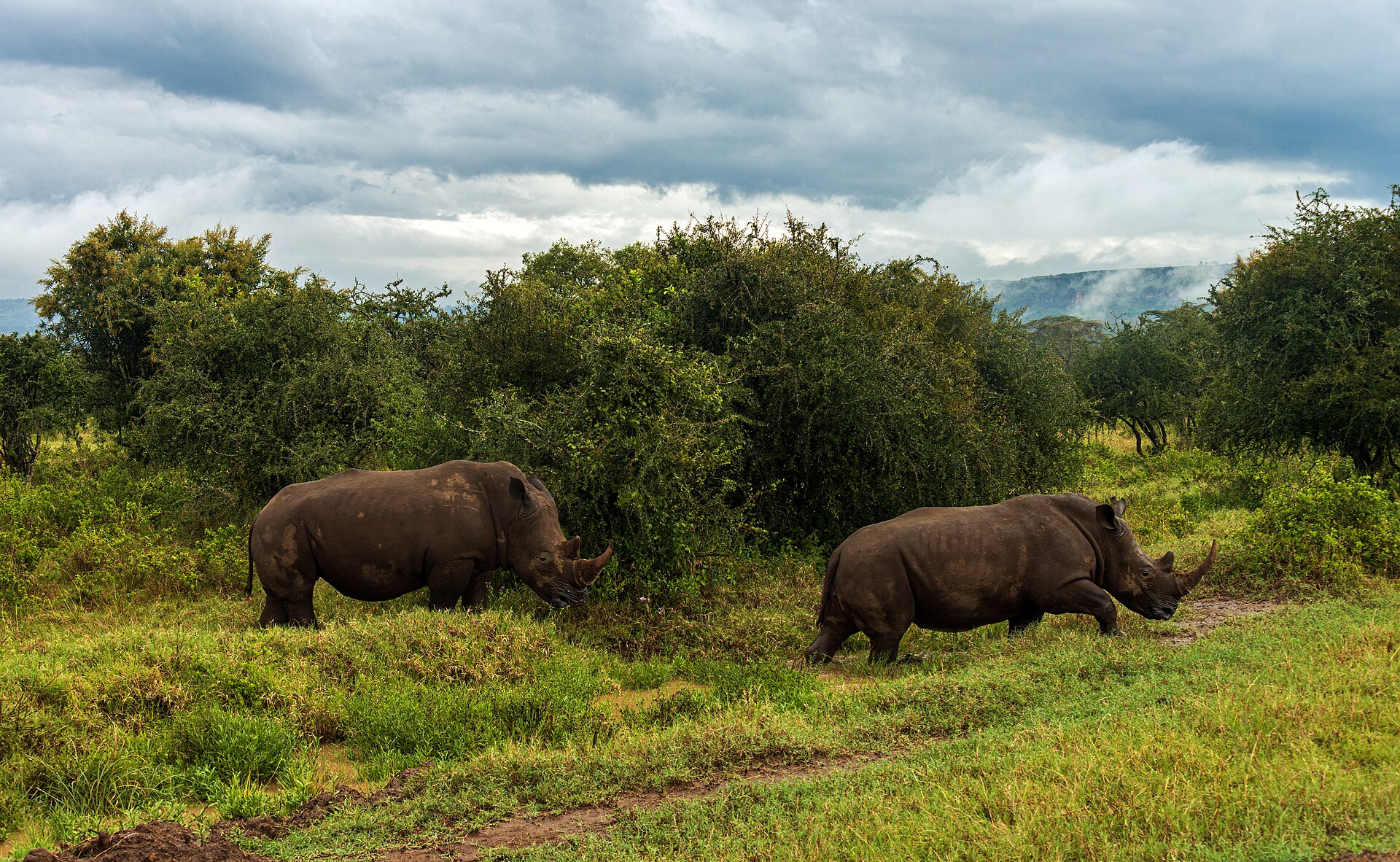
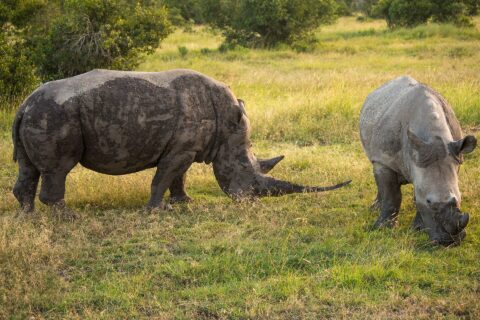
Rhinos are the reason to come. The park was fenced in 1986 and declared Kenya's first rhino sanctuary in 1987, and it holds both species. White rhinos, brought from South Africa, graze the south shore grassland and can be seen from far off. Black rhinos, rarer and more secretive, keep to the euphorbia and acacia thickets.
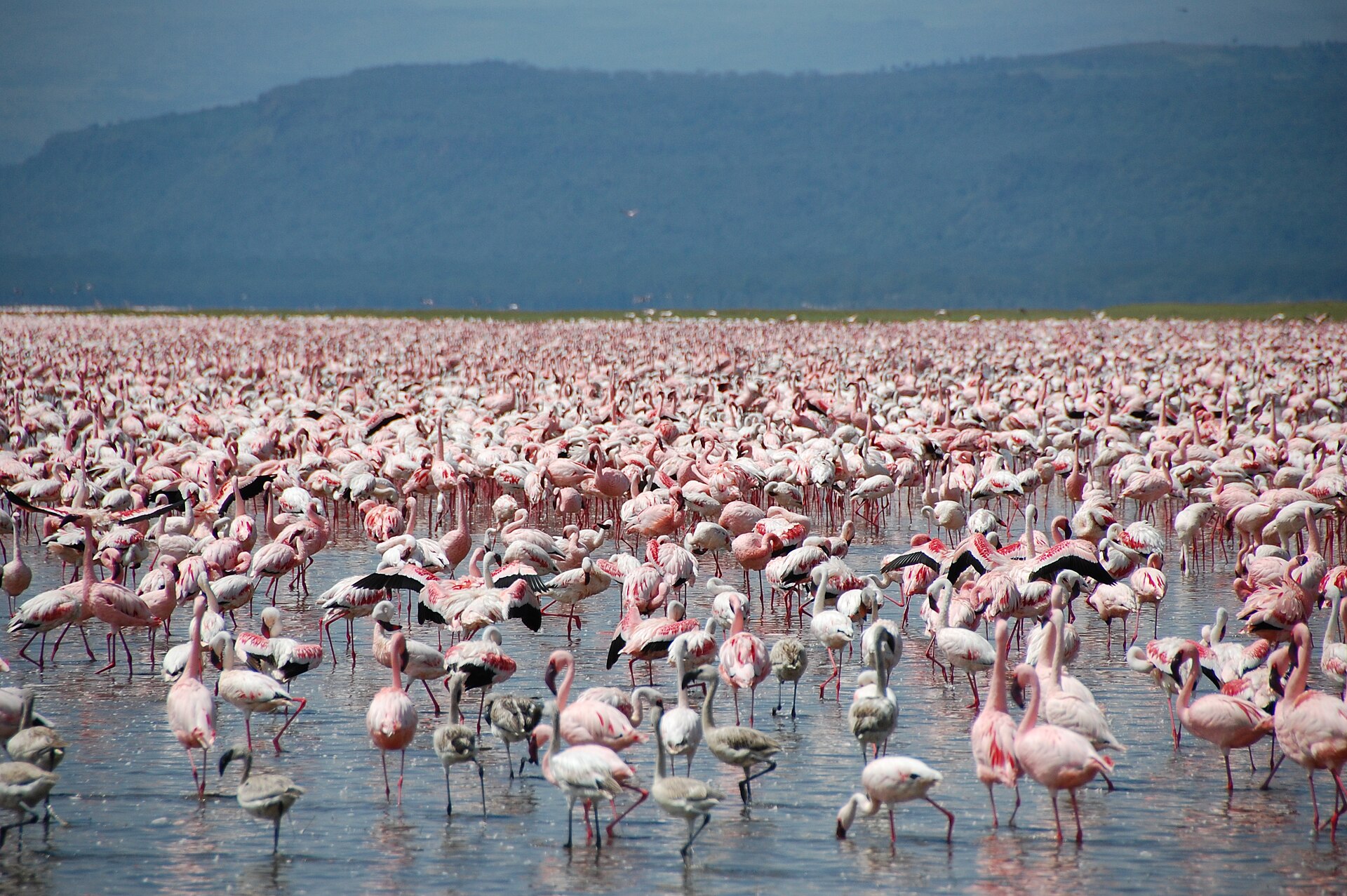
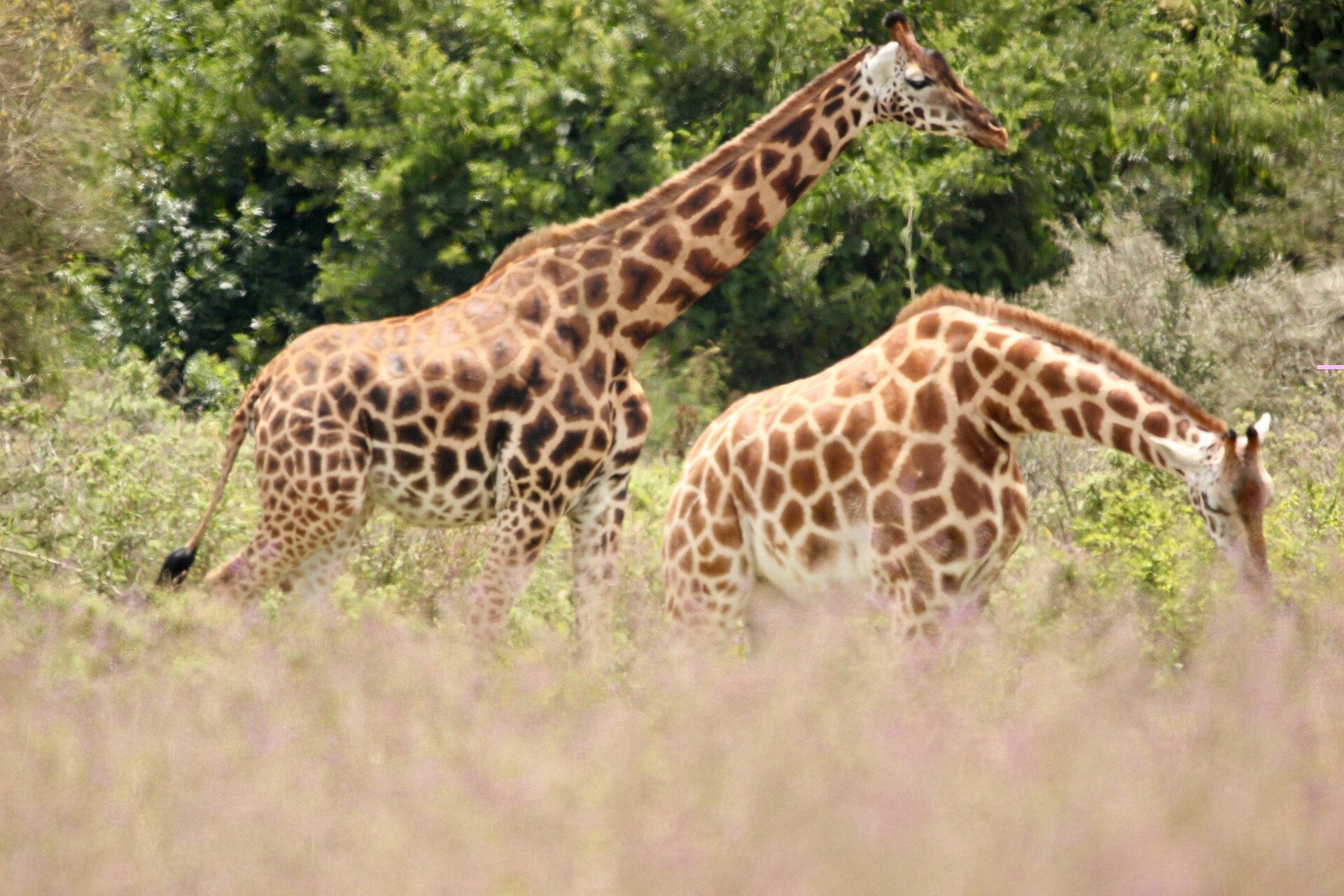
Lesser flamingos dominate the lake, and greater flamingos, taller and paler, mix with them. There were hundreds of thousands of them before 2013, and they have come back in far smaller numbers since the water rose. Rothschild's giraffes, introduced in 1977, browse the yellow-barked acacias near the entrance. Lions, leopards, buffalo, waterbuck, hippos and pythons live in the park, along with some 450 bird species, great white pelicans included.
| Species | J | F | M | A | M | J | J | A | S | O | N | D | Note |
|---|---|---|---|---|---|---|---|---|---|---|---|---|---|
 White rhinoceros | peak season | peak season | peak season | peak season | peak season | peak season | peak season | peak season | peak season | peak season | peak season | peak season | south shore grassland, out in the open |
 Black rhinoceros | possible | possible | possible | possible | possible | possible | possible | possible | possible | possible | possible | possible | euphorbia and acacia thickets, more elusive |
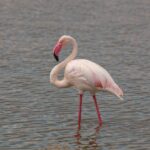 Greater flamingo | possible | possible | possible | possible | possible | possible | possible | possible | possible | possible | possible | possible | numbers vary with the lake level |
| Lesser flamingo | possible | possible | possible | possible | possible | possible | possible | possible | possible | possible | possible | possible | by the thousands in some months, absent in others |
| Rothschild's giraffe | peak season | peak season | peak season | peak season | peak season | peak season | peak season | peak season | peak season | peak season | peak season | peak season | yellow-barked acacias, near the entrance |
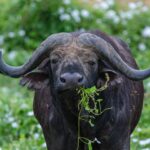 Buffalo | peak season | peak season | peak season | peak season | peak season | peak season | peak season | peak season | peak season | peak season | peak season | peak season | lakeside grasslands |
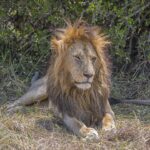 Lion | possible | possible | possible | possible | possible | possible | possible | possible | possible | possible | possible | possible | grasslands and acacias along the shore |
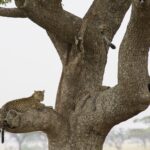 Leopard | possible | possible | possible | possible | possible | possible | possible | possible | possible | possible | possible | possible | yellow-barked acacias, often up a tree |
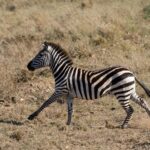 Plains zebra | peak season | peak season | peak season | peak season | peak season | peak season | peak season | peak season | peak season | peak season | peak season | peak season | southern grasslands |
| Waterbuck | peak season | peak season | peak season | peak season | peak season | peak season | peak season | peak season | peak season | peak season | peak season | peak season | near the water, throughout the park |
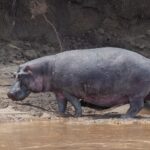 Hippopotamus | possible | possible | possible | possible | possible | possible | possible | possible | possible | possible | possible | possible | river mouths, south shore |
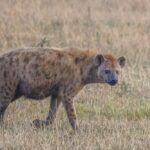 Spotted hyena | possible | possible | possible | possible | possible | possible | possible | possible | possible | possible | possible | possible | at night, around the lodges |
| Great white pelican | peak season | peak season | peak season | peak season | peak season | peak season | peak season | peak season | peak season | peak season | peak season | peak season | on the lake, in flocks |
| Guereza colobus | possible | possible | possible | possible | possible | possible | possible | possible | possible | possible | possible | possible | Makalia River forest |
peak seasonpossiblerare
What is a safari like in Lake Nakuru?
You can visit the park in a day from Nairobi or from Nakuru, 4 km from the main gate. A loop track circles the lake, with stops at Baboon Cliff, on the west side, for the view, and at Makalia Falls, in the south. You get out of the vehicle at these viewpoints and at the picnic sites, nowhere else.
The south shore grassland, between the acacias, is where the rhinos, buffalo and waterbuck gather. Self-driven 4x4s get around it easily, and in the dry season the tracks are among the easiest in the country. The fence keeps the rhinos and the other animals close to the tracks. The lodges sit on the hills to the south and east, inside the park.
When to go to Lake Nakuru?
idealgoodnot recommended
Lake Nakuru is open every month, and since the park is fenced, the rhinos, giraffes and buffalo stay put. The dry season, from June to September and again from December to February, brings the easiest tracks and clear light over the lake.
The flamingos depend on the water, which has risen since 2013 and dilutes the algae they feed on. Their numbers change from one month to the next, and many move to Lake Bogoria, farther north in the Rift Valley. The rains of April and May and of November raise the lake and turn the hills green, without closing the park.
How to get to Lake Nakuru?
The park lies 156 km northwest of Nairobi on the A104 highway, two and a half to three hours by road. The descent into the Rift Valley and the view over Lake Naivasha fill the drive. The main gate is 4 km from the center of Nakuru, and Lanet and Nderit gates can also be reached from the road. Every trip to Lakes Bogoria and Baringo passes this way, and the Masai Mara is reached via Narok.
Naishi airstrip, in the south of the park, takes private planes, but no airline runs scheduled flights to Nakuru, so the road remains the rule.
Stay in Lake Nakuru Main Gate
Where to find a guide in Lake Nakuru?
Guided tours you can book online, ranked by number of reviews. These are affiliate links: if you book, you support us at no extra cost.

 Viator
5 Days Masai Mara, Lake Nakuru & Naivasha Budget Joining Safari
4.9 (377 reviews)View and book Viator
Full Day Lake Nakuru Park and optional boat ride on Lake Naivasha
4.7 (95 reviews)View and book Viator
7 Day Maasai Mara, Lake Nakuru, Lake Naivasha and Amboseli Safari
4.7 (59 reviews)View and book Viator
Lake Nakuru National Park Day Trip
4.9 (46 reviews)View and book Viator
Lake Nakuru Day Trip Safari - & Optional Lake Naivasha Boat
5.0 (9 reviews)View and book Viator
Lake Naivasha And Lake Nakuru Overnight Tour
5.0 (6 reviews)View and bookWhere to stay near Lake Nakuru?
Hotels, apartments and rooms around Lake Nakuru Main Gate, with current prices.
Why are there fewer flamingos at Lake Nakuru?
Until 2013, Lake Nakuru was one of the great gatherings of lesser flamingos in East Africa. Hundreds of thousands of birds, sometimes more than a million, filtered the blue-green algae out of its soda water. Then the lake rose, like every lake in the Rift. Its surface almost doubled between 2009 and 2022, the water was diluted and the algae fell by half.
The flamingos left for Bogoria, Elmenteita and Lake Natron in Tanzania, where they breed. They come back by the thousands when the water drops, and you look for them in the south bay, near the Makalia River, and from Baboon Cliff.
How did Lake Nakuru become a rhino sanctuary?
The park was created in 1961 for its birds, enlarged in 1968 and again in 1974 to its current 188 km², and fenced in 1986. In 1987, Kenya made it the country's first rhino sanctuary. Black rhinos from all over Kenya and white rhinos imported from South Africa were brought here, safe from poaching.
The gamble paid off. By 2009, the park already had more than 25 black rhinos and about 70 white rhinos, and it has supplied animals to other reserves. Kenya counted 2,102 rhinos at the end of 2024, including 1,059 black rhinos and 1,041 southern white rhinos.
Frequently asked questions about Lake Nakuru
When is the best time to visit Lake Nakuru?
Any month for the rhinos and giraffes, which stay inside the fenced park. June to September and December to February for dry tracks. Flamingo numbers vary with the lake level, and no season guarantees them.
How much is the Lake Nakuru National Park entry fee?
US$90 per adult per 24-hour period, US$45 per child or student, for a single entry. A vehicle with fewer than six seats pays KSh 600. Public camping costs US$30 per adult per night.
Are there still flamingos at Lake Nakuru?
Yes, by the thousands, but no longer by the hundreds of thousands. The lake has risen since 2013, the water has been diluted, and a large share of the lesser flamingos has moved to Lake Bogoria. They come back in some months, and greater flamingos remain in small numbers.
How do you get from Nairobi to Lake Nakuru?
By the A104 highway, 156 km and two and a half to three hours to the main gate, 4 km from Nakuru. There are no scheduled flights, and many travelers stop here between Nairobi and the Masai Mara or Samburu.
How much time do you need at Lake Nakuru?
One day is enough for the lake loop, Baboon Cliff and Makalia Falls. A night in the park adds the dawn on the south shore, the best time for rhinos.
Can you visit Lake Nakuru without a guide?
Yes, the park accepts self-driven vehicles, with a simple loop track around the lake and signs at the junctions. Rangers can escort you, two at least, for KSh 2,000 each per four-hour outing.
Our tip
Enter by the main gate when it opens at 6 a.m., and take the south shore first: the grassland between the acacias shows white rhinos early in the morning. Drive up to Baboon Cliff in the late morning, as the view tells you where the flamingos are that day.
Other parks nearby
 KenyaPrivate reserve
Ol Pejeta Conservancy
Northern Kenya KenyaNational reserve
Masai Mara National Reserve
Southwestern Kenya KenyaNational reserve