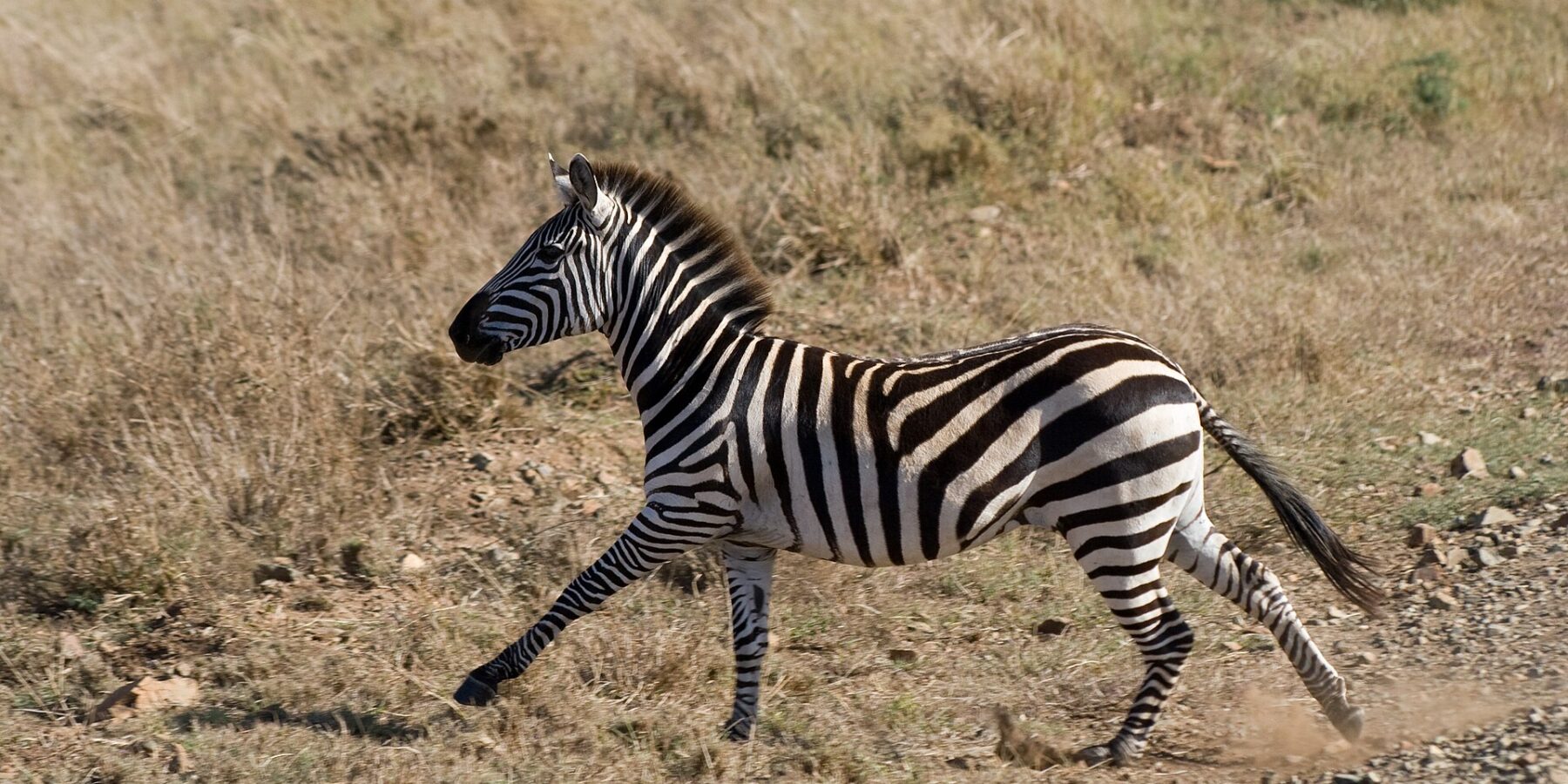
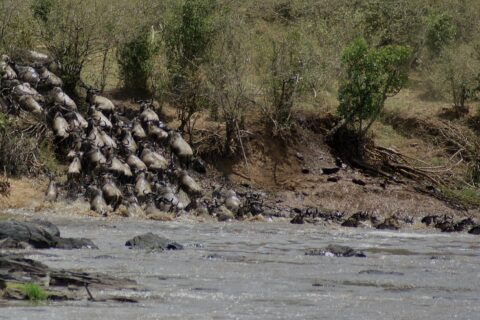
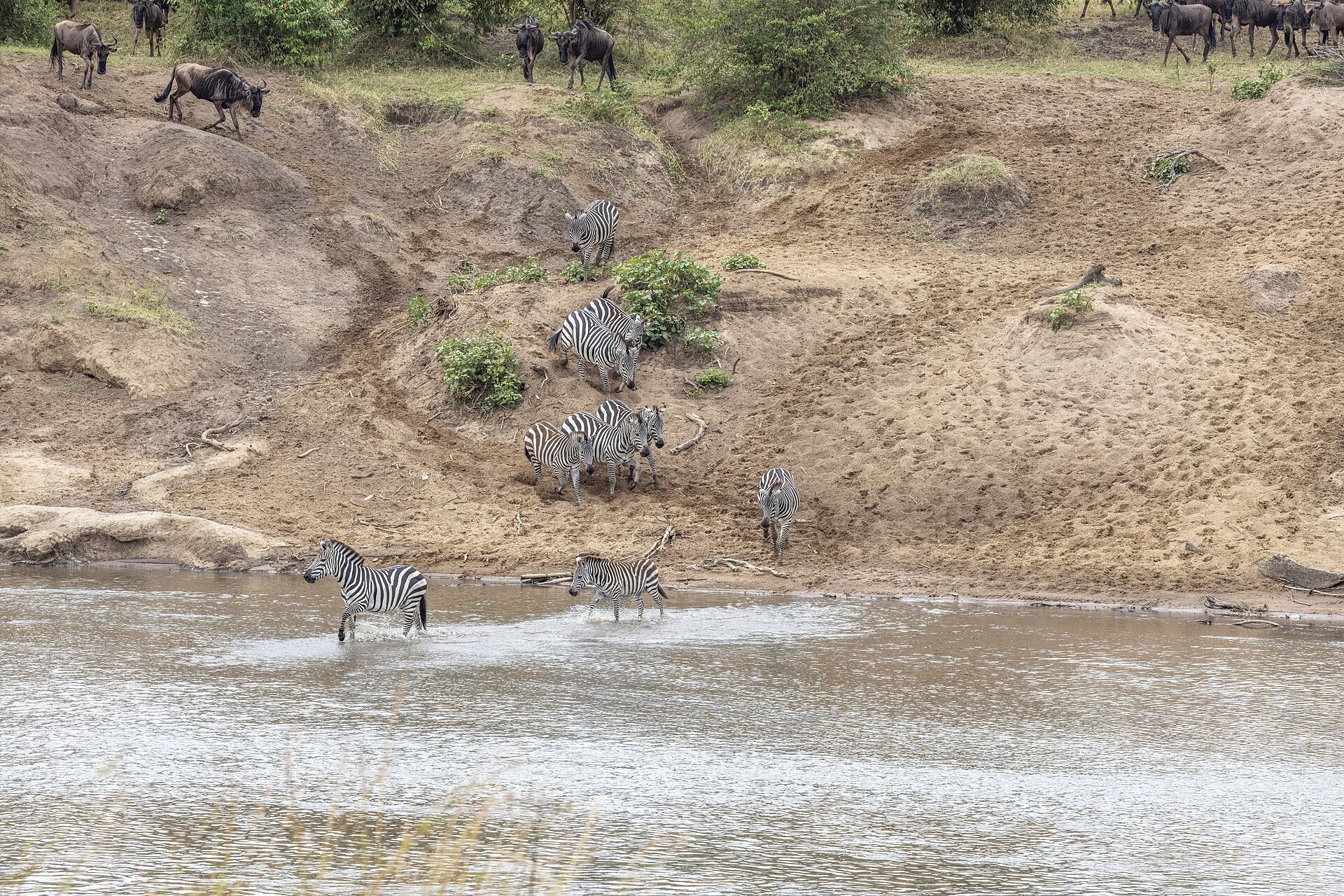
In the Serengeti, 250,000 plains zebras follow the wildebeest on the Great Migration, and at the Mara River crossings, from July to October, they are often the first into the water. You will also see plenty in Ngorongoro Crater, the Masai Mara and around Satara in Kruger.
Where to see the plains zebra on safari?
 South AfricaNational park
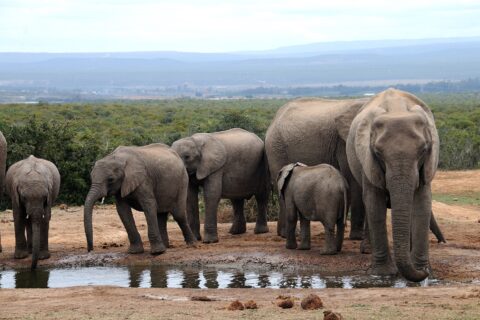
Addo Elephant National Park
Eastern CapePeak season all year round: open areas
 KenyaNational park
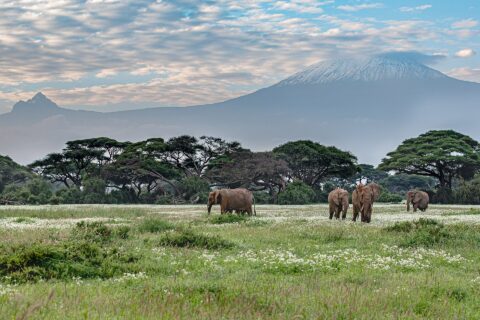
Amboseli National Park
Southern KenyaPeak season all year round: throughout the park
 South AfricaGame reserve
Hluhluwe-iMfolozi Park
KwaZulu-NatalPeak season all year round: open slopes and roadsides
 South AfricaNational park
Kruger National Park
Northeastern South AfricaPeak season all year round: central plains, around Satara
 TanzaniaNational park
Lake Manyara National Park
Northern TanzaniaPeak season all year round: lakeshore plains
 KenyaNational park
Lake Nakuru National Park
Northern KenyaPeak season all year round: southern grasslands
 South AfricaGame reserve
Madikwe Game Reserve
Northwestern South AfricaPeak season all year round: open plains
 KenyaNational reserve
Masai Mara National Reserve
Southwestern KenyaPeak season all year round: residents and migrants, throughout the reserve
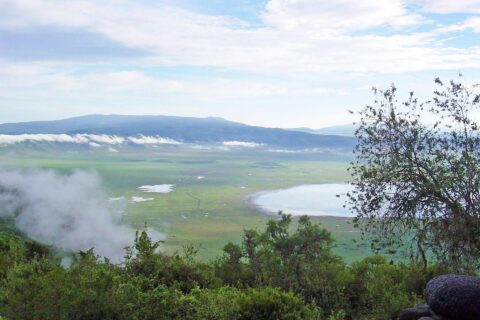 TanzaniaConservation area
Ngorongoro Conservation Area
Northern TanzaniaPeak season all year round: in the crater
 TanzaniaNational park
Nyerere National Park
Southern TanzaniaPeak season all year round: plains and lakeshores
 KenyaPrivate reserve
Ol Pejeta Conservancy
Northern KenyaPeak season all year round: throughout the reserve
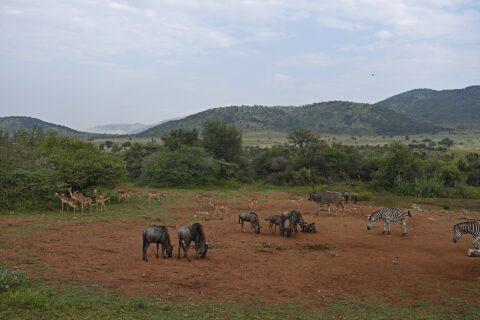 South AfricaNational park
Pilanesberg National Park
Northwestern South AfricaPeak season all year round: everywhere, in herds
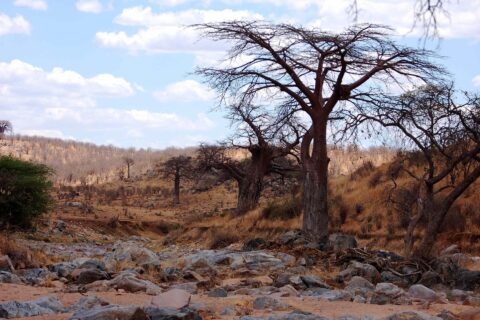 TanzaniaNational park
Ruaha National Park
Southern TanzaniaPeak season all year round: plains and hills
 South AfricaPrivate reserve
Sabi Sand Game Reserve
Northeastern South AfricaCan be seen all year round: open areas
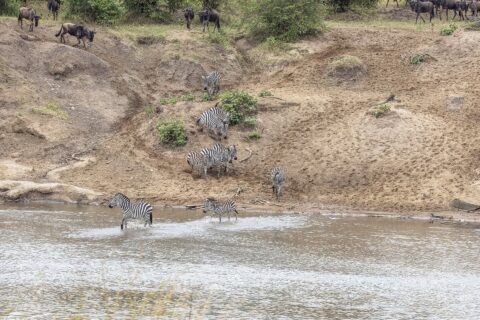 TanzaniaNational park
Serengeti National Park
Northern TanzaniaPeak season all year round: with the wildebeest, throughout the park
 TanzaniaNational park
Tarangire National Park
Northern TanzaniaPeak season from June to October: returns from the surrounding plains in the dry season
 KenyaNational park
Tsavo East National Park
Southern KenyaPeak season all year round: southern plains
How do you identify a plains zebra?
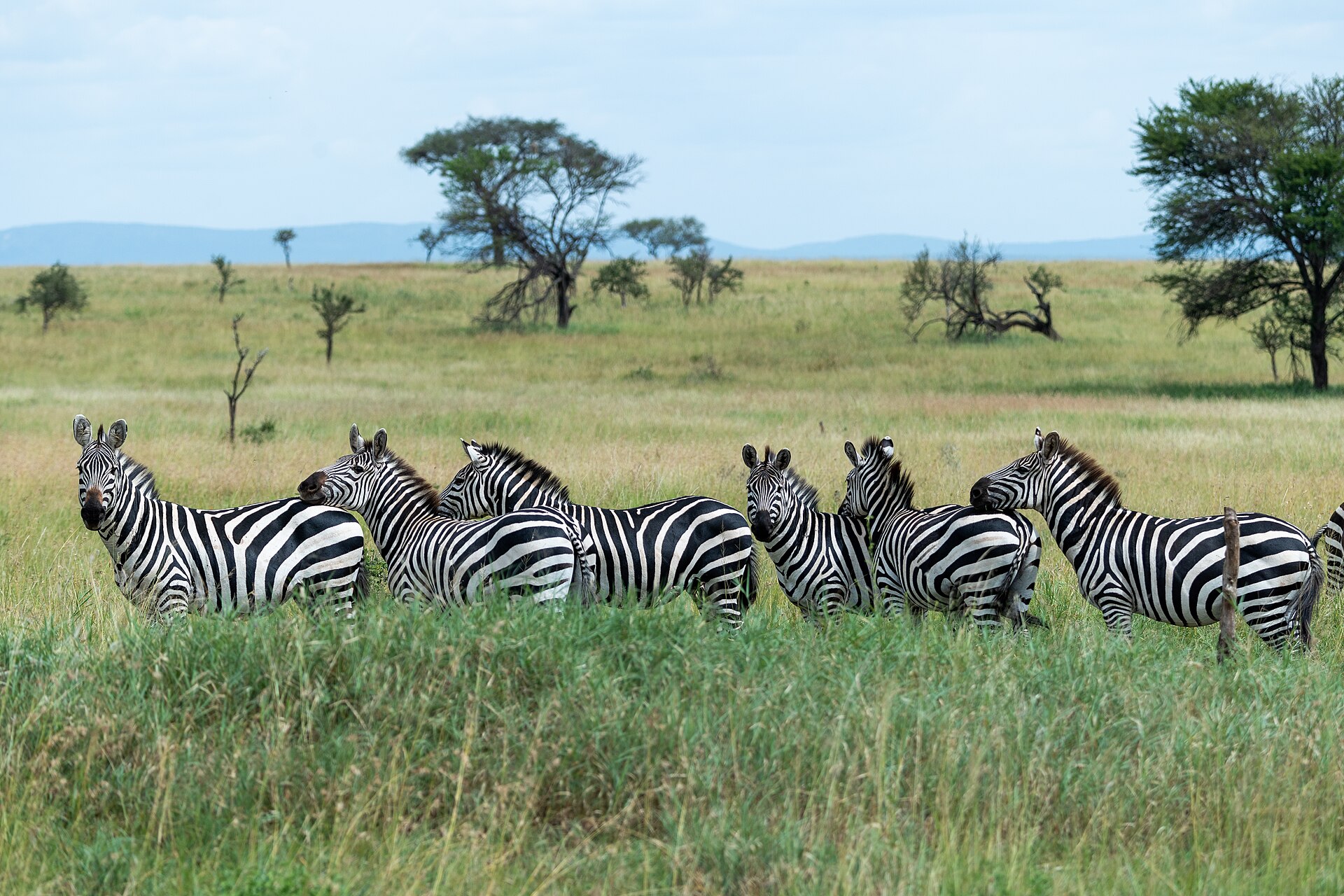
The plains zebra is an equid 1.10 to 1.45 meters at the shoulder, with a pony-like body, striped black on white all the way under the belly. The ears are short and round, and the stiff mane carries on the stripes of the neck. In the East African subspecies, Grant's zebra, paler brown bands often appear between the black ones. Grévy's zebra, from northern Kenya, has narrow, closely set stripes, a white belly and big mule-like ears, and it does not live in Tanzania. Every zebra has its own pattern, and foals recognize their mother by her stripes.
Plains zebra in pictures
How do plains zebras live?
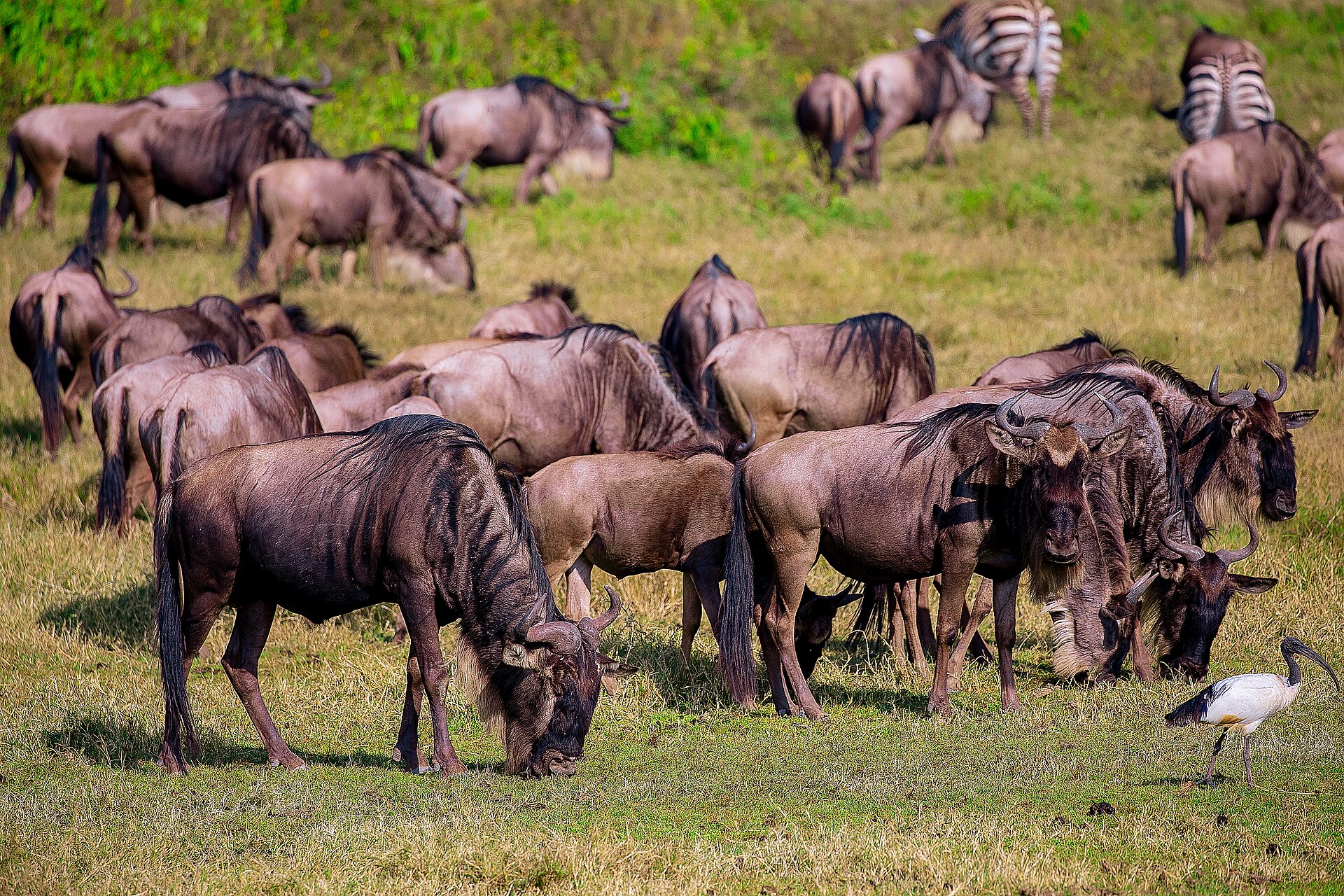
Plains zebras live in harems, one stallion with a few mares and their foals, which gather into large herds in the dry season. They graze the tall, coarse grass that wildebeest pass over, which is why the two species travel together without competing. In the Serengeti, 250,000 zebras follow the migration, and resident populations live in all the other parks. They have to drink every day and stay close to water in the dry season. Against lions and hyenas, their main predators, they fight back with kicks and bites, and a stallion can kill a hyena.
Where and when can you see plains zebras on safari?
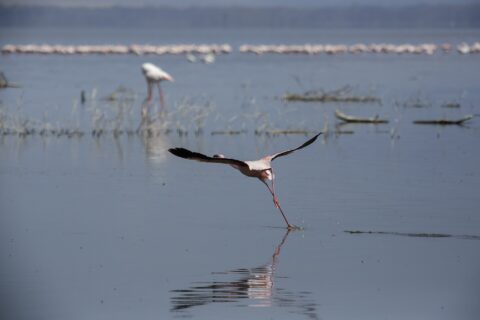
In Tanzania, zebras live in every park, in large numbers, and let you get close. In Ngorongoro, several thousand zebras mix with the wildebeest on the crater's short grass. At Lake Manyara, they graze on the shore in front of the flamingos. In the Serengeti, the herds follow the migration, and at the Mara River crossings, from July to October, the zebras often plunge in first. Tarangire gets them from June to October.
In Kenya, zebras live in the Masai Mara year-round, and the migrating herds arrive around July, ahead of the wildebeest. At Ol Pejeta, they graze alongside Grévy's zebras.
In South Africa, Kruger shows them mostly on the central plains around Satara, with the wildebeest. In Madikwe you see them on every game drive, and in Pilanesberg they are everywhere, in herds. In the morning, the harems drink together, and one animal keeps watch while the others lower their heads.
Are plains zebras endangered?
In 2016, the IUCN moved the plains zebra to Near Threatened: the population had fallen from 660,000 to fewer than 500,000 in fourteen years. It is hunted for its meat and skin as soon as it leaves protected areas, and fences and livestock farming cut off its routes. The quagga, the South African subspecies, died out in the 19th century. Tanzania's large parks, led by the Serengeti, remain its main refuge.
Our tip
Follow the wildebeest: in the Serengeti, zebras often lead the migration, because they eat the tall grass the wildebeest leave behind. In the crater and at Lake Manyara, the harems let a stopped vehicle come within a few meters.