In Pilanesberg, you go on a Big Five safari inside the crater of a 1.25-billion-year-old volcano, three hours' drive from Johannesburg. You see elephants and rhinos from the very first drive, in valleys that ring Mankwe Dam. The park is malaria-free, and many families take their first safari here.
Why go to Pilanesberg?
- The Big Five in the caldera of a 1.25-billion-year-old volcano, inside rings of hills
- No malaria, three hours from Johannesburg and two from Pretoria
- Elephants and rhinos that are easy to see, among more than 10,000 animals across 572 km²
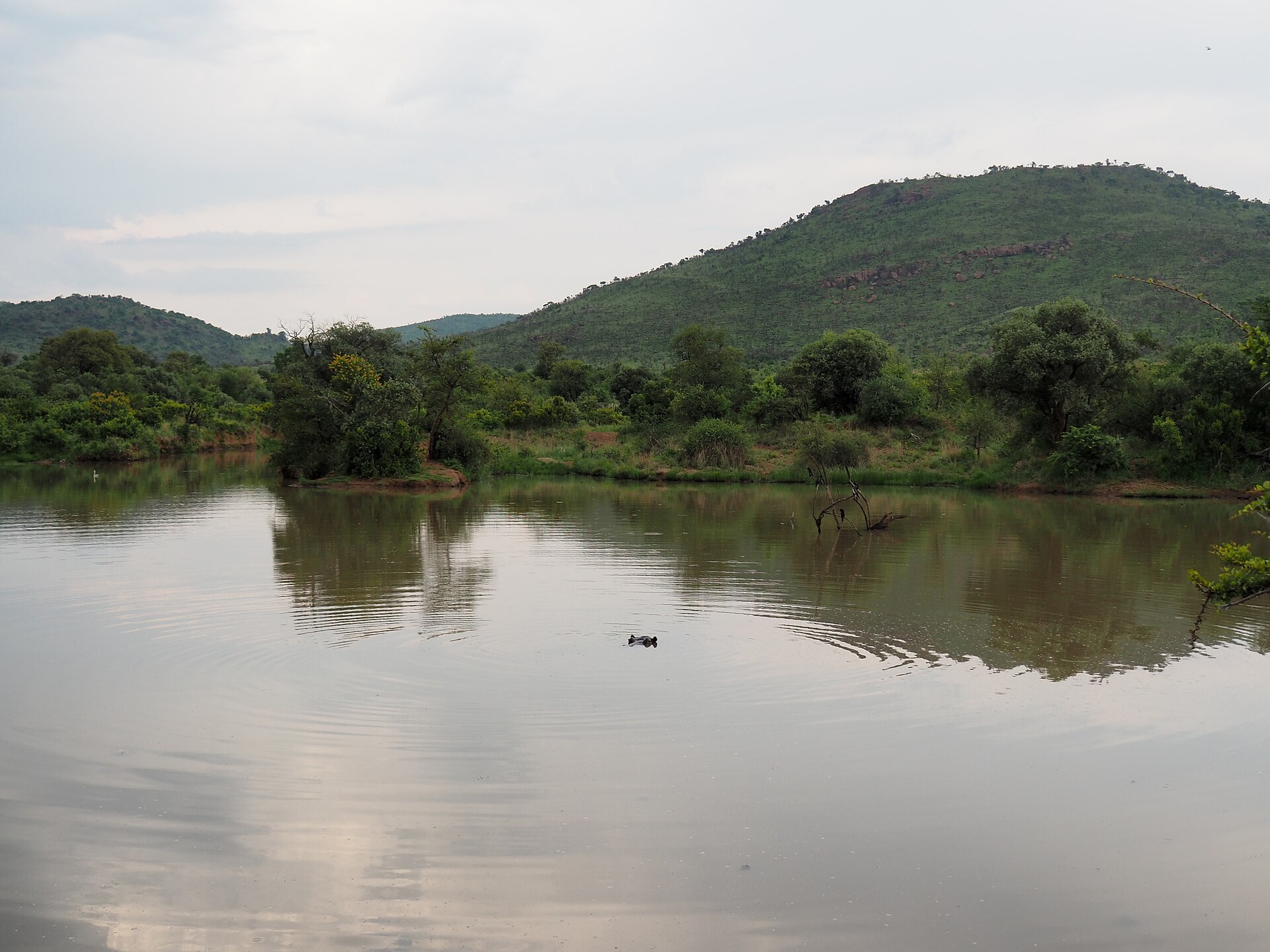
- The Mankwe Dam hides, in the middle of the crater, where everything comes to drink in the dry season
- Hot-air balloon flights at sunrise over the hills
Pilanesberg in pictures
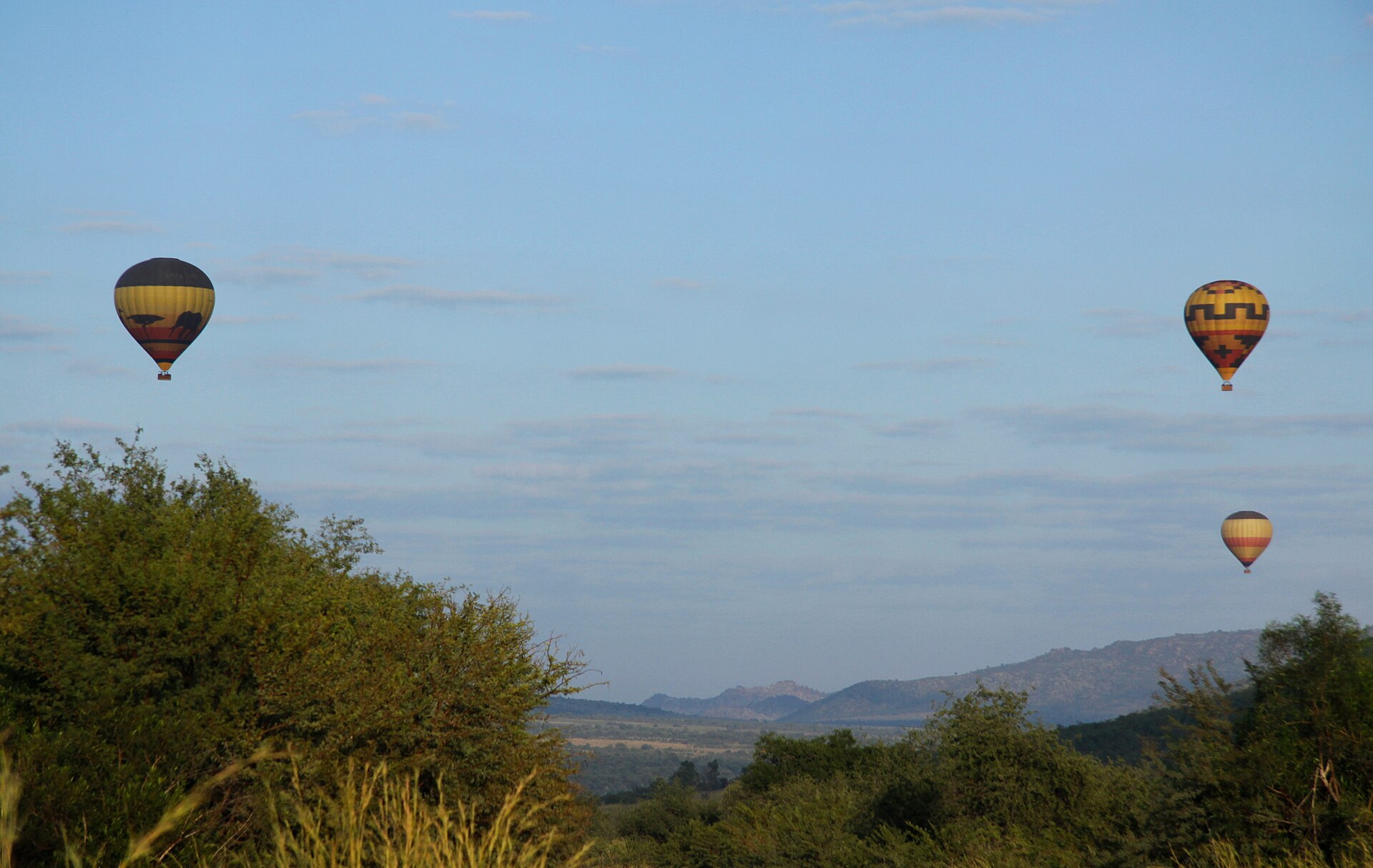
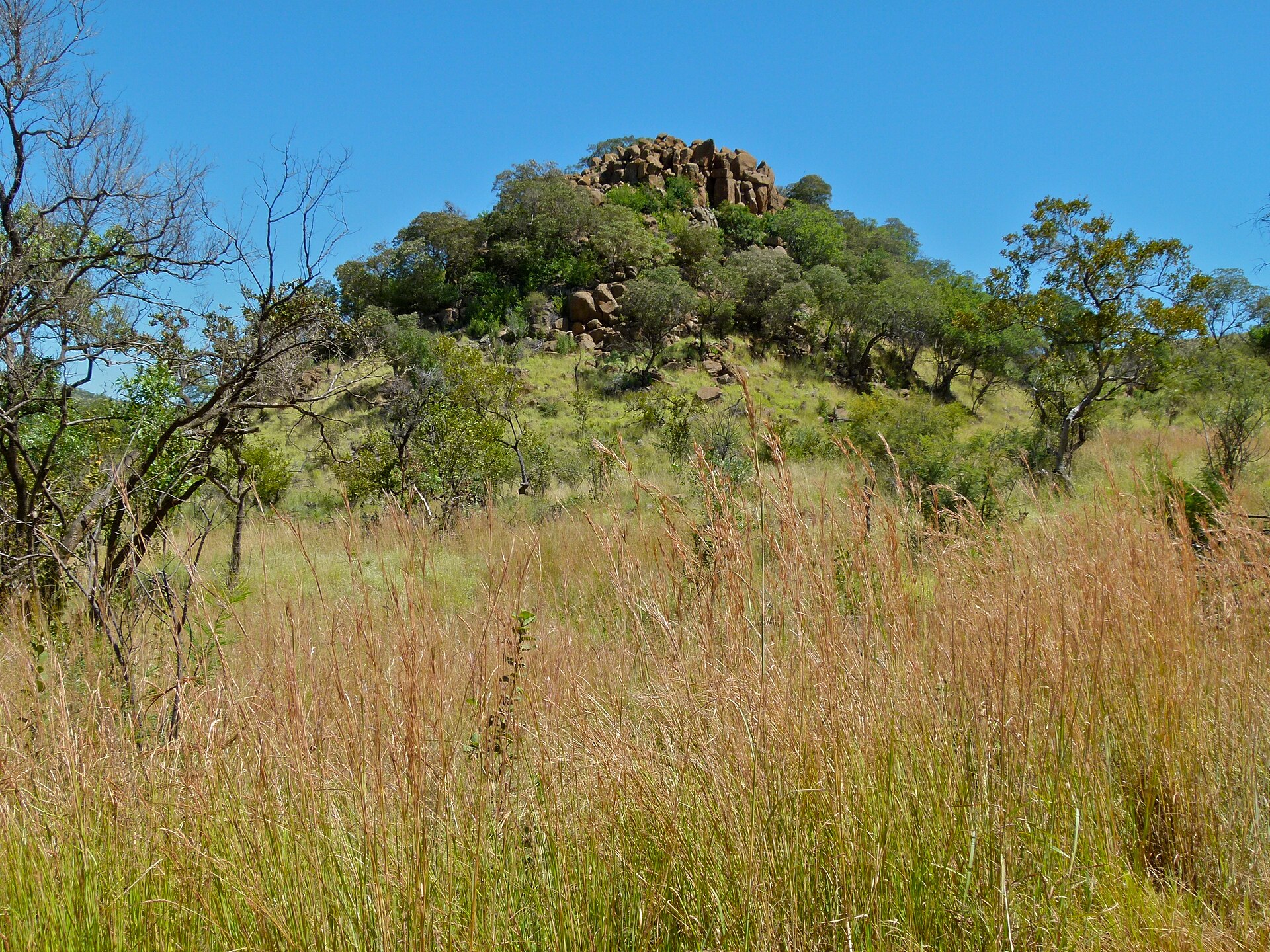
Which animals can you see in Pilanesberg?
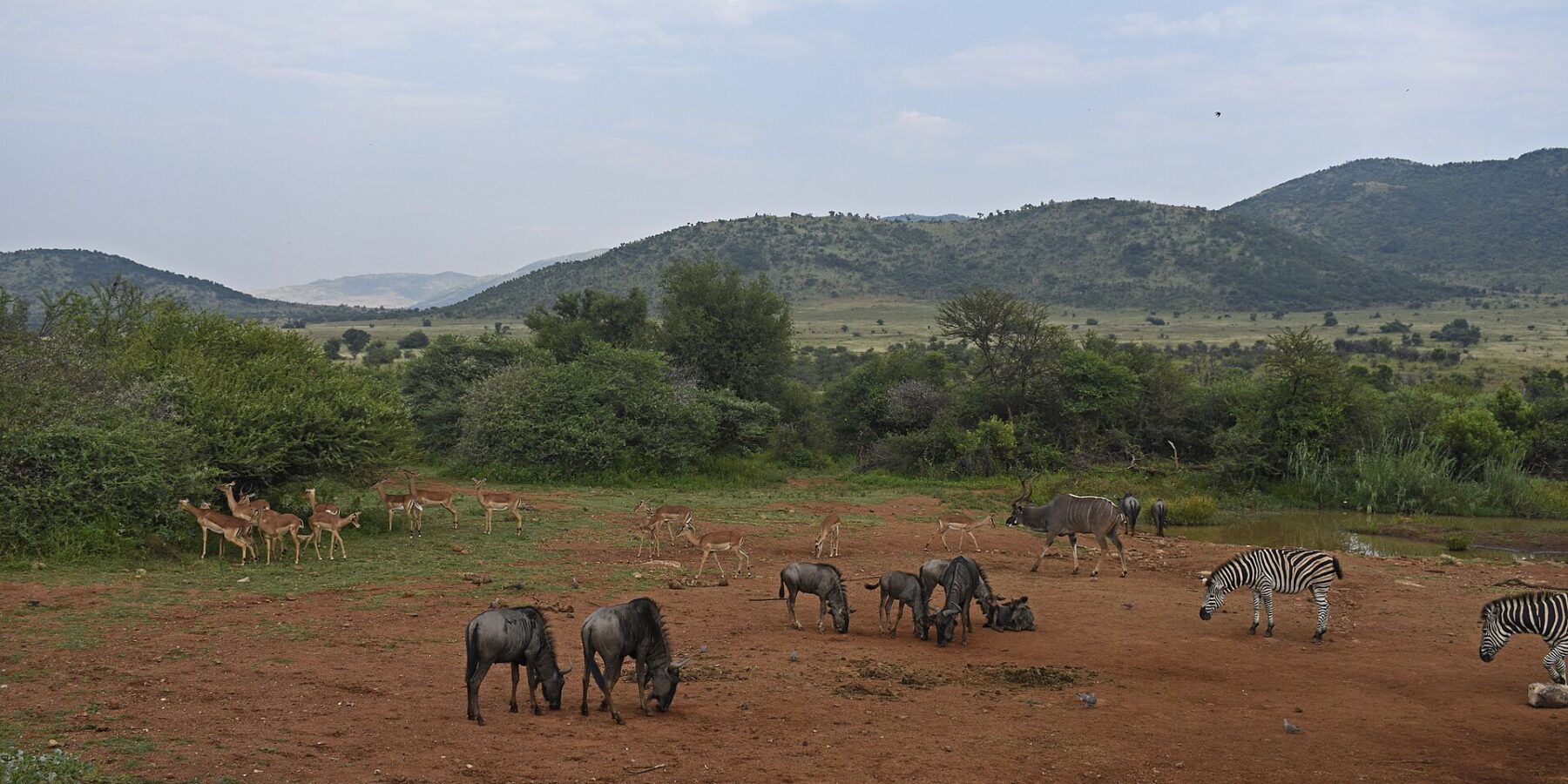
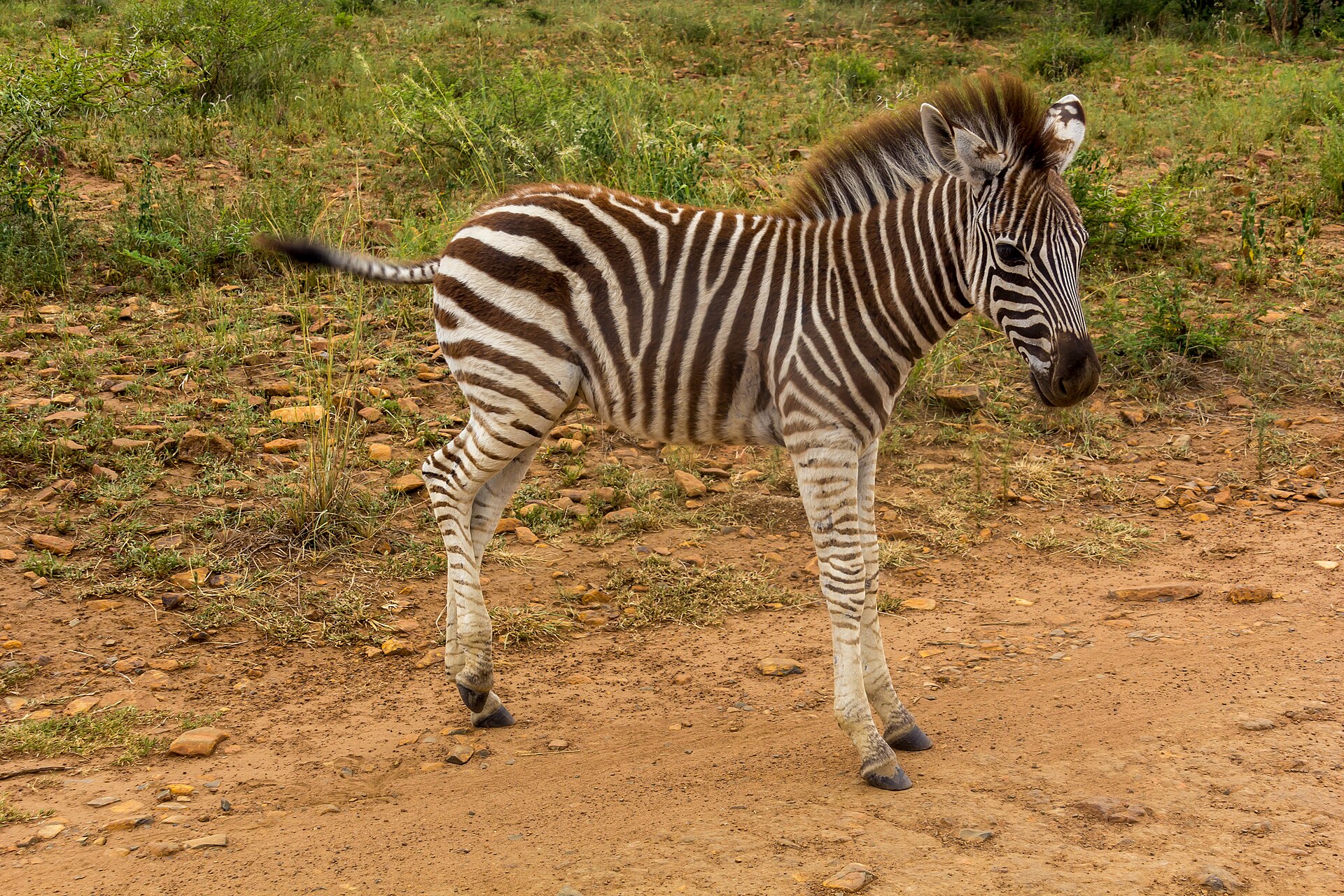
Pilanesberg got its animals by the truckload. Operation Genesis, launched in 1979, released about 6,000 animals of 22 species onto former farmland, and the park now has more than 10,000. Elephants are the easiest to find, followed by white rhinos on the grassy valley floors. Lions, leopards and buffalo complete the Big Five, and cheetahs and wild dogs also live in the crater.
More than 360 bird species have been recorded, and Mankwe Dam draws many of them, along with the hippos and crocodiles. The brown hyena, found only in southern Africa, turns up at night on the park's roads.
| Species | J | F | M | A | M | J | J | A | S | O | N | D | Note |
|---|---|---|---|---|---|---|---|---|---|---|---|---|---|
 Elephant | peak season | peak season | peak season | peak season | peak season | peak season | peak season | peak season | peak season | peak season | peak season | peak season | the easiest to find, in the valleys |
 White rhinoceros | peak season | peak season | peak season | peak season | peak season | peak season | peak season | peak season | peak season | peak season | peak season | peak season | grassy valley floors, often dehorned |
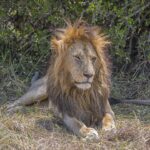 Lion | possible | possible | possible | possible | possible | possible | possible | possible | possible | possible | possible | possible | a few prides, located by the guides in the morning |
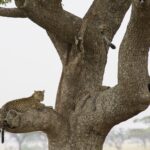 Leopard | rare | rare | rare | rare | rare | rare | rare | rare | rare | rare | rare | rare | rocky hills, rarely seen |
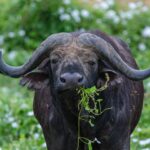 Buffalo | possible | possible | possible | possible | possible | possible | possible | possible | possible | possible | possible | possible | herds in the grassy valleys |
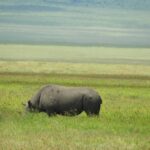 Black rhinoceros | rare | rare | rare | rare | rare | rare | rare | rare | rare | rare | rare | rare | thickets, very rare |
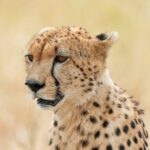 Cheetah | possible | possible | possible | possible | possible | possible | possible | possible | possible | possible | possible | possible | open plains in the center |
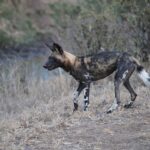 African wild dog | possible | possible | possible | possible | possible | possible | possible | possible | possible | possible | possible | possible | one or two packs, passing through |
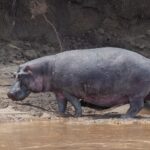 Hippopotamus | peak season | peak season | peak season | peak season | peak season | peak season | peak season | peak season | peak season | peak season | peak season | peak season | Mankwe Dam |
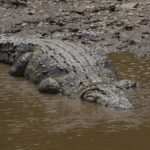 Nile crocodile | possible | possible | possible | possible | possible | possible | possible | possible | possible | possible | possible | possible | Mankwe Dam |
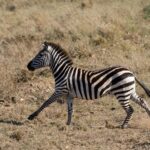 Plains zebra | peak season | peak season | peak season | peak season | peak season | peak season | peak season | peak season | peak season | peak season | peak season | peak season | everywhere, in herds |
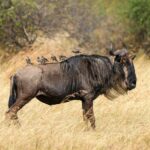 Wildebeest | peak season | peak season | peak season | peak season | peak season | peak season | peak season | peak season | peak season | peak season | peak season | peak season | central plains |
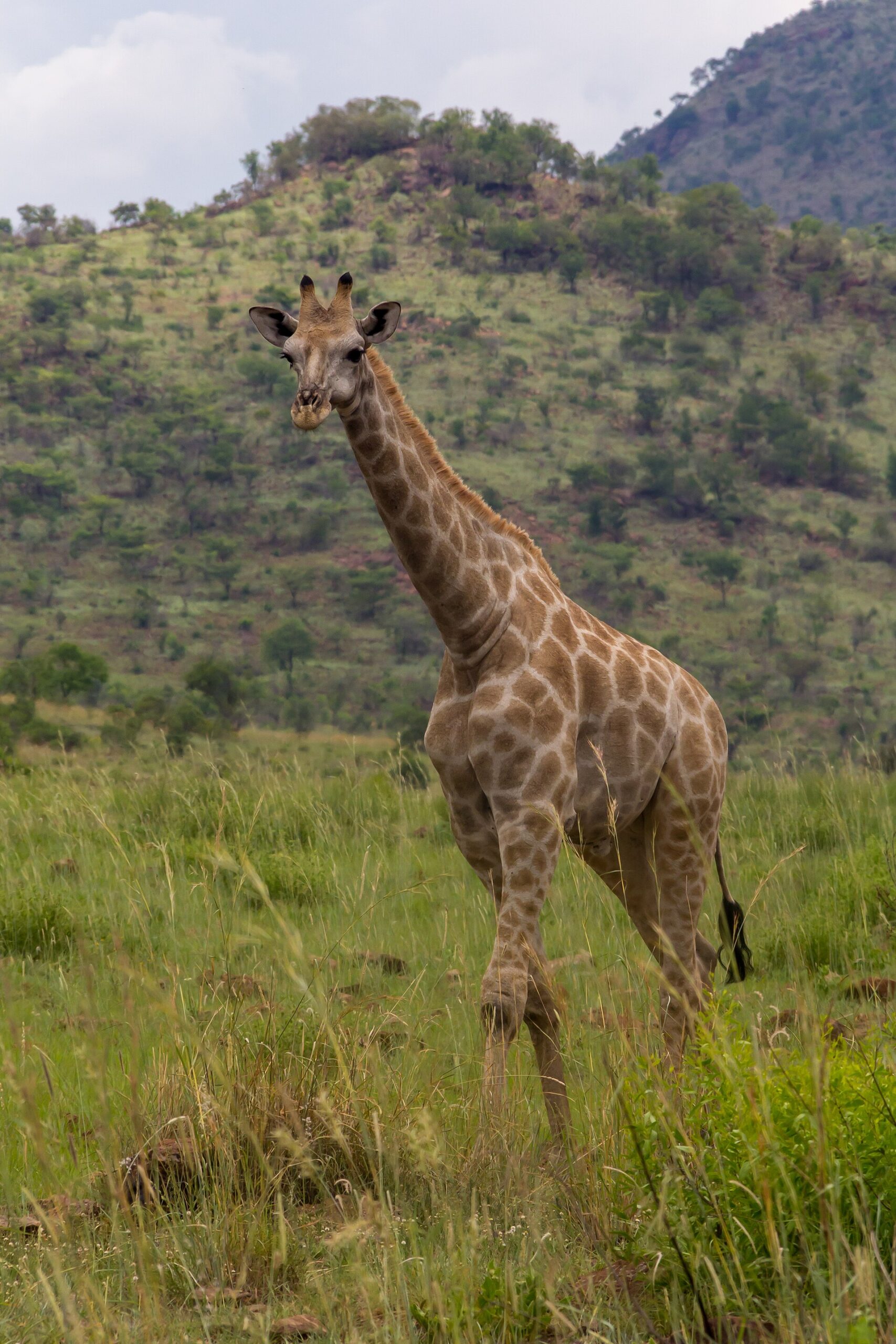
| South African giraffe | peak season | peak season | peak season | peak season | peak season | peak season | peak season | peak season | peak season | peak season | peak season | peak season | wooded valleys |
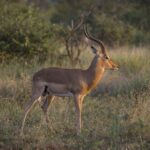 Impala | peak season | peak season | peak season | peak season | peak season | peak season | peak season | peak season | peak season | peak season | peak season | peak season | everywhere, right up to the Pilanesberg Centre |
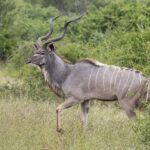 Greater kudu | peak season | peak season | peak season | peak season | peak season | peak season | peak season | peak season | peak season | peak season | peak season | peak season | wooded hillsides |
 Warthog | peak season | peak season | peak season | peak season | peak season | peak season | peak season | peak season | peak season | peak season | peak season | peak season | grassy clearings and the edges of tracks |
| Brown hyena | rare | rare | rare | rare | rare | rare | rare | rare | rare | rare | rare | rare | at night, rarely seen |
peak seasonpossiblerare
What is a safari like in Pilanesberg?
You drive yourself on 188 km of dirt tracks and paved roads that wind through the rings of hills, with Mankwe Dam at the center. The waterside hides and the Pilanesberg Centre, in the middle of the park, are the only places where you get out of the car. The lodges and camps sit at the four gates, Bakubung, Bakgatla, Manyane and Kwa Maritane, and Sun City borders the park to the south.
The lodges offer three-hour guided drives in open 4x4s, in the morning and at sunset, which stay out after the gates close to private cars. Four-hour walks with an armed ranger are open to anyone aged 16 and over, and hot-air balloons take off at sunrise.
When to go to Pilanesberg?
idealgoodnot recommended
Wildlife viewing is best in the dry season, from June to September. The grass is short, waterholes become scarce and the animals gather at Mankwe Dam and in front of the hides. Winter nights are cold on the plateau, with mild days and clear skies.
From November to April, summer brings storms and tall grass that hides the animals, but also births and migrant birds. The park is malaria-free in every season, so a midsummer safari with children is still an option.
How to get to Pilanesberg?
Pilanesberg is about three hours by car from Johannesburg and two hours from Pretoria, on the N4 to Rustenburg and then the Sun City road. The four gates are Bakubung and Kwa Maritane in the south, near Sun City, Manyane in the east and Bakgatla in the northeast. No public transportation goes there, and day trips leave from Johannesburg with a driver.
There is no gas station in the park, so fill up at Sun City or Rustenburg. A regular car is fine on the main roads, and only the Lenong Pass track calls for higher ground clearance.
Stay in Sun City
Where to stay near Pilanesberg?
Hotels, apartments and rooms around Sun City, with current prices.
How did a 1.25-billion-year-old volcano become Pilanesberg National Park?
The park fills the center of an ancient volcano, where 1.25 billion years of erosion have laid bare its rings of rock. The hills form circles around a central plain, where Mankwe Dam holds back the rainwater. People have lived here since the Stone Age, and you can still visit Iron Age villages inside the park.
Until the 1970s, this land was farmland. The park was created in 1979, the buildings were razed, and within a few years Operation Genesis reintroduced 6,000 animals of 22 species, the largest wildlife relocation ever carried out at the time. The park is named after Chief Pilane of the Kgafela people.
Frequently asked questions about Pilanesberg
When is the best time to visit Pilanesberg?
From June to September, in the dry season, when the grass is short and the animals gather at waterholes. Summer, from November to April, is green and stormy, with more birds and poorer visibility. No malaria medication is needed, whatever the month.
How much is the entry fee for Pilanesberg?
R748 per international adult per day, R275 per child, plus R168 per car, in 2026. South Africans pay R168 and SADC nationals R385. You buy your ticket at the gate.
Should you choose Pilanesberg or Kruger?
Pilanesberg for a two-day, malaria-free safari three hours from Johannesburg, with the Big Five in a 572 km² park. Kruger for the big wilderness, 19,623 km² and several days on the road. Many travelers fit Pilanesberg in at the start or end of their trip, between two flights.
Can you visit Pilanesberg on a day trip from Johannesburg?
Yes. Gates open at 6 or 6:30 a.m., depending on the month, and a loop via Mankwe Dam fits into the day, with six hours of driving there and back. A night on site, in the park or at Sun City, puts you in the park at dawn and dusk, the two best times.
Is there malaria in Pilanesberg?
No. The park is outside the transmission zone, like almost all of the North West, and no preventive medication is needed. Families with young children often choose it for that reason.
Can you visit Pilanesberg with kids?
Yes, and many South African families take their first safari here: no malaria, a small park, animals that are easy to see and lodges at the gates. Children pay R275 a day, and guided walks are only for those aged 16 and over.
Our tip
Enter through Bakubung or Manyane Gate as soon as it opens and drive to the center, to Mankwe Dam, where you wait for the animals on foot, under cover in the hide. Sleep in the park or at Sun City, by the gate, because the round trip from Johannesburg takes six hours out of your day.
Other parks nearby
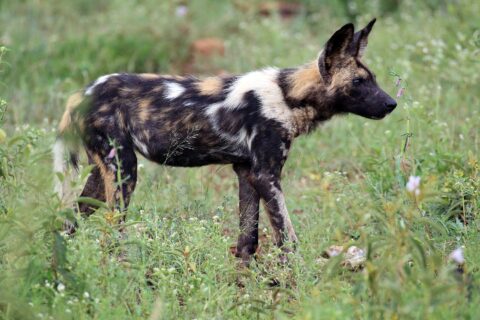
 South AfricaGame reserve
Madikwe Game Reserve
Northwestern South Africa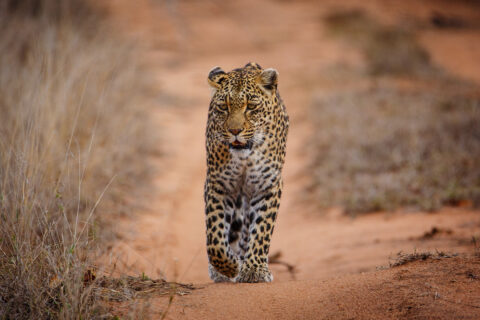 South AfricaPrivate reserve
Sabi Sand Game Reserve
Northeastern South Africa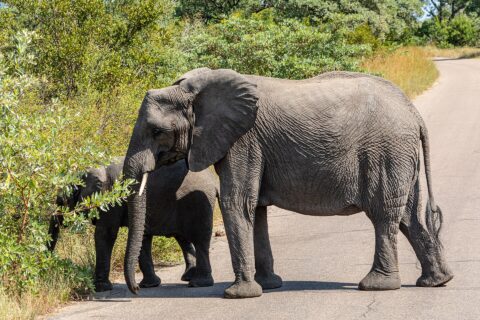 South AfricaNational park