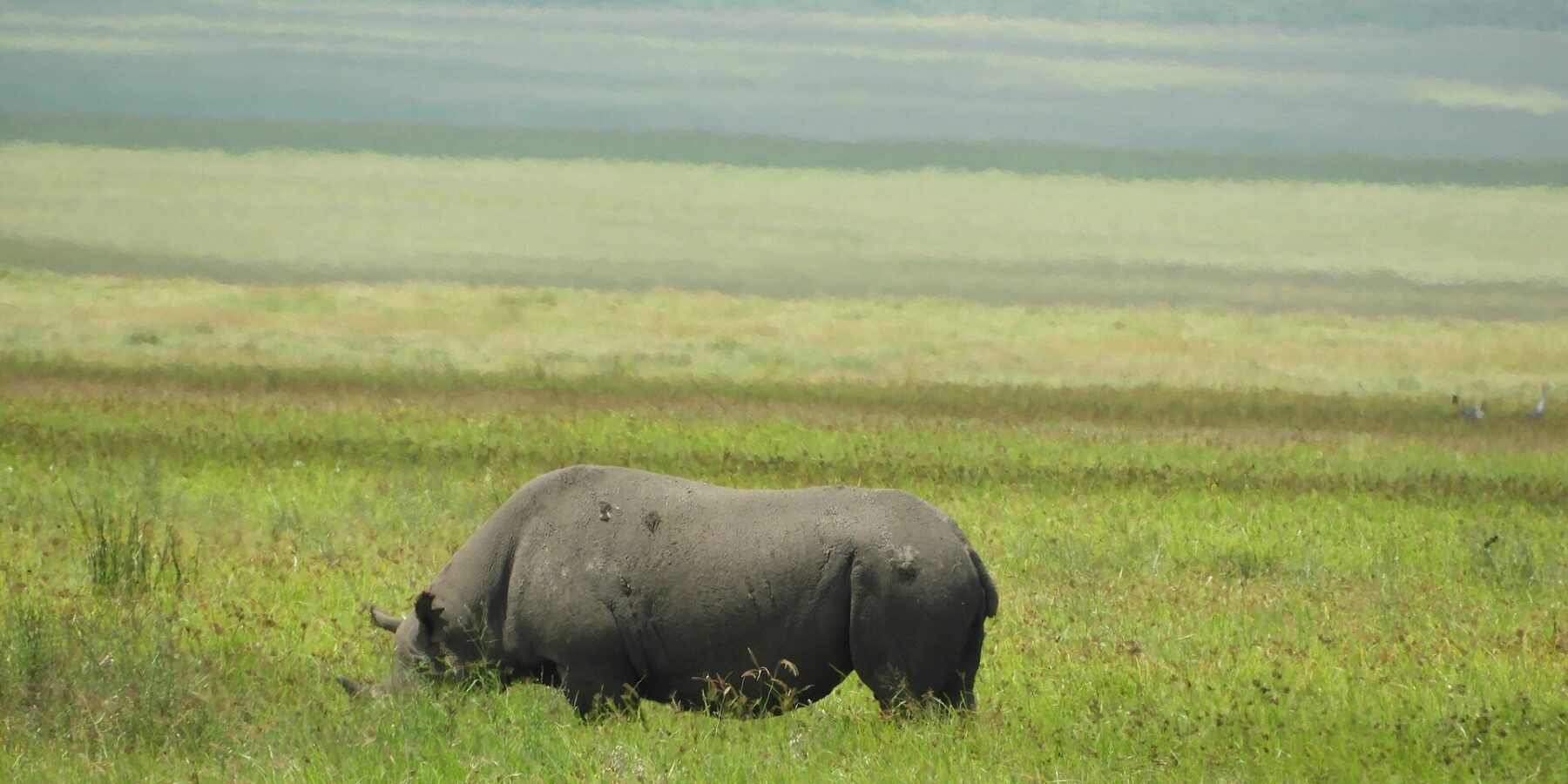
Ol Pejeta, in Kenya, has more than 165 black rhinos, and you will come across them on the tracks in the early morning. In Tanzania, you are only likely to see one in Ngorongoro Crater, and in South Africa, where they hide in thick bush, Hluhluwe-iMfolozi and Madikwe give you the best chances.
Where to see the black rhinoceros on safari?
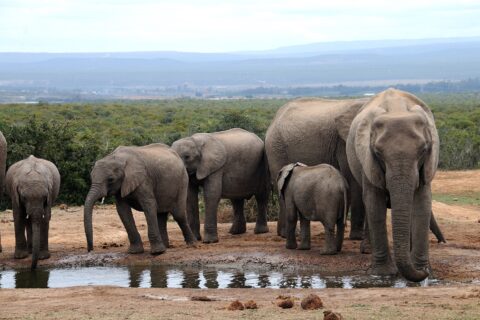
 South AfricaNational park
Addo Elephant National Park
Eastern CapeCan be seen all year round: more than 48 animals, in the thickets, rarely seen
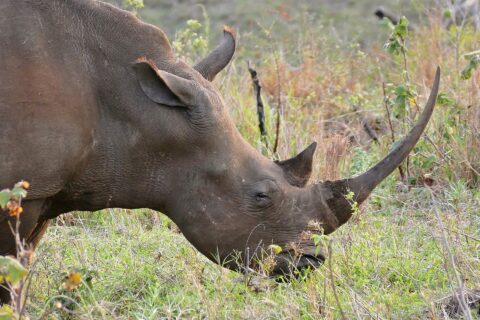 South AfricaGame reserve
Hluhluwe-iMfolozi Park
KwaZulu-NatalCan be seen all year round: thickets, more elusive
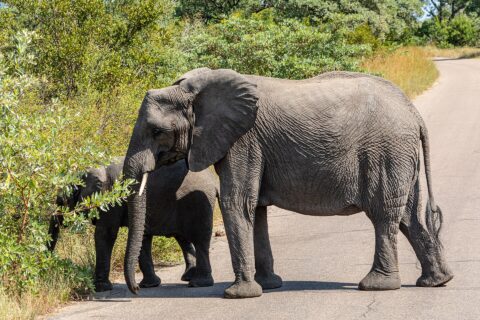 South AfricaNational park
Kruger National Park
Northeastern South AfricaCan be seen all year round: southern thickets, very rare
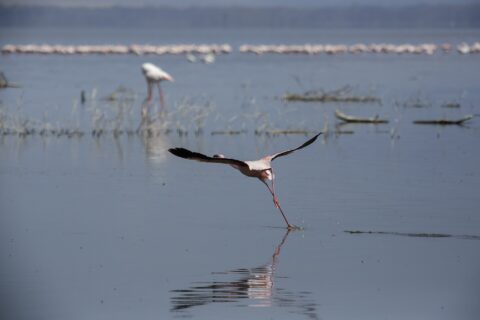
 KenyaNational park
Lake Nakuru National Park
Northern KenyaCan be seen all year round: euphorbia and acacia thickets, more elusive
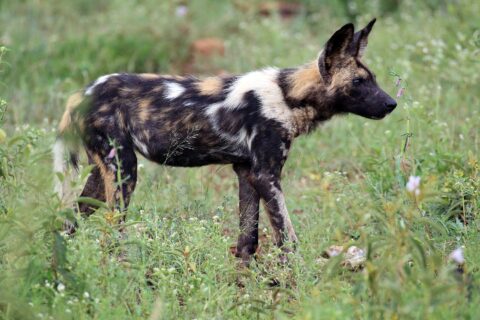 South AfricaGame reserve
Madikwe Game Reserve
Northwestern South AfricaCan be seen all year round: thickets, more elusive
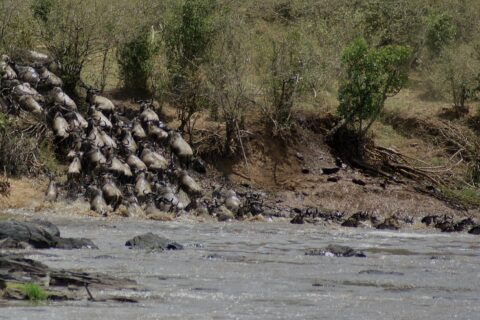 KenyaNational reserve
Masai Mara National Reserve
Southwestern KenyaCan be seen all year round: 25 to 30 animals, mostly in the Mara Triangle
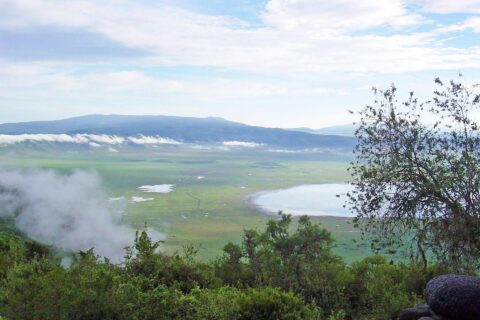
 TanzaniaConservation area
Ngorongoro Conservation Area
Northern TanzaniaCan be seen all year round: some fifty in the crater, best looked for early in the morning
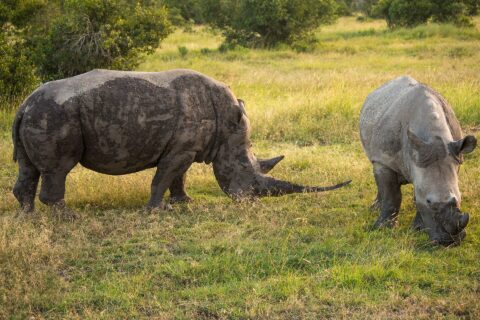 KenyaPrivate reserve
Ol Pejeta Conservancy
Northern KenyaPeak season all year round: more than 165 animals, on the tracks early in the morning
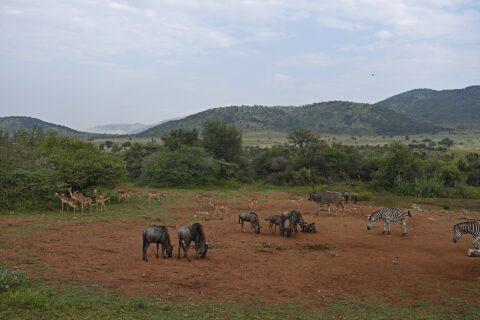 South AfricaNational park
Pilanesberg National Park
Northwestern South AfricaCan be seen all year round: thickets, very rare
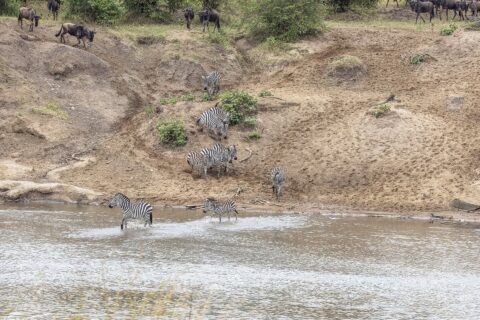 TanzaniaNational park
Serengeti National Park
Northern TanzaniaCan be seen all year round: fewer than 70 animals, rarely seen
How do you identify a black rhino?
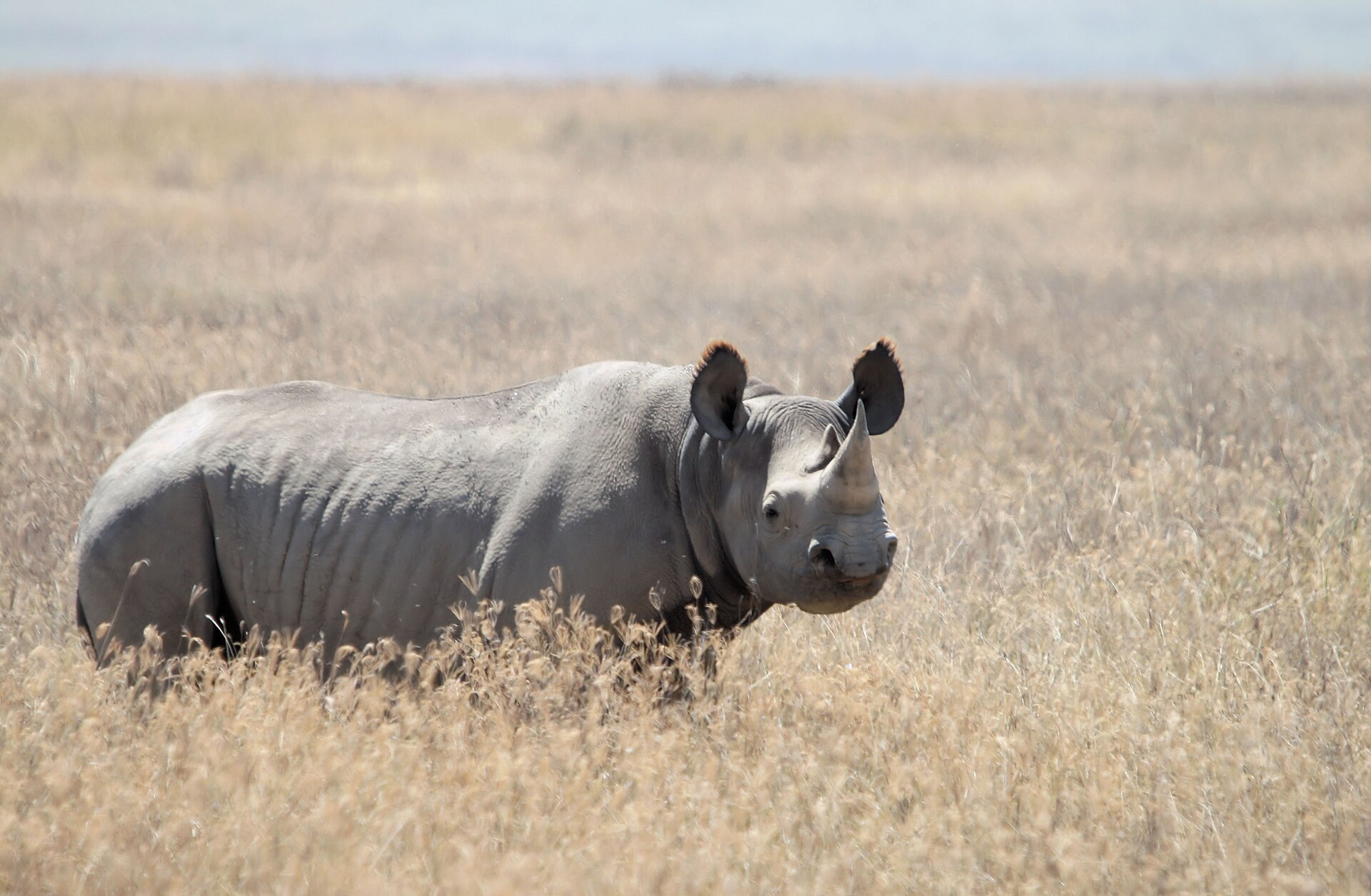
The black rhino is a gray rhinoceros, 1.6 meters at the shoulder and 800 to 1,500 kg, smaller than the white rhino. The mouth tells them apart. On the black rhino, the upper lip ends in a point, like a finger, to grab leaves and branches. The white rhino, a grass grazer, has a wide, square mouth and carries its head low. The black rhino holds its head high and has two horns, the front one often longer than 50 cm. Its round, fringed ears keep turning toward sounds, because the animal sees poorly beyond a few dozen meters.
Black rhinoceros in pictures
How do black rhinos live?
The black rhino lives alone, apart from mothers with their calves, and holds a territory that it marks with its dung. It browses the leaves of bushes and small trees, drinks every day and wallows in mud to protect itself from parasites. It is mostly active at dusk and at night, and spends the hot hours lying in the shade. Its eyesight is poor, but its sense of smell and its hearing are excellent: an unfamiliar sound sends it fleeing or charging, at more than 50 km/h over a few dozen meters.
Where and when can you see black rhinos on safari?
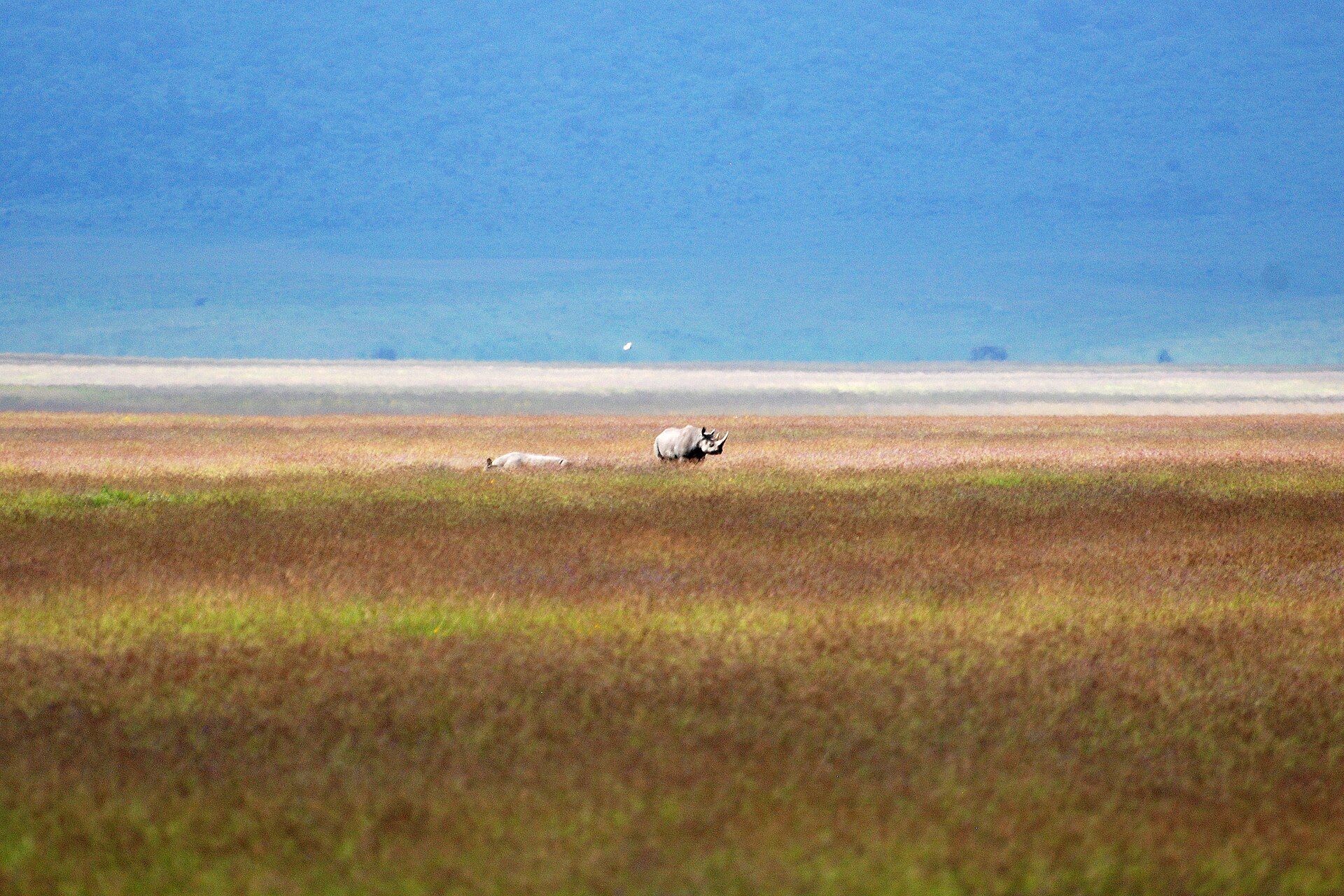
In Tanzania, Ngorongoro Crater is the only place where you are likely to see one. About fifty animals live there under constant surveillance, and the guides know where they were the day before. From opening time, scan the short grass with binoculars for a gray shape, often far from the track, which the 4x4s never leave. In the Serengeti, fewer than 70 rhinos share 14,763 km², and only the Moru area sometimes shows one, with a ranger.
In Kenya, Ol Pejeta has more than 165, which you come across on the tracks in the early morning, in every season. At Lake Nakuru, the country's first rhino sanctuary, they hide in thickets of euphorbia and acacia.
In South Africa, the black rhino lives in thick bush and rarely shows itself. Your chances are better at Hluhluwe-iMfolozi and Madikwe. Ol Pejeta is the most reliable place to see one.
Are black rhinos endangered?
The black rhino is critically endangered. Africa had 65,000 to 70,000 in 1970 and fewer than 2,500 in 1995. In between came twenty years of poaching for horn, sold in Asia and Yemen. Protection programs have brought the species back to 5,000 to 5,500 animals, and Ngorongoro Crater went from 13 rhinos in 1993 to 55 in 2018. The West African subspecies was declared extinct in 2011. Every rhino in Tanzania is monitored by rangers.
Our tip
Drive down into the crater when it opens, at 6 a.m., and ask your guide to scan the plains with binoculars. The rhinos feed in the open before the heat, then lie down in the thickets.