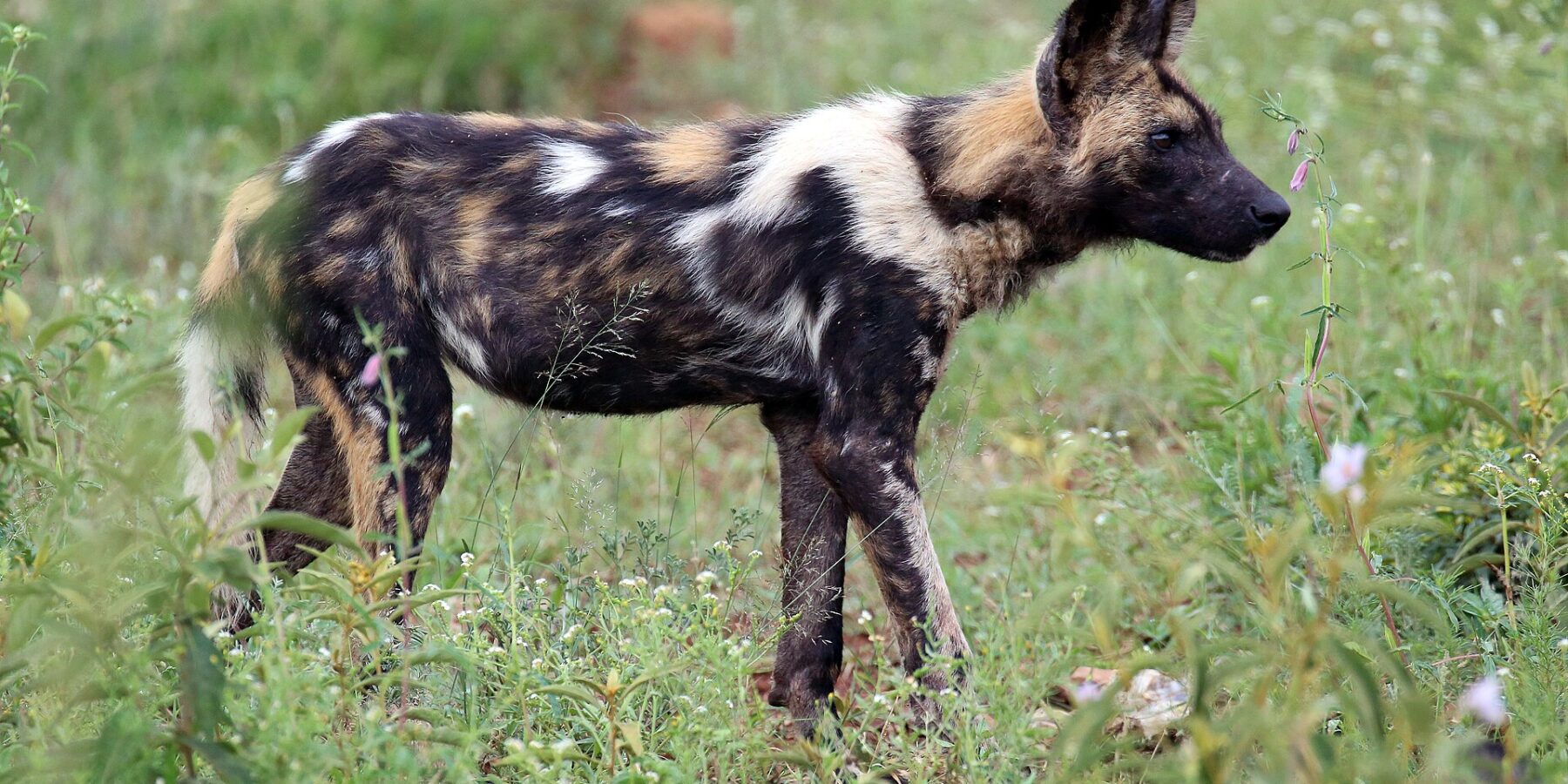
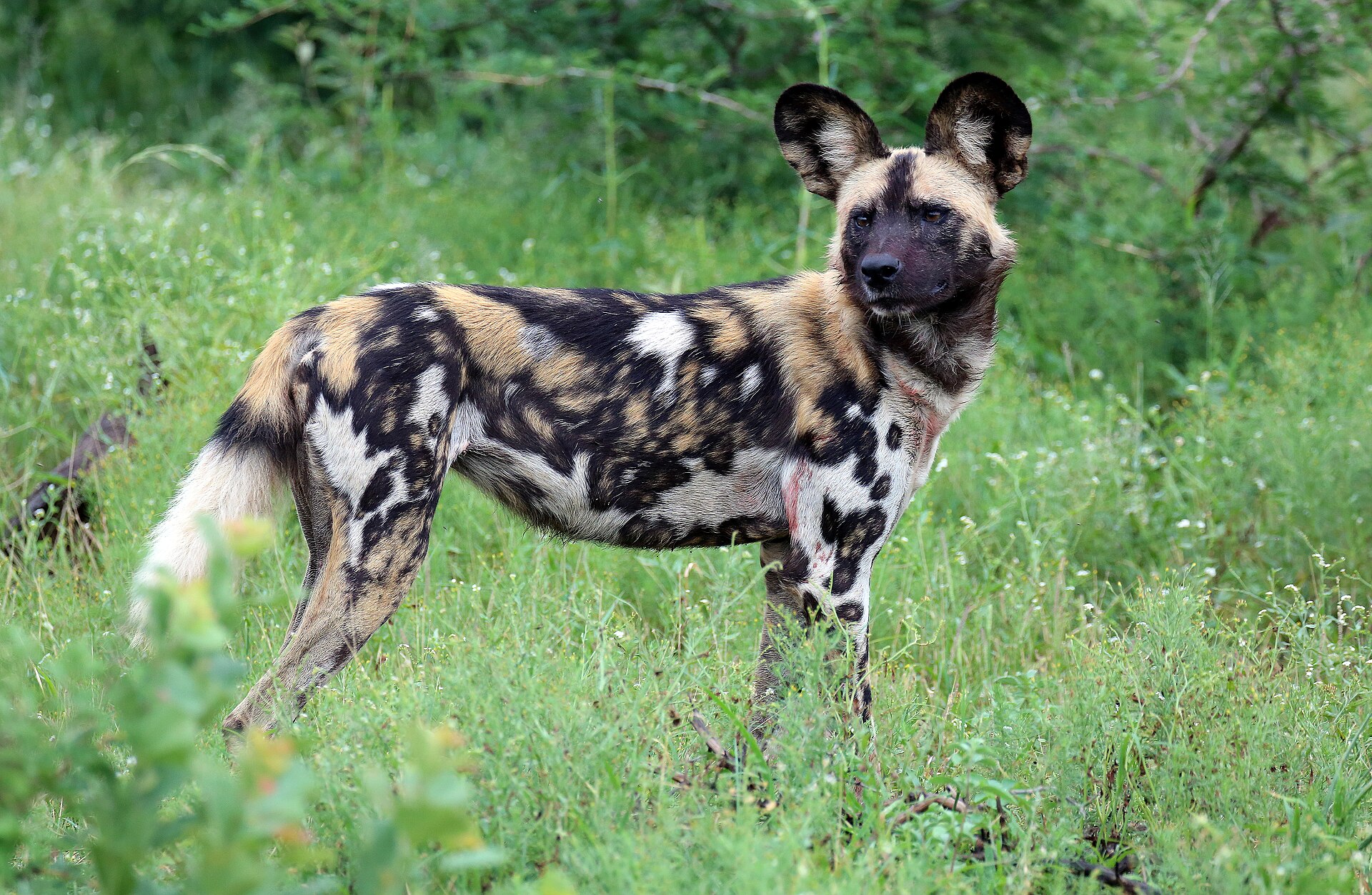
In Madikwe, you follow a pack of wild dogs hunting right beside your 4x4, in a 750 km² reserve on the Botswana border. Its elephants have grown from 220 in the 1990s to more than 1,600, and lions, rhinos and cheetahs share the same malaria-free bush.
Why go to Madikwe?
- Wild dogs, which the guides follow from one drive to the next, off-road
- No malaria and no day visitors: only lodge guests get in
- More than 1,600 elephants across 750 km², descended from 220 animals released in the 1990s
- The Big Five, cheetahs and brown hyenas in dry bush on the edge of the Kalahari
- A one-hour flight from Johannesburg to the reserve's airstrips
Madikwe in pictures
Which animals can you see in Madikwe?
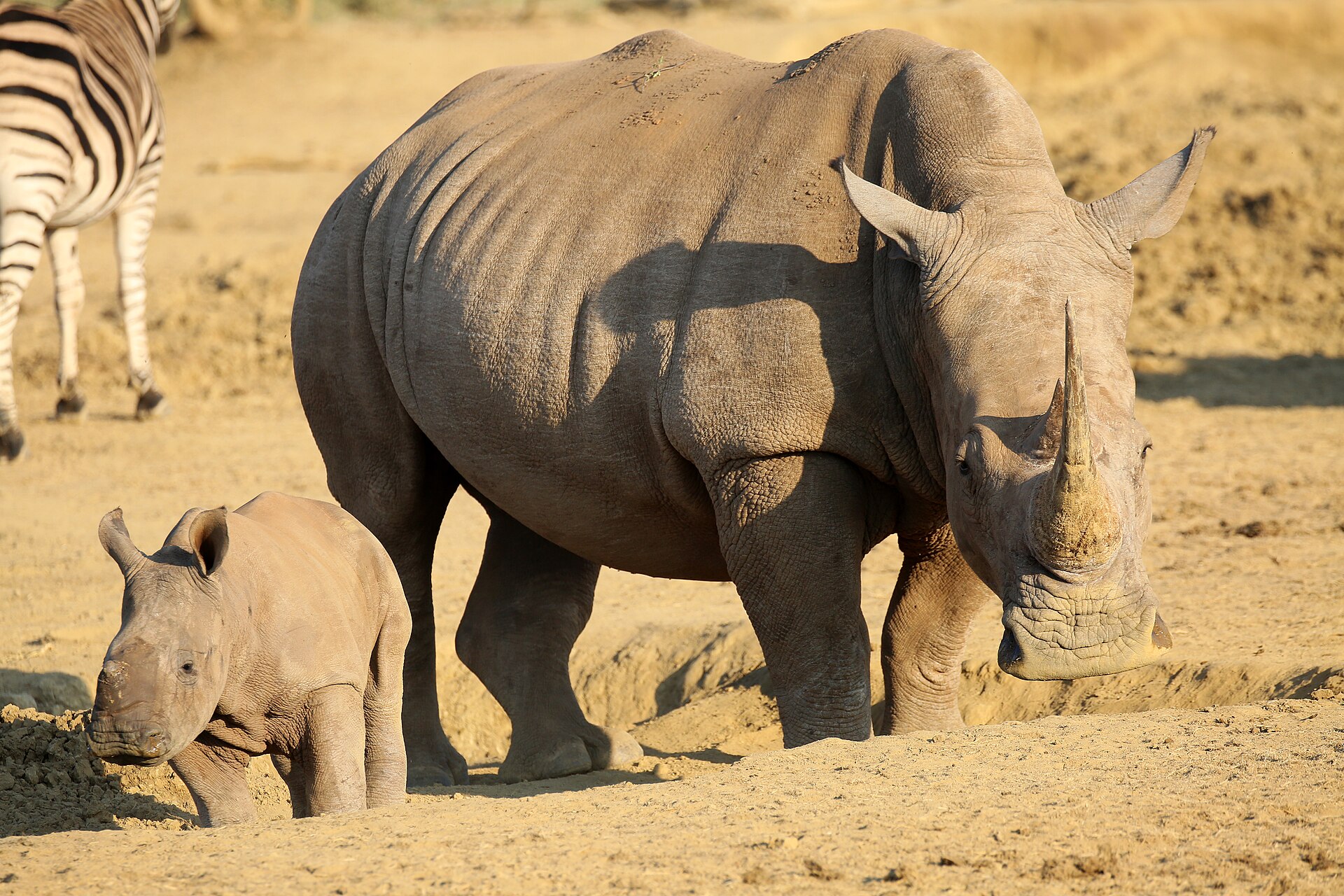
Operation Phoenix restocked Madikwe from 1992 onward: more than 8,000 animals released onto former farmland, including the elephants, which have grown from 220 to more than 1,600, the buffalo and both rhino species. The reserve has more than 60 mammal species and about 350 bird species. Wild dogs are the reserve's signature animal, with packs the guides follow day after day.
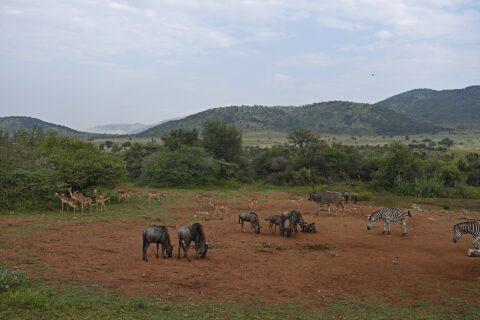
Lions, leopards and cheetahs hunt in dry bush on the edge of the Kalahari, more open than Kruger's. The brown hyena, found only in southern Africa, turns up at night. Giraffes, zebras, wildebeest and kudus are seen on every drive, and impalas everywhere.
| Species | J | F | M | A | M | J | J | A | S | O | N | D | Note |
|---|---|---|---|---|---|---|---|---|---|---|---|---|---|
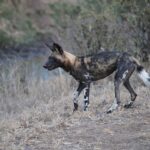 African wild dog | peak season | peak season | peak season | peak season | peak season | peak season | peak season | peak season | peak season | peak season | peak season | peak season | packs tracked by the guides, at dawn and dusk |
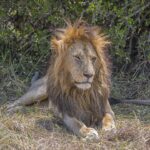 Lion | peak season | peak season | peak season | peak season | peak season | peak season | peak season | peak season | peak season | peak season | peak season | peak season | throughout the reserve |
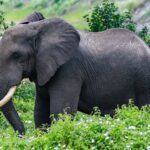 Elephant | peak season | peak season | peak season | peak season | peak season | peak season | peak season | peak season | peak season | peak season | peak season | peak season | more than 1,600 animals, lodge waterholes |
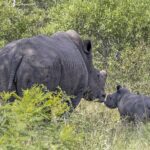 White rhinoceros | peak season | peak season | peak season | peak season | peak season | peak season | peak season | peak season | peak season | peak season | peak season | peak season | grassy plains |
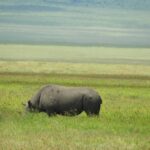 Black rhinoceros | possible | possible | possible | possible | possible | possible | possible | possible | possible | possible | possible | possible | thickets, more elusive |
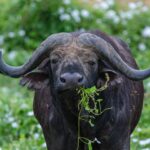 Buffalo | peak season | peak season | peak season | peak season | peak season | peak season | peak season | peak season | peak season | peak season | peak season | peak season | herds at the waterholes |
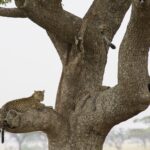 Leopard | possible | possible | possible | possible | possible | possible | possible | possible | possible | possible | possible | possible | rocky hills of the Dwarsberg |
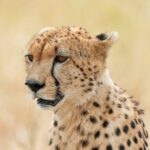 Cheetah | possible | possible | possible | possible | possible | possible | possible | possible | possible | possible | possible | possible | open plains |
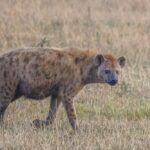 Spotted hyena | peak season | peak season | peak season | peak season | peak season | peak season | peak season | peak season | peak season | peak season | peak season | peak season | at night, around kills |
| Brown hyena | possible | possible | possible | possible | possible | possible | possible | possible | possible | possible | possible | possible | at night, on the tracks |
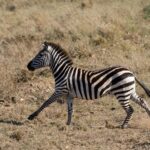 Plains zebra | peak season | peak season | peak season | peak season | peak season | peak season | peak season | peak season | peak season | peak season | peak season | peak season | open plains |
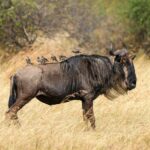 Wildebeest | peak season | peak season | peak season | peak season | peak season | peak season | peak season | peak season | peak season | peak season | peak season | peak season | open plains |
| South African giraffe | peak season | peak season | peak season | peak season | peak season | peak season | peak season | peak season | peak season | peak season | peak season | peak season | acacia bush |
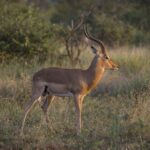 Impala | peak season | peak season | peak season | peak season | peak season | peak season | peak season | peak season | peak season | peak season | peak season | peak season | everywhere |
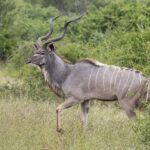 Greater kudu | peak season | peak season | peak season | peak season | peak season | peak season | peak season | peak season | peak season | peak season | peak season | peak season | thickets and hills |
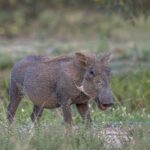 Warthog | peak season | peak season | peak season | peak season | peak season | peak season | peak season | peak season | peak season | peak season | peak season | peak season | lodge lawns and the edges of tracks |
peak seasonpossiblerare
What is a safari like in Madikwe?
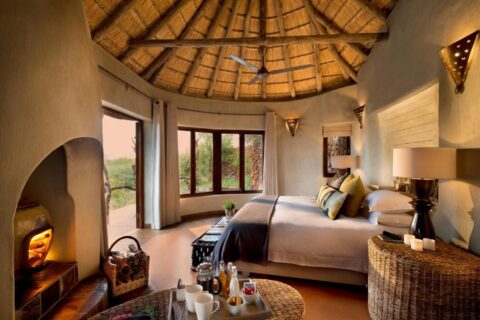
You stay at one of the reserve's lodges, each on its own concession, and go out twice a day in an open 4x4 with a guide, at dawn and in the late afternoon on into the night. Vehicles leave the tracks to approach the animals, and the lodges pass sightings to each other by radio. Between drives, you spend the hot hours at the lodge, often in front of a waterhole.
The nightly rate includes drives and meals, and the lodge arranges the transfer from the gate or the airstrip. With no malaria, the reserve also welcomes families with young children.
When to go to Madikwe?
idealgoodnot recommended
Winter, from May to September, is dry and the best time to see wildlife: the bush thins out, the animals gather at the lodge waterholes and the days are mild. Nights drop to around 3°C, and morning drives are done under a blanket.
Summer, from October to April, is the rainy season, with storms and days around 32°C. The vegetation grows thick and hides the animals, but antelope births and migrant birds make up for it. No malaria medication is needed, whatever the month.
How to get to Madikwe?
Madikwe lies northwest of Johannesburg, on the Botswana border. By road, allow four and a half hours on the N4 to Rustenburg, then the R49 toward Zeerust and the western gates, Wonderboom, Abjaterskop and Tau. The eastern gates, Molatedi and Derdepoort, serve the lodges along the Marico River.
Federal Air runs a daily shuttle flight of about one hour from Johannesburg airport to the reserve's two airstrips, west and east, and the lodge picks you up when you land. From Gaborone, in Botswana, the reserve is one to two hours by road via the Kopfontein border post.
Stay in Madikwe Game Reserve
Where to stay near Madikwe?
Hotels, apartments and rooms around Madikwe Game Reserve, with current prices.
Which hotels to choose near Madikwe?
How did Operation Phoenix turn farms into Madikwe Game Reserve?
In the early 1990s, a study showed that the land would earn more and employ more people as a game reserve than as livestock farms. The government bought out the farms, took down the internal fences and in 1992 launched Operation Phoenix, which released more than 8,000 animals within a few years, elephants, buffalo, rhinos, lions and wild dogs among them.
The reserve opened in 1994 across 750 km², the fifth largest in the country, with the state keeping the land and private lodges running concessions. Elephant numbers, up from 220 to more than 1,600, now raise the question of how many animals the reserve can carry.
Frequently asked questions about Madikwe
When is the best time to visit Madikwe?
From May to September, during the dry winter, when the bush thins out and the animals come to drink at the lodge waterholes. Summer is hot and stormy, with births and migrant birds. There is no malaria at any time of year.
How much does a Madikwe safari cost?
The lodge sets its own rate, drives and meals included, and adds the conservation levy of R520 per adult per night in 2026, R260 per child. At the gate, entry costs R180 per adult and R80 per child for the whole stay, and R240 per adult if you fly in.
Can you visit Madikwe on a day trip?
No. The reserve is for guests of its lodges only, with no day visitors and no self-driving. For a self-drive safari in the North West, head to Pilanesberg instead.
How do you get to Madikwe from Johannesburg?
By car, it takes four and a half hours via the N4 and the R49 toward Zeerust. By air, Federal Air flies daily from Johannesburg airport to the reserve's airstrips in about one hour, and the lodge meets you on arrival.
Is there malaria in Madikwe?
No. Madikwe is outside the transmission zone, and no preventive medication is needed. Many families choose it for that reason.
Why is Madikwe known for wild dogs?
Because the reserve has had packs since Operation Phoenix, and its guides follow them from one drive to the next, off-road. Elsewhere in South Africa, wild dogs remain a rare sighting.
Our tip
Book three nights and tell your guide on the very first evening that you want to see wild dogs, because the pack moves fast and the lodges share its position by radio. Add the conservation levy of R520 per adult per night to the advertised price.
Other parks nearby
 South AfricaNational park
Pilanesberg National Park
Northwestern South Africa South AfricaPrivate reserve
Sabi Sand Game Reserve
Northeastern South Africa South AfricaNational park