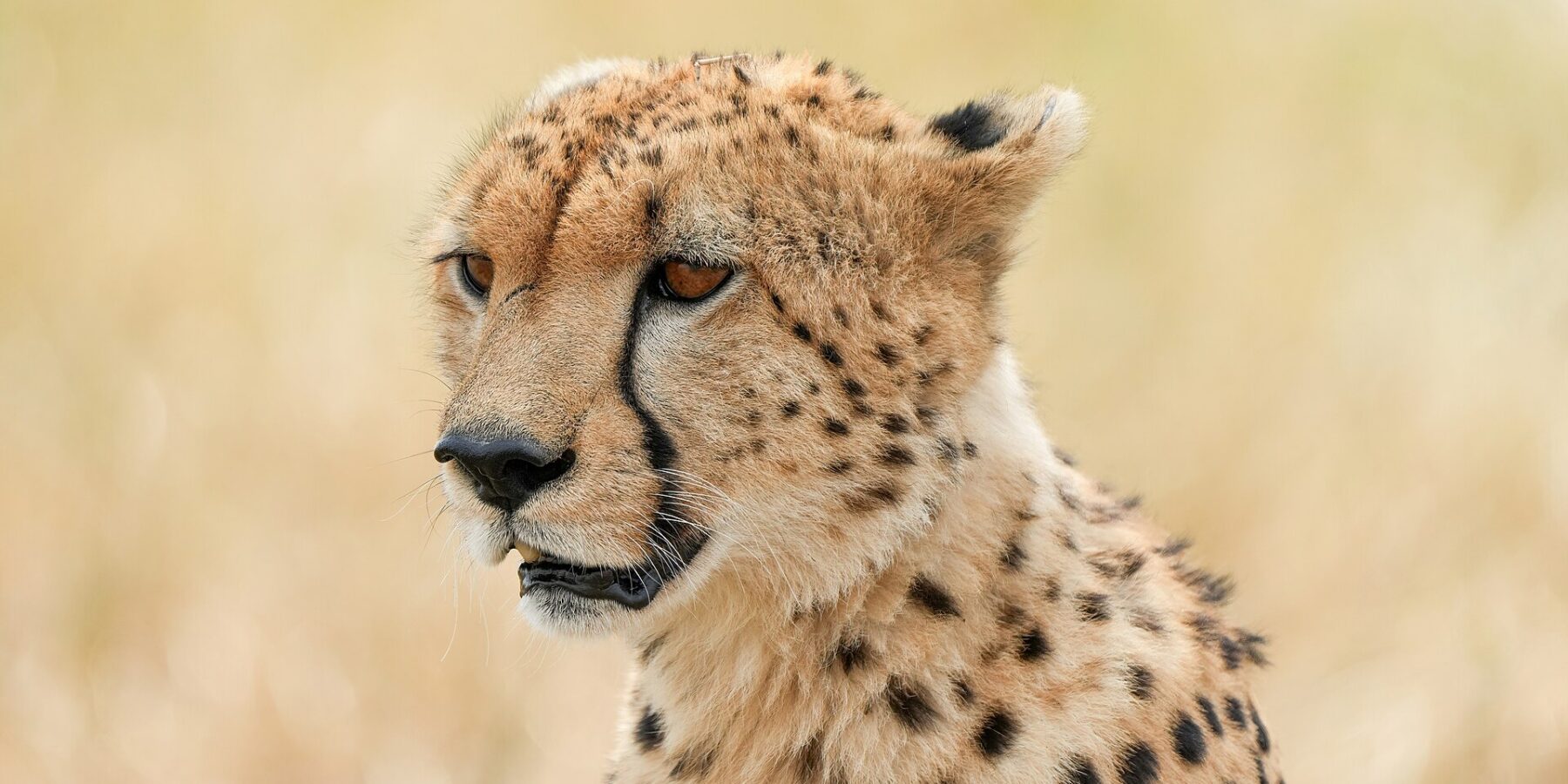
The cheetah hunts by day in short grass, often in mid-morning, while the lions sleep. The surest place is Ndutu, in the Serengeti, from December to March, then the Masai Mara, in Kenya, from July to October. It remains rare in South Africa, although Madikwe sometimes shows one.
Where to see the cheetah on safari?
 KenyaNational park
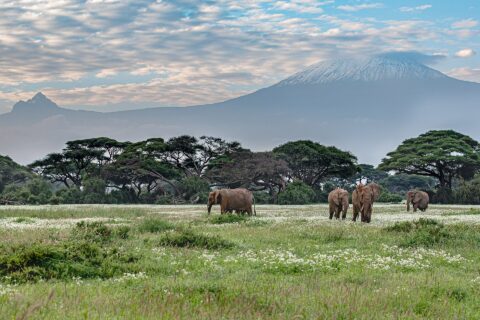
Amboseli National Park
Southern KenyaCan be seen all year round: short-grass plains
 South AfricaGame reserve
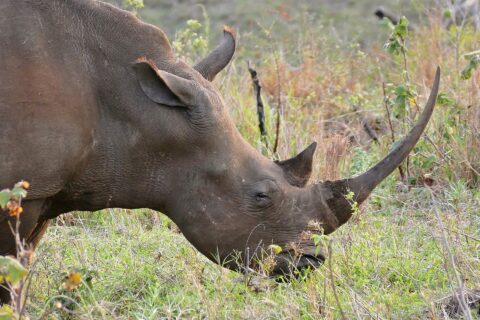
Hluhluwe-iMfolozi Park
KwaZulu-NatalCan be seen all year round: open slopes of iMfolozi
 South AfricaNational park
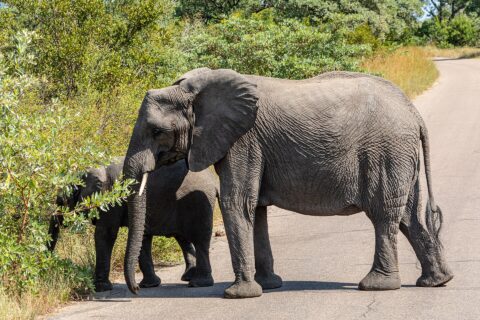
Kruger National Park
Northeastern South AfricaCan be seen all year round: open plains of the center and southeast, few in number
 South AfricaGame reserve
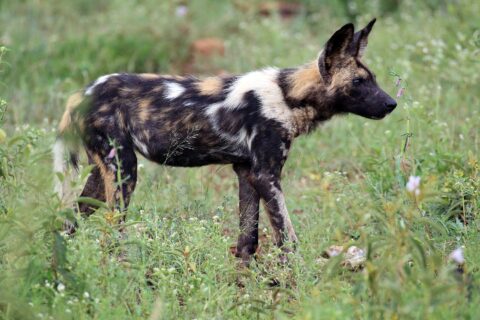
Madikwe Game Reserve
Northwestern South AfricaCan be seen all year round: open plains
 KenyaNational reserve
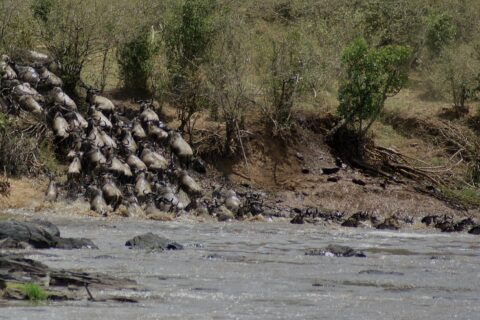
Masai Mara National Reserve
Southwestern KenyaPeak season from July to October: short-grass plains, in broad daylight
 TanzaniaConservation area
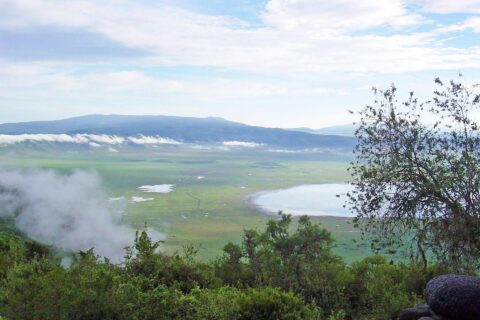
Ngorongoro Conservation Area
Northern TanzaniaPeak season from December to March: Ndutu plains, with the migration from December to March
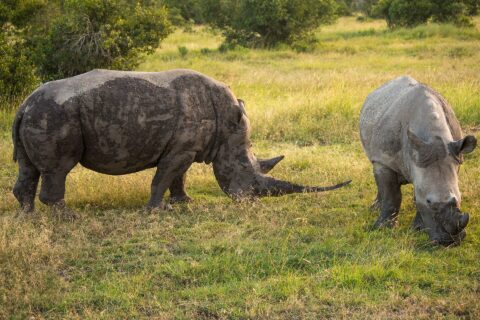 KenyaPrivate reserve
Ol Pejeta Conservancy
Northern KenyaCan be seen all year round: open plains
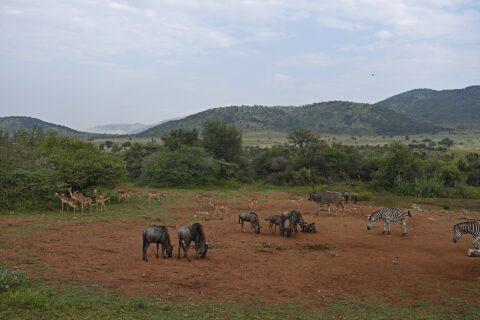 South AfricaNational park
Pilanesberg National Park
Northwestern South AfricaCan be seen all year round: open plains in the center
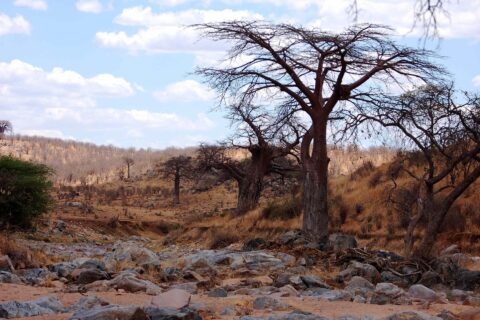 TanzaniaNational park
Ruaha National Park
Southern TanzaniaCan be seen all year round: open plains
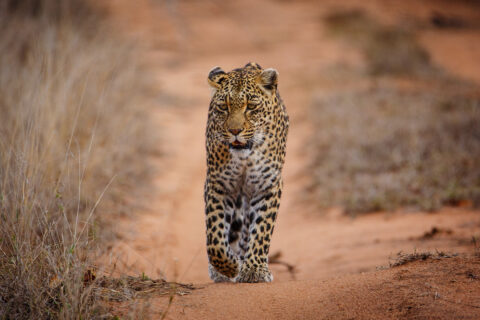 South AfricaPrivate reserve
Sabi Sand Game Reserve
Northeastern South AfricaCan be seen all year round: rare, open areas
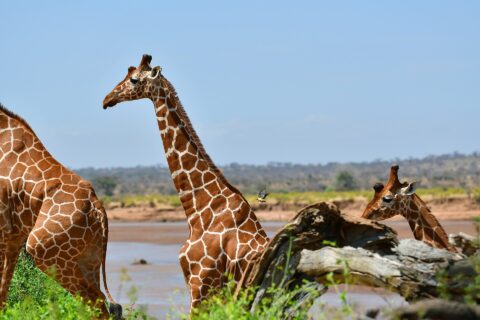 KenyaNational reserve
Samburu National Reserve
Northern KenyaCan be seen all year round: open plains
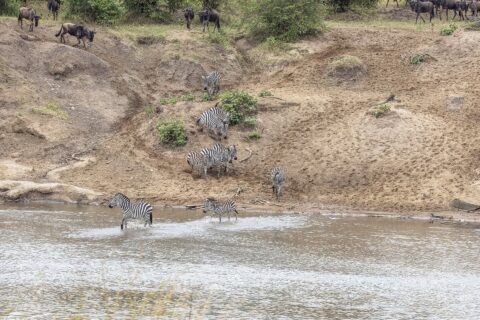 TanzaniaNational park
Serengeti National Park
Northern TanzaniaCan be seen all year round: open plains, in broad daylight
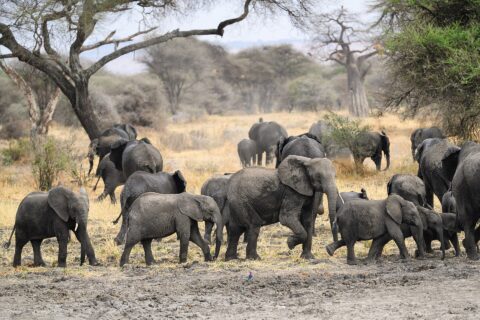 TanzaniaNational park
Tarangire National Park
Northern TanzaniaCan be seen all year round: open plains in the east
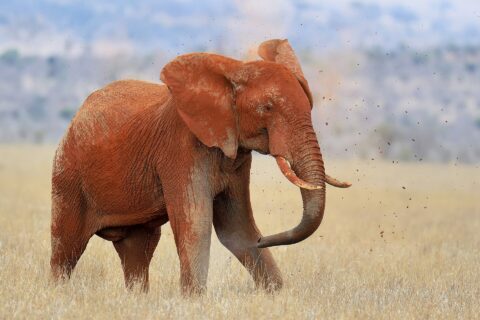 KenyaNational park
Tsavo East National Park
Southern KenyaCan be seen all year round: short-grass plains in the south
How do you identify a cheetah?
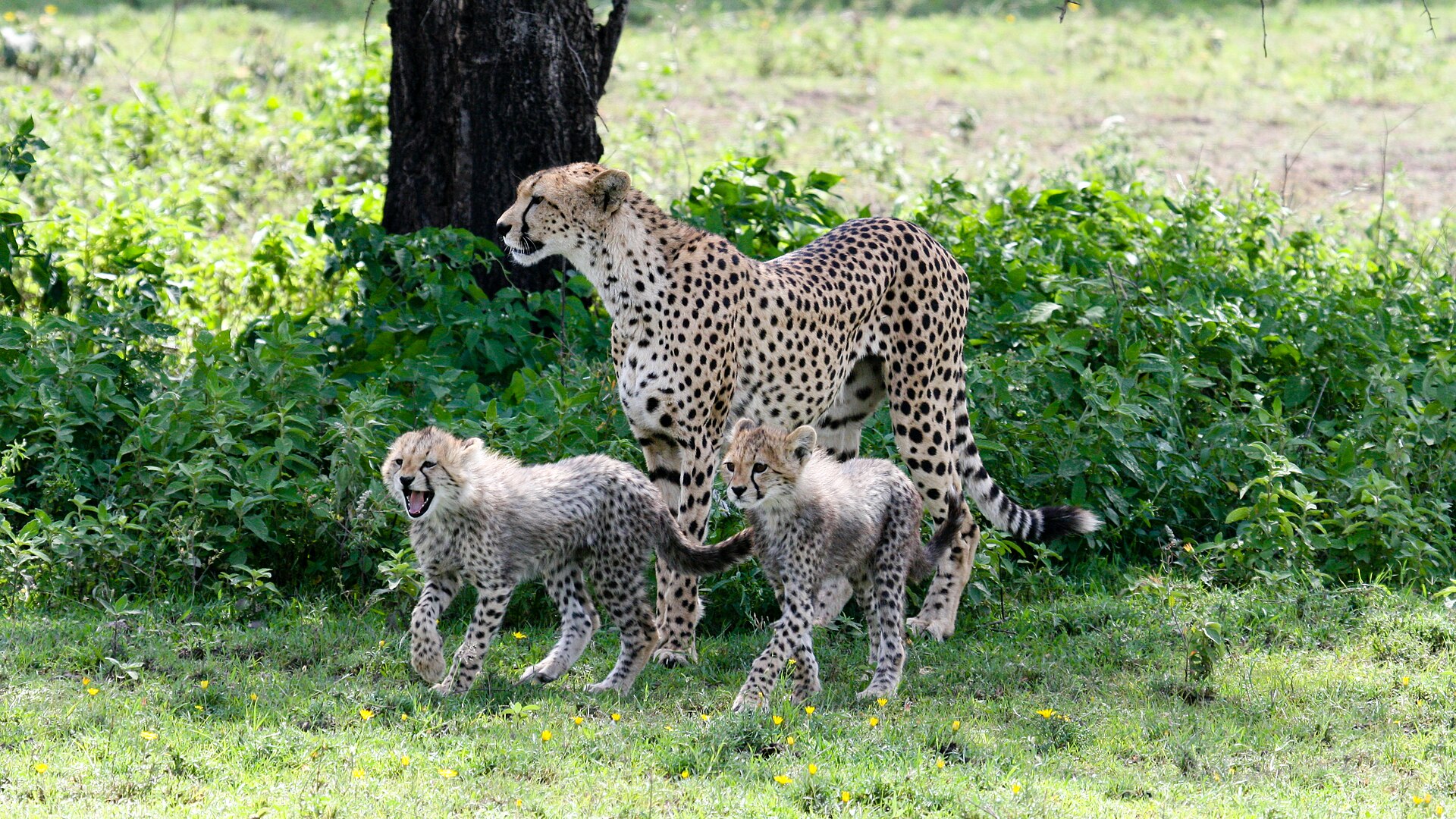
The cheetah is the cat people mix up with the leopard, and three details set them apart. Its spots are solid, black and round, where the leopard has rosettes. Two black lines, the tear marks, run from the corner of the eye to the muzzle. Its build is slender and long-legged, with a small round head, a deep chest and a long tail, and it weighs 21 to 72 kg, half as much as a leopard. Its claws stay out, like a dog's, to grip the ground as it runs. The cubs have a mantle of gray hair along the back, which disappears at around 2 years.
Cheetah in pictures
How does the cheetah live?
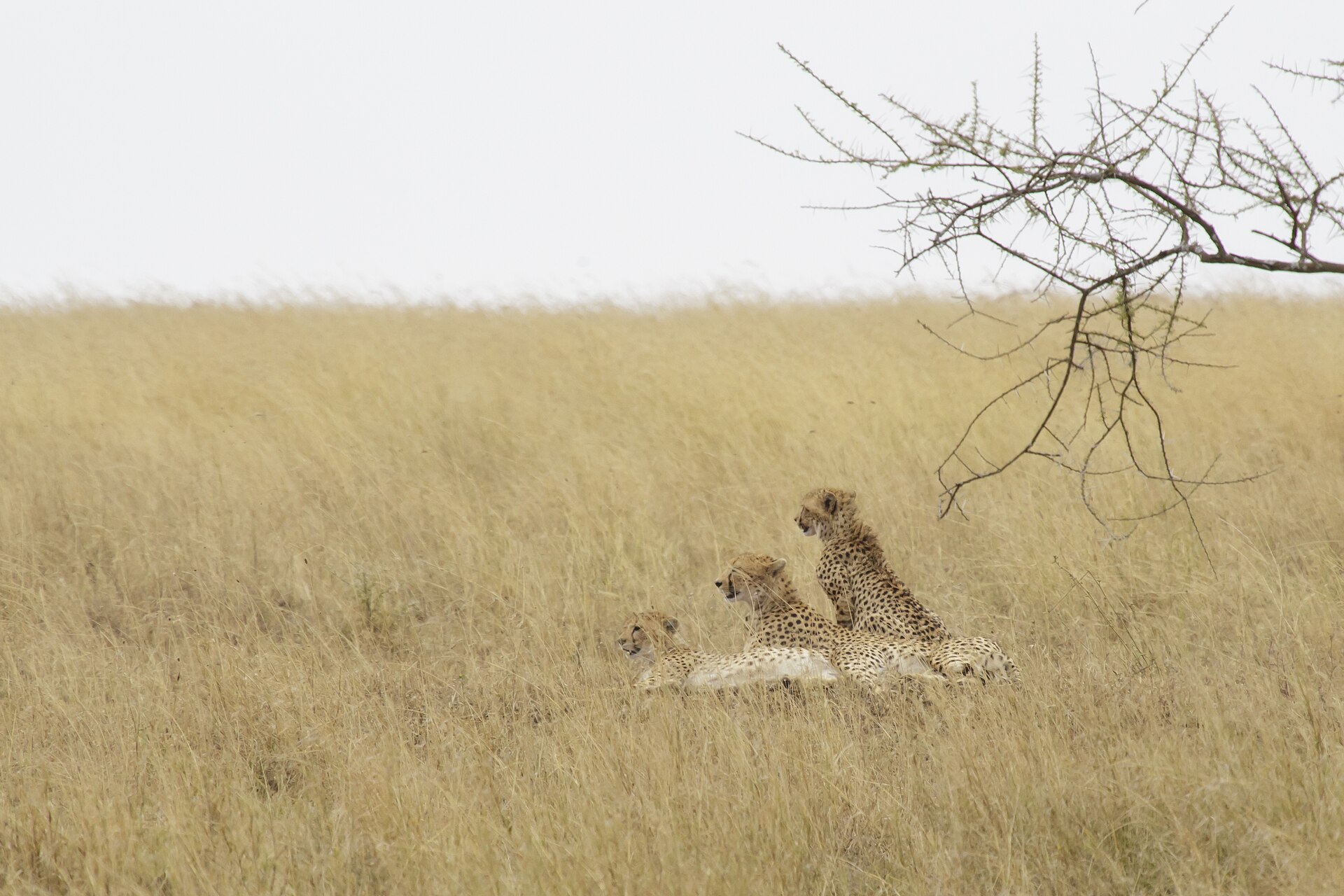
The cheetah hunts in broad daylight, mostly in the morning and late afternoon, on open plains where speed decides the outcome. It tops 100 km/h for a few seconds, but real hunts are run at around 50 km/h. Acceleration counts for more than top speed. Females live alone with their cubs, and males in coalitions of brothers that hold a territory. Seven cubs out of ten die before adulthood, killed by lions and hyenas, which also steal the cheetah's prey. In the Serengeti, it follows the Thomson's gazelles and the migration.
Where and when can you see cheetahs on safari?
In Tanzania, the Serengeti is the cheetah's park. It prefers the short-grass plains of the south and east to the wooded savanna. From December to March, the wildebeest calving draws it toward Ndutu, outside Ngorongoro Crater. In Tarangire, it lives on the eastern plains, and in Ruaha, in the open areas near the rivers.
In Kenya, the Masai Mara shows it mostly from July to October, in broad daylight, in the short grass. In Amboseli and Tsavo East, you will sometimes come across one on the open plains. Mid-morning is a good time, because it hunts while the other predators sleep.
In South Africa, sightings remain rare, in Kruger as in Sabi Sand. Madikwe sometimes shows them on its open plains. The cheetah tolerates 4x4s well, and you can follow it at a distance while it walks. During a hunt, stay still so you don't spoil the chase. Your best chances are at Ndutu from December to March, and in the Masai Mara from July to October.
Is the cheetah endangered?
The cheetah is listed as Vulnerable on the IUCN Red List. About 100,000 remained in 1900 and 7,100 in 2019, and the Asiatic subspecies is down to a handful of animals in Iran. The loss of the great plains, conflict with herders and the trafficking of cubs to the Gulf states explain the decline. The cheetah needs vast spaces, and Tanzania, with the Serengeti and Ruaha, still offers them. The death rate of its cubs, caused by lions and hyenas, is natural, but it weakens small, isolated populations.
Our tip
Look for it in mid-morning, when the lions are already asleep and the cheetah is still hunting, sitting on a termite mound to scan for gazelles. In the Serengeti, the Ndutu plains from December to March are the right area, and in Ngorongoro, the plains around the crater rather than the crater itself.