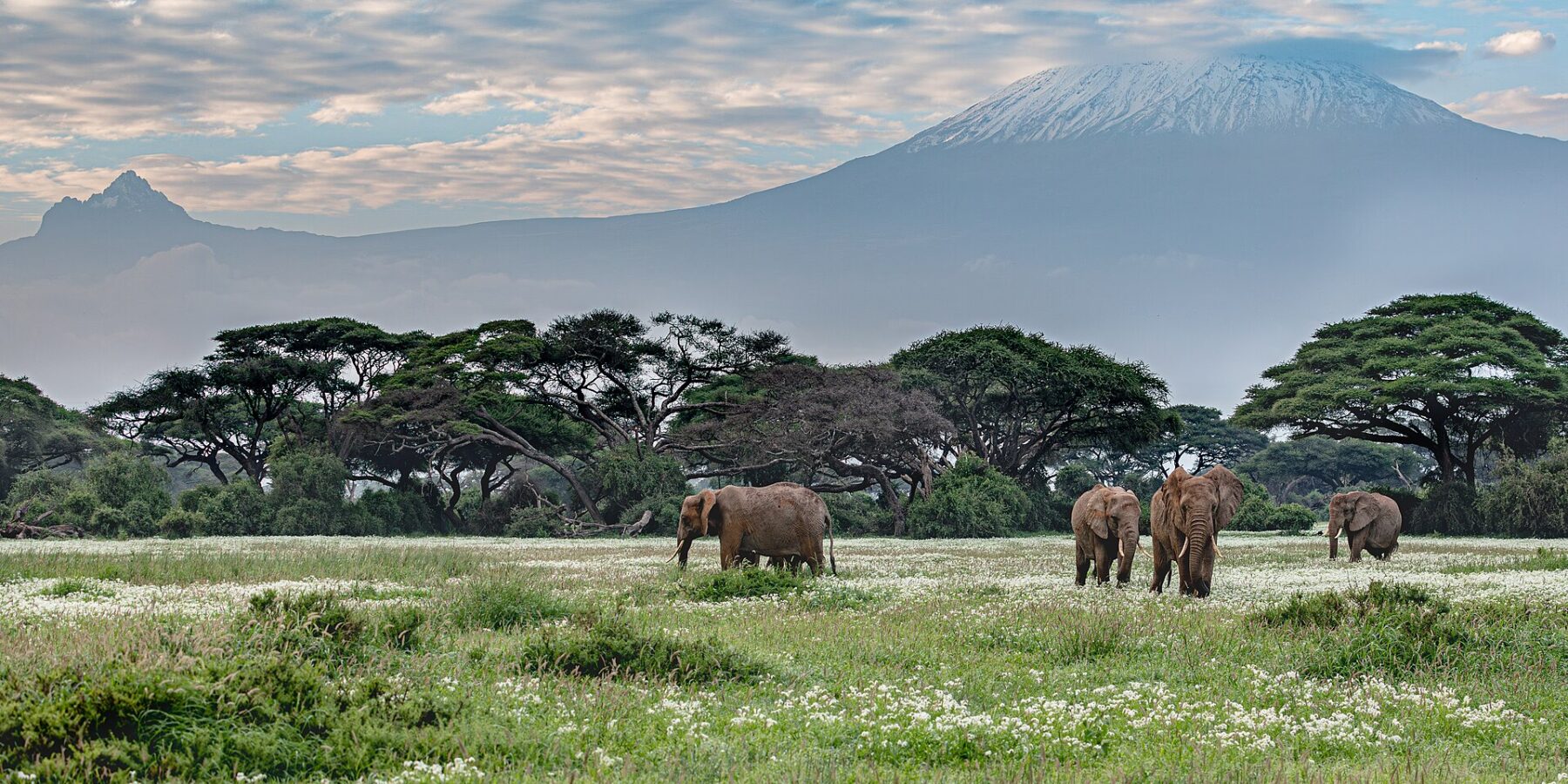
In Amboseli, you follow the most studied elephants in the world, 1,903 animals known one by one since 1972, as they walk each morning from the swamps toward the dusty plains with Kilimanjaro behind them. The park covers just 392 km², and you see the herds up close without having to look for them.
Why go to Amboseli?
- 1,903 elephants known one by one at the end of 2024, studied without a break since 1972
- Kilimanjaro standing clear at sunrise behind the herds
- The swamps fed by Kilimanjaro's water, where buffalo, hippos and elephants spend the hot hours
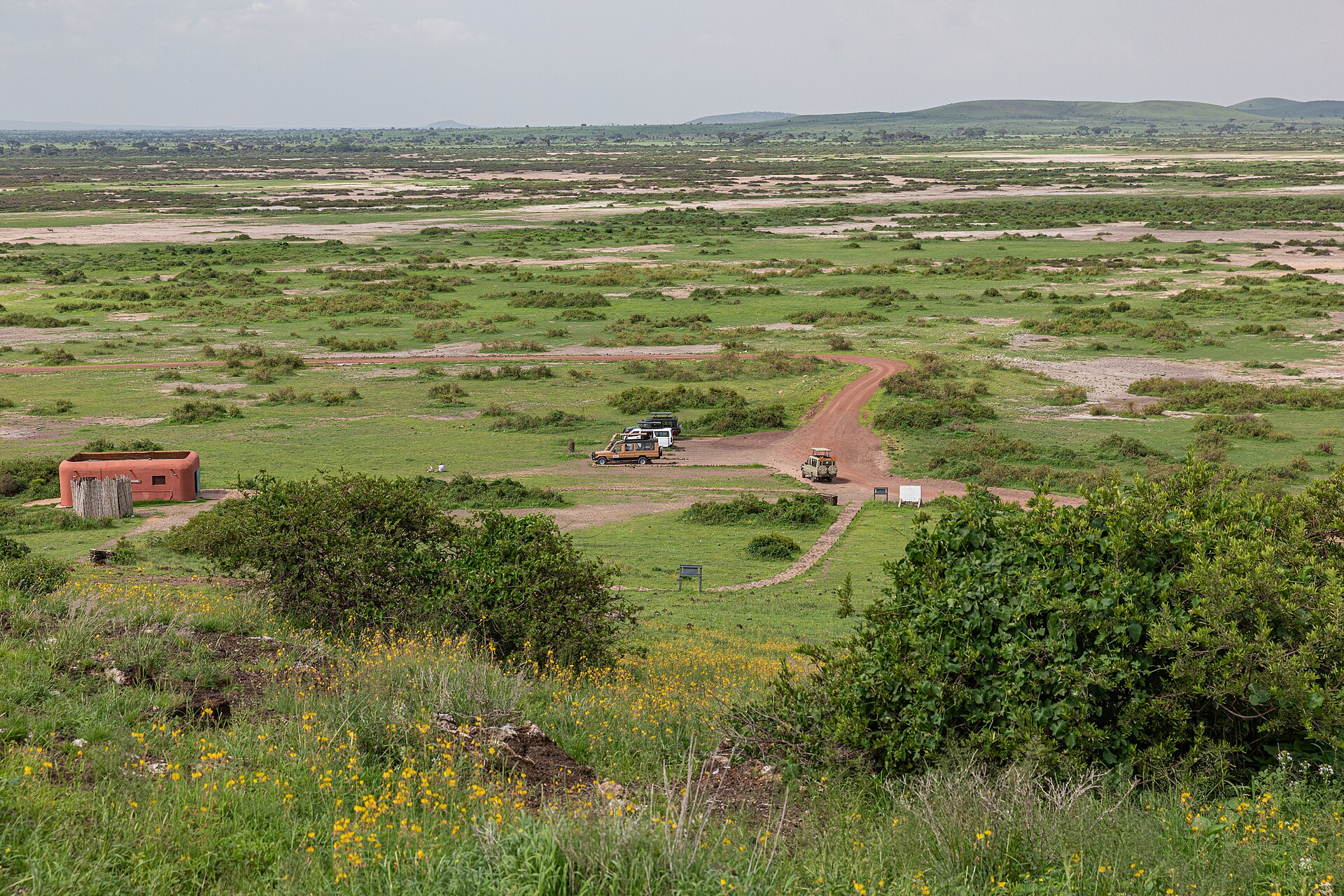
- Observation Hill, the only hill where you get out of the vehicle, with the whole park below you
- More than 400 bird species, including 40 raptors, and flamingos on the lake after the rains
Amboseli in pictures
Which animals can you see in Amboseli?
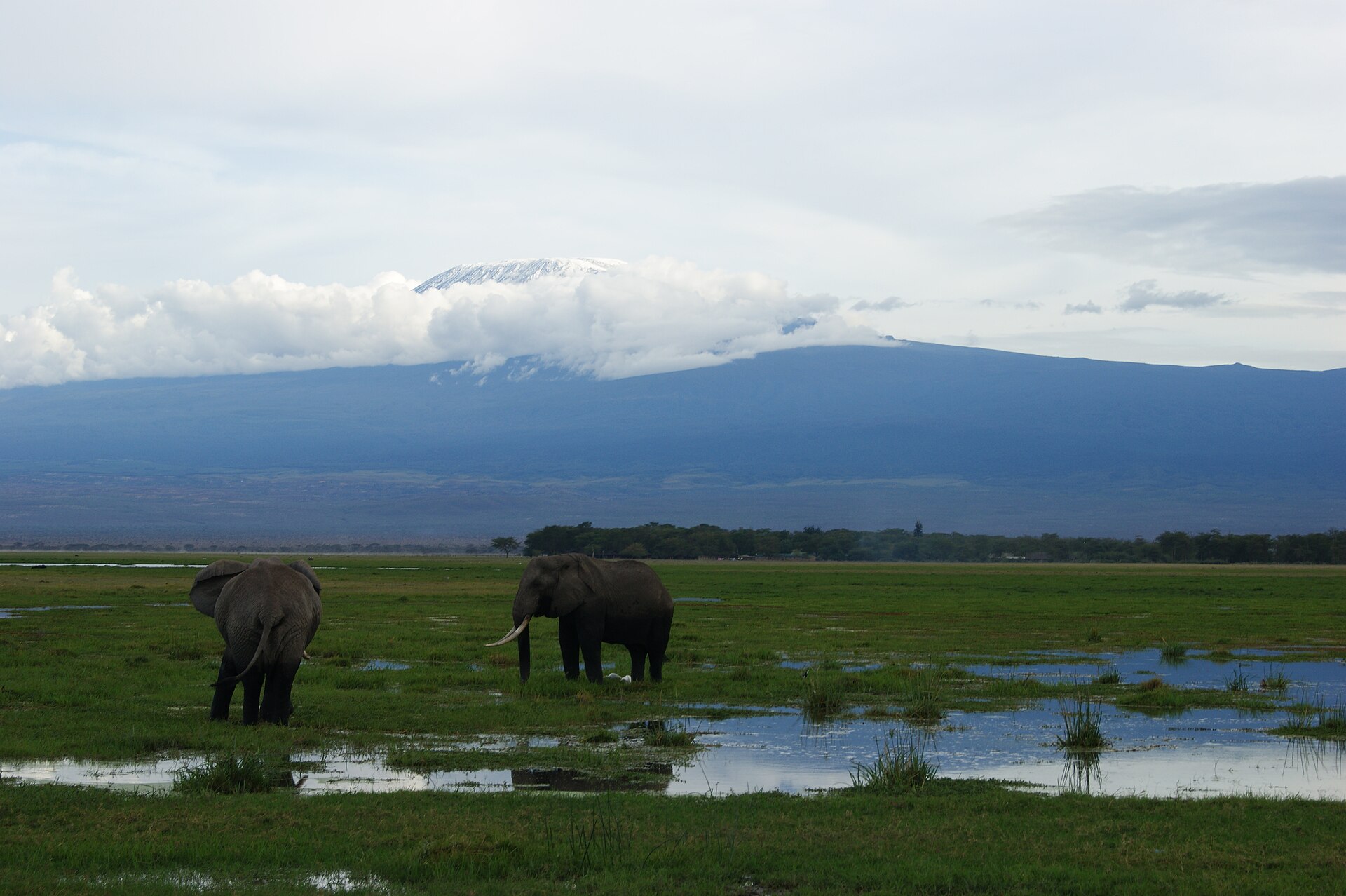
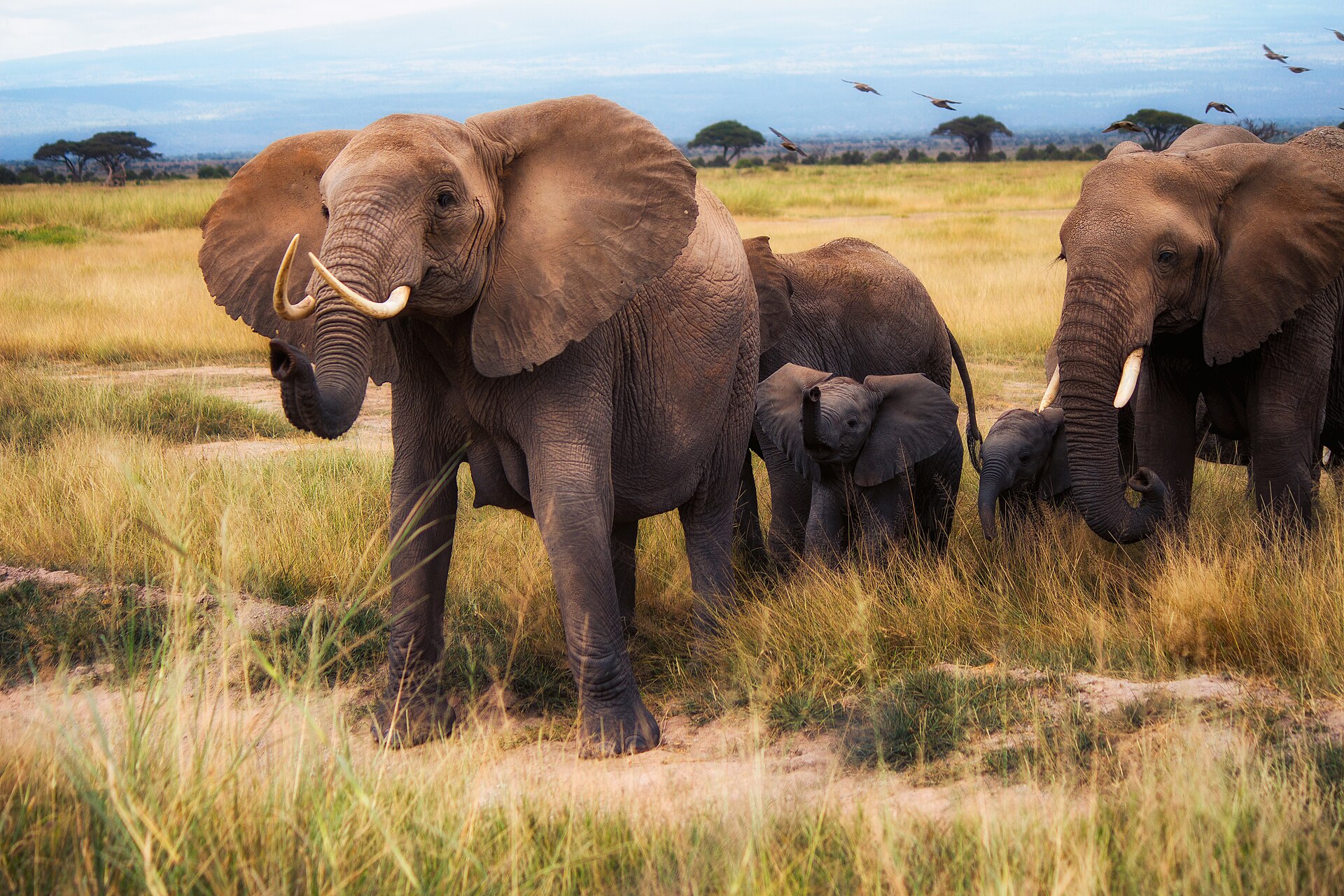
Elephants set the tone. At the end of 2024, 1,903 of them lived in the ecosystem, in 65 families that the Amboseli Trust for Elephants has known one by one since 1972. You see them cross the dry plains in single file in the morning, then walk into the Longinye and Enkongo Narok swamps, where they feed belly-deep in the water.
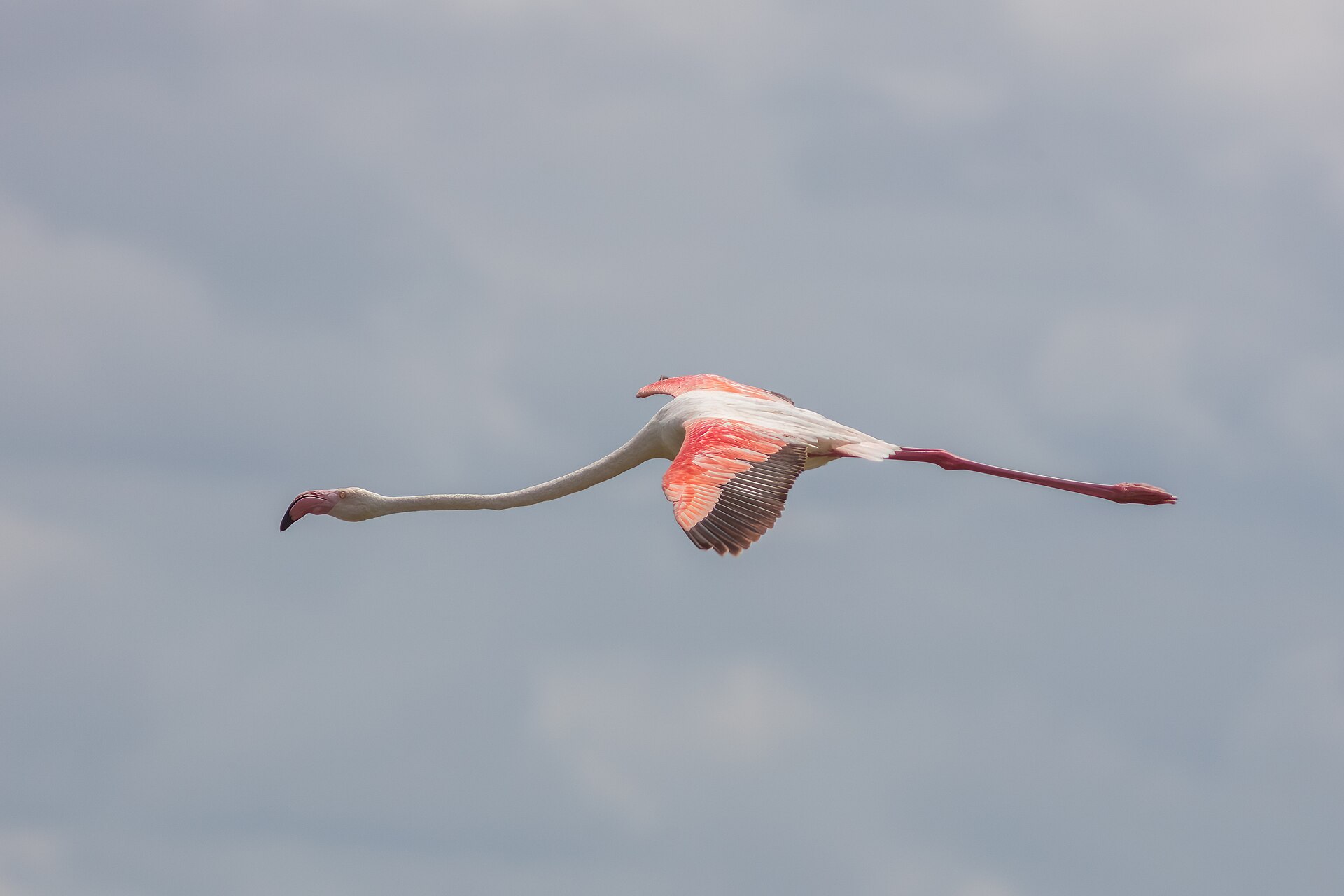
Buffalo and hippos share these swamps, while zebras, wildebeest and Masai giraffes stay on the plains. Lions and hyenas follow the herds, and cheetahs show up on the short grass. The park has no rhinos. More than 400 bird species have been recorded, and Lake Amboseli, dry most of the time, draws flamingos when the rains fill it.
| Species | J | F | M | A | M | J | J | A | S | O | N | D | Note |
|---|---|---|---|---|---|---|---|---|---|---|---|---|---|
 Elephant | peak season | peak season | peak season | peak season | peak season | peak season | peak season | peak season | peak season | peak season | peak season | peak season | 1,903 animals at the end of 2024, Longinye and Enkongo Narok swamps |
 Buffalo | peak season | peak season | peak season | peak season | peak season | peak season | peak season | peak season | peak season | peak season | peak season | peak season | in the swamps |
 Hippopotamus | peak season | peak season | peak season | peak season | peak season | peak season | peak season | peak season | peak season | peak season | peak season | peak season | Enkongo Narok swamp |
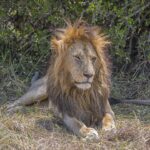 Lion | possible | possible | possible | possible | possible | possible | possible | possible | possible | possible | possible | possible | plains, following the herds |
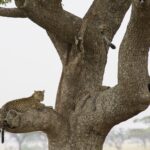 Leopard | rare | rare | rare | rare | rare | rare | rare | rare | rare | rare | rare | rare | rare, on the edges of the swamps |
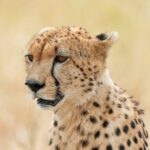 Cheetah | possible | possible | possible | possible | possible | possible | possible | possible | possible | possible | possible | possible | short-grass plains |
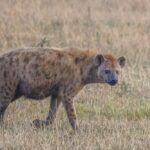 Spotted hyena | peak season | peak season | peak season | peak season | peak season | peak season | peak season | peak season | peak season | peak season | peak season | peak season | throughout the park |
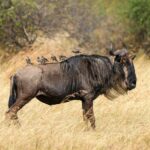 Wildebeest | peak season | peak season | peak season | peak season | peak season | peak season | peak season | peak season | peak season | peak season | peak season | peak season | plains, around the dry lake |
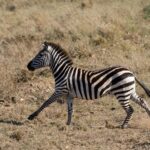 Plains zebra | peak season | peak season | peak season | peak season | peak season | peak season | peak season | peak season | peak season | peak season | peak season | peak season | throughout the park |
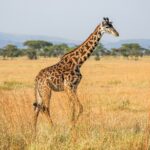 Masai giraffe | peak season | peak season | peak season | peak season | peak season | peak season | peak season | peak season | peak season | peak season | peak season | peak season | acacias on the edges of the park |
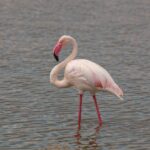 Greater flamingo | possible | possible | possible | possible | possible | rare | rare | rare | rare | rare | possible | possible | Lake Amboseli, when the rains have filled it |
| Yellow baboon | peak season | peak season | peak season | peak season | peak season | peak season | peak season | peak season | peak season | peak season | peak season | peak season | Ol Tukai acacia woods |
peak seasonpossiblerare
What is a safari like in Amboseli?
The park is small, 392 km², and one day is enough to drive around it on the tracks linking the swamps, the dry lake and Observation Hill. You head out at 6 a.m. for Kilimanjaro and the elephants on the move, come back at midday, and go out again around 4 p.m., when the herds leave the swamps.
Observation Hill is the only place where you get out of the vehicle, for a view over the swamps and the mountain. Self-driven 4x4s get around easily in the dry season, and the very fine volcanic dust gets into everything. The lodges are around Ol Tukai, in the center of the park, and at Kimana, outside its boundaries.
When to go to Amboseli?
idealgoodnot recommended
The two dry seasons, June to October and January to February, give the clearest views of Kilimanjaro. They also draw the animals to the swamps, the park's only water. July and August mornings are the clearest, and cool.
The long rains in April and May, and the short rains in November, turn the plains green and sometimes fill Lake Amboseli, which then draws flamingos. The elephants spread out beyond the park and the dust settles. At these times, the mountain often stays in the clouds.
How to get to Amboseli?
From Nairobi, take the Mombasa road to Emali, then the Loitokitok road to Iremito Gate, 204 km and about four hours. Kimana Gate, a little farther on, serves the lodges in the south. The route via Namanga, 220 km, ends on a laterite track to Meshanani Gate. A track links Amboseli to Tsavo West via Kimana.
AirKenya and Safarilink take off from Wilson Airport every morning and land on the park airstrip in 40 minutes on a direct flight, longer with a stop. Safarilink offers same-day connections to the Masai Mara, Samburu and Nanyuki.
Stay in Ol Tukai
Where to find a guide in Amboseli?
Guided tours you can book online, ranked by number of reviews. These are affiliate links: if you book, you support us at no extra cost.

 Viator
7 Day Maasai Mara, Lake Nakuru, Lake Naivasha and Amboseli Safari
4.7 (59 reviews)View and book Viator
Amboseli National Park Sunrise Safari Day Trip from Nairobi
4.6 (26 reviews)View and book Viator
Full Day private Tour in Amboseli National Park from Nairobi
4.7 (20 reviews)View and book Viator
Day Tour to Amboseli National Park from Nairobi
5.0 (14 reviews)View and book Viator
2 Days 1 Night Amboseli National Park Safari from Nairobi
5.0 (8 reviews)View and bookWhere to stay near Amboseli?
Hotels, apartments and rooms around Ol Tukai, with current prices.
Which hotels to choose near Amboseli?
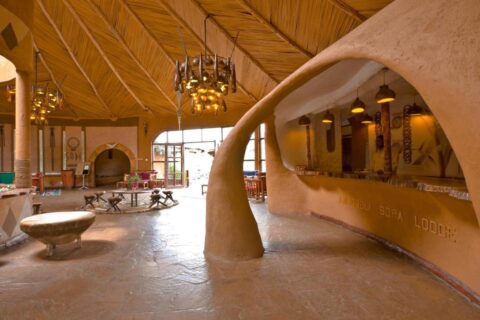
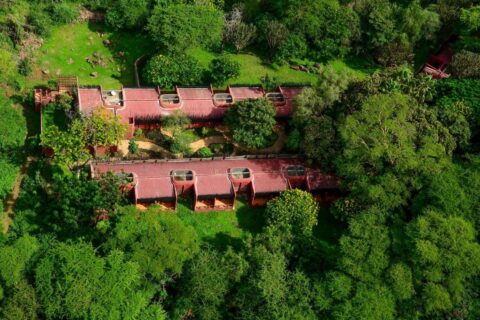
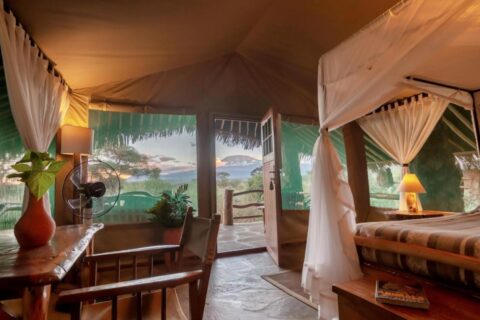
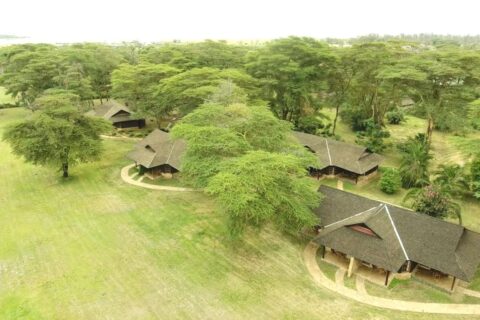
How have the Amboseli elephants been studied since 1972?
Cynthia Moss began photographing the Amboseli elephants in 1972, and the project has run without a break ever since. Every animal has a name, and researchers record its family, its calves and its death. Echo, the most watched matriarch in the world, lived here until 2009, when she was about 60.
The 2022 drought killed 179 elephants in a single year, mostly the old and the very young, then the rains came back and the births with them. At the end of 2024, the population stood at 1,903 animals in 65 families, ranging over an 8,000 km² ecosystem that reaches far beyond the park.
How does Kilimanjaro shape Amboseli National Park?
Amboseli is in Kenya, Kilimanjaro in Tanzania, and the border runs between them. Water from the summit reaches the park through underground springs and feeds the swamps that keep it alive, on a plain that gets almost no rain. Lake Amboseli, a lakebed dry for thousands of years, gives the park its white dust, which rises in whirlwinds in the dry season.
Set aside as Maasai land in 1906, then made a game reserve in 1948, Amboseli became a national park on November 1, 1974. UNESCO declared it a biosphere reserve in 1991.
Frequently asked questions about Amboseli
When is the best time to visit Amboseli?
June to October, and January and February, for clear mornings on Kilimanjaro and animals gathered at the swamps. April and May are the months of the long rains: green, but often without the mountain.
How much is the Amboseli National Park entry fee?
US$90 per adult per 24-hour period, US$45 for a child or a student, for a single entry. A vehicle with fewer than six seats pays KSh 600 a day. The Tsavo West and Amboseli combined ticket costs US$150 per adult.
Can you really see Kilimanjaro from Amboseli?
Yes, especially at dawn and in the late afternoon, in the dry season. The summit hides in the clouds in the middle of the day and during the rains. The park is in Kenya, the mountain in Tanzania.
How do you get from Nairobi to Amboseli?
By the Mombasa road to Emali, then on to Iremito Gate, about four hours for 204 km. By air, AirKenya and Safarilink leave Wilson every morning, US$183 one way in high season, taxes included.
How many days do you need in Amboseli?
Two days and one night. You can cross the park in a day, but a night there gives you the dawn, the only reliable time for the mountain and the elephants on the move.
Can you visit Amboseli with children?
Yes. Entry costs US$45 for ages 5 to 17, and the park is small, so the drives are short. Malaria calls for the same precautions as for adults, and the dust bothers the youngest in the dry season.
Our tip
Get up before daybreak: Kilimanjaro shows itself at dawn and disappears into the clouds by mid-morning. Stay inside the park, around Ol Tukai, or at Kimana near the gate, so you are at the swamps when the gates open.
Other parks nearby
 KenyaNational park
Tsavo East National Park
Southern Kenya
 TanzaniaNational park
Lake Manyara National Park
Northern Tanzania TanzaniaNational park