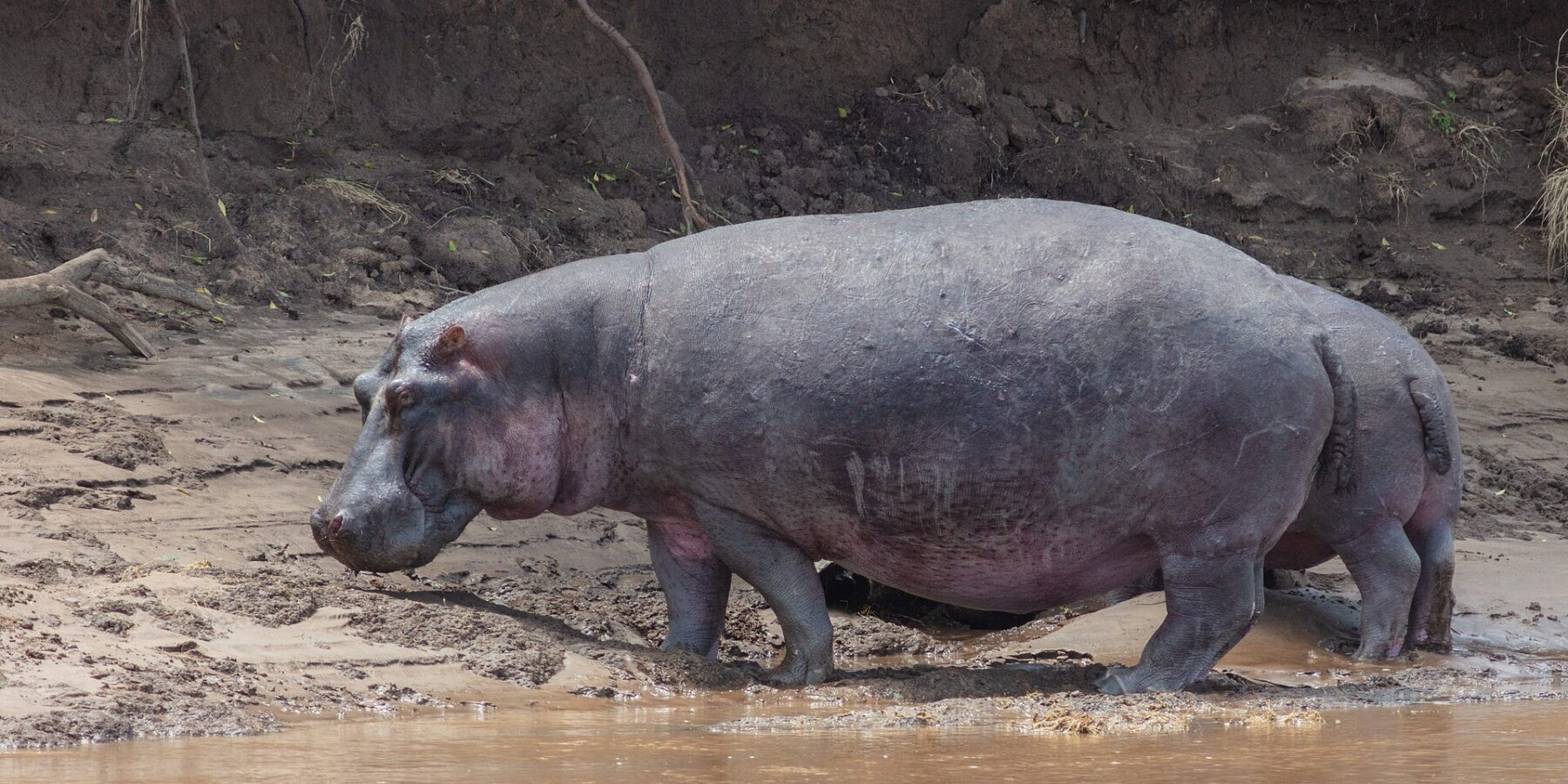
The hippo spends the day in the water, and the best time to see it is late afternoon, when the groups come to life. In the Masai Mara, dozens of hippos occupy the pools of the river, and several camps look out over them. In South Africa, they also live in the dams and rivers of Kruger.
Where to see the hippopotamus on safari?
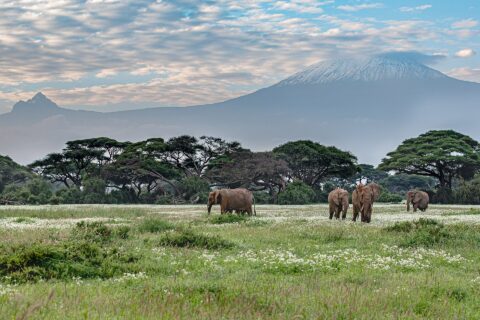
 KenyaNational park
Amboseli National Park
Southern KenyaPeak season all year round: Enkongo Narok swamp
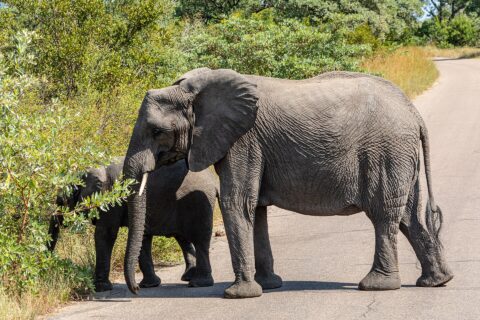
 South AfricaNational park
Kruger National Park
Northeastern South AfricaPeak season all year round: Sabie, Olifants and Letaba rivers, and dams
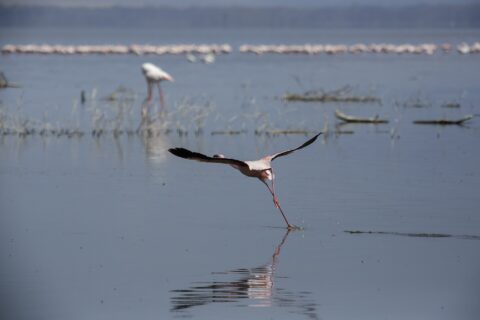 KenyaNational park
Lake Nakuru National Park
Northern KenyaCan be seen all year round: river mouths, south shore
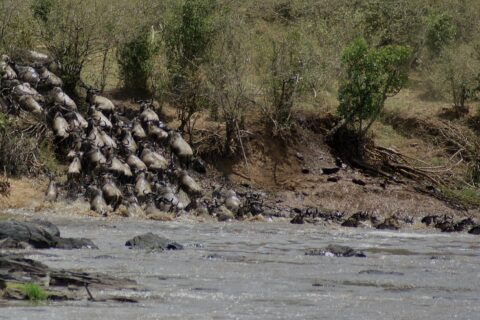 KenyaNational reserve
Masai Mara National Reserve
Southwestern KenyaPeak season all year round: pools of the Mara River
 KenyaPrivate reserve
Ol Pejeta Conservancy
Northern KenyaCan be seen all year round: Ewaso Ng'iro hide
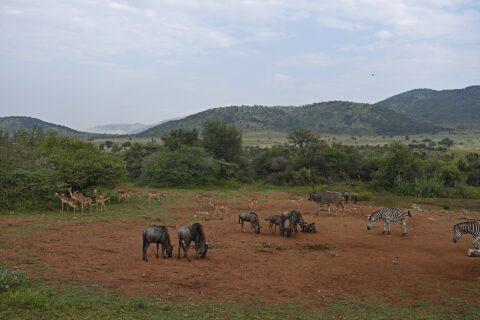 South AfricaNational park
Pilanesberg National Park
Northwestern South AfricaPeak season all year round: Mankwe Dam
 South AfricaPrivate reserve
Sabi Sand Game Reserve
Northeastern South AfricaPeak season all year round: pools in the Sabie and Sand rivers
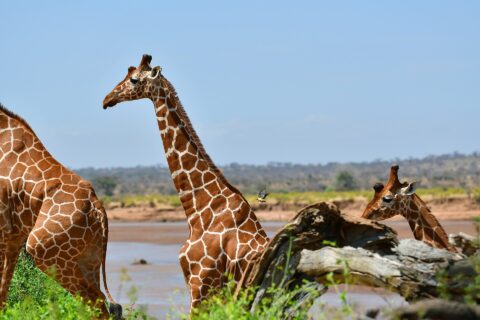 KenyaNational reserve
Samburu National Reserve
Northern KenyaCan be seen all year round: pools of the Ewaso Ng'iro
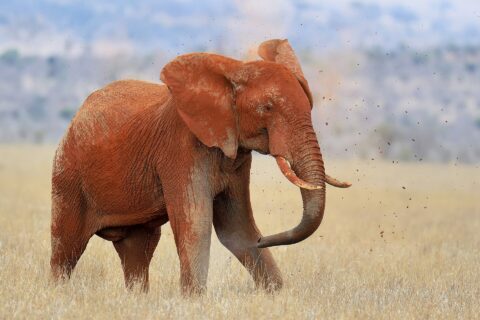 KenyaNational park
Tsavo East National Park
Southern KenyaCan be seen all year round: Galana pools
How do you identify a hippopotamus?
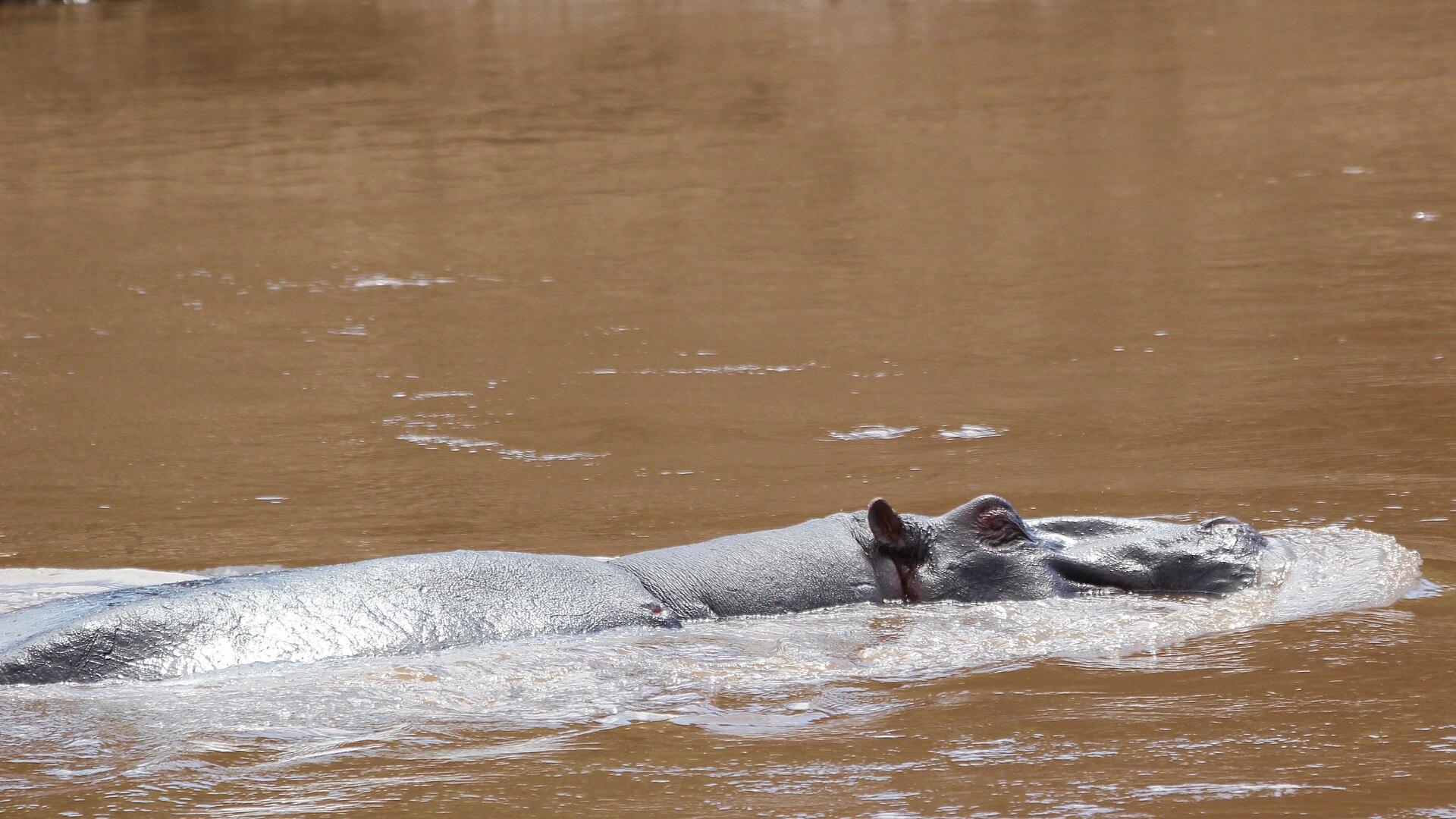
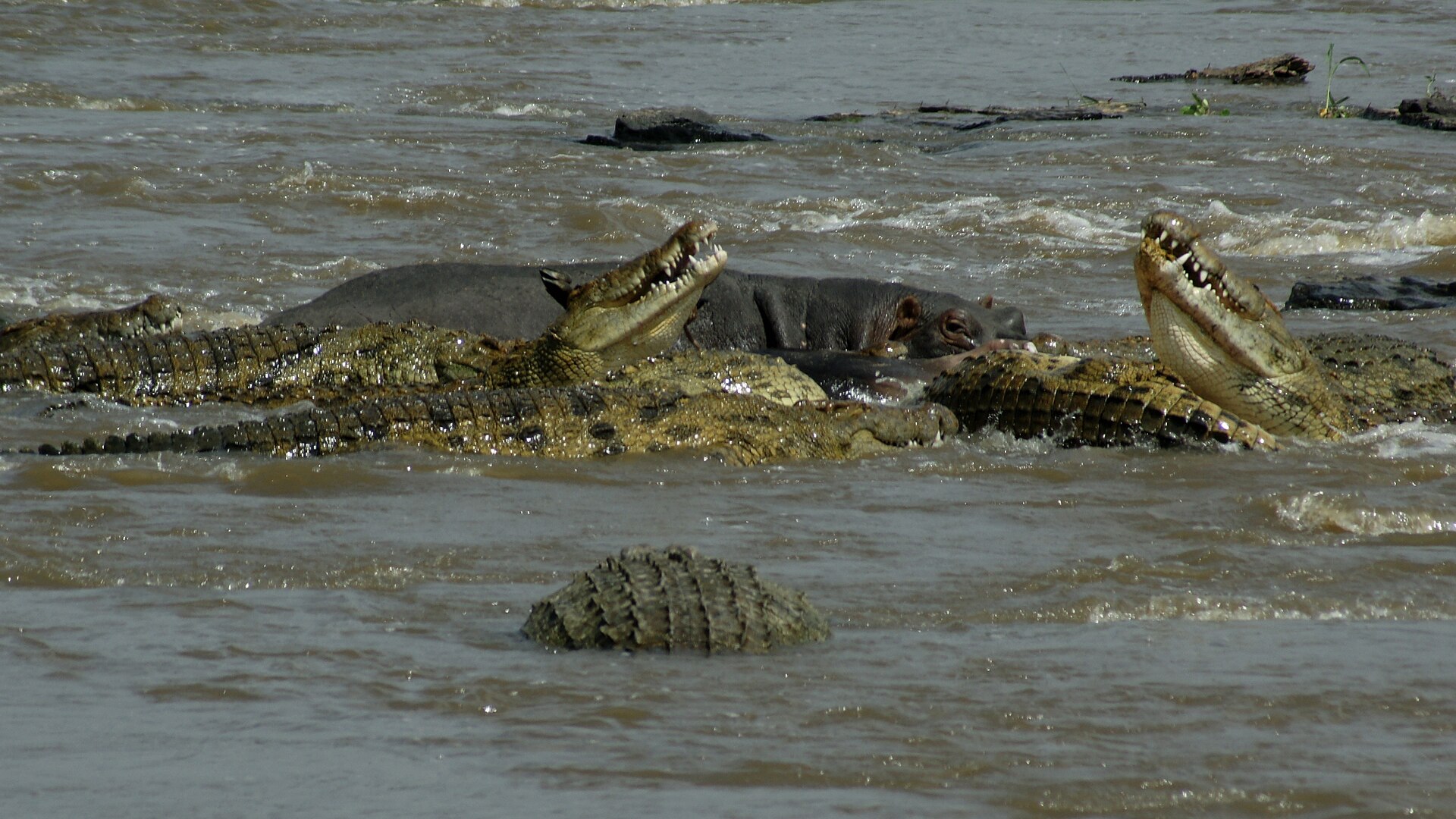
Nothing looks like a hippo. It has a barrel-shaped body 3 to 5 meters long and 1.5 meters at the shoulder. A female weighs 1,300 kg, and a big male up to 3,200 kg. The bare, gray-pink skin oozes a red secretion in the sun. In the water, you see only the top of the head: the eyes, the small round ears and the nostrils, which close when it dives. The mouth opens on huge lower canines, weapons more than tools, since it crops grass with its lips. The pygmy hippo, the other species, lives in West Africa, far from here.
Hippopotamus in pictures
How does the hippopotamus live?
By day, it stays in the water in groups of 5 to 30, under a male who holds 250 meters of river and around ten females. It doesn't really swim: it walks along the bottom and comes up to breathe every five minutes. At nightfall, it comes out to graze for four or five hours along fixed paths, sometimes several kilometers from the water, and goes back before dawn. It lives 40 to 50 years. Fights between males, jaw to jaw, leave scars you see on almost every back.
Where and when can you see hippos on safari?
In Kenya, the hippos of the Masai Mara live by the dozen in the pools of the Mara and Talek rivers, in every season. Several camps look right out over them. Designated viewpoints on the river, where you walk down with a ranger, show them up close. In Amboseli, look for them in the Enkongo Narok swamp, beside the track. In Samburu, the pools of the Ewaso Ng'iro hold a few, as does the Galana River in Tsavo East.
In South Africa, you see them in every season in Kruger, in the dams and in the Sabie, Olifants and Letaba rivers. In Sabi Sand, they occupy the pools of the Sabie and Sand rivers. Everywhere, the right time is late afternoon, when the groups come to life, open their mouths and start to come out. At night, you hear them grazing around the camps.
Is the hippopotamus endangered?
The IUCN lists the hippopotamus as Vulnerable. Between 125,000 and 150,000 remain in Africa, and the population has declined by 7 to 20% since 1996. The threats are the loss of wetlands, converted into fields, and poaching for meat and for the ivory of its canines, which is less closely watched than elephant ivory. In Kenya, the rivers of the parks and the Rift lakes hold stable populations. The Mara remains one of the places on the continent where hippos are easiest to see.
Our tip
Look for it in late afternoon, when the groups rise to the surface and start to come out. Sleep in a camp on the Mara River and you will hear it grazing right outside your tent. In the morning, the banks show its tracks and its dung sprayed in a fan over the bushes.