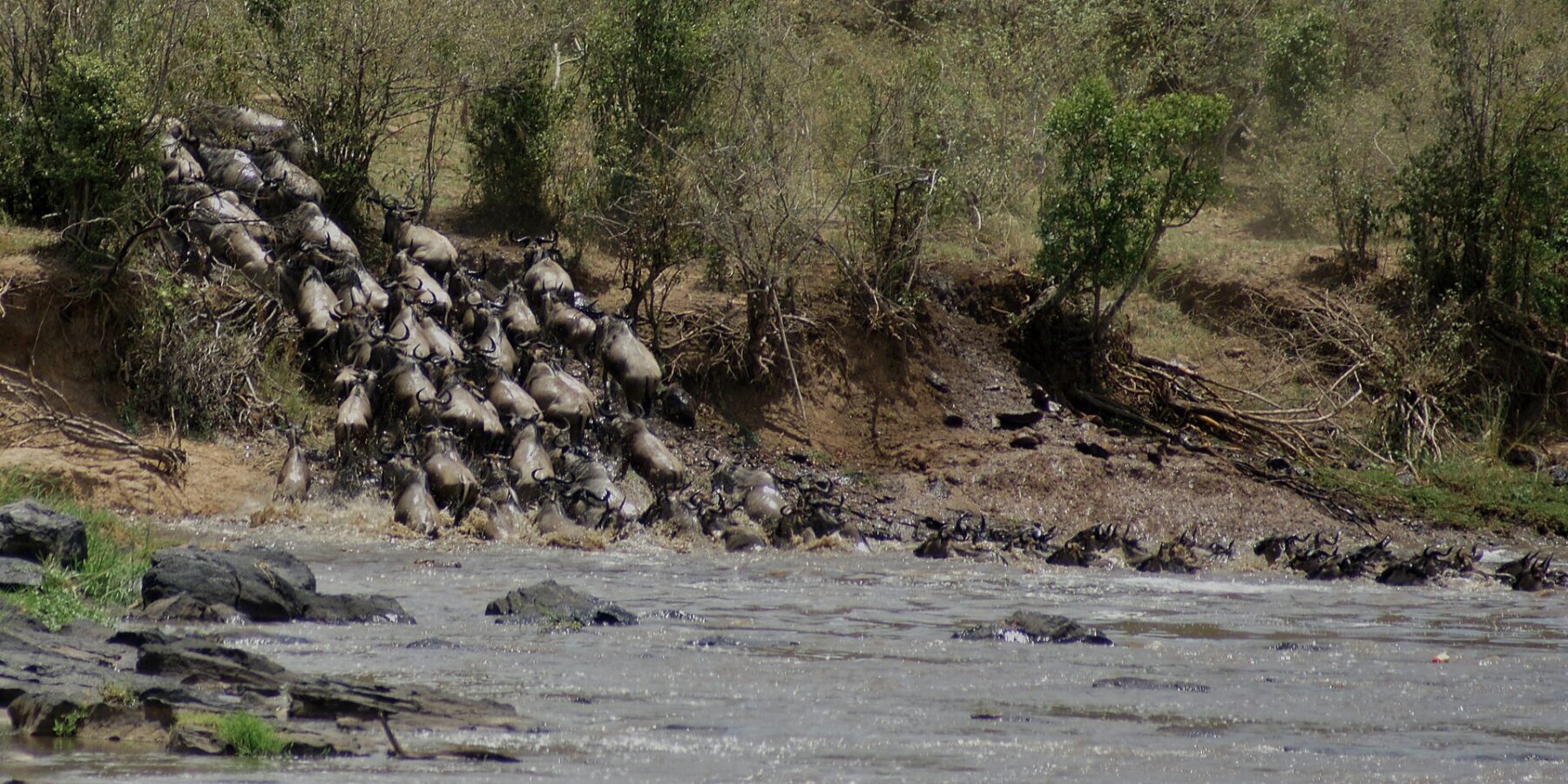
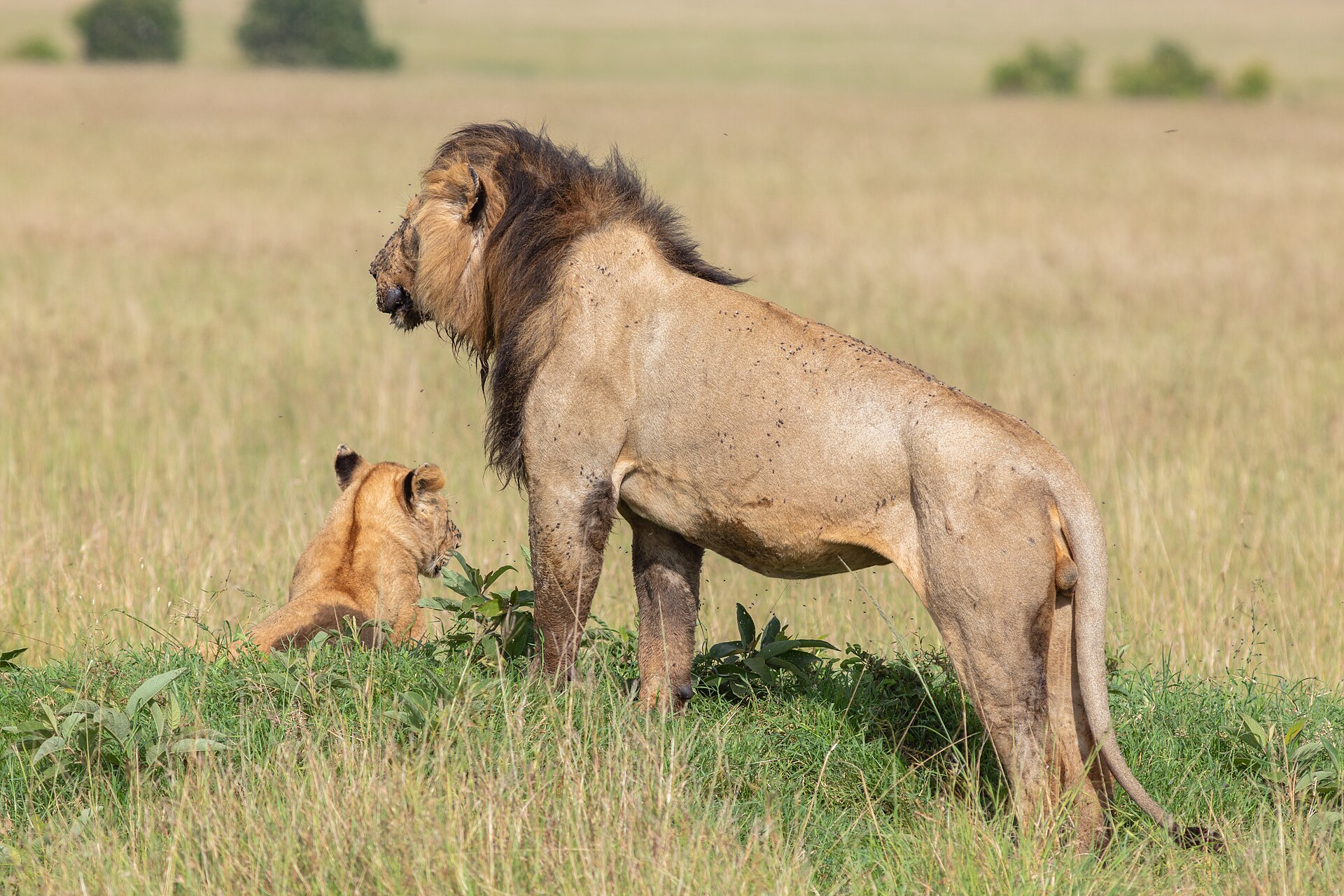
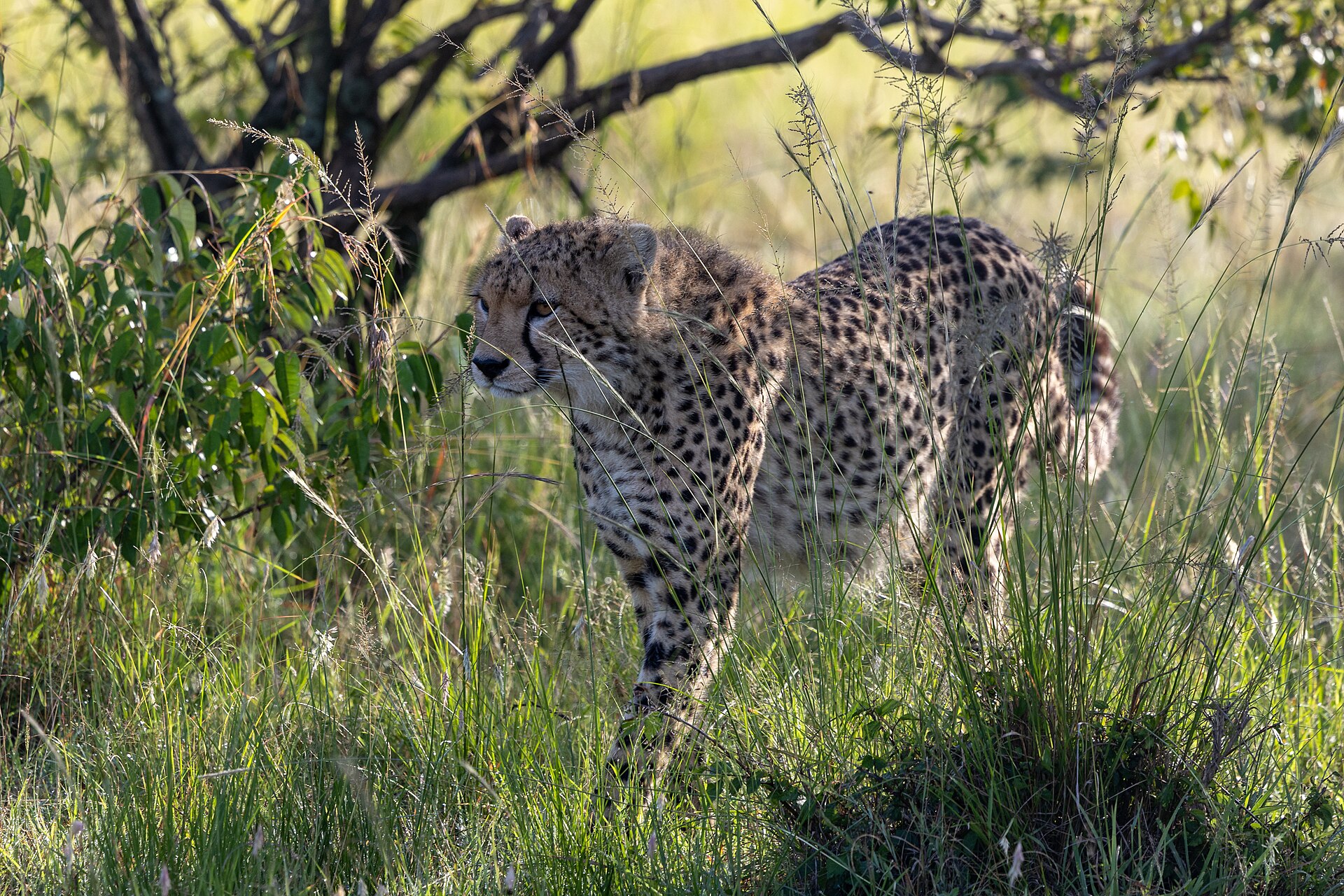
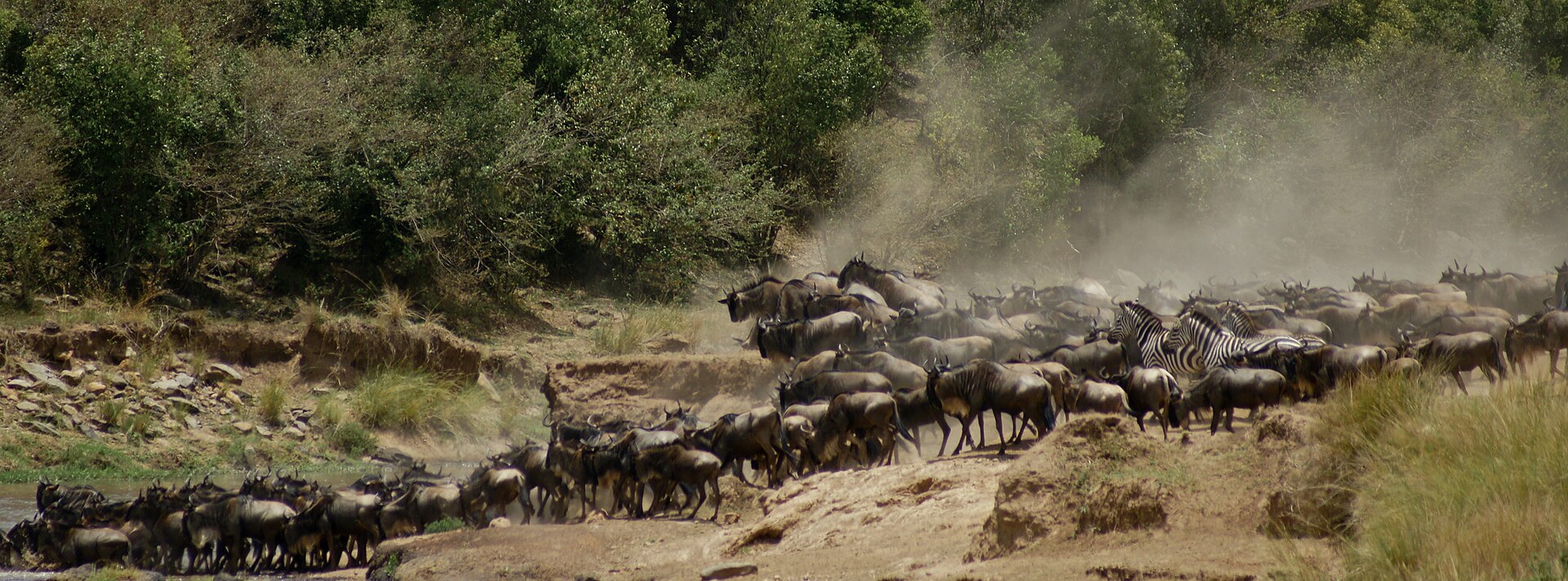
In the Masai Mara, you wait for the wildebeest on the banks of the Mara River, where 1.3 million animals from the Serengeti cross past the crocodiles from July to October. The reserve had nearly 17 lions per 100 km² in 2014, a density rare in Africa, and cheetahs hunt in the open on the short grass.
Why go to the Masai Mara?
- Wildebeest and zebras crossing the Mara River, from July to October
- Nearly 17 lions per 100 km² in the 2014 count, and cheetahs hunting in broad daylight on the short grass
- 1,764 elephants counted in the reserve in 2024, and 25 to 30 black rhinos
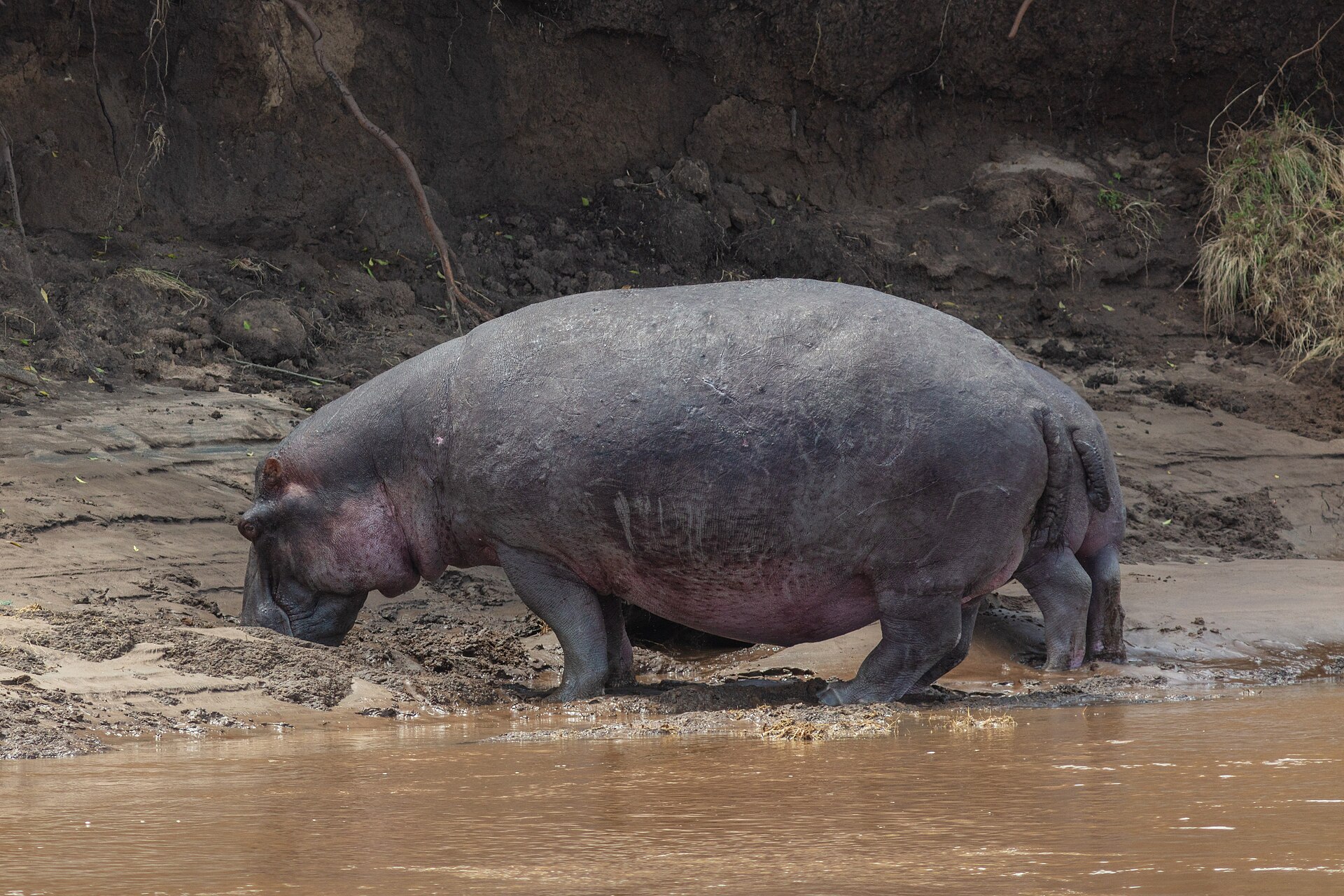
- The hippos and crocodiles of the Mara River, visible in its pools all year round
- The neighboring conservancies, Mara North, Naboisho or Olare Motorogi, for night drives and walks
The Masai Mara in pictures
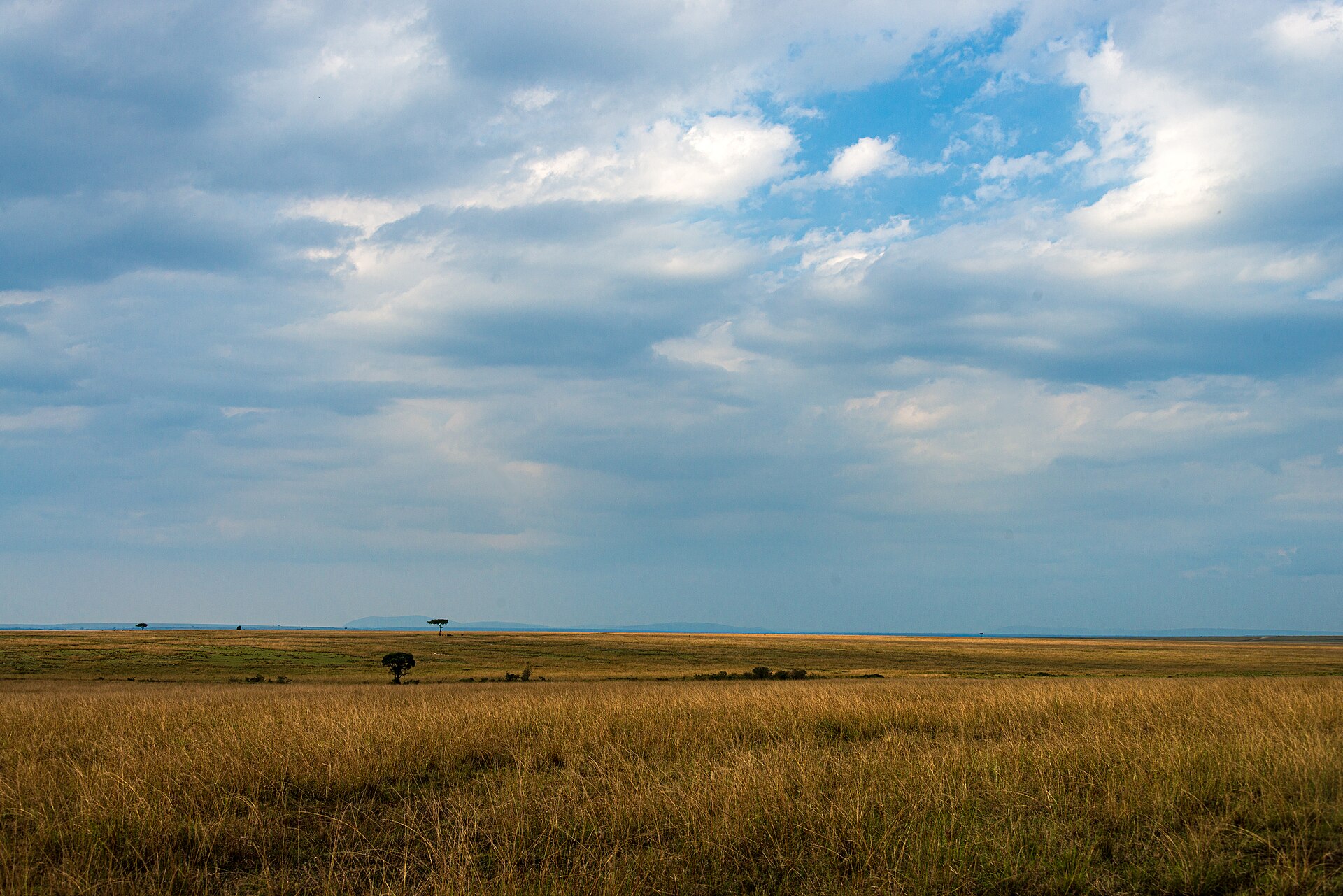
Which animals can you see in the Masai Mara?
The wildebeest arrive from the Serengeti around July and leave around October, along with zebras and Thomson's gazelles, and the predators are waiting for them. Lions live here in large prides. The Musiara Marsh pride made the reserve famous, and you come across lions on almost every drive. Cheetahs hunt in broad daylight on the short-grass plains, while leopards live in the forests along the Talek and Mara rivers.
Hippos fill the pools of the Mara in pods of several dozen, and the crocodiles wait for the crossings. The reserve counted 1,764 elephants in 2024. The 25 to 30 black rhinos recorded in 2023 live mostly in the Mara Triangle, west of the river, and few visitors see one.
| Species | J | F | M | A | M | J | J | A | S | O | N | D | Note |
|---|---|---|---|---|---|---|---|---|---|---|---|---|---|
 Wildebeest: the migration | rare | rare | rare | rare | rare | possible | peak season | peak season | peak season | peak season | possible | rare | arrive from the Serengeti around July, head back to Tanzania in October |
 Plains zebra | peak season | peak season | peak season | peak season | peak season | peak season | peak season | peak season | peak season | peak season | peak season | peak season | residents and migrants, throughout the reserve |
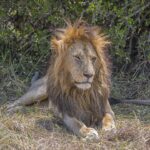 Lion | peak season | peak season | peak season | peak season | peak season | peak season | peak season | peak season | peak season | peak season | peak season | peak season | throughout the reserve, including the Musiara Marsh pride |
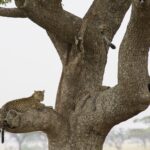 Leopard | possible | possible | possible | possible | possible | possible | possible | possible | possible | possible | possible | possible | riverine forest along the Talek and Mara rivers |
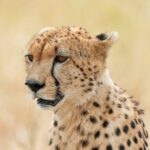 Cheetah | possible | possible | possible | possible | possible | possible | peak season | peak season | peak season | peak season | possible | possible | short-grass plains, in broad daylight |
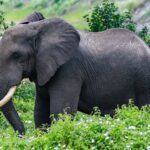 Elephant | peak season | peak season | peak season | peak season | peak season | peak season | peak season | peak season | peak season | peak season | peak season | peak season | 1,764 counted in 2024, throughout the reserve |
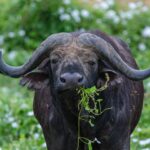 Buffalo | peak season | peak season | peak season | peak season | peak season | peak season | peak season | peak season | peak season | peak season | peak season | peak season | throughout the reserve |
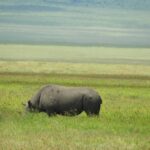 Black rhinoceros | rare | rare | rare | rare | rare | rare | rare | rare | rare | rare | rare | rare | 25 to 30 animals, mostly in the Mara Triangle |
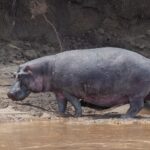 Hippopotamus | peak season | peak season | peak season | peak season | peak season | peak season | peak season | peak season | peak season | peak season | peak season | peak season | pools of the Mara River |
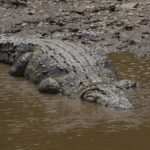 Nile crocodile | possible | possible | possible | possible | possible | possible | peak season | peak season | peak season | peak season | possible | possible | Mara River, at the migration crossing points |
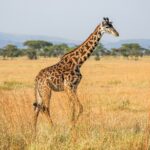 Masai giraffe | peak season | peak season | peak season | peak season | peak season | peak season | peak season | peak season | peak season | peak season | peak season | peak season | acacias and riverbanks |
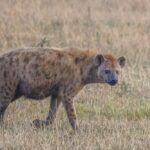 Spotted hyena | peak season | peak season | peak season | peak season | peak season | peak season | peak season | peak season | peak season | peak season | peak season | peak season | throughout the reserve |
| Topi | peak season | peak season | peak season | peak season | peak season | peak season | peak season | peak season | peak season | peak season | peak season | peak season | eastern plains, often standing on a termite mound |
| Thomson's gazelle | peak season | peak season | peak season | peak season | peak season | peak season | peak season | peak season | peak season | peak season | peak season | peak season | throughout the reserve |
peak seasonpossiblerare
What is a safari like in the Masai Mara?
The day starts at 6 a.m., when the gates open, and you find the lion prides in the first hour, before the heat. You head back to camp around 11 a.m. and go out again at 4 p.m., until the gates close at 6 p.m. The ticket covers those twelve hours. From July to October, guides spend the day at the Mara crossing points, where the wait sometimes lasts for hours.
Most visitors come from Nairobi in a 4x4 with a driver-guide. The reserve also accepts self-driven rental vehicles, on the tracks only. The neighboring conservancies require a guide and add night drives and walks, both banned in the reserve.
When to go to the Masai Mara?
idealgoodnot recommended
The dry season, from July to October, is migration season, when the Serengeti herds fill the Mara plains and cross the river. Camps are fully booked, and entry fees double from July 1 to December 31. January and February are dry too, with short grass and animals that are easy to spot, at half the price.
The long rains fall in April and May, and the Mara's black cotton soil tracks turn slippery. The short rains of November and December turn the reserve green without closing it, and the migratory birds arrive.
How to get to the Masai Mara?
From Nairobi, the road is paved all the way to Sekenani Gate via Narok, 230 km and five to six hours with stops. Talek and Musiara gates, and Oloololo Gate for the Triangle, are reached on dirt tracks.
AirKenya and Safarilink light aircraft take off from Wilson Airport, south of Nairobi, several times a day. They land 40 minutes to an hour later on one of the reserve's airstrips, Keekorok, Olkiombo, Musiara or Mara Serena, depending on your camp. Safarilink also links the Mara to Samburu with a daily direct flight.
Stay in Sekenani Gate
Where to find a guide in the Masai Mara?
Guided tours you can book online, ranked by number of reviews. These are affiliate links: if you book, you support us at no extra cost.

 Viator
5 Days Masai Mara, Lake Nakuru & Naivasha Budget Joining Safari
4.9 (377 reviews)View and book Viator
Lake Nakuru, Naivasha & Masai Mara 4 Days Private Jeep Safari
4.7 (111 reviews)View and book Viator
African Wildlife & Nature - 5 Kenya national parks - 6 day Jeep Safari
4.7 (92 reviews)View and book Viator
7 Day Maasai Mara, Lake Nakuru, Lake Naivasha and Amboseli Safari
4.7 (59 reviews)View and book Viator
Olpejeta, Lake Naivasha, Masai Mara 5 Days Private Kenya Jeep tour
4.8 (55 reviews)View and book Viator
3-Day Masai Mara Group Joining Safari Adventure
5.0 (43 reviews)View and bookWhere to stay near the Masai Mara?
Hotels, apartments and rooms around Sekenani Gate, with current prices.
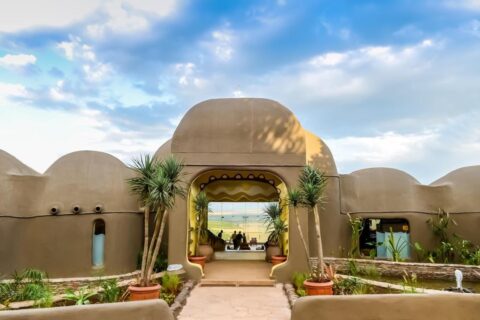
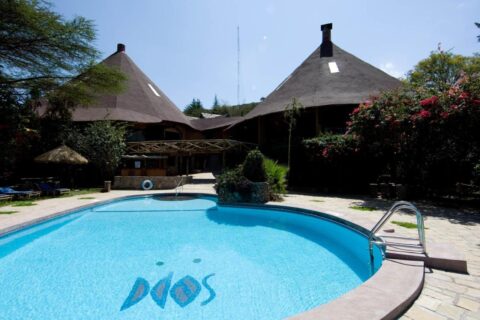
Which hotels to choose near the Masai Mara?
When does the Great Migration reach the Masai Mara?
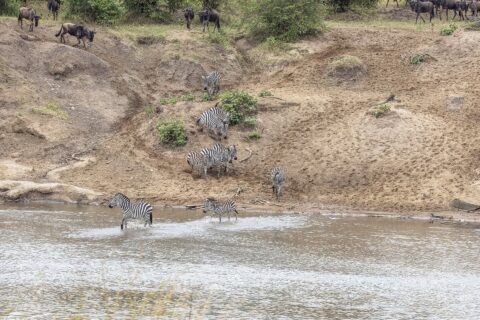
The Serengeti herds enter Kenya around July, driven by the drought in the south, and stay on the Mara plains until October. The migration counts about 1.3 million wildebeest, 500,000 Thomson's gazelles and 97,000 topi, with the zebras leading the way. The Mara River crossings happen in both directions for as long as the herds stay, often at the same fords, between the Triangle and the east bank.
Nobody can predict them to the hour, and guides sometimes wait a whole morning. With the short rains of November, the wildebeest head back down to Tanzania.
How do the Masai Mara conservancies differ from the reserve?
The national reserve covers 1,510 km² and belongs to Narok County. The Mara Triangle, west of the river, has been run for the county by the Mara Conservancy since 2001. All around it, some fifteen conservancies, Mara North, Naboisho, Olare Motorogi, Ol Kinyei or Lemek, lease their land from Maasai herders and keep it for a handful of camps.
You pay a nightly fee there, included in the camp rate. In return, you get night drives, walks and off-road driving, with a limited number of vehicles. The animals ignore these boundaries, and the Mara lions move back and forth between the two.
Frequently asked questions about the Masai Mara
When is the best time to visit the Masai Mara?
July to October for the migration and the Mara River crossings. January and February for a dry reserve that costs less and sees fewer visitors. April and May are the months of the long rains.
How much is the Masai Mara entry fee?
US$200 per adult per day from July 1 to December 31, US$100 from January 1 to June 30. Children aged 9 to 17 pay US$50, and entry is free under 9. The ticket is valid for 12 hours, from 6 a.m. to 6 p.m.
Can you visit the Masai Mara without a guide?
Yes, the reserve accepts self-driven 4x4s, on the tracks, from 6 a.m. to 6 p.m. The neighboring conservancies, however, only admit their own camps' vehicles, with a guide.
How do you get from Nairobi to the Masai Mara?
By road, on the paved highway to Sekenani, in five to six hours via Narok. By air, AirKenya and Safarilink leave Wilson several times a day for a 40-minute to one-hour flight. Expect to pay US$246 one way in high season.
How many days do you need in the Masai Mara?
At least three days. Two nights leave you a full day at the river crossings in migration season, and a third night gives you a real chance of seeing a leopard and a black rhino.
Masai Mara reserve or conservancy: which should you choose?
The reserve for the Mara River and the crossings, a conservancy for night drives, walks and off-road driving with fewer vehicles. Many travelers spend two nights in each.
Our tip
Choose your camp by the month and by the side of the river. From July to October, stay near the Mara, in the Triangle or around Musiara, so you are at the crossing points at dawn. The rest of the year, a conservancy north of the reserve gives you the same lions with fewer vehicles.
Other parks nearby
 TanzaniaNational park
Serengeti National Park
Northern Tanzania
 KenyaNational park
Lake Nakuru National Park
Northern Kenya TanzaniaConservation area