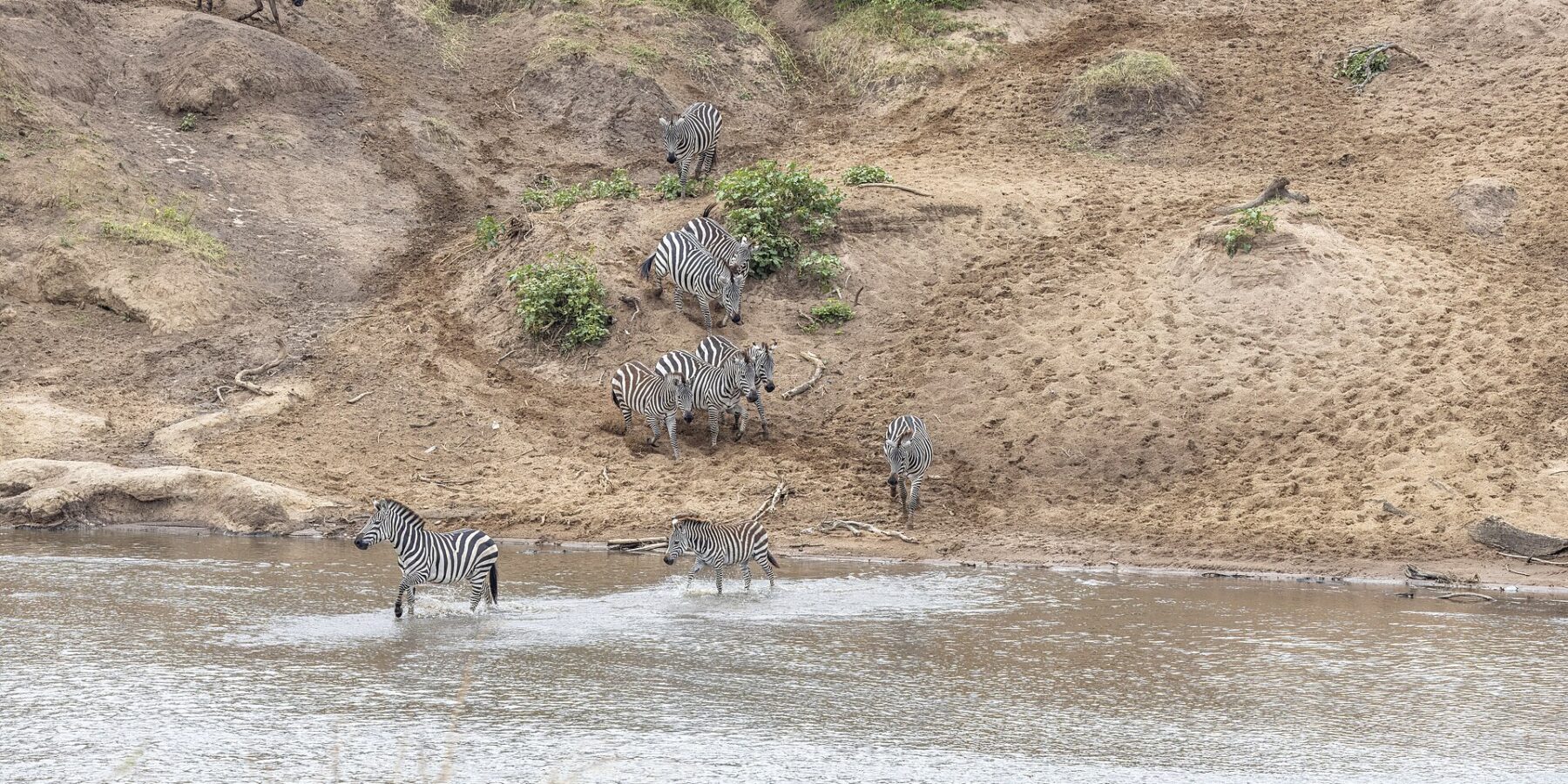
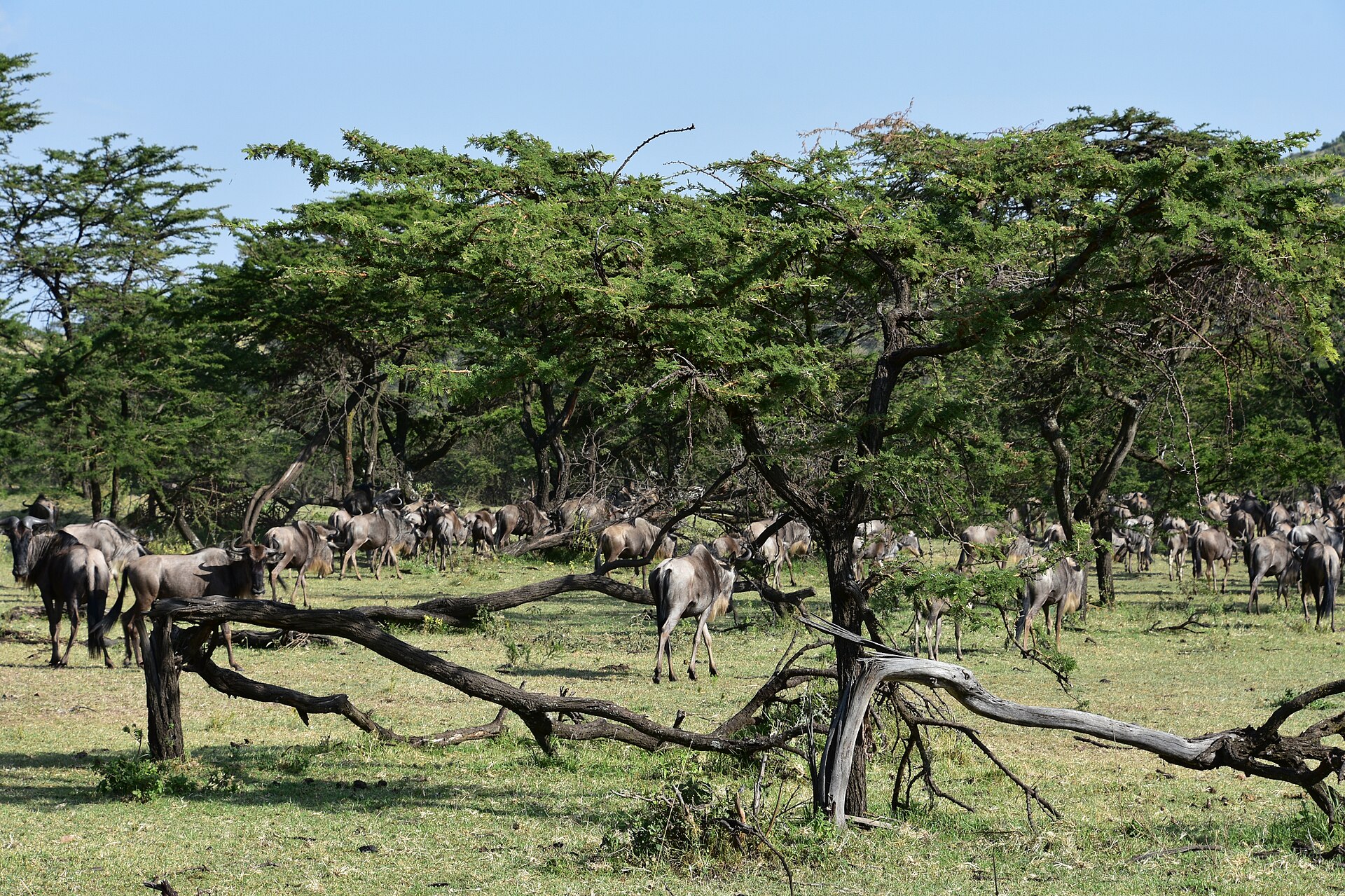
In the Serengeti, you follow the largest animal migration on Earth: more than 1.5 million wildebeest and 250,000 zebras circling between Tanzania and Kenya. Depending on the month, the herds are in the south, in the center or along the Mara River, and lions follow them: more than 3,000 live in the ecosystem.
Why go to the Serengeti?
- The Mara River crossings, in the north of the park, from July to October
- Wildebeest calving on the southern edge, around Ndutu, from January to March
- The full Big Five, including a black rhino that has become very rare
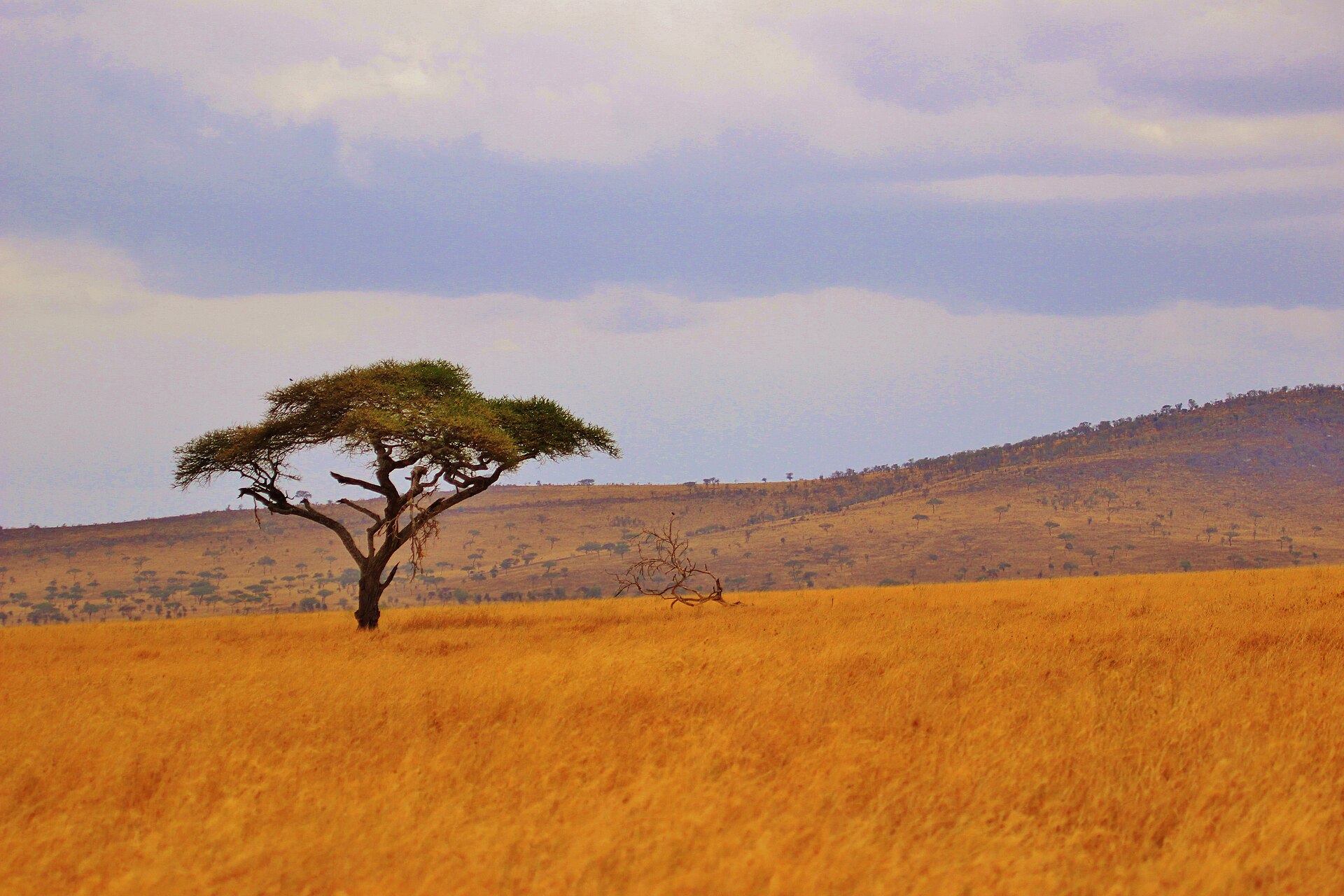
- Cheetahs on the open plains, leopards in the acacias
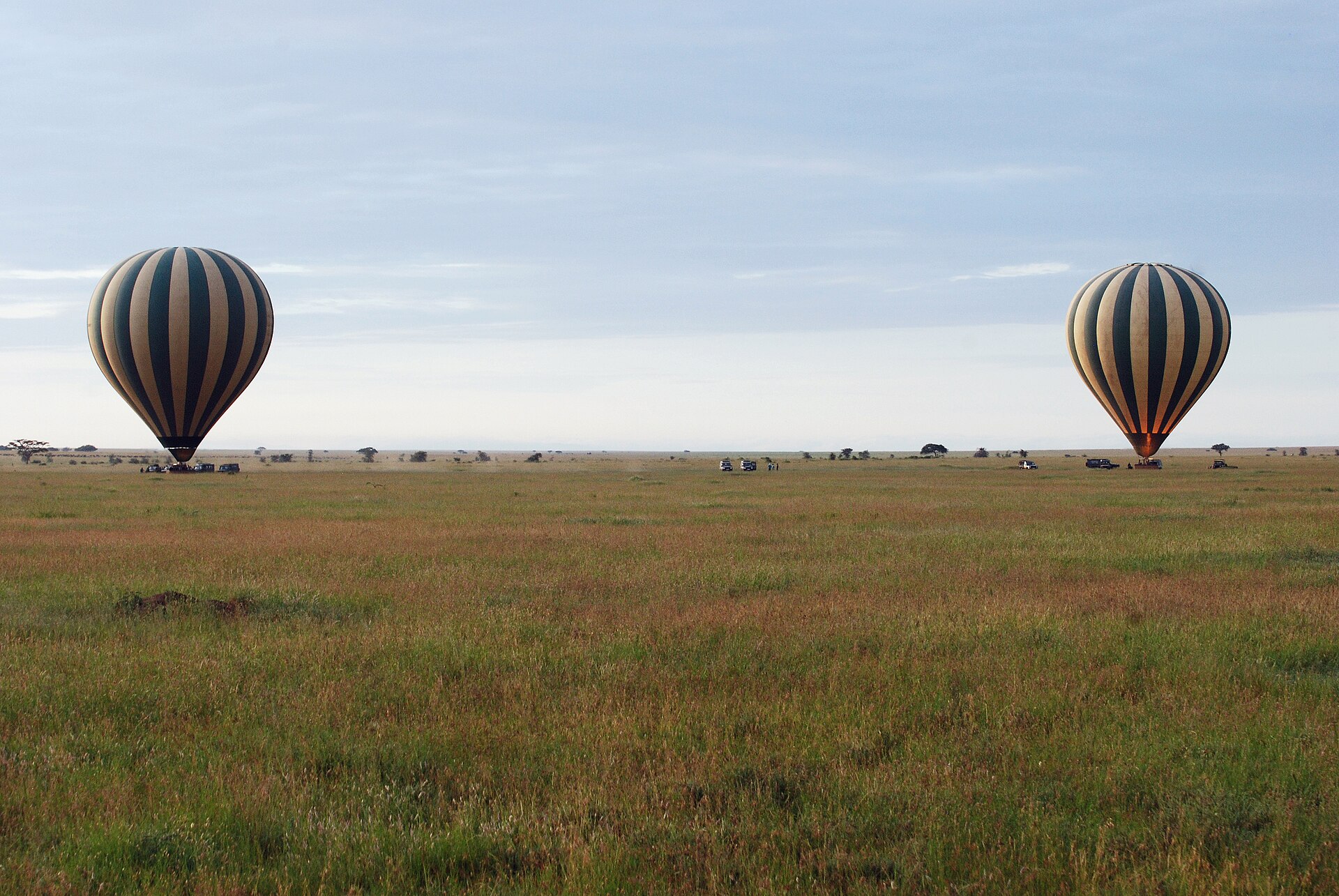
- A hot-air balloon flight at sunrise, from Seronera
The Serengeti in pictures
Which animals can you see in the Serengeti?
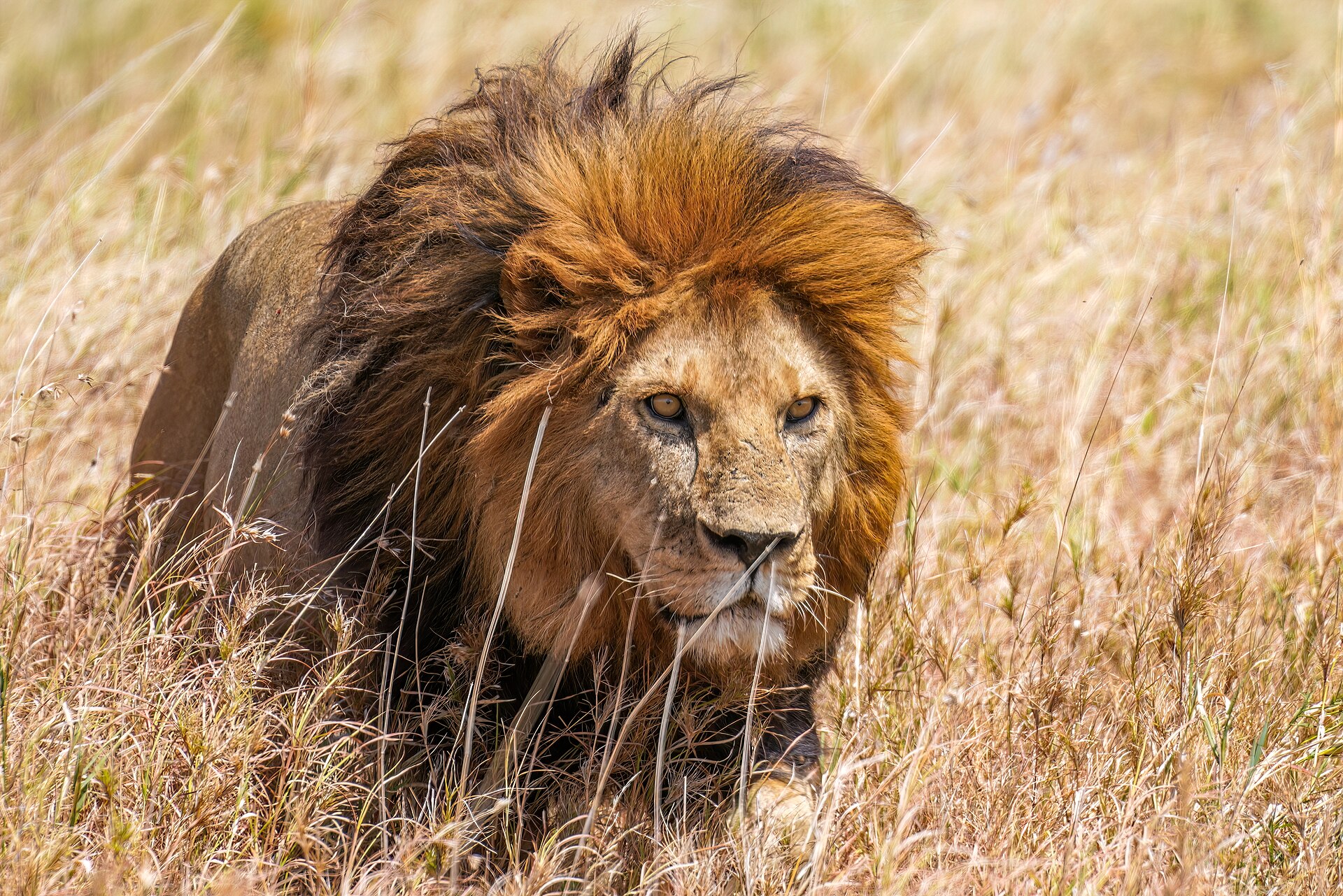
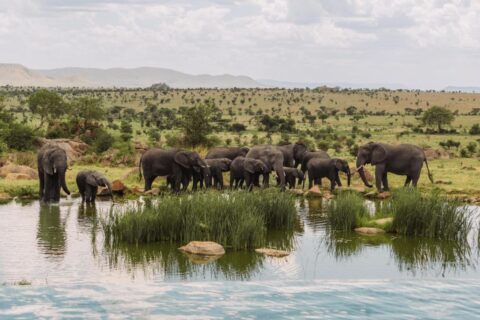
The wildebeest set the pace. With the zebras and Thomson's gazelles, they follow the fresh grass from one season to the next, and the predators live off these herds. The Serengeti has the largest lion population in Africa.
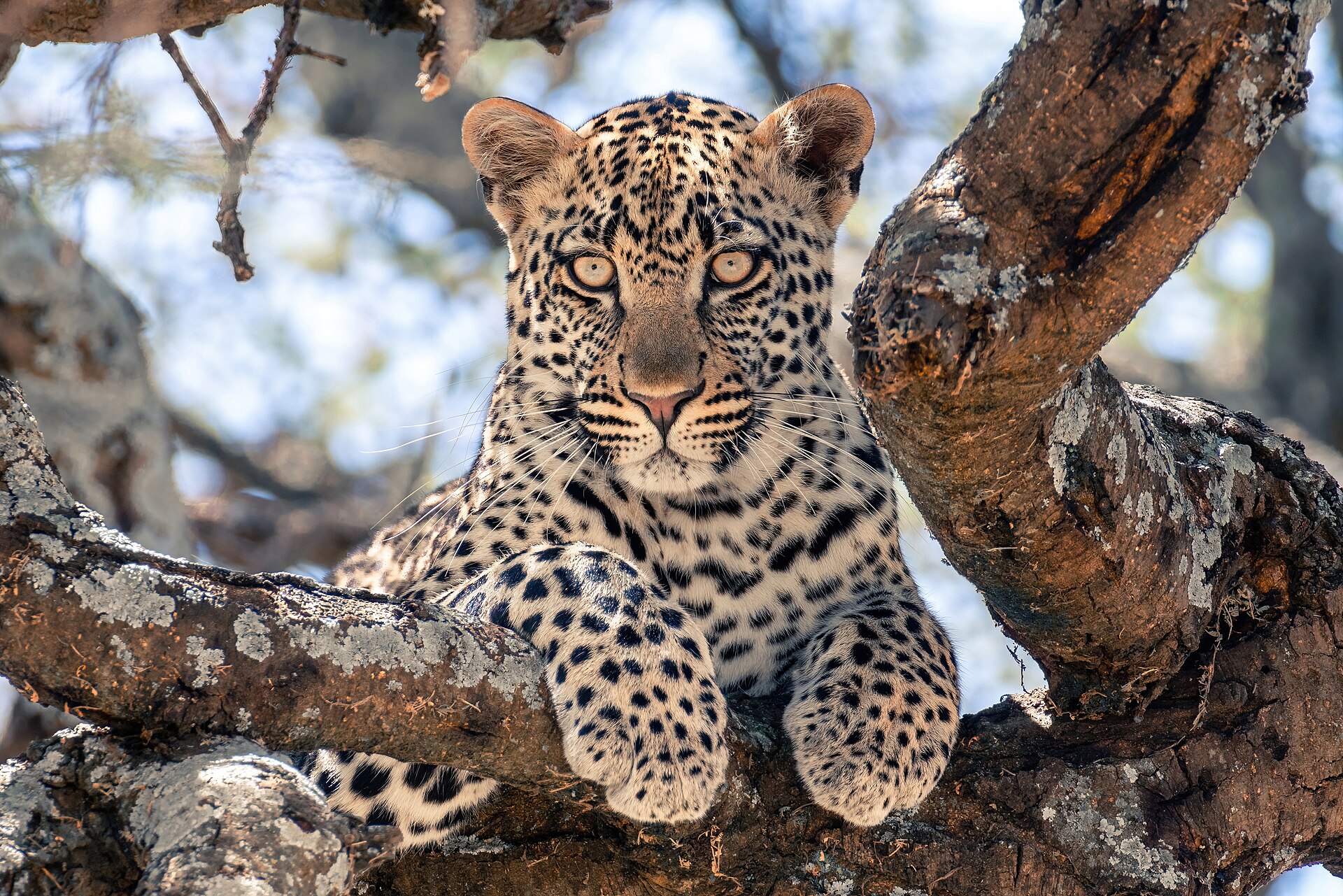
The leopard spends its days in the trees, where it keeps its kills out of reach: look up into the branches of the acacias. The cheetah hunts in broad daylight on the open plains. Elephants, which came back after the poaching of the 1980s, and buffalo are seen throughout the park. The black rhino remains the real rarity, with fewer than 70 animals.
| Species | J | F | M | A | M | J | J | A | S | O | N | D | Note |
|---|---|---|---|---|---|---|---|---|---|---|---|---|---|
 Wildebeest: calving | peak season | peak season | possible | rare | rare | rare | rare | rare | rare | rare | rare | possible | southern plains, around Ndutu |
| Wildebeest: river crossings | rare | rare | rare | rare | possible | possible | peak season | peak season | peak season | possible | rare | rare | Grumeti River from May to July, Mara River from July to October |
 Lion | peak season | peak season | peak season | peak season | peak season | peak season | peak season | peak season | peak season | peak season | peak season | peak season | throughout the park |
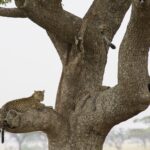 Leopard | possible | possible | possible | possible | possible | possible | possible | possible | possible | possible | possible | possible | in the trees |
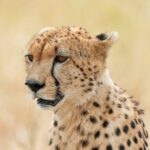 Cheetah | possible | possible | possible | possible | possible | possible | possible | possible | possible | possible | possible | possible | open plains, in broad daylight |
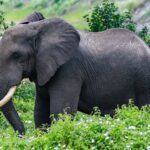 Elephant | peak season | peak season | peak season | peak season | peak season | peak season | peak season | peak season | peak season | peak season | peak season | peak season | throughout the park |
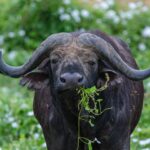 Buffalo | peak season | peak season | peak season | peak season | peak season | peak season | peak season | peak season | peak season | peak season | peak season | peak season | throughout the park |
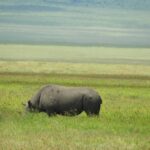 Black rhinoceros | rare | rare | rare | rare | rare | rare | rare | rare | rare | rare | rare | rare | fewer than 70 animals, rarely seen |
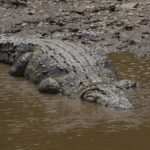 Nile crocodile | possible | possible | possible | possible | possible | possible | possible | possible | possible | possible | possible | possible | Grumeti and Mara rivers |
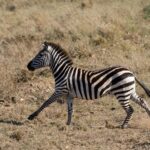 Plains zebra | peak season | peak season | peak season | peak season | peak season | peak season | peak season | peak season | peak season | peak season | peak season | peak season | with the wildebeest, throughout the park |
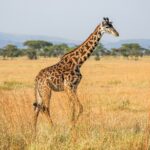 Masai giraffe | peak season | peak season | peak season | peak season | peak season | peak season | peak season | peak season | peak season | peak season | peak season | peak season | acacias of the center and north |
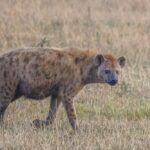 Spotted hyena | peak season | peak season | peak season | peak season | peak season | peak season | peak season | peak season | peak season | peak season | peak season | peak season | throughout the park |
peak seasonpossiblerare
What is a safari like in the Serengeti?
You head out at dawn, while the big cats are still active, and return to camp for the hot hours before going out again in the late afternoon. The park gates close at 6 p.m.
Most travelers do the safari with a guide, in a pop-top 4x4, on a tour organized from Arusha. The park also accepts self-drive rental 4x4s, as long as the driver holds an international driving permit. Finally, it offers walks with a ranger and hot-air balloon flights at sunrise.
When to go to the Serengeti?
idealgoodnot recommended
You can visit the park all year, and the right month depends on what you want to see. From June to October, the dry season makes the tracks easy and gathers the animals around the waterholes. In the north, the wildebeest cross the Mara River from July to October.
From January to March, the herds give birth on the southern plains, and the predators make the most of the newborns. In April and May, the rains make some tracks difficult, and entry fees drop from March 15 to May 15.
How to get to the Serengeti?
International flights land at Kilimanjaro Airport, near Arusha, and the light aircraft to the park leave from Arusha. Every morning, Coastal Aviation flies to the Seronera airstrip, in the center of the park, in 1 hour 10 minutes with a stop at Lake Manyara. The northern camps are reached through the Kogatende airstrip, 2 hours 20 minutes from Arusha.
By road, allow seven to eight hours from Arusha, crossing the Ngorongoro Conservation Area. The drive takes a full day each way.
Stay in Seronera
Where to find a guide in the Serengeti?
Guided tours you can book online, ranked by number of reviews. These are affiliate links: if you book, you support us at no extra cost.

 Viator
3 Days Serengeti and Ngorongoro Group Camping Safari
5.0 (795 reviews)View and book Viator
4 Days Tarangire, Serengeti and Ngorongoro Mid-Range Group Safari
4.9 (534 reviews)View and book Viator
5 Days Camping Tarangire, Serengeti & Ngorongoro crater & Visiting Maasai
5.0 (322 reviews)View and book Viator
4 Days join group tour Tarangire Serengeti and Ngorongoro crater
5.0 (292 reviews)View and book Viator
3-Day Classic Serengeti Safari
5.0 (291 reviews)View and book Viator
5 Days Tanzania Group Joining Safari, Tarangire/Serengeti/Ngorongoro Crater
4.9 (109 reviews)View and bookWhere to stay near the Serengeti?
Hotels, apartments and rooms around Seronera, with current prices.
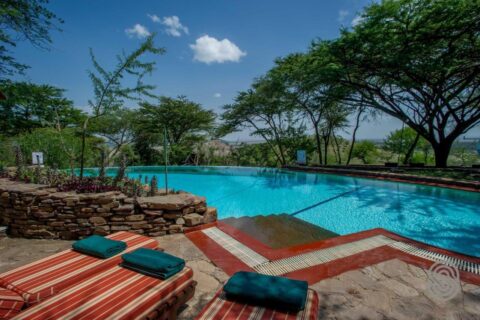
Which hotels to choose near the Serengeti?
Where is the Serengeti Great Migration, month by month?
The herds never stop moving, on a loop of about 800 kilometers. From December to March, they occupy the southern plains around Ndutu, where the young are born. In April and May, they move up toward the center and the Western Corridor. From May to July, they cross the Grumeti River, where Nile crocodiles lie in wait.
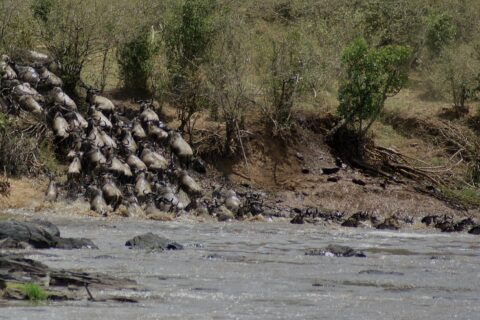
From July to October, the migration reaches the north of the park and the Mara River, which it crosses into the Masai Mara National Reserve in Kenya. In late October, as the rains return, the herds head back south.
Frequently asked questions about the Serengeti
When is the best time to visit the Serengeti?
June to October for the dry season and the Mara River crossings, in the north. January to March for the wildebeest calving, in the south. April and May are the rainy months.
How much is the Serengeti National Park entry fee?
US$82.60 per adult per 24 hours in high season, US$70.80 from March 15 to May 15, VAT included. Children aged 5 to 15 pay US$23.60, and entry is free under 5.
Can you do a Serengeti safari without a guide?
Yes. The park accepts self-drive rental 4x4s, as long as the driver holds an international driving permit. The gates close at 6 p.m.
How do you get to the Serengeti from Arusha?
By air, Coastal Aviation flies from Arusha to the Seronera airstrip every morning in 1 hour 10 minutes. By road, allow seven to eight hours.
Where can you see the Great Migration in the Serengeti?
In the south, around Ndutu, from December to March. In the center and the Western Corridor from April to July. In the north, along the Mara River, from July to October.
Are there rhinos in the Serengeti?
Yes, but fewer than 70 black rhinos remain in the park, and few visitors see one.
Our tip
Book your camp to match the month: in the south from January to March, in the north from July to October. The park covers 14,763 km², and a badly placed camp costs you hours of driving every day.
Other parks nearby
 KenyaNational reserve
Masai Mara National Reserve
Southwestern Kenya
 TanzaniaConservation area
Ngorongoro Conservation Area
Northern Tanzania TanzaniaNational park