In northern Tanzania, you link four parks along a single road from Arusha, from Tarangire to the Serengeti, by way of Lake Manyara and Ngorongoro Crater. Each stop brings its own encounter, from Tarangire's elephants to the Serengeti's migration.
Season
The circuit works year-round, with a peak from June to October, when the tracks are dry and the herds gathered. From December to March, the wildebeest calve in the southern Serengeti and Ngorongoro is green. April and May remain the months of the heavy rains, with lower fees in TANAPA parks.
Budget
Entry fees vary from park to park, VAT included. Allow US$82.60 a day in the Serengeti, US$70.80 in Ngorongoro plus US$295 per 4x4 for the crater, and US$59 in Tarangire and Manyara. A private safari is priced on these fees, the 4x4 with a guide and the lodges.
Getting there
Kilimanjaro International Airport, an hour from Arusha, takes flights from Europe with a stopover. From Arusha, the paved road reaches Tarangire in three hours, Manyara in two and the Ngorongoro gate in three. Coastal Aviation's small planes link Arusha to Manyara, Kuro and the Serengeti.
Northern Tanzania accounts for most of the country's safaris, and the reason is geography. From Arusha, a single paved road serves Tarangire, Lake Manyara and Ngorongoro, then a dirt track carries on to the Serengeti. You move from one park to the next in half a day, and each stop shows you something the next one doesn't have.
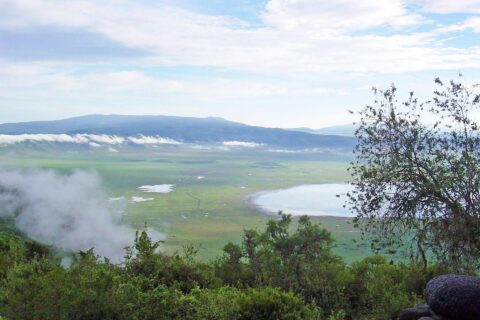
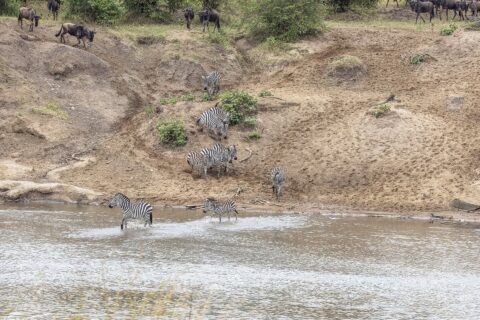
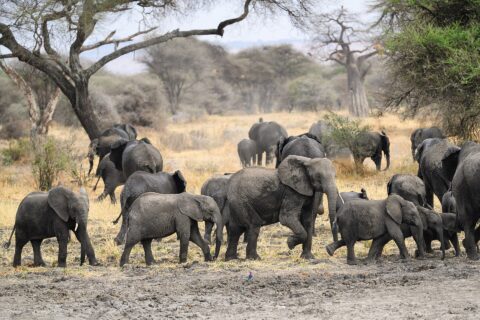
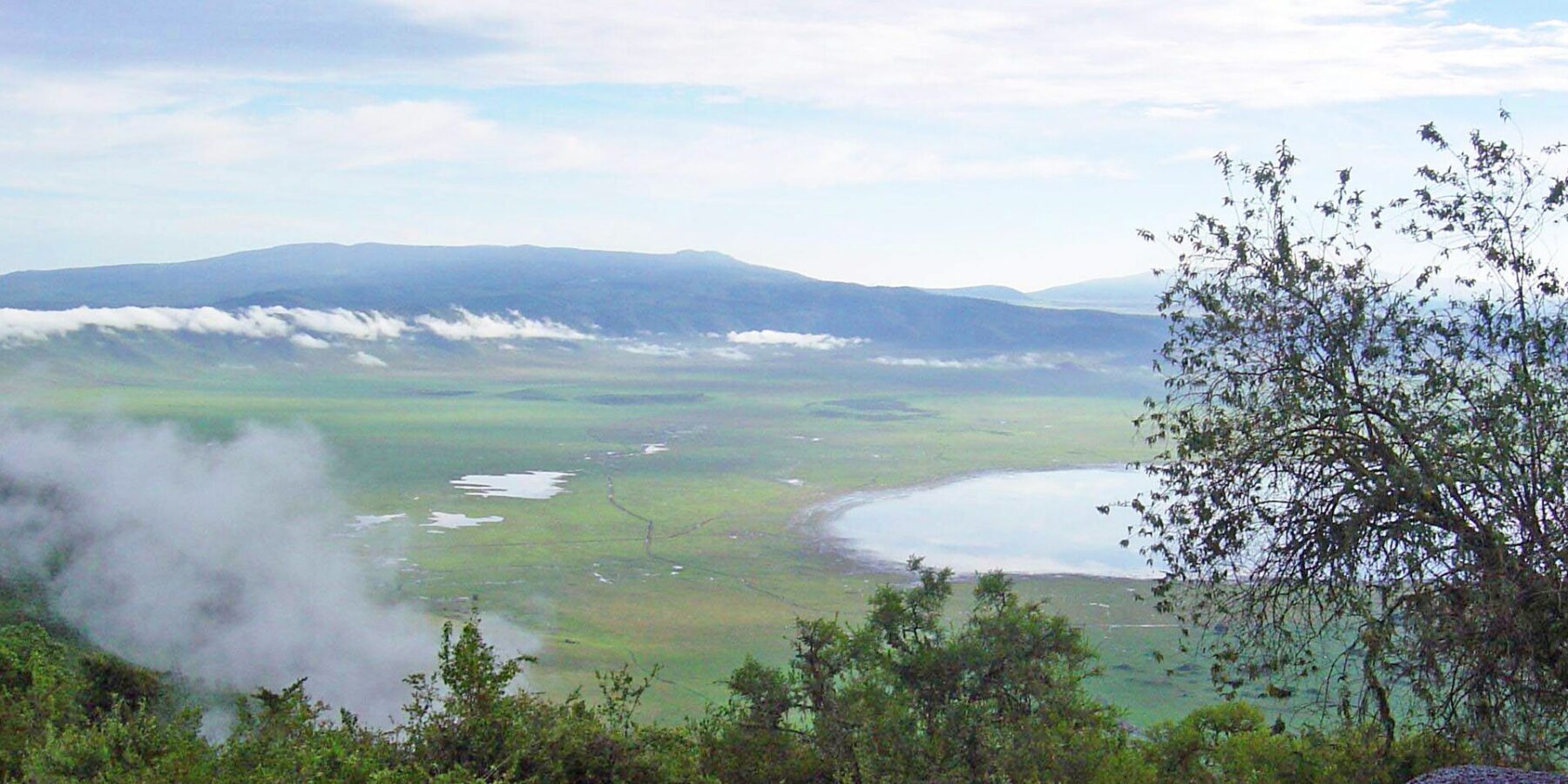
Tarangire opens the circuit with its baobabs and the elephant herds that come down to the river in the dry season. Lake Manyara, two hours from Arusha, takes a day, for its lions perched in the acacias and the flamingos on the lake. Ngorongoro comes next, with a night on the rim, at more than 2,200 meters, then a morning in the crater. Its 25,000 large animals live there year-round, black rhinos included. The Serengeti closes the loop with the wildebeest migration, which shifts every month, in the south from January to March and in the north from July to October.
How many days do you need in northern Tanzania, and in what order?
You need 6 to 8 days for the four parks, three of them in the Serengeti. The most common order runs from Tarangire to the Serengeti, with a flight back from Seronera to save a day on the tracks. A short trip sticks to Tarangire and Ngorongoro, each three hours from Arusha. If you drive yourself, the north has the easiest parks in the country, with well-signed gates and tracks you can handle in the dry season.
How much does a northern Tanzania safari cost?
The Serengeti and Ngorongoro weigh the most, with entry fees above US$70 per person per day. The descent into the crater adds US$295 per vehicle. Tarangire and Manyara charge just US$59. Add the 4x4 with a driver-guide, shared by the group, and the lodges, which cost more in the Serengeti than around Karatu, the town where crater visits start.
Where to stay in northern Tanzania?
Hotels, apartments and rooms around Mto wa Mbu, the starting point for safaris in Lake Manyara, with current prices.

 TanzaniaNational park