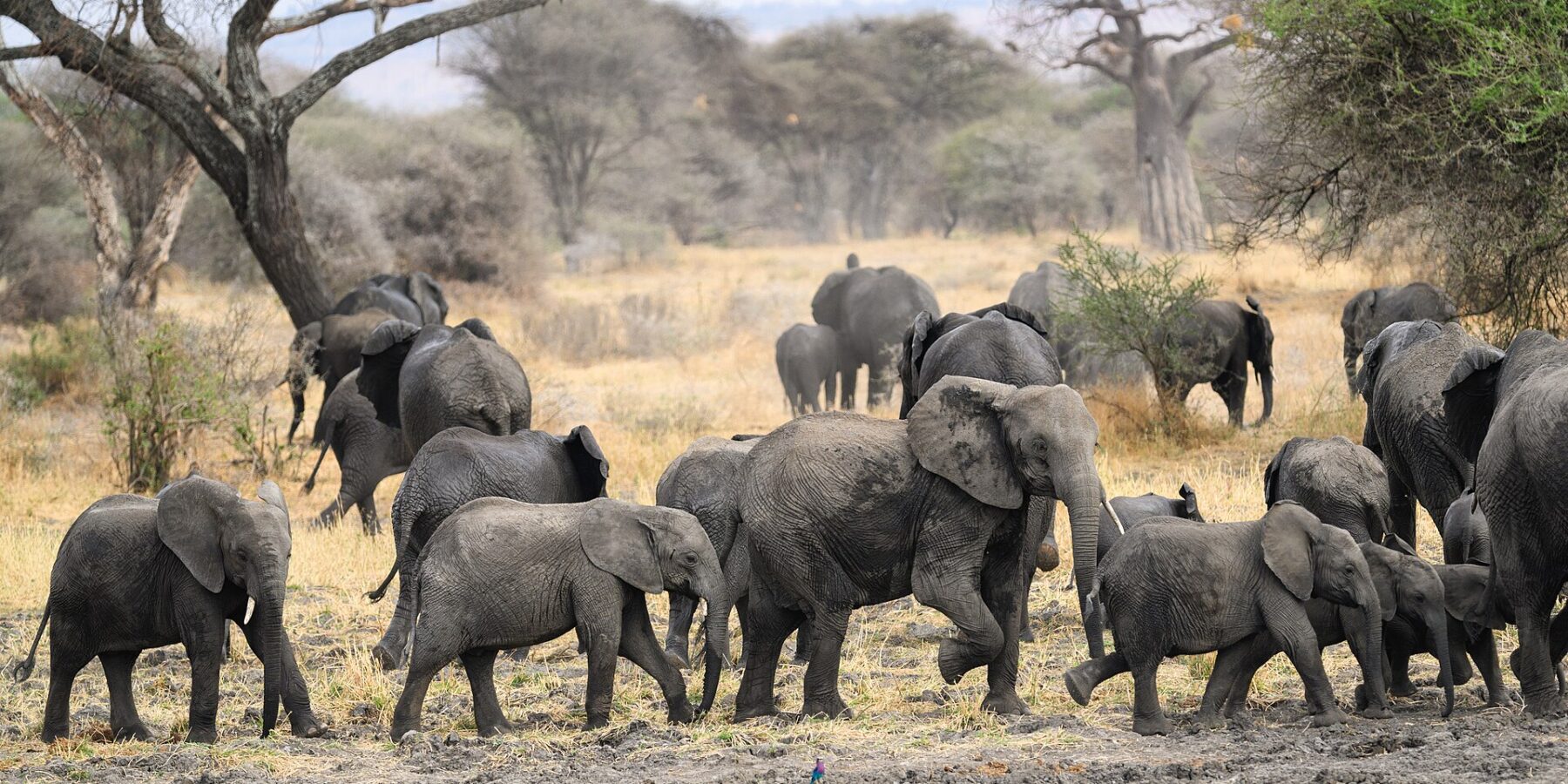
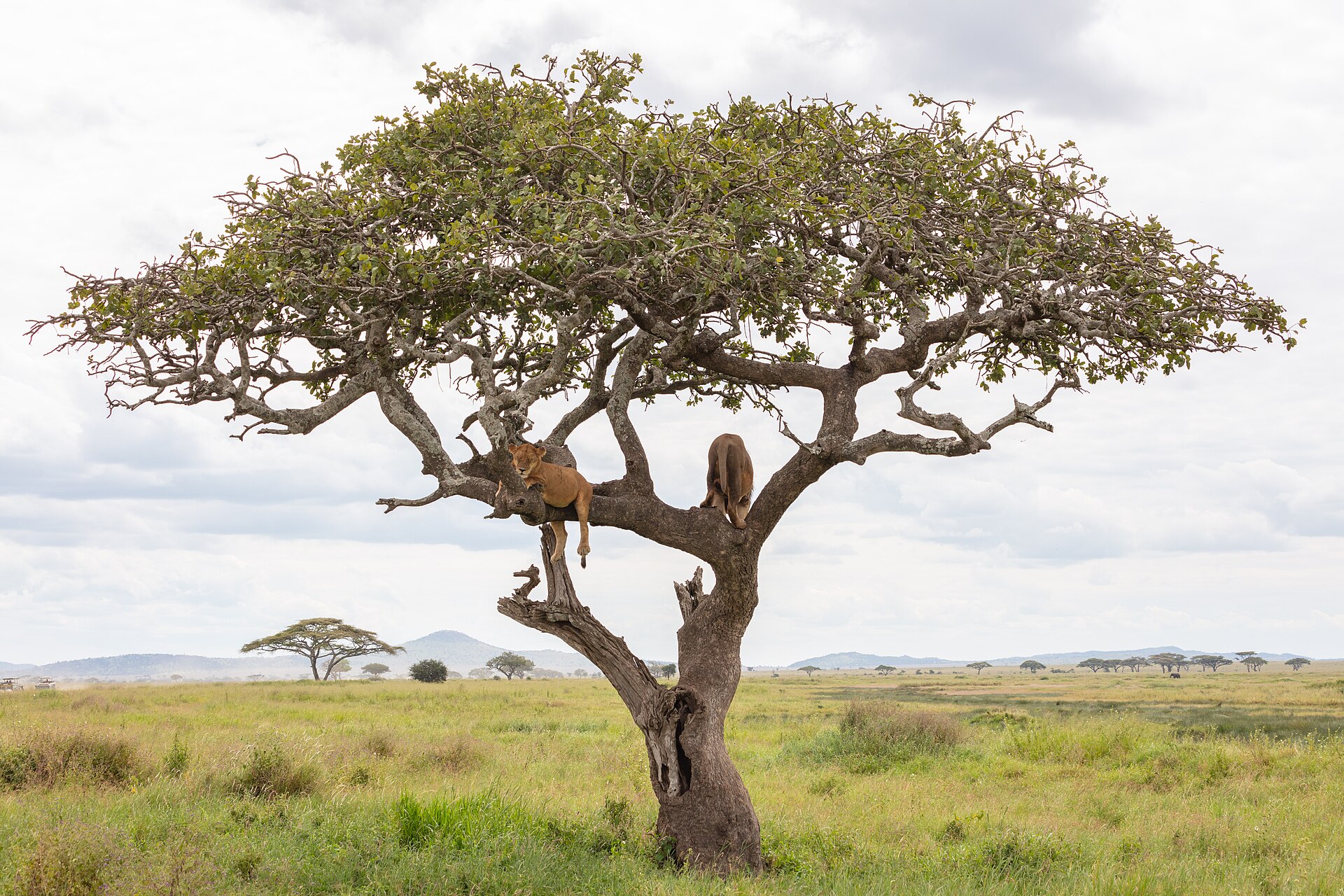
In Tarangire, you drive among hundreds of baobabs and the densest elephant herds in Tanzania, which come down to the Tarangire River from June to October. Lions sometimes climb into the trees, and more than 550 bird species live in the acacia savanna.
Why go to Tarangire?
- The elephant herds, the densest in Tanzania, along the Tarangire River from June to October
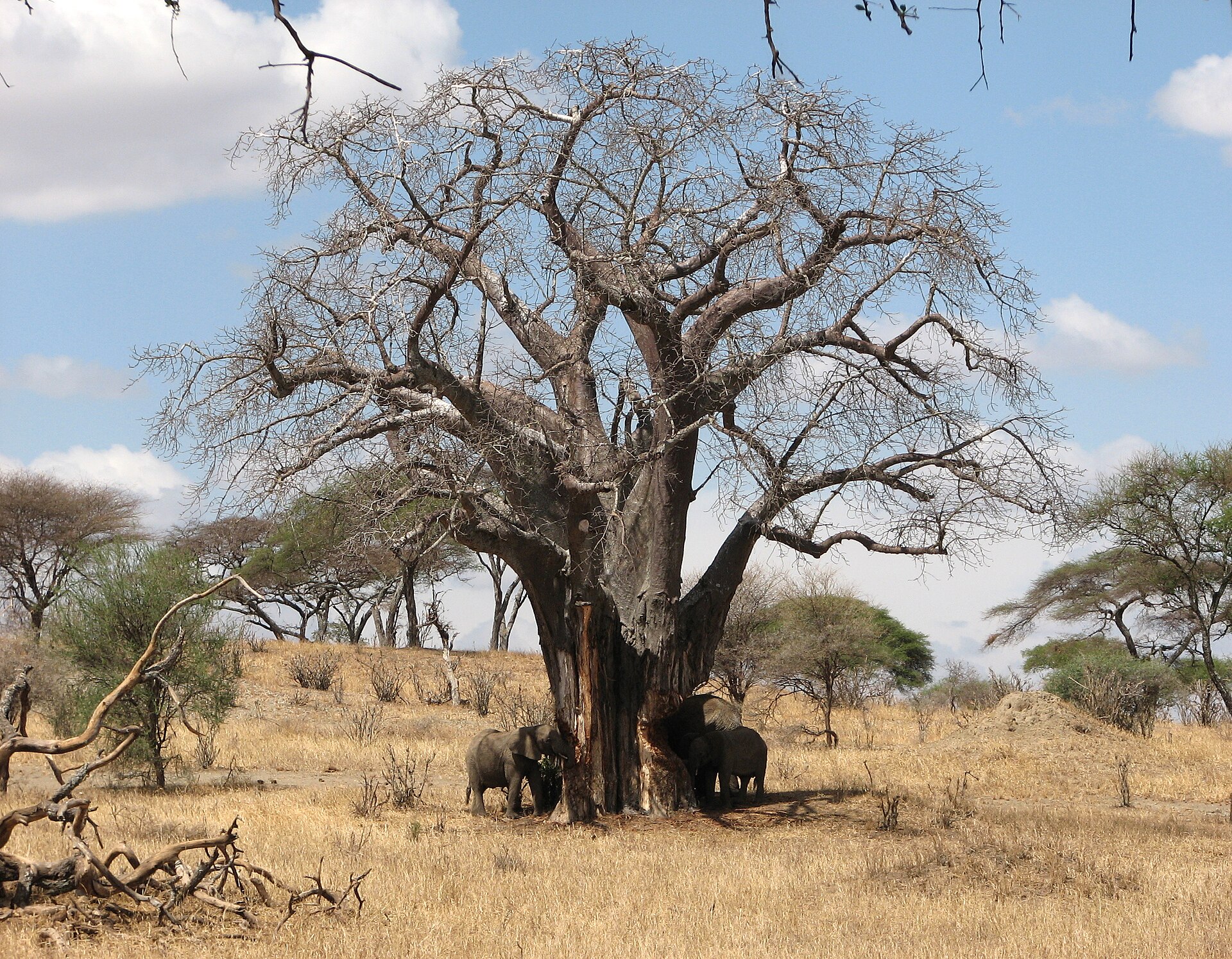
- Hundreds of baobabs, whose bark the elephants strip in the dry season
- More than 550 bird species recorded in the acacia savanna and the swamps
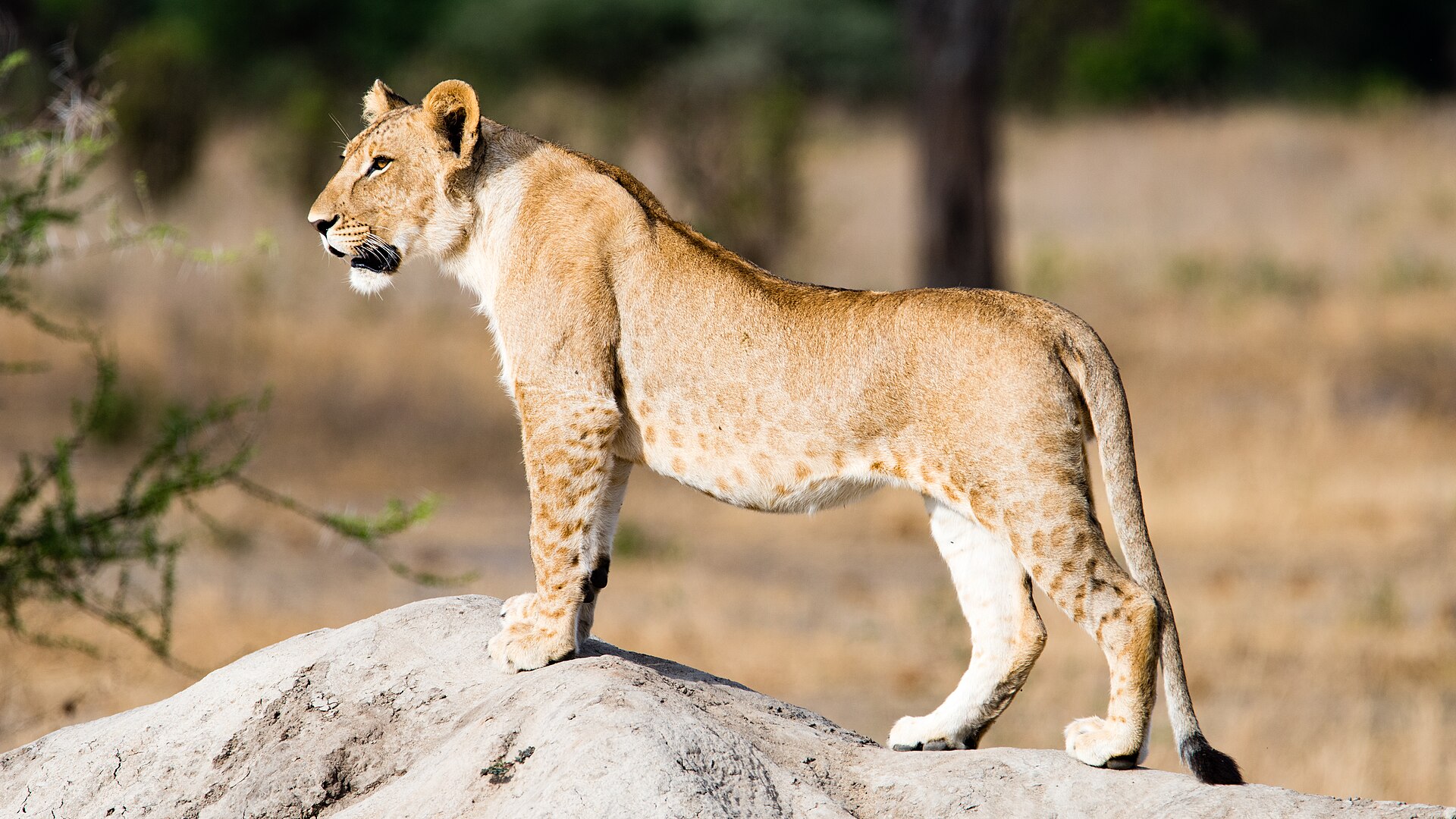
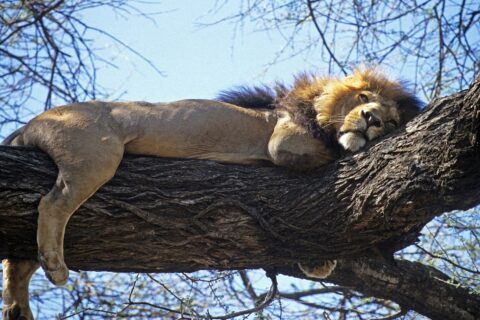
- Lions often perched in the trees, as at nearby Lake Manyara
- Night drives and walks with a ranger, rare in the northern parks
Tarangire in pictures
Which animals can you see in Tarangire?
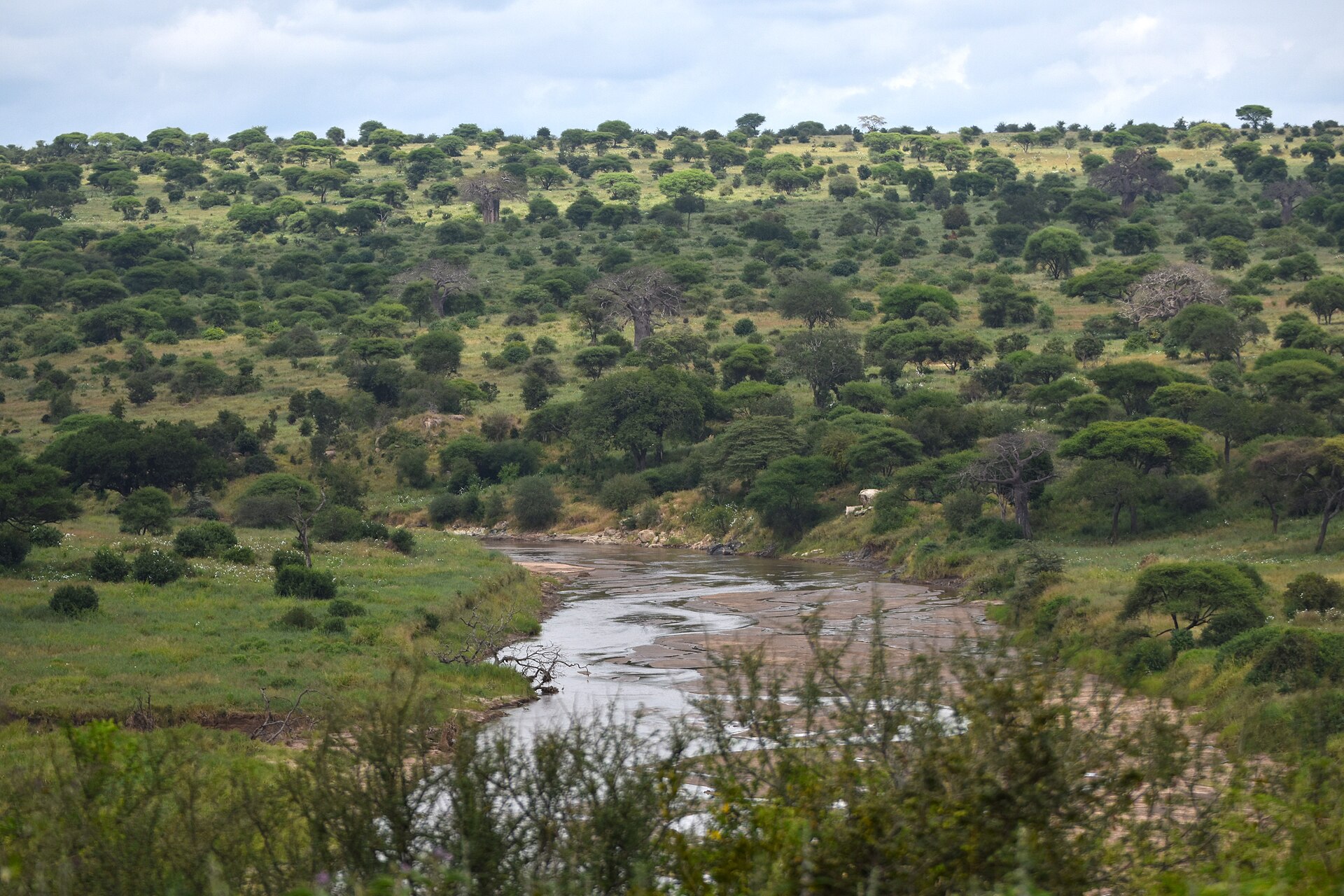
Elephants are what the park is known for. In the dry season, from June to October, the herds come down to the Tarangire River, the only permanent water in the region. You come across whole families at the edge of Silale Swamp. They strip the bark from the baobabs, and damaged trees are everywhere. Zebras, wildebeest and buffalo arrive by the thousands from the surrounding plains at the same time.
Lions follow, often lying in the trees, along with leopards, cheetahs and a few passing wild dogs. More than 550 bird species have been recorded in the park, and the acacias and swamps show you many of them from the track.
| Species | J | F | M | A | M | J | J | A | S | O | N | D | Note |
|---|---|---|---|---|---|---|---|---|---|---|---|---|---|
 Elephant | possible | possible | possible | possible | possible | peak season | peak season | peak season | peak season | peak season | possible | possible | Tarangire River and Silale Swamp, in the dry season |
 Lion | peak season | peak season | peak season | peak season | peak season | peak season | peak season | peak season | peak season | peak season | peak season | peak season | throughout the park, sometimes in the trees |
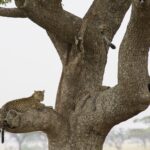 Leopard | possible | possible | possible | possible | possible | possible | possible | possible | possible | possible | possible | possible | along the river |
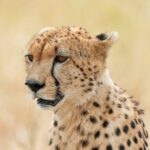 Cheetah | possible | possible | possible | possible | possible | possible | possible | possible | possible | possible | possible | possible | open plains in the east |
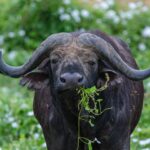 Buffalo | possible | possible | possible | possible | possible | peak season | peak season | peak season | peak season | peak season | possible | possible | in big herds near water in the dry season |
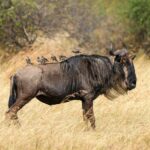 Wildebeest | possible | possible | rare | rare | rare | peak season | peak season | peak season | peak season | peak season | possible | possible | returns from the surrounding plains in the dry season |
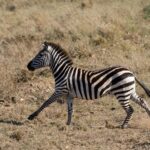 Plains zebra | possible | possible | rare | rare | rare | peak season | peak season | peak season | peak season | peak season | possible | possible | returns from the surrounding plains in the dry season |
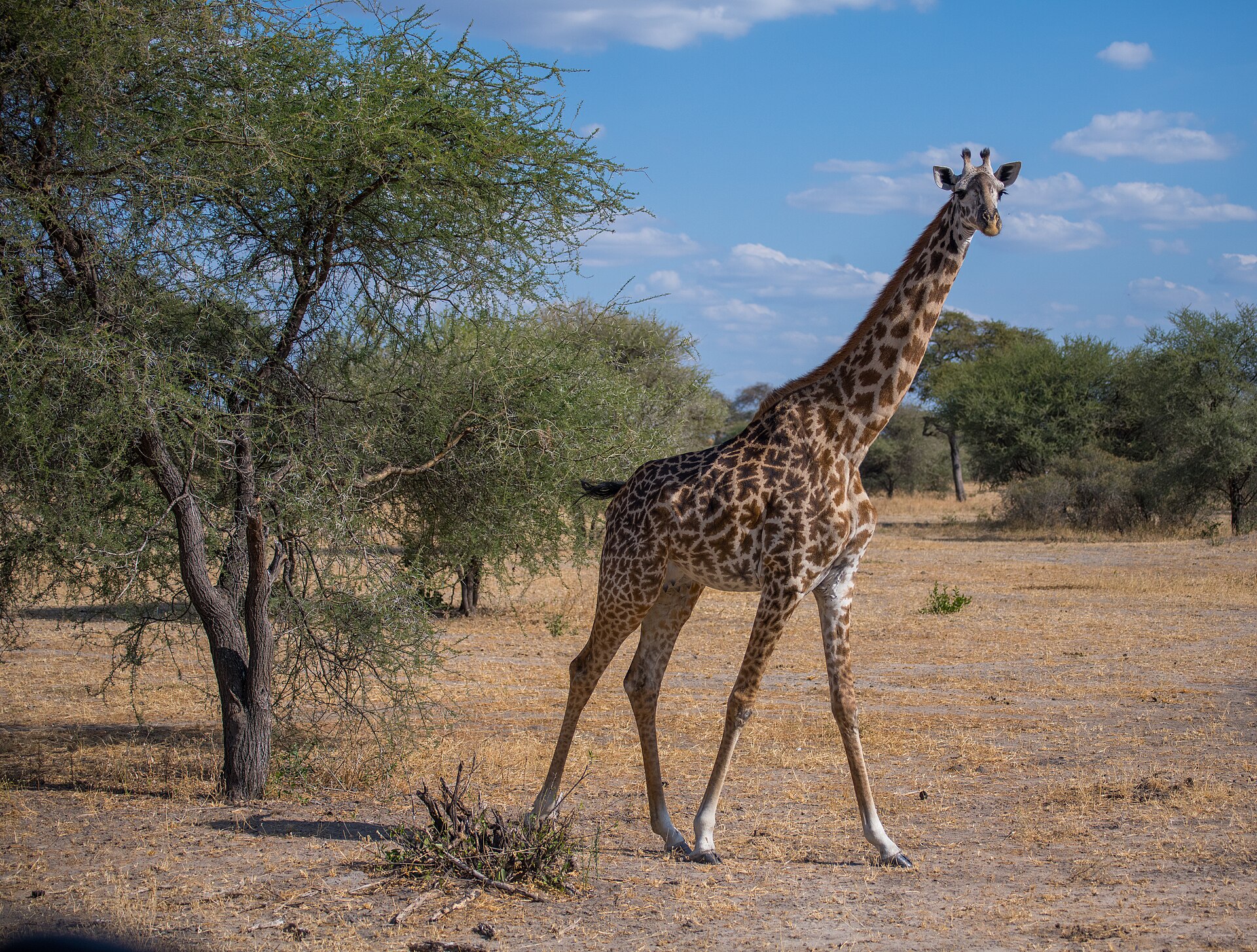
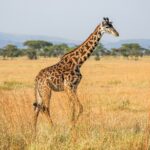 Masai giraffe | peak season | peak season | peak season | peak season | peak season | peak season | peak season | peak season | peak season | peak season | peak season | peak season | throughout the park |
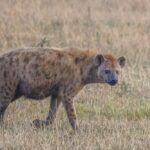 Spotted hyena | peak season | peak season | peak season | peak season | peak season | peak season | peak season | peak season | peak season | peak season | peak season | peak season | throughout the park |
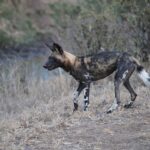 African wild dog | possible | possible | possible | possible | possible | possible | possible | possible | possible | possible | possible | possible | passing through, rarely seen |
peak seasonpossiblerare
What is a safari like in Tarangire?
You enter through the main gate, in the north, near the Arusha road. Most lodges are in the northern third of the park, along the river. A typical day sets off at 6 a.m. for the river and the baobabs, then pushes on to Silale Swamp in late morning, when the elephants come to drink.
The park allows night drives with a ranger and guided walks of one to four hours. Self-drive 4x4s get around without trouble in the dry season. During the rains, the southern tracks turn muddy and a 4x4 is essential.
When to go to Tarangire?
idealgoodnot recommended
Everything happens in the dry season, from June to October: the Tarangire River becomes the only water source, and animals from the whole ecosystem, as far as Lake Manyara, gather there. July, August and September are the most reliable months for the big elephant herds.
With the rains, from November to May, some of the grazers leave the park for the surrounding plains, and the elephants spread out. Entry fees drop to US$53.10 from March 15 to May 15. The park stays open, with migratory birds and a green savanna, but the animals are harder to find.
How to get to Tarangire?
From Arusha, the paved road runs through Makuyuni and Minjingu and reaches the main gate in two and a half to three hours. The park is often the first stop on a northern circuit, before Lake Manyara and Ngorongoro, on the same road. Kilimanjaro International Airport, where flights from Europe land, is an hour from Arusha.
The Kuro airstrip, in the center of the park, gets a daily Coastal Aviation flight from Arusha, 35 minutes with a stop at Lake Manyara. The flight only takes off if at least two passengers have booked it.
Stay in Tarangire Main Gate
Where to find a guide in Tarangire?
Guided tours you can book online, ranked by number of reviews. These are affiliate links: if you book, you support us at no extra cost.

 Viator
4 Days Tarangire, Serengeti and Ngorongoro Mid-Range Group Safari
4.9 (534 reviews)View and book Viator
5 Days Camping Tarangire, Serengeti & Ngorongoro crater & Visiting Maasai
5.0 (322 reviews)View and book Viator
4 Days join group tour Tarangire Serengeti and Ngorongoro crater
5.0 (292 reviews)View and book Viator
2 Days Tarangire and Ngorongoro Private Camping Safari
5.0 (159 reviews)View and book Viator
3 Days Tarangire, Ngorongoro & Lake Manyara Group Camping Safari
5.0 (113 reviews)View and book Viator
5 Days Tanzania Group Joining Safari, Tarangire/Serengeti/Ngorongoro Crater
4.9 (109 reviews)View and bookWhere to stay near Tarangire?
Hotels, apartments and rooms around Tarangire Main Gate, with current prices.
Which hotels to choose near Tarangire?
How does the Tarangire migration work?
Tarangire has its own migration, less famous than the Serengeti's. With the rains, from November to May, zebras, wildebeest and some of the elephants leave the park for the surrounding plains to the east and for Lake Manyara. In the dry season, they come back to the river, and the predators are waiting for them.
This migration crosses grazing land and farmland that are not protected, and the park's future depends on these corridors.
Frequently asked questions about Tarangire
When is the best time to visit Tarangire?
June to October, when the elephants and grazers concentrate along the Tarangire River. July, August and September are the most reliable months. During the rains, from November to May, the animals spread out beyond the park.
How much is the Tarangire National Park entry fee?
US$59 per adult per 24 hours in high season, US$53.10 from March 15 to May 15, VAT included. A child aged 5 to 15 pays US$17.70, and a child under 5 pays nothing.
Can you visit Tarangire without a guide?
Yes, the park accepts self-drive 4x4s with an international driving permit, and the northern tracks are easy to follow in the dry season. A park guide costs US$23.60 per group per day to take you as far as Silale Swamp.
How do you get to Tarangire from Arusha?
By paved road, two and a half to three hours to the main gate. By air, Coastal Aviation links Arusha to the Kuro airstrip in 35 minutes, for US$175 including taxes.
How many days do you need in Tarangire?
Two days and a night in the park are enough for the river, the baobabs and Silale Swamp. Many tours spend only a day here, on the way to or from the Serengeti, and miss the south of the park.
Where can you see elephants in Tarangire?
Along the Tarangire River and around Silale Swamp, from June to October, when they come to drink in late morning. In the dry season, the park has the highest concentration of elephants in Tanzania.
Our tip
Come between July and October, when the herds of the whole region converge on the Tarangire River. Sleep inside the park: the first drive, when the gates open at 6 a.m., is worth all the others put together.
Other parks nearby
 TanzaniaNational park
Lake Manyara National Park
Northern Tanzania TanzaniaConservation area
Ngorongoro Conservation Area
Northern Tanzania
 KenyaNational park