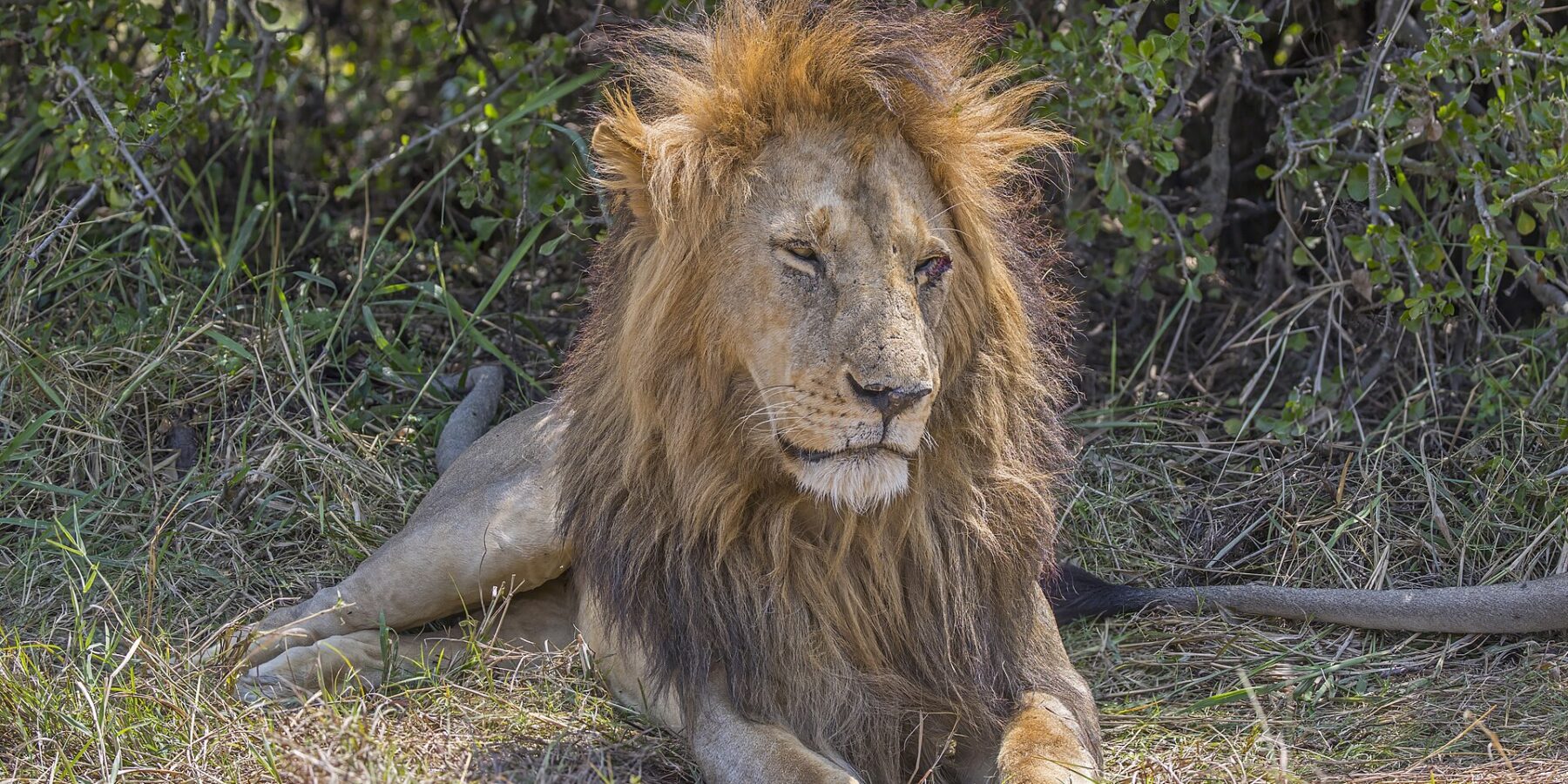
At dawn, lions come back from the hunt, walk down the track or finish off a kill. The Serengeti has more than 3,000, Kenya's Masai Mara shows them on almost every game drive, and in South Africa's Sabi Sand the prides are stable and the lodges radio each other their positions.
Where to see the lion on safari?
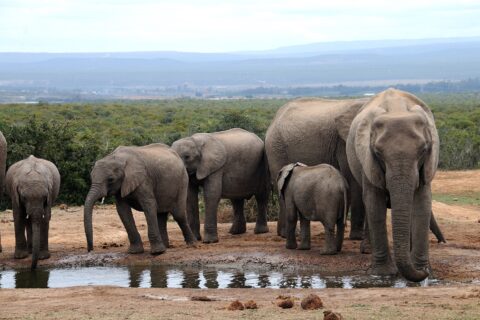
 South AfricaNational park
Addo Elephant National Park
Eastern CapeCan be seen all year round: reintroduced in 2003, few in number
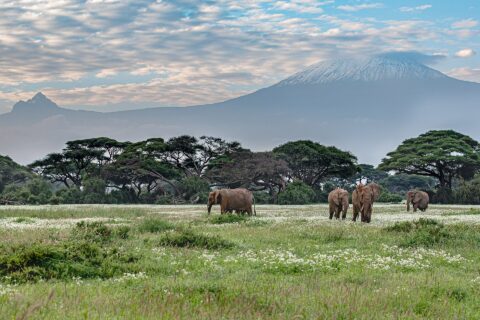
 KenyaNational park
Amboseli National Park
Southern KenyaCan be seen all year round: plains, following the herds
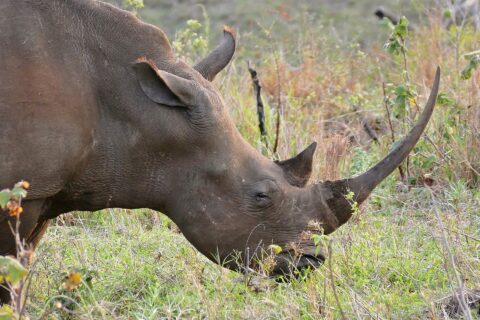 South AfricaGame reserve
Hluhluwe-iMfolozi Park
KwaZulu-NatalCan be seen all year round: iMfolozi plains
 South AfricaNational park
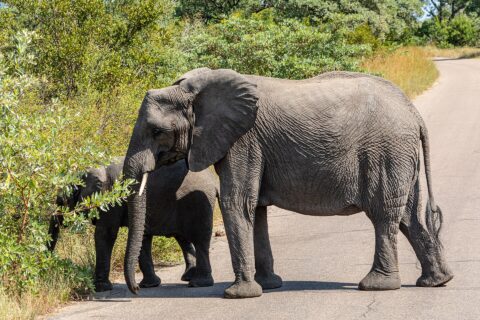
Kruger National Park
Northeastern South AfricaPeak season all year round: south and center, often on the roads at first light
 TanzaniaNational park
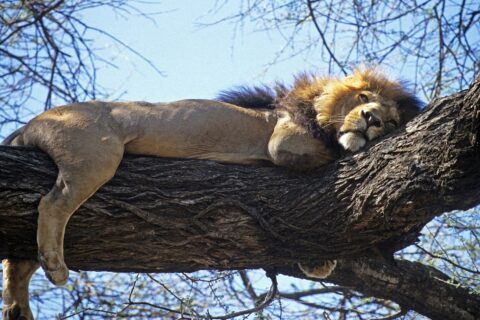
Lake Manyara National Park
Northern TanzaniaPeak season all year round: in the acacias during the hot hours
 KenyaNational park
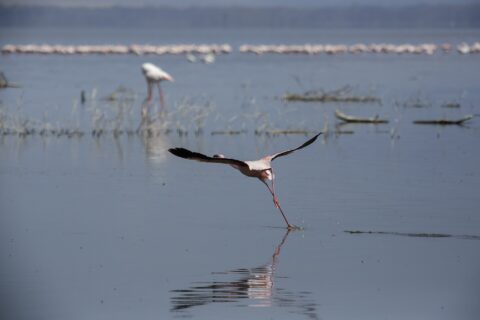
Lake Nakuru National Park
Northern KenyaCan be seen all year round: grasslands and acacias along the shore
 South AfricaGame reserve
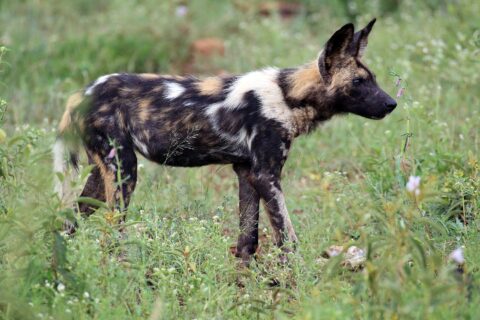
Madikwe Game Reserve
Northwestern South AfricaPeak season all year round: throughout the reserve
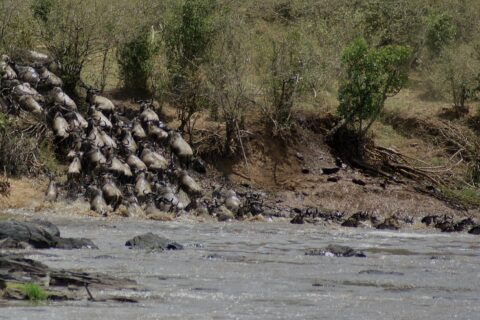 KenyaNational reserve
Masai Mara National Reserve
Southwestern KenyaPeak season all year round: throughout the reserve, including the Musiara Marsh pride
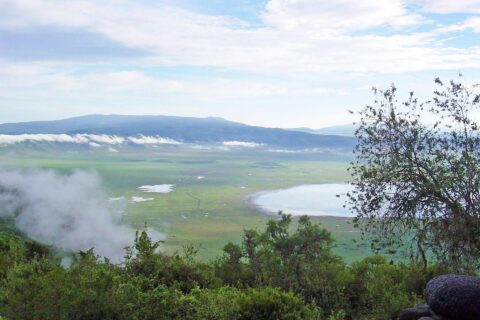 TanzaniaConservation area
Ngorongoro Conservation Area
Northern TanzaniaPeak season all year round: in the crater, often in broad daylight
 TanzaniaNational park
Nyerere National Park
Southern TanzaniaPeak season from June to October: near the northern lakes
 KenyaPrivate reserve
Ol Pejeta Conservancy
Northern KenyaPeak season all year round: plains, tracked at dawn with the rangers
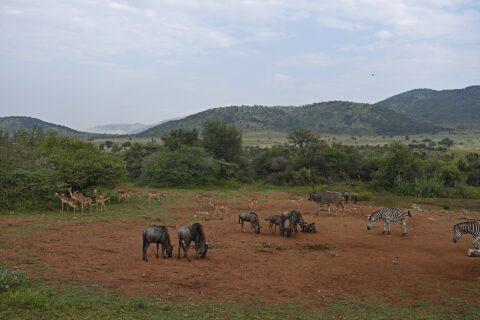 South AfricaNational park
Pilanesberg National Park
Northwestern South AfricaCan be seen all year round: a few prides, located by the guides in the morning
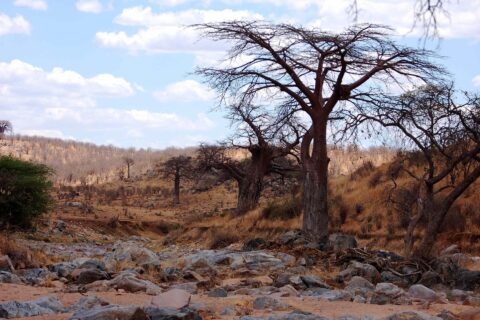 TanzaniaNational park
Ruaha National Park
Southern TanzaniaPeak season all year round: along the Mwagusi and the Great Ruaha, in big prides
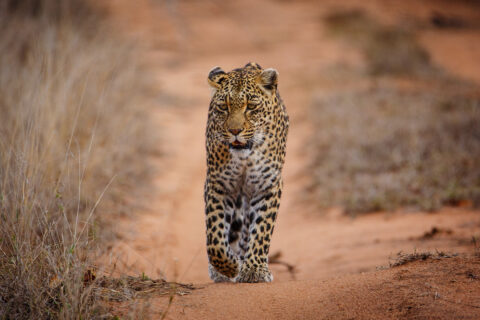 South AfricaPrivate reserve
Sabi Sand Game Reserve
Northeastern South AfricaPeak season all year round: stable prides, followed from lodge to lodge
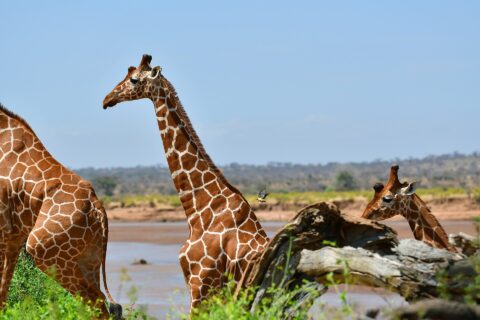 KenyaNational reserve
Samburu National Reserve
Northern KenyaCan be seen all year round: small prides, plains at dawn
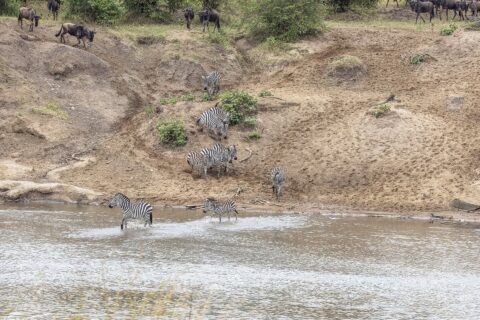 TanzaniaNational park
Serengeti National Park
Northern TanzaniaPeak season all year round: throughout the park
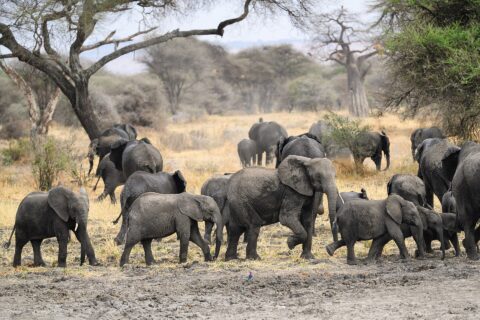 TanzaniaNational park
Tarangire National Park
Northern TanzaniaPeak season all year round: throughout the park, sometimes in the trees
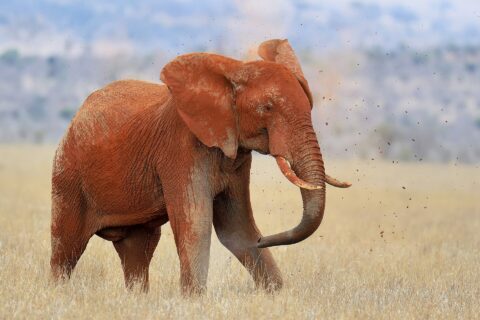 KenyaNational park
Tsavo East National Park
Southern KenyaCan be seen all year round: short mane, around the southern waterholes
How do you identify a lion?
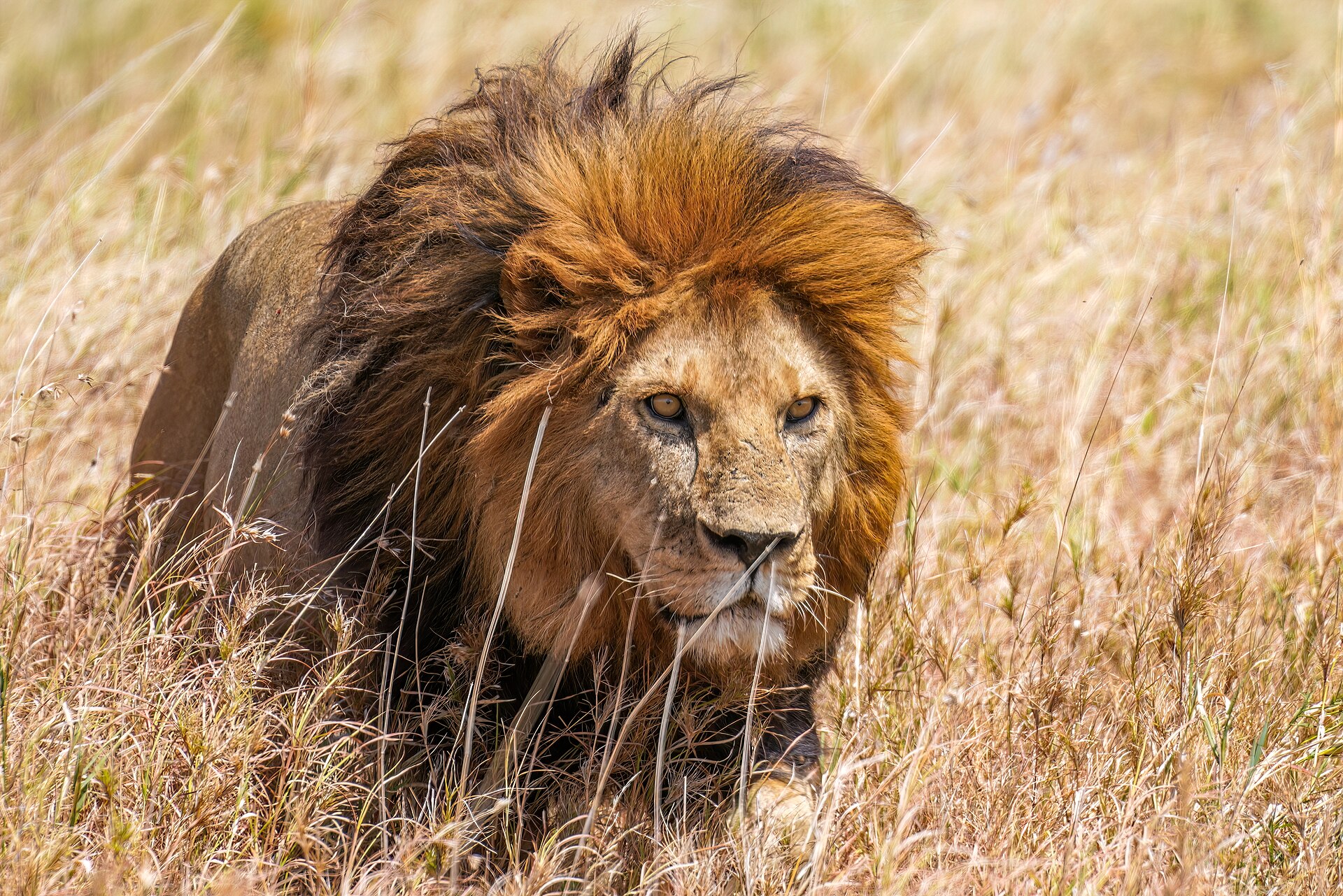
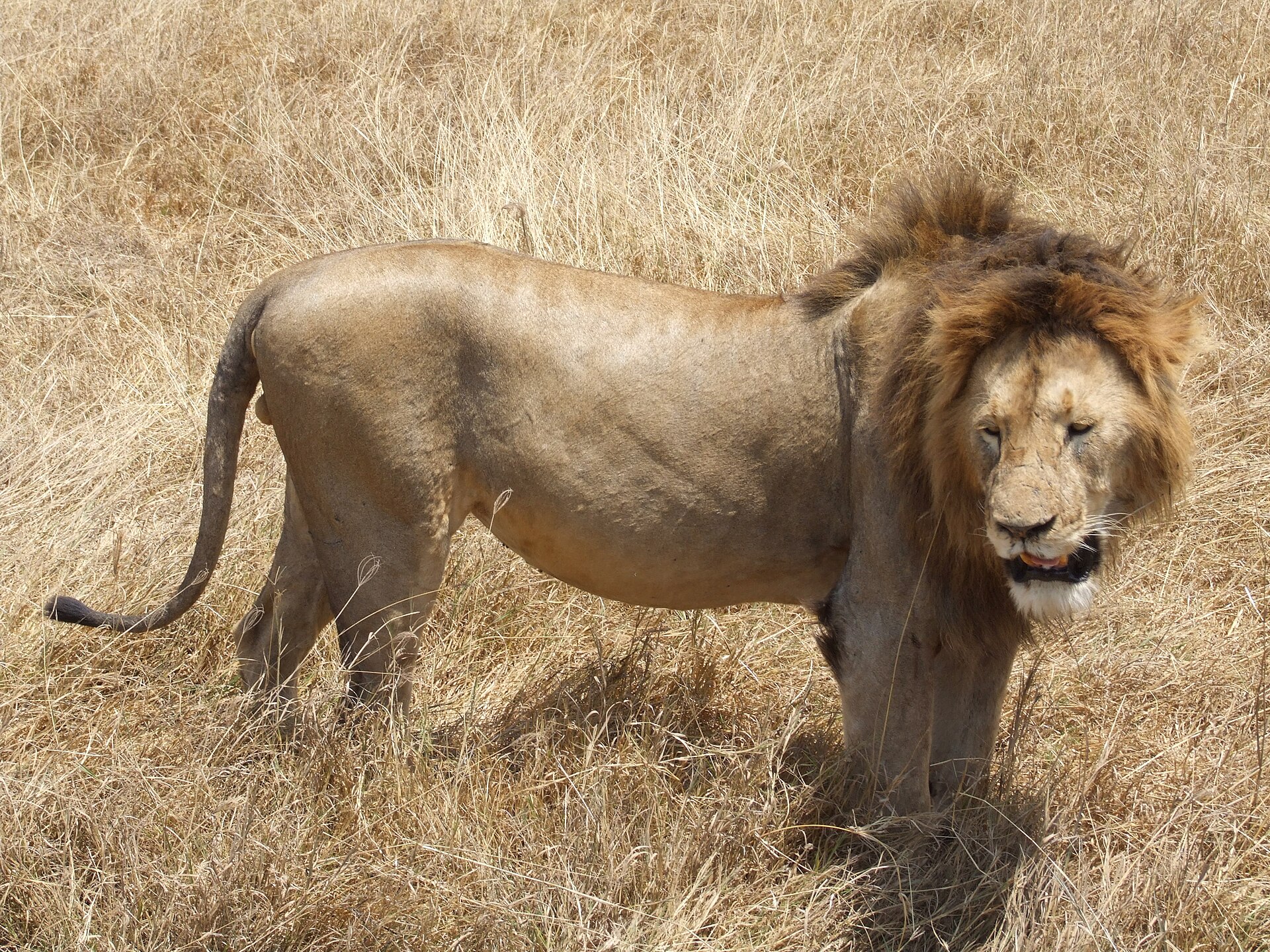
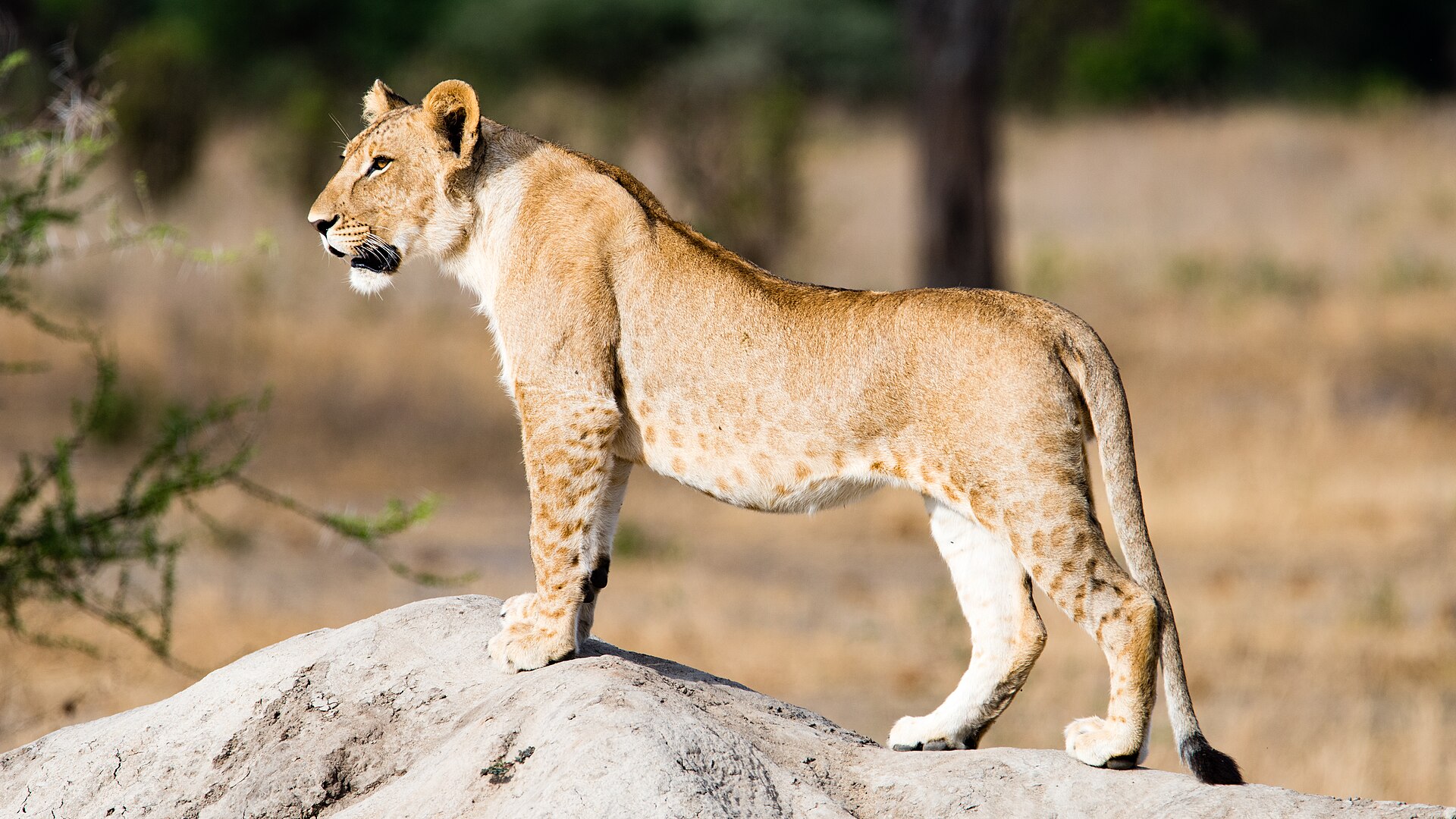
The lion is a big cat 1.7 to 2.5 meters long without the tail, about 1.2 meters tall at the shoulder, with a plain tawny coat. The male grows a mane from around 3 years old that darkens with age, while the female has none and looks leaner. Both have a black tuft at the tip of the tail, which cubs do not have yet. Nothing in Tanzania looks like it: the leopard and the cheetah are spotted and much lighter. From a distance, in tall grass, a lioness lying down blends in with a termite mound or a rock, and the flick of an ear often gives her away.
Lion in pictures
How do lions live?
The lion is the only cat that lives in groups. A pride has 3 to 30 animals: related females with their cubs, and one or more males that defend a territory of 20 to 500 km². The females do the hunting, mostly at night, and the pride sleeps about twenty hours a day. In the Serengeti, prides follow the migrating wildebeest, and in Ngorongoro they live confined to the crater, at the highest density in Africa. A roar carries for several kilometers and marks the territory, often at nightfall.
Where and when can you see lions on safari?
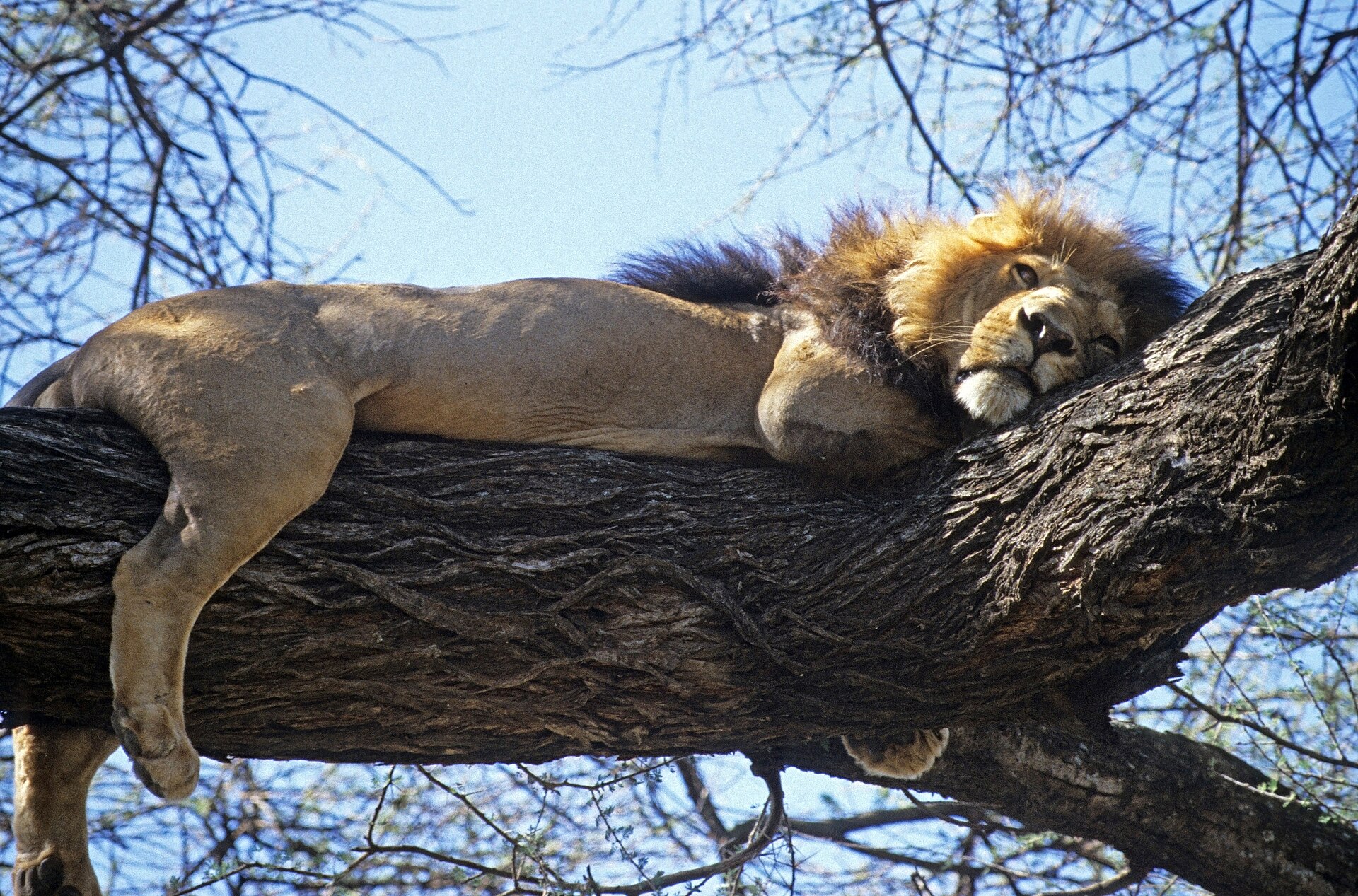
Dawn is the time to go, when the pride comes back from the hunt, walks down the track or finishes off a kill. As soon as the sun gets hot, lions lie down in the shade until evening. In Tanzania, you see them all over the Serengeti, where they follow the migration. At Lake Manyara and in Tarangire, look up into the acacias, which they climb in the heat of the day. Ngorongoro shows them in broad daylight on the short grass, and Ruaha in large prides near the buffalo herds in the dry season.
In Kenya, the Masai Mara shows them on almost every game drive. At Ol Pejeta, if you stay overnight, you track them at dawn with the rangers. In Tsavo East, the short-maned lions live around the waterholes in the south.
In South Africa, Kruger's lions are often on the roads in the early morning, in the south and center of the park. In Sabi Sand, they live in stable prides whose positions the lodges pass on to each other by radio. A lion lying down ignores a stationary 4x4 with its engine off.
Are lions endangered?
The IUCN lists the lion as Vulnerable. Between 16,500 and 30,000 lions remain in Africa's savannas, and the population fell by 43% between 1993 and 2017. Tanzania holds a large share, with more than 3,000 in the Serengeti alone and a tenth of the continent's lions in Ruaha. The threats are habitat loss, conflict with herders whose livestock lions kill, and poaching. Your entry fees fund the parks that protect them.
Our tip
Look for lions at dawn and in the late afternoon: they sleep about twenty hours a day and get up when the heat fades. The Serengeti, Ngorongoro and Ruaha are the three parks where a sighting is almost certain.