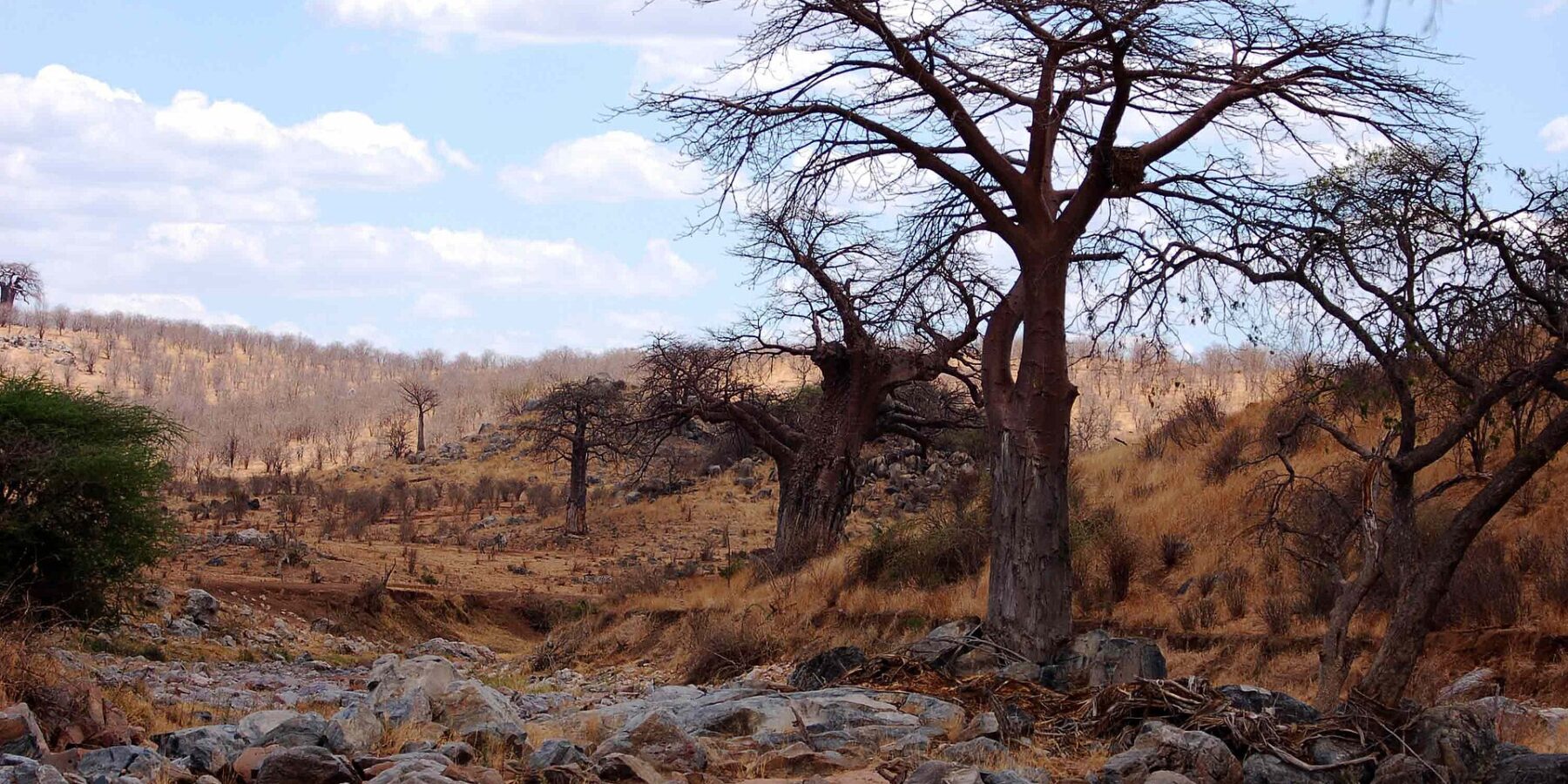
In Ruaha, you spend hours on the tracks without meeting another 4x4, in a 20,226 km² park that is home to 10% of Africa's lions. In the dry season, the Great Ruaha shrinks to a series of pools, and elephants, buffalo and greater kudus come to drink there under the baobabs.
Why go to Ruaha?
- 10% of Africa's lions, in big prides around the buffalo in the dry season
- The elephant herds, about 15,800 in the ecosystem at the 2015 count, along the Great Ruaha
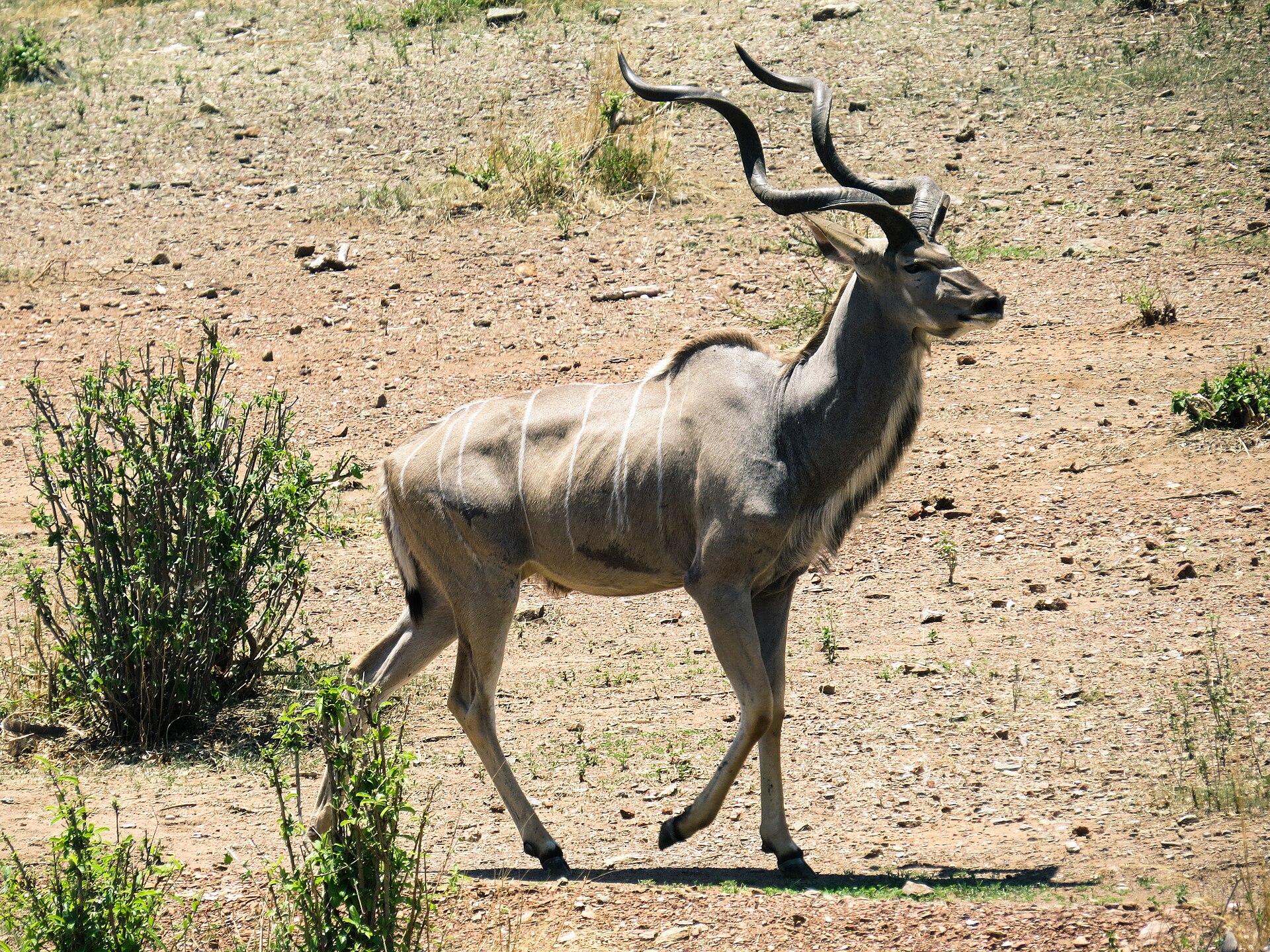
- The greater kudu with its spiral horns, a southern antelope, in the wooded ravines
- More than 570 bird species, where the wildlife of East Africa meets that of the south
- Almost empty tracks, since the park is far from the northern circuits
Ruaha in pictures
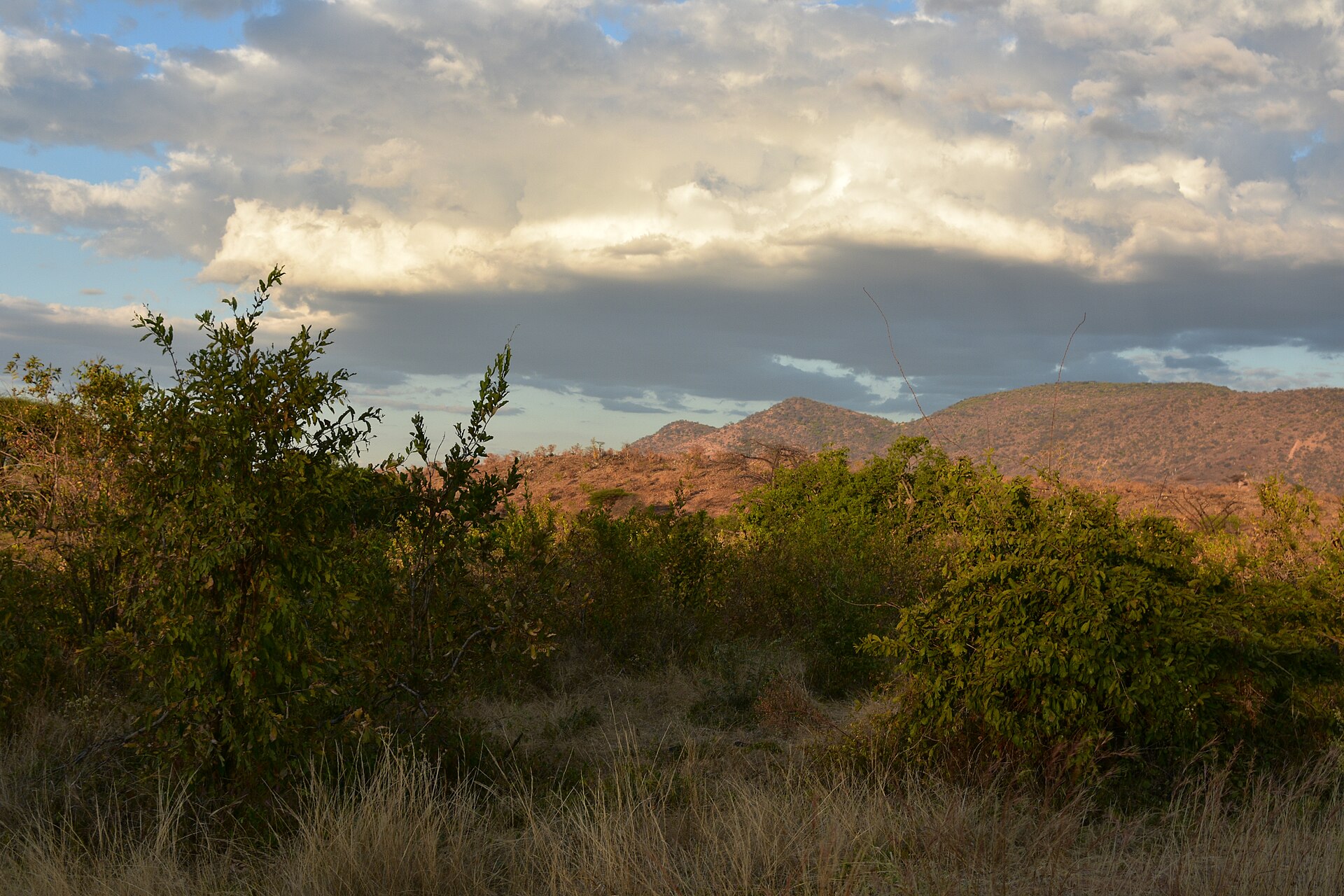
Which animals can you see in Ruaha?
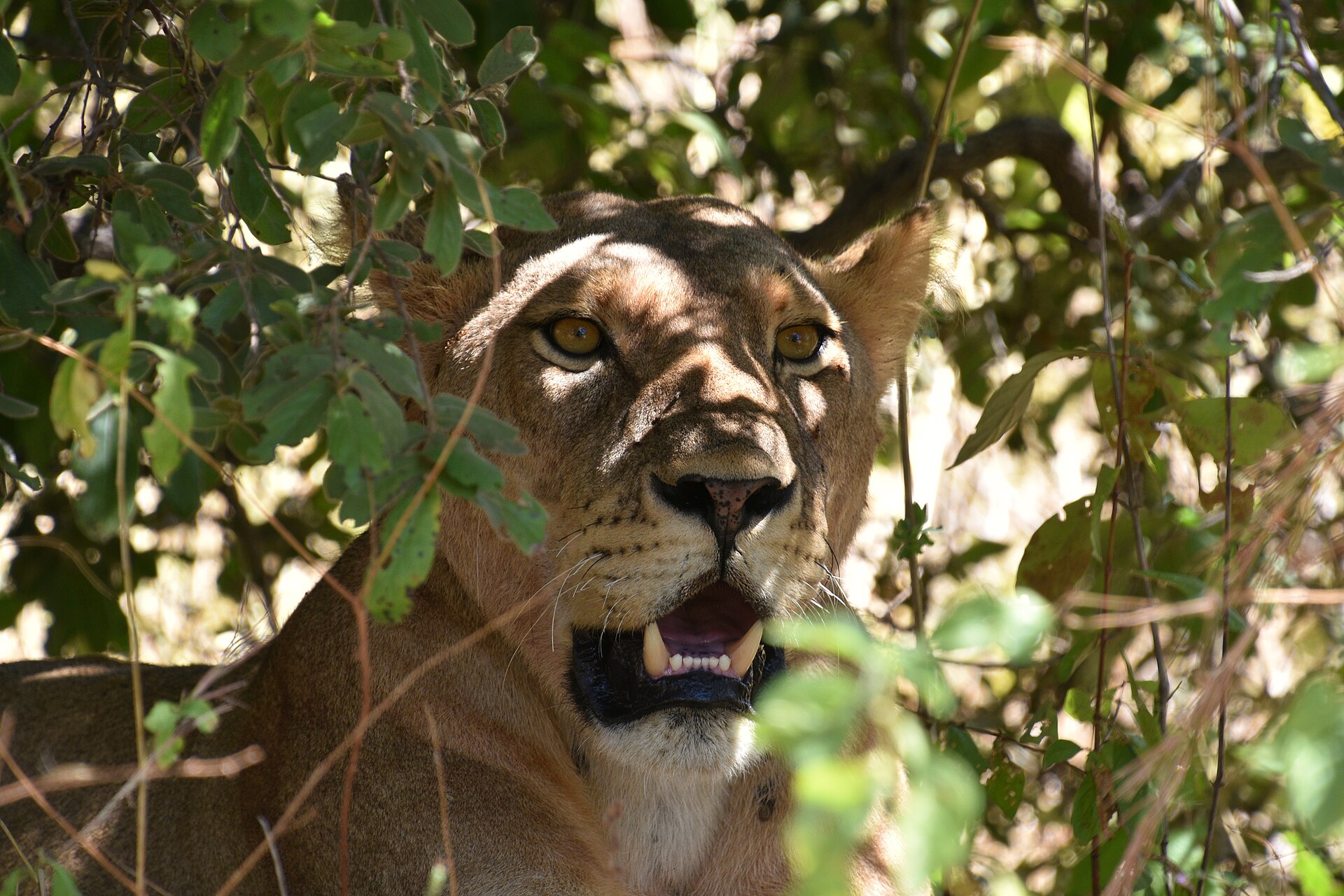
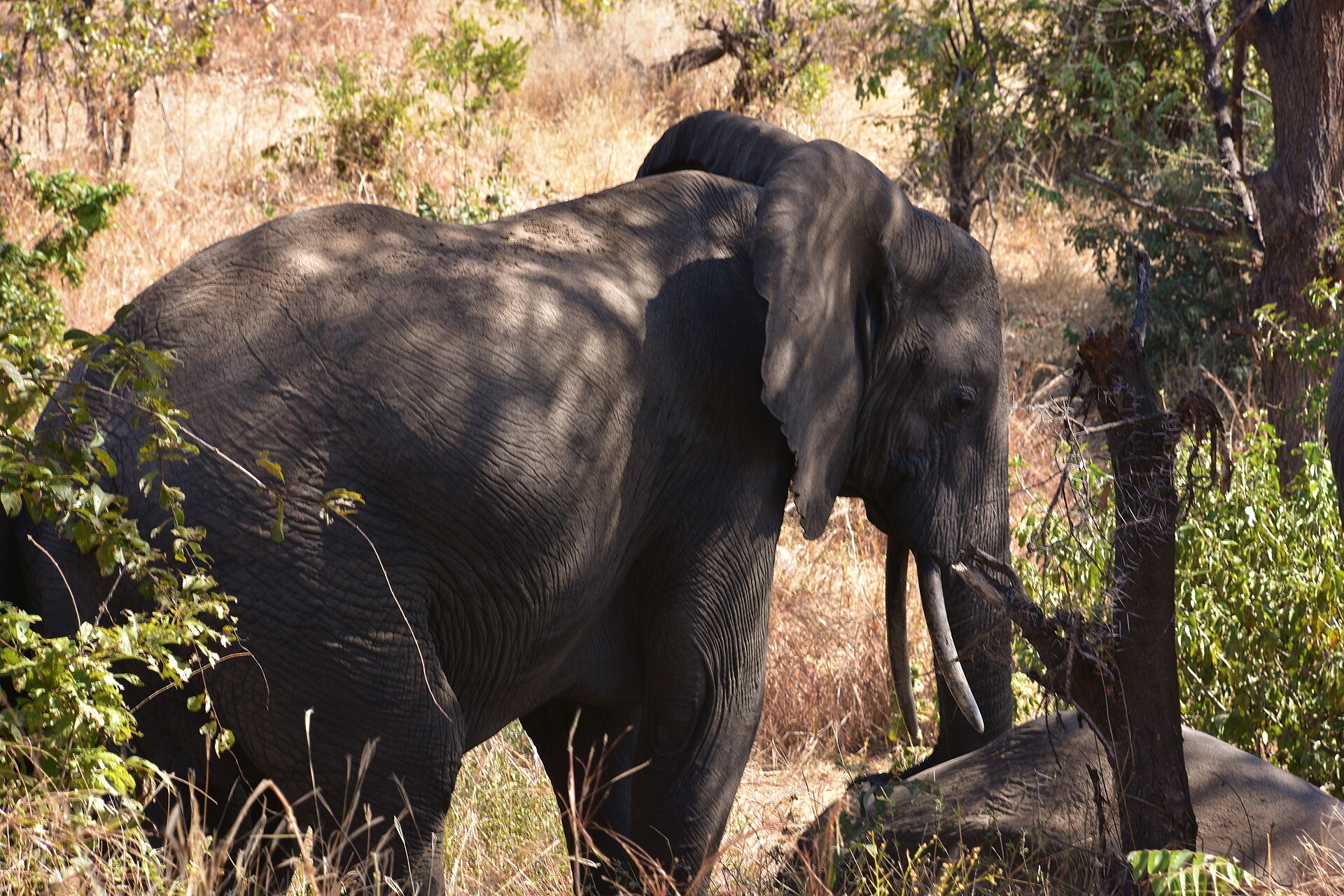
One in ten African lions lives in Ruaha, and the prides here are big, often gathered around a buffalo kill in the dry season. The elephants form the largest population in Tanzania, about 15,800 in the ecosystem at the 2015 count, down after a wave of poaching.
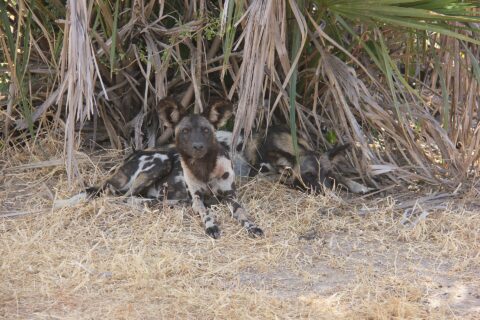
The park is also a meeting point between the wildlife of East Africa and that of the south: here the greater kudu crosses paths with Masai giraffes and zebras. Wild dogs hunt in packs on the plains, leopards live in the wooded ravines, and more than 570 bird species have been recorded, with hornbills at the top of the list.
| Species | J | F | M | A | M | J | J | A | S | O | N | D | Note |
|---|---|---|---|---|---|---|---|---|---|---|---|---|---|
 Lion | peak season | peak season | peak season | peak season | peak season | peak season | peak season | peak season | peak season | peak season | peak season | peak season | along the Mwagusi and the Great Ruaha, in big prides |
 Elephant | possible | possible | rare | rare | possible | peak season | peak season | peak season | peak season | peak season | possible | possible | along the Great Ruaha in the dry season |
 Buffalo | possible | possible | rare | rare | possible | peak season | peak season | peak season | peak season | peak season | possible | possible | by the hundreds at the pools in the dry season |
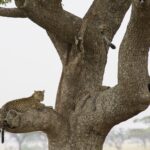 Leopard | possible | possible | possible | possible | possible | possible | possible | possible | possible | possible | possible | possible | wooded ravines and riverbanks |
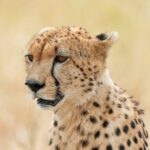 Cheetah | possible | possible | possible | possible | possible | possible | possible | possible | possible | possible | possible | possible | open plains |
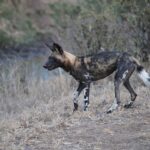 African wild dog | possible | possible | rare | rare | possible | peak season | peak season | peak season | peak season | peak season | possible | possible | in packs on the plains, easier to see in the dry season |
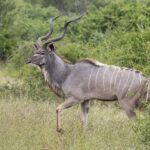 Greater kudu | peak season | peak season | peak season | peak season | peak season | peak season | peak season | peak season | peak season | peak season | peak season | peak season | ravines and open woodland |
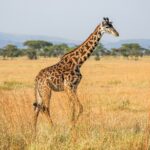 Masai giraffe | peak season | peak season | peak season | peak season | peak season | peak season | peak season | peak season | peak season | peak season | peak season | peak season | throughout the park |
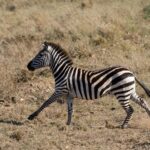 Plains zebra | peak season | peak season | peak season | peak season | peak season | peak season | peak season | peak season | peak season | peak season | peak season | peak season | plains and hills |
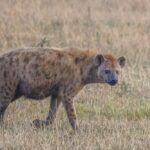 Spotted hyena | peak season | peak season | peak season | peak season | peak season | peak season | peak season | peak season | peak season | peak season | peak season | peak season | mostly on night drives |
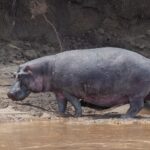 Hippopotamus | peak season | peak season | peak season | peak season | peak season | peak season | peak season | peak season | peak season | peak season | peak season | peak season | Great Ruaha pools |
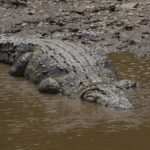 Nile crocodile | peak season | peak season | peak season | peak season | peak season | peak season | peak season | peak season | peak season | peak season | peak season | peak season | Great Ruaha pools |
peak seasonpossiblerare
What is a safari like in Ruaha?
The park headquarters and the main airstrip are at Msembe, on the Great Ruaha. The camps are spread along the Mwagusi, Mdonya and Jongomero rivers. You set off at dawn and follow the riverbeds, where the animals dig for water. You come back for the hot hours, which top 35°C at the end of the dry season.
The park allows night drives and walks with a guide. The distances are great and the tracks are made of sand and rock, so a 4x4 is essential. A guide who knows the park finds lions where you would drive past without seeing them.
When to go to Ruaha?
idealgoodnot recommended
The dry season runs from May to October, with rainless skies and days at 35°C. The months to aim for are July to October. The Great Ruaha then shrinks to pools, elephants and buffalo come to drink there by the hundreds, and the lions wait for them.
From November to April, the rains make the bush tall and green, the animals spread out and the vegetation hides them. Migratory birds partly make up for it. The entry fee stays the same all year, US$35.40, with no low-season discount.
How to get to Ruaha?
The park is 130 km west of Iringa, two to three and a half hours on a dirt road via Tungamalenga, and most travelers arrive by plane. Coastal Aviation leaves Dar es Salaam at 8:30 a.m., stops at Selous and lands at Msembe at 11 a.m. This flight lets you combine Nyerere and Ruaha on the same trip.
The Msembe and Jongomero airstrips receive scheduled and charter flights. By road, the track from Iringa remains the only way in, and a 4x4 is a must during the rains.
Stay in Msembe
Where to find a guide in Ruaha?
Guided tours you can book online, ranked by number of reviews. These are affiliate links: if you book, you support us at no extra cost.

 Viator
6 Days Safari to Udzungwa Mountain NP, Ruaha NP and Mikumi NP
5.0 (16 reviews)View and bookWhere to stay near Ruaha?
Hotels, apartments and rooms around Msembe, with current prices.
Why does the Great Ruaha River stop flowing?
The river gives the park its name, from a Hehe word meaning "great river". In the dry season, it stops flowing along part of its course, because the rice fields of the Usangu plain, upstream, take its water. The animals then fall back on the remaining pools, and the safari focuses on its banks.
To protect the source, Tanzania added the Usangu to the park in 2008, which brought it to 20,226 km². The park is still exposed to poaching: in 2018, six lions and 74 vultures were found poisoned.
Frequently asked questions about Ruaha
When is the best time to visit Ruaha?
July to October, when the Great Ruaha shrinks to pools and the animals gather around them. From November to April, the tall bush hides the animals, but the migratory birds are there.
How much is the Ruaha National Park entry fee?
US$35.40 per adult per 24 hours, VAT included, with no seasonal change, and US$11.80 for ages 5 to 15. It is the lowest fee among the country's major parks, less than half the Serengeti's.
How do you get to Ruaha from Dar es Salaam?
By air with Coastal Aviation, leaving at 8:30 a.m., stopping at Selous and arriving at Msembe at 11 a.m., for US$472 including taxes. By road, first allow for the drive to Iringa, then 130 km of dirt road in two to three and a half hours.
Can you visit Ruaha without a guide?
Yes, the park accepts self-drive 4x4s, but the sand and rock tracks and the long distances make it hard going. A park guide costs US$23.60 per group per day.
How many days do you need in Ruaha?
At least three nights, since the flight from Dar es Salaam takes up the morning each way. With Nyerere, allow a week for the south.
Are there many lions in Ruaha?
Yes, the park is home to 10% of Africa's lions, in big prides that follow the buffalo in the dry season. Look for them at dawn along the Mwagusi and the Great Ruaha.
Our tip
Come between July and October, when the Great Ruaha is no more than a series of pools where the animals crowd together. Fly in from Dar es Salaam or Selous, as the road from Iringa costs you a day, and allow three nights in the camps on the Mwagusi and the Mdonya.
Other parks nearby
 TanzaniaNational park
Nyerere National Park
Southern Tanzania TanzaniaNational park
Tarangire National Park
Northern Tanzania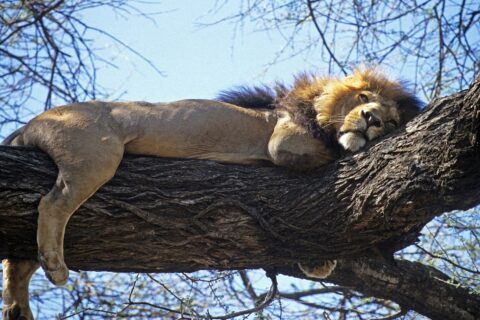 TanzaniaNational park