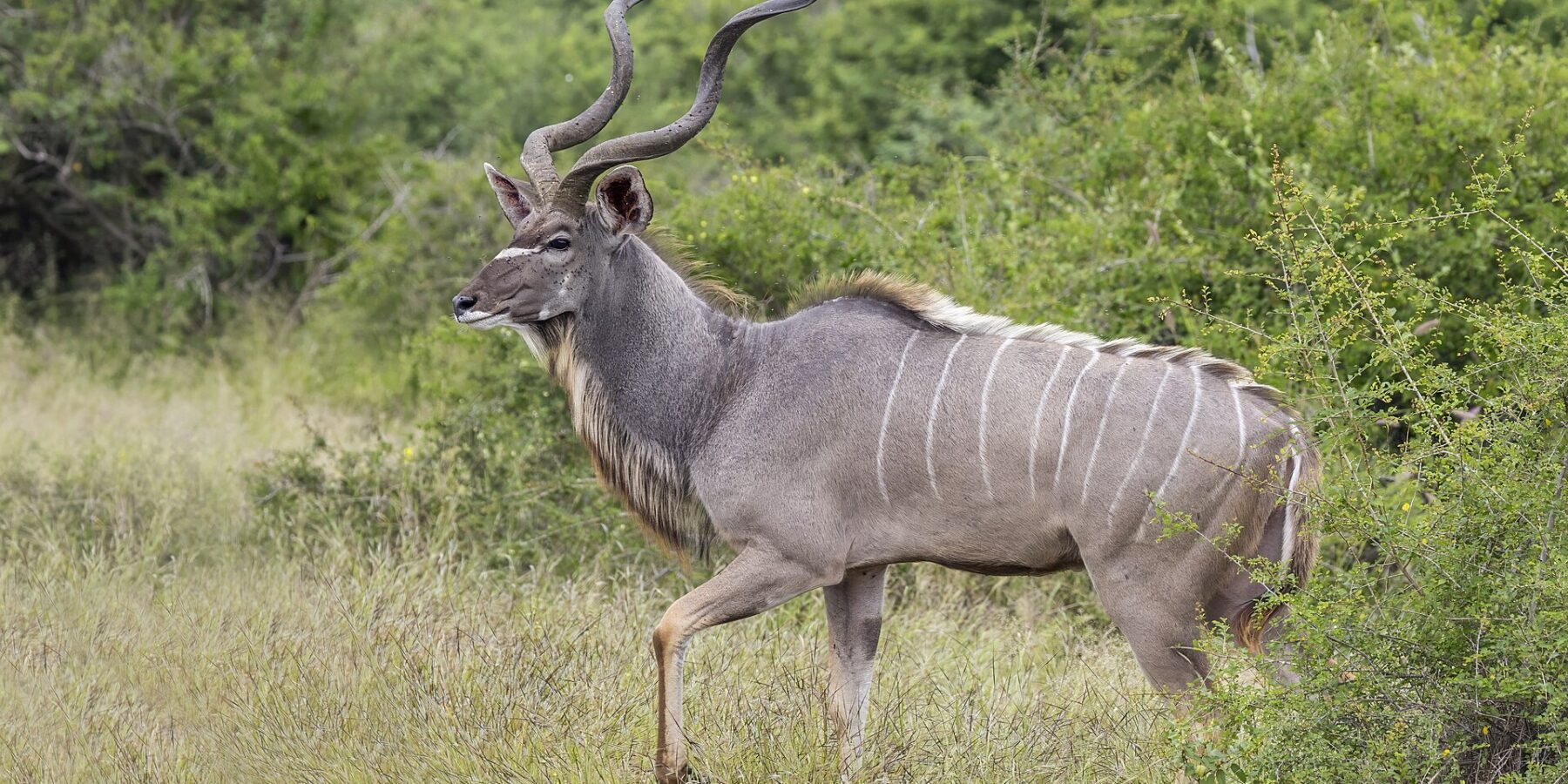
In the thickets beside the track, a male greater kudu watches you pass without moving, its spiral horns rising more than a meter above its head. This large gray antelope with white stripes lives throughout the South African bush, from Kruger to Addo, and shows itself early in the morning and late in the day.
Where to see the greater kudu on safari?
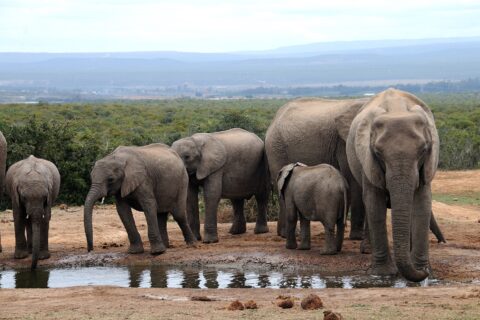
 South AfricaNational park
Addo Elephant National Park
Eastern CapePeak season all year round: thickets, by the roadside
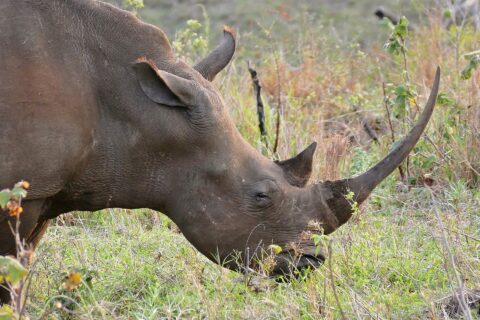 South AfricaGame reserve
Hluhluwe-iMfolozi Park
KwaZulu-NatalPeak season all year round: wooded slopes
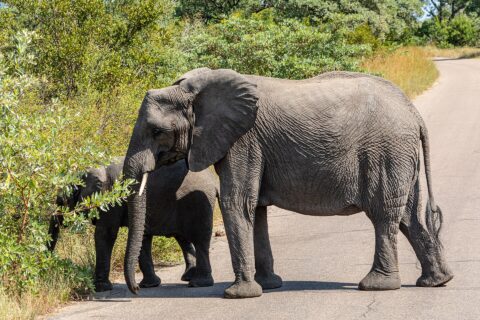 South AfricaNational park
Kruger National Park
Northeastern South AfricaPeak season all year round: bush in the south and center, often by the roadside
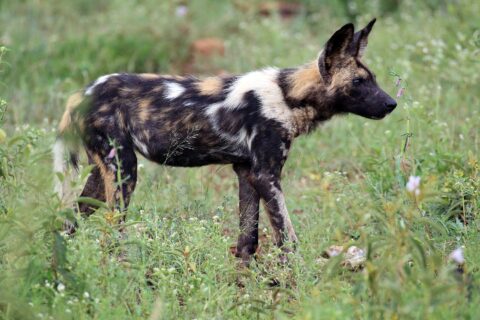 South AfricaGame reserve
Madikwe Game Reserve
Northwestern South AfricaPeak season all year round: thickets and hills
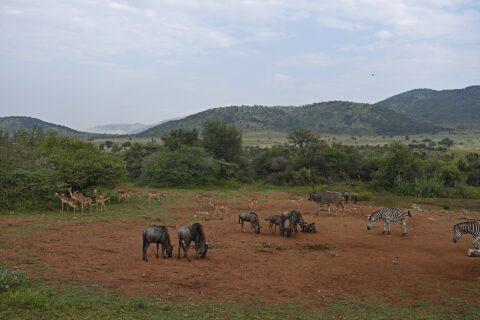 South AfricaNational park
Pilanesberg National Park
Northwestern South AfricaPeak season all year round: wooded hillsides
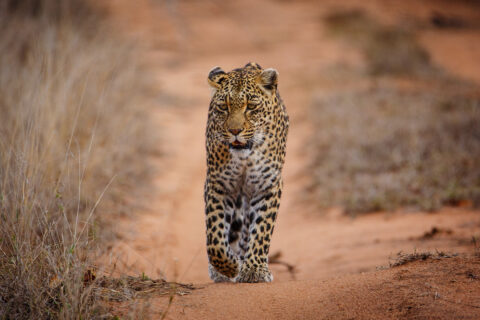 South AfricaPrivate reserve
Sabi Sand Game Reserve
Northeastern South AfricaPeak season all year round: thickets and riverbanks
How do you identify a greater kudu?
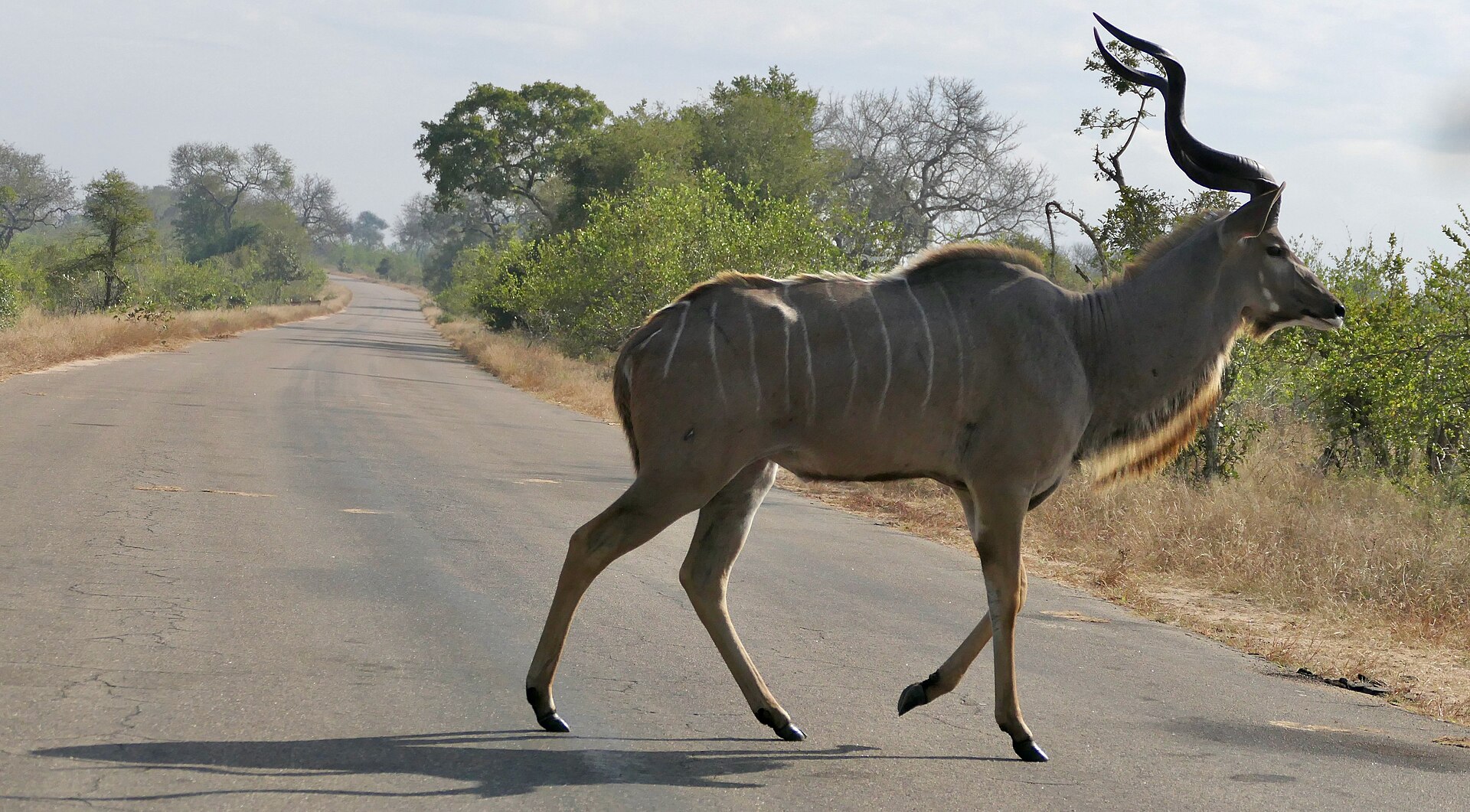
A long-legged antelope, 1.6 m at the shoulder for a male of 190 to 270 kg and 1.35 m for a female of 120 to 210 kg, with a gray-brown coat marked by 5 to 12 thin vertical white stripes. A white chevron joins the eyes, the ears are large and round, and the male has a beard and a short mane along the back. His spiral horns, which the female lacks, measure 1.20 m on average and up to 1.87 m. The nyala, which shares its thickets in KwaZulu-Natal, is smaller and darker, with tawny lower legs and less twisted horns.
Greater kudu in pictures
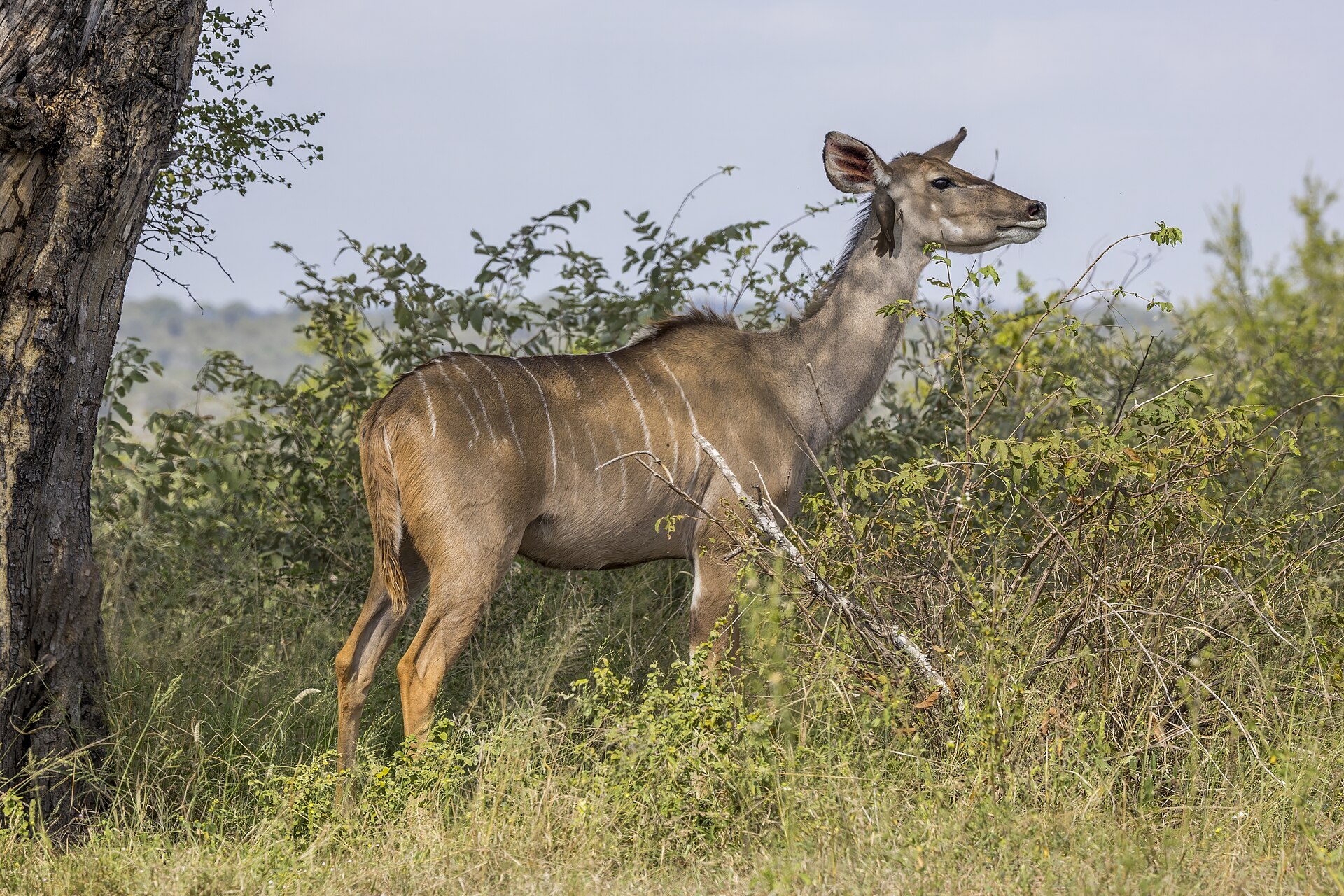
How does the greater kudu live?
The greater kudu eats the leaves and young shoots of shrubs, so it lives in wooded bush and rocky hills, away from the open plains where it would be exposed. Females live in small groups with their young, males alone or in bachelor herds, and the two only come together during the rut. It is active early in the morning and late in the afternoon, and rests in the shade during the hot hours. It defends itself by standing still in cover and, when disturbed, flees in powerful bounds, able to clear a 2 m fence. It runs at up to 50 km/h, and the female gives birth to a single calf a year, after seven to eight months of gestation.
Where and when can you see greater kudu on safari?
You find it in all the major parks of South Africa. Kruger has many in the thickets of the south and center, and males often come to browse along the paved roads. Addo has them in its dense bush, Hluhluwe-iMfolozi on its wooded slopes, Pilanesberg and Madikwe in the hills. The best time is early morning and late afternoon, when it comes out of cover to feed. Drive slowly and scan the edges of the bush: a head with big ears often pokes out of the bushes before the rest of the body.
Is the greater kudu endangered?
The IUCN lists the greater kudu as Least Concern, with a population estimated at 482,000 animals. It is stable in southern Africa, where kudu also live on many farms and private reserves, and declining in the north of its range, in East Africa, because of hunting and habitat loss. Its predators are the lion, the leopard, the African wild dog and the spotted hyena, which mostly take the young.
Our tip
Drive at a crawl along the thickets at the edge of the track and look between the branches: the kudu relies on keeping still, and you will often see it only after it has seen you. In southern Kruger, males come to browse right at the roadside in late afternoon.