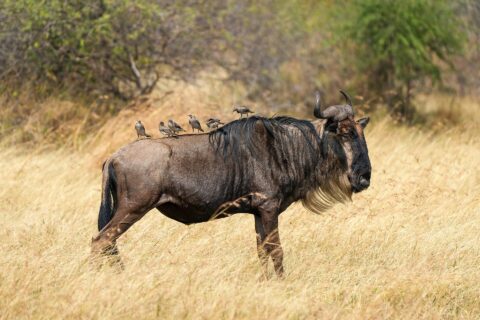
Blue wildebeest
Connochaetes taurinusFound in 10 parksHarmless
The wildebeest makes up the Great Migration of the Serengeti, 1.5 million animals circling between Tanzania and Kenya.
Language
Currency
The wildebeest makes up the Great Migration of the Serengeti, 1.5 million animals circling between Tanzania and Kenya.
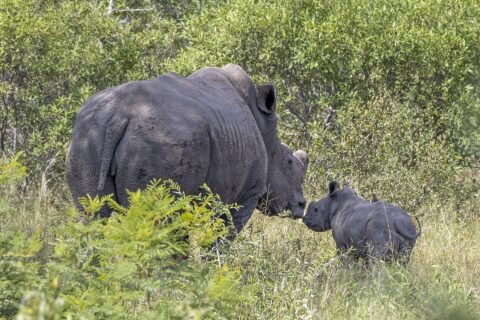
A white rhino grazes head down a few meters from the track and does not even look up when the 4x4 stops.
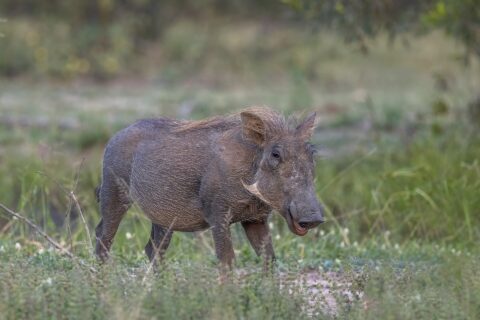
Kneeling in the grass, the warthog grazes beside the track, then bolts with its tail straight up like an antenna when the vehicle gets too close.
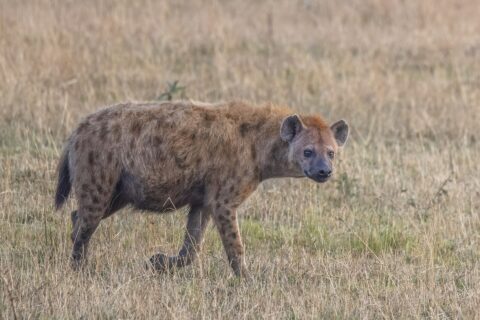
For spotted hyenas, go to Ngorongoro Crater, where large clans hunt in broad daylight.
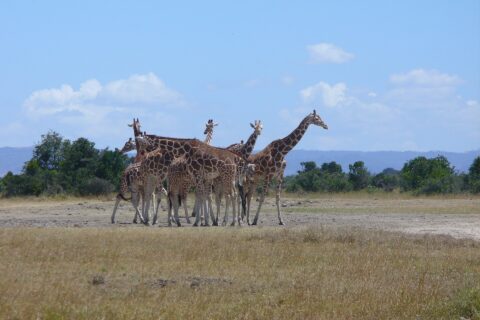
The reticulated giraffe wears clean polygonal patches separated by white lines like a net, which tell it apart at first glance from the Masai giraffe of the south.
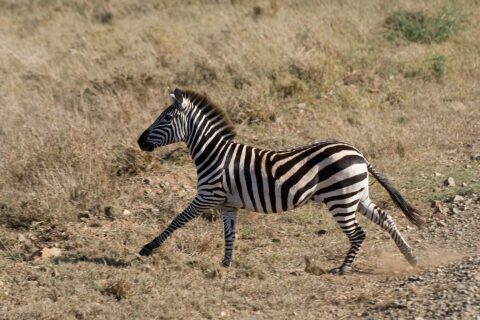
In the Serengeti, 250,000 plains zebras follow the wildebeest on the Great Migration, and at the Mara River crossings, from July to October, they are often the first into the water.
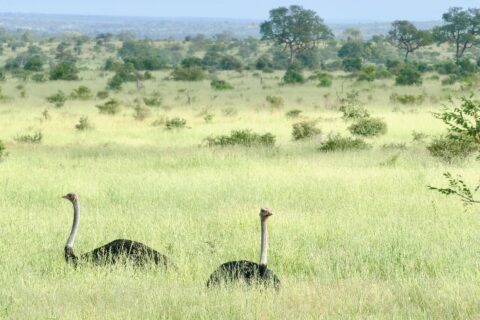
Standing over two meters tall, the ostrich rises above the savanna bushes and stands out from far away, the male black and white, the female gray-brown.
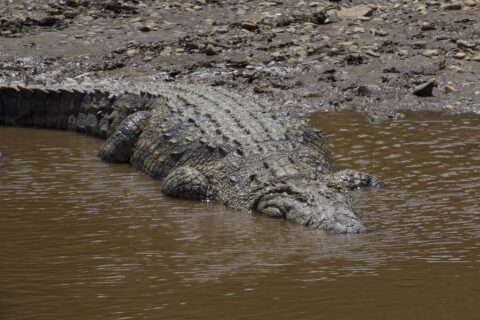
The Nile crocodile is best seen on the Mara River, in Kenya, when it waits for the wildebeest at the crossings from July to October.
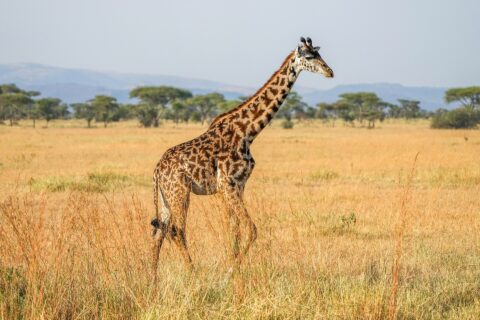
You will come across the Masai giraffe at any time of day in the savannas of Tanzania and southern Kenya.
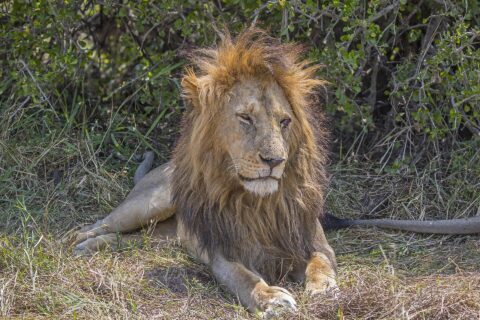
At dawn, lions come back from the hunt, walk down the track or finish off a kill.