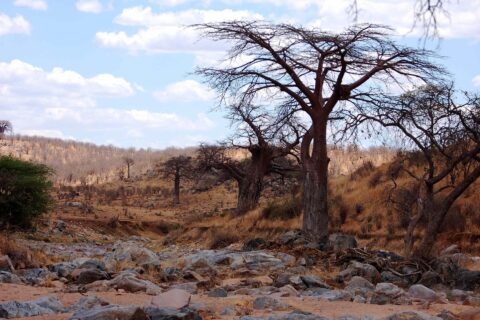
In southern Tanzania, you fly rather than drive, to two huge parks, Nyerere and Ruaha. You explore the first on the Rufiji River, by boat and on foot. The second gathers 10% of Africa's lions along a river that stops flowing in the dry season.
Season
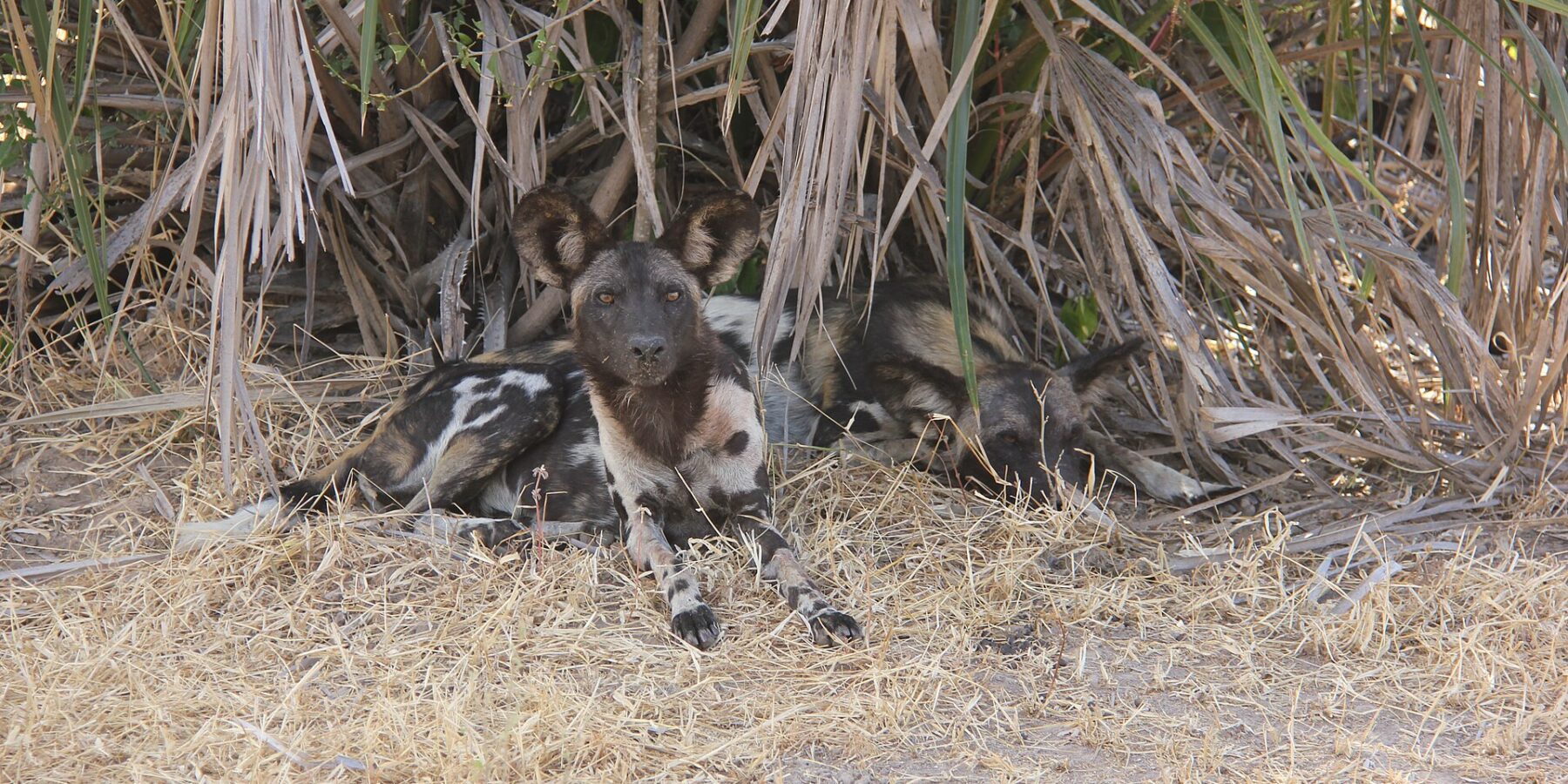
Aim for the dry season, June to October, when the grass is short and the animals gather on the Rufiji and the Great Ruaha. The wild dogs then stay close to their dens. From March to May, the rains cut off tracks and swell the rivers.
Budget
Nyerere costs US$82.60 per person per day and Ruaha US$35.40, VAT included. Boat trips and walks are extra. The flights weigh heavily: US$219 from Dar es Salaam to Nyerere and US$472 to Ruaha, taxes included, per leg.
Getting there
Everything starts in Dar es Salaam, where international flights land. Coastal Aviation takes off at 8:30 a.m. for Nyerere, 45 minutes away, and flies on to Ruaha, reached at 11 a.m. Same-day connections run from Zanzibar and Arusha, and the road only makes sense for Nyerere, 230 km away.
Southern Tanzania comes down to two parks, but they rank among the largest in Africa. Nyerere covers 30,893 km² in the north of the former Selous Game Reserve, and Ruaha 20,226 km² around the Great Ruaha River. Coastal Aviation flies between the two in an hour and 40 minutes, so you can combine them in the same week without going back through Dar es Salaam.
Nyerere is built around the Rufiji River. Camps in the north of the park take you out by boat on the river and its lakes, among hippos and crocodiles, and offer walks with an armed ranger. Wild dogs are plentiful, and the elephants, decimated by poaching until 2013, are slowly coming back.
Ruaha, farther west, changes the scenery: rocky hills, baobabs and a river that stops flowing in the dry season. The park holds 10% of Africa's lions, the largest elephant herds in the country and southern antelopes absent from the northern parks, the greater kudu first among them. You can drive for whole days without passing another vehicle.
How do you plan a safari in southern Tanzania?
The south suits a second safari, or an add-on from Zanzibar, a 20-minute flight from Dar es Salaam. Three nights in Nyerere and three in Ruaha make a full week, ideally in the dry season, between June and October. The camps are remote, so you book everything ahead, flights included, and most travelers leave the vehicle and the guide to the camp.
How much does a southern Tanzania safari cost?
Entry fees stay moderate in Ruaha, US$35.40 per person per day. They rise to US$82.60 in Nyerere, in line with the Serengeti. The big costs are the flights, US$219 to US$472 per leg depending on the park, and the camps, remote and few in number. The boat fee, US$23.60 per person, and the guided walk come on top.
Where to stay in southern Tanzania?
Hotels, apartments and rooms around Mtemere Gate, the starting point for safaris in Nyerere, with current prices.
 TanzaniaNational park