 South AfricaGame reserve
Hluhluwe-iMfolozi Park
KwaZulu-NatalBig Five 5/5From May to September
Self-drive possible
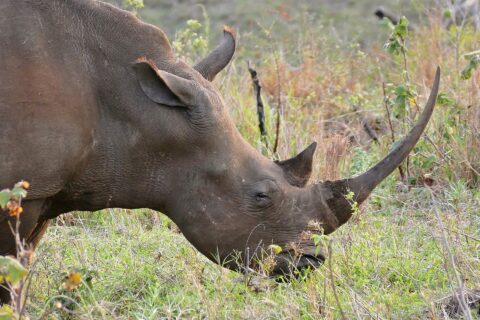
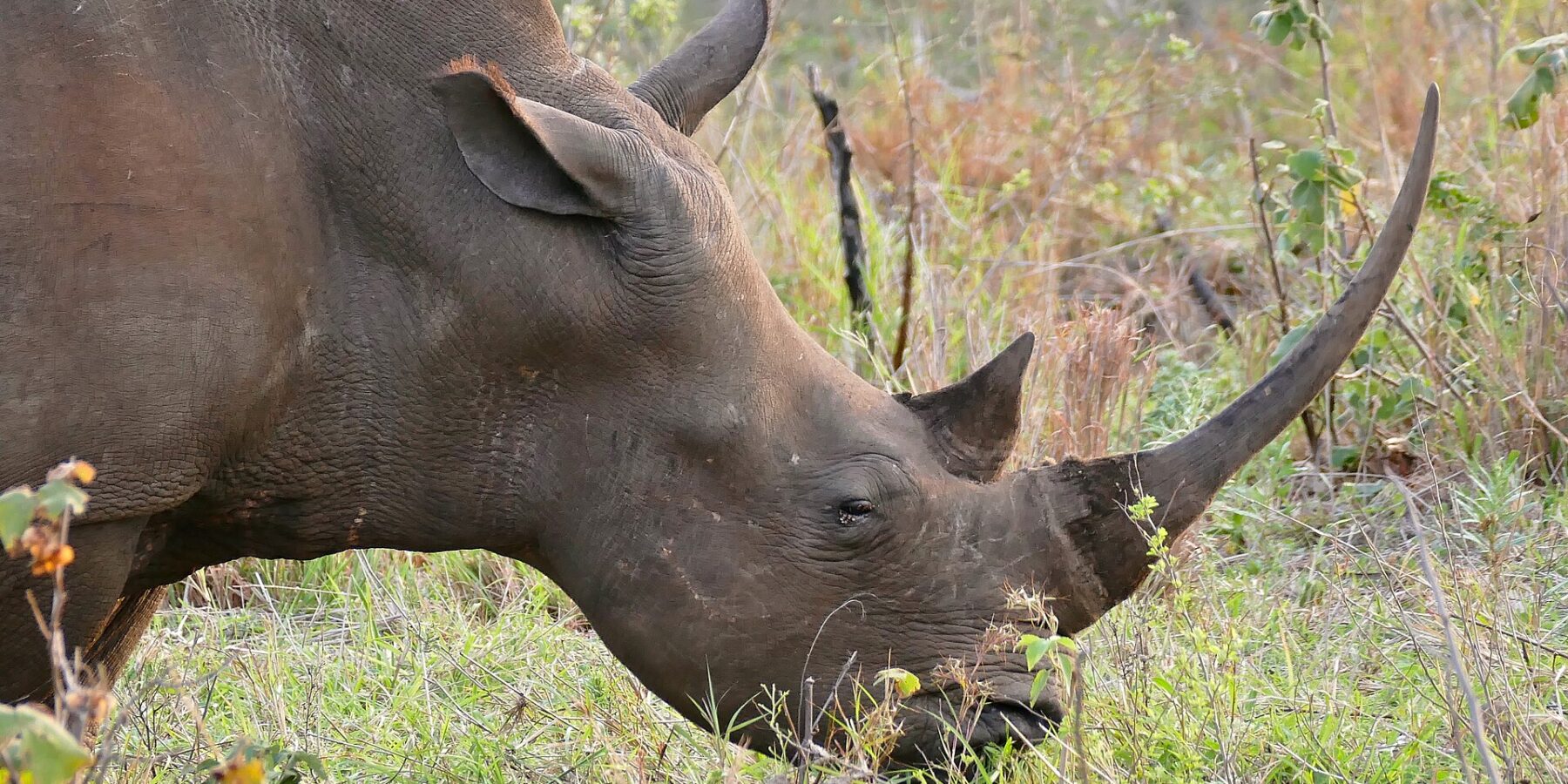
In Hluhluwe-iMfolozi, you see white rhinos on almost every drive, in the park that saved the species.
Language
Currency
South Africa1 park
In KwaZulu-Natal, you go on safari in the green hills of Zululand, three hours by road from Durban, with the Indian Ocean to finish. Hluhluwe-iMfolozi is home to about 1,600 white rhinos, the Big Five and the nyala, and St Lucia, an hour away, leads to the iSimangaliso wetlands and the beaches.
The dry winter, from May to September, is the best season, with short grass, animals near water and mild days. Summer, from October to March, is hot, humid and stormy, and the vegetation hides the animals in the Hluhluwe section. Malaria is low here but seasonal.
Hluhluwe-iMfolozi costs R280 per international adult per day and R140 per child, and a night in a rondavel for two at Hilltop R1,472. A three-hour guided drive from the camp costs R575 per person, and the FlySafair flight from Johannesburg to Durban starts at R804.
From Durban, the N2 runs north to Nyalazi Gate in 240 km and about three hours. From Johannesburg, FlySafair lands in Durban in an hour and 10 minutes, and Airlink in Richards Bay, closer to the park. St Lucia and the coast are an hour's drive from the gate.
KwaZulu-Natal is the province of Durban and the hills of Zululand, greener and wetter than the Lowveld, and its big park is Hluhluwe-iMfolozi, 960 km² three hours' drive north of Durban. The park is home to about 1,600 white rhinos, a tenth of the world population, and shows them on almost every drive, along with the Big Five and the nyala. An hour away, St Lucia leads to the iSimangaliso wetlands and the beaches of the Indian Ocean, where the safari ends.
Two days are enough for the park, with a night at Hilltop, the Ezemvelo camp perched on a hill in the Hluhluwe section, or at Mpila, in iMfolozi, where the tents are unfenced. You drive yourself on 300 km of roads, at 40 km/h at most, and camp rangers run night drives and walks. From Durban, the N2 takes you to Nyalazi Gate in 240 km, and an Airlink flight to Richards Bay shortens the drive from Johannesburg. The natural next stop is St Lucia, an hour away, for a boat trip on the estuary, then the coast.
White rhinos come first, on the iMfolozi grasslands and in the middle of the roads, often dehorned since 2024 to deter poachers. Poachers killed 63 in the park in 2025, against 198 the year before. Black rhinos live here too, more discreetly. Elephants, buffalo, lions and leopards complete the Big Five, wild dogs and cheetahs pass through now and then, and the nyala, a striped thicket antelope, is easier to see here than anywhere else. Zebras, wildebeest, giraffes, kudus, impalas and warthogs roam the open slopes, and 340 bird species have been recorded.
Winter, from May to September, is dry and mild, with short grass and animals gathered near water. Summer, from October to March, is hot, humid and stormy, and the dense vegetation of the Hluhluwe section hides the animals, but you can see rhinos year-round in iMfolozi. Northern KwaZulu-Natal is a seasonal malaria area, with a low risk in the park, so wear repellent and long sleeves in the evening, and ask a doctor about preventive treatment, especially from September to May.
Hotels, apartments and rooms around Hluhluwe, the starting point for safaris in Hluhluwe-iMfolozi, with current prices.